
Memory in psychology works as a 3-part system: you encode information, store it, and retrieve it later. That sounds neat, but real memory acts messy because attention slips, rehearsal fades, and cues go missing. A student can hear a 15-minute lecture in Psychology 110 Introduction to Psychology, then remember one phrase and blank on the rest. Another student can study the same material for 3 nights and recall it much better because the brain keeps what gets noticed and used. Psychology treats memory as active, not as a video camera. You do not copy facts into your head and play them back unchanged. You pick up pieces, connect them to older knowledge, and sometimes rebuild the whole thing from bits. That is why two people can leave the same class with different memories of the same 2024 class discussion. The basic model uses three stages. Encoding starts the process. Storage keeps the trace around for seconds, hours, or years. Retrieval brings it back when a quiz, a conversation, or a test asks for it. Most memory problems start at one of those stages, and each stage has its own weak spots. A noisy room, a rushed study session, or a missing cue can break the chain fast. To understand how memory functions, start with those three steps and watch where the break happens. That is where the real answer lives.
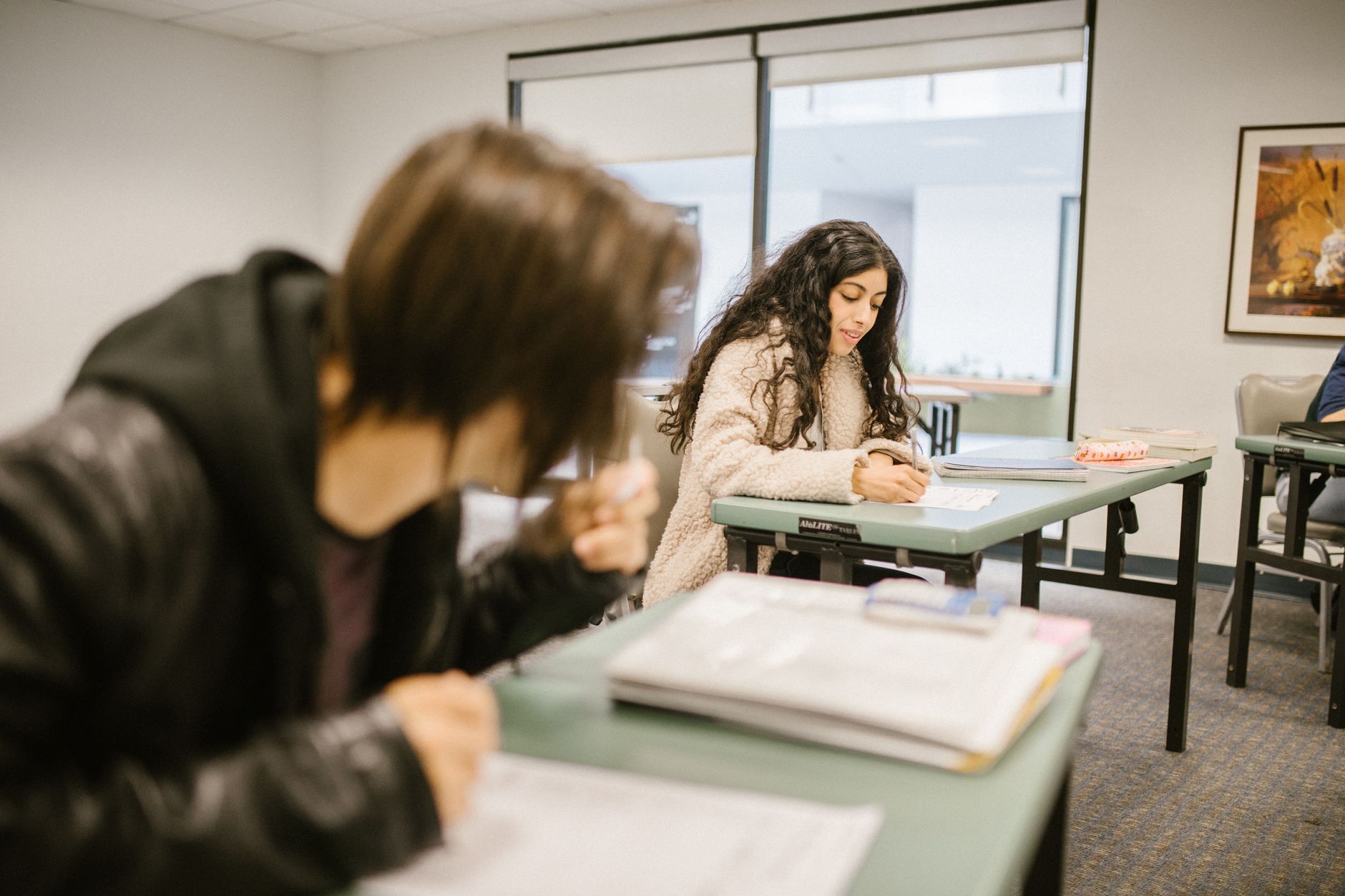
How Does Memory Function in Psychology?
Memory functions in psychology as an information-processing system with 3 steps: encoding, storage, and retrieval. Students in a Psychology 110 Introduction to Psychology course usually meet this model early because it explains why a fact can stick after 1 strong study session and vanish after another.
Encoding means your brain takes in information and gives it a form it can hold. Storage means it keeps that form over time, from 30 seconds in short-term memory to years in long-term memory. Retrieval means you pull the information back out on a quiz, in class, or during a 2025 exam. Psychology does not treat memory like a perfect recording. That idea sounds tidy, but it misses the real action.
The catch: A memory can fail at any of the 3 stages, and that is usually where the trouble starts. You may never encode the fact well, you may store it weakly, or you may store it fine and still fail to pull it back when the test asks for it.
Think about a student who hears the term "working memory" during a 50-minute lecture. If they stare at their phone for 2 minutes while the professor explains it, encoding drops. If they review the slide deck once at 9 p.m. and never return to it, storage stays thin. If the final exam uses a new wording, retrieval gets harder. That is a plain case of how memory functions, not a mystery.
I like this model because it stays honest. It does not promise magic. It shows where things go wrong, and that makes it useful in a real Psychology 110 introduction to psychology course. The weak point matters as much as the success point.
A memory trace also changes when you use it. Each recall can strengthen it, but it can also twist it a little. That is one reason people remember a class demo from week 4 and forget the exact date, even when they felt sure about it the night before.
Why Does Attention Affect Memory So Much?
Attention affects memory because it acts like the gate for encoding, and the gate only opens for part of what you hear, see, or read at a time. In a 45-minute lecture, students can miss most details if their mind keeps jumping every 20 seconds.
Selective attention helps by filtering the extra noise. A student who listens for 2 or 3 main ideas in a lecture usually encodes more than a student who tries to catch every word. Divided attention does the opposite. Texting, scrolling, or half-listening splits the brain’s work, and the memory trace comes out weak. That is not a moral failure. It is a limit of how the system works.
Reality check: Multitasking during study looks busy, but it often produces shallow encoding and poor recall on a 20-question quiz. I have seen students swear they studied for 4 hours, then miss the same idea three times because their attention never stayed in one place long enough.
Automatic routines can also hurt memory. If you drive the same route for 15 minutes while thinking about tomorrow’s schedule, your brain may register the trip without much detail. The same thing happens in class. A familiar slide or a repeated term can make you stop paying attention, and then the detail never gets a real shot at encoding.
This is why focus matters more than raw time. Ten sharp minutes beat 30 foggy ones when the goal is memory. That sounds blunt because it is blunt. Memory likes full attention, not background noise.
Learn Introduction To Psychology Online for College Credit
This is one topic inside the full Introduction To Psychology course on UPI Study — a self-paced, online class that earns real college credit. Credits are ACE and NCCRS evaluated and transfer to partner colleges across the US and Canada. Courses start at $250 with no deadlines and lifetime access.
Explore on UPI Study →How Do Rehearsal and Storage Keep Memories?
Rehearsal keeps memories active long enough for storage to work, and the type of rehearsal matters as much as the time spent. Maintenance rehearsal repeats information, like saying a 6-digit code over and over, while elaborative rehearsal links the new idea to something you already know.
Maintenance rehearsal helps short-term retention. You can hold a phone number for 20 to 30 seconds that way, which is why people repeat it before they dial. The problem shows up fast. If you stop repeating, the memory fades. Elaborative rehearsal lasts longer because it builds meaning. A student who links "encoding" to "turning info into a code" creates a better path for later recall than a student who only repeats the word 12 times.
Worth knowing: Spaced practice beats cramming because the brain keeps revisiting the material across 3 or 4 sessions instead of forcing one long push. That pattern gives storage time to settle, and it usually beats a single 2-hour block stuffed into the night before a test.
Take a real course example. A student taking Psychology 110 Introduction to Psychology as an online course for college credit or transferable credit studies 25 minutes on Monday, 25 on Wednesday, and 25 on Friday. They use flashcards, then explain each term out loud, then link the idea to a class example from the week. That student usually remembers more than the one who reads for 90 minutes on Sunday and calls it done. The difference comes from repetition with meaning, not just repetition with pressure.
Storage improves when rehearsal matches long-term memory. That means facts need hooks, not just more hours. A dry term can survive 1 review. A term tied to a story, a chart, or a prior class note can survive much longer.
Which Cues Help You Retrieve Memories?
Retrieval cues help bring back memories by giving the brain a path to the stored trace, and that path can work even after 1 bad study session. In a 2025 class, a student may know the answer the moment they see the right hint or first word.
- Context cues work when the place matches the original learning setting. Studying in the same quiet room for 2 sessions can help later recall because the room itself becomes part of the memory.
- State-dependent cues link memory to your internal state, like being calm, tired, or alert. A sharp difference between a 9 a.m. review and a late-night review can change what comes back on test day.
- Priming helps when one idea activates another nearby idea. If you hear "working memory," related terms like "attention" and "short-term memory" can feel easier to reach within 5 seconds.
- Recognition is easier than recall. A multiple-choice item gives you 4 options, while a short-answer question makes you rebuild the answer from scratch.
- The tip-of-the-tongue feeling shows up when you know you know it, but the exact word stays stuck. People hit this with names, dates, and definitions all the time.
- Interference happens when old and new memories crowd each other. A student who learns 2 similar theories in the same 48-hour span can mix them up fast.
A strong cue can feel almost unfair. One word, one image, or one classroom example can open a memory that seemed lost 10 minutes earlier. That is how retrieval works when the trace exists but the door stays shut.
Why Does Memory Fail Even When You Learn?
Memory fails even after learning because the brain can miss one of 5 things: encoding, rehearsal, storage, retrieval, or the cue itself. A student may sit through a 60-minute lecture and still forget half of it by Friday if the first pass stayed shallow.
Poor encoding causes trouble when attention drifts, especially during a long class or a noisy online session. Weak rehearsal causes trouble when a student reads once, highlights 3 lines, and stops. Interference causes trouble when similar ideas pile up, like 2 theories with almost the same terms. Decay matters too, because traces fade when nobody uses them for days or weeks. Cue mismatch finishes the job when the test asks for one wording and the student studied another.
That is why one lecture sticks and another slips away. A student might remember the professor’s joke from week 2 but forget the definition from week 7 because the joke had emotion, repetition, and a clean cue. The definition got none of that. Harsh, but true.
Memory failure does not mean a student is bad at psychology. It usually means the study setup missed one stage in the chain. If the class used a 20-item quiz, a 5-minute recap, and a sample question, recall would rise because the brain would get more chances to build and use the trace.
You can spot the pattern once you know it. Weak input leads to weak output. Memory rarely breaks for just one dramatic reason; it leaks a little at each step.
Frequently Asked Questions about Memory Psychology
This applies to you if you're taking an intro psych class, like psychology 110 introduction to psychology, and it doesn't fit you if you want a full neuroscience model with brain scans and cell-level detail. In this class, you usually learn the 3-stage model: encoding, storage, and retrieval.
A psychology 110 introduction to psychology course often uses memory as a core topic, and some online course options give ace nccrs credit or transferable credit. You study how attention, rehearsal, and cues shape encoding, storage, and retrieval, which is why the same material can matter for college credit and for exam grades.
Memory works through encoding, storage, and retrieval, and that basic chain explains how memory functions in psychology. Encoding turns input into a form your brain can hold, storage keeps it over time, and retrieval brings it back later; if any step weakens, recall drops fast.
What surprises most students is that attention matters more than raw effort, because 10 minutes of focused study can beat 2 hours of distracted reading. If you split your attention with a phone, the material may never get encoded well, so storage and later recall start with a weak trace.
If you think memory just means rereading notes, you'll remember less on exams and lose points on short-answer items that need retrieval, not recognition. Students often study 3 or 4 times and still blank out because they never practiced pulling the answer back from memory.
Start by testing yourself after a short study block, because retrieval practice beats passive review in most intro psychology classes. Use 10-15 minute chunks, close the notes, and try to recall the main terms for encoding, storage, and retrieval before you look again.
The most common wrong assumption is that more time on the page always means better memory, but rehearsal only helps if you stay focused and active. In a psychology 110 introduction to psychology course, you can read the same paragraph 5 times and still forget it if you never use a cue to pull it back.
Most students reread, highlight, and hope the words stick, but what actually works is spaced rehearsal plus cues that match the test format. If your exam asks for definitions, practice saying them out loud; if it asks for examples, make 2 or 3 concrete ones.
Cues help retrieval by giving your brain a path back to stored information, like a first word, a picture, or the room where you learned it. Strong cues can turn a near-miss into a correct answer, while weak or missing cues can make you feel like the memory vanished.
Memory fails when attention is split, rehearsal is too shallow, or the retrieval cue doesn't match the way you learned the material. That happens in class, during tests, and even in daily life when stress, noise, or sleep loss cuts into encoding and recall.
An online course can help you study memory by giving you repeat access to lectures, quizzes, and flashcards, which makes spaced rehearsal easier. If the course carries ace nccrs credit, you'll often see the same core ideas: attention, encoding, storage, retrieval, and cue-based recall.
Final Thoughts on Memory Psychology
Memory in psychology makes more sense once you stop treating it like a vault and start treating it like a process. Encoding decides what gets in. Storage decides what stays. Retrieval decides what comes back. That 3-step model explains a lot of classroom frustration, and it also explains why some study habits feel strong while others fall apart. Attention shapes the first step. Rehearsal shapes the second. Cues shape the third. Miss one of those pieces, and memory can look random from the outside even though the pattern stays pretty orderly underneath. A student who studies with a phone beside them for 30 minutes may remember less than a student who studies for 12 focused minutes, and that gap shows up fast on quizzes, class discussion, and final exams. The good part is that memory responds to smart habits. Short, focused review. Meaningful links. Clear cues. Those choices give the brain more chances to hold on to a fact and get it back later. That is the real lesson in introductory psychology. If you want to remember more, do not just spend more time. Use the time with a plan, then test yourself on the same material in a new form.
How UPI Study credits actually work
Ready to Earn College Credit?
ACE & NCCRS approved · Self-paced · Transfer to colleges · $250/course or $99/month