
Mood disorders in psychology are mental health conditions that cause a lasting change in mood, energy, and daily functioning, not just a bad day or a burst of excitement. In intro psychology, students usually group them into depressive disorders and bipolar disorders because those two clusters cover the main patterns you need to know. A normal mood change usually fades with time, but a mood disorder sticks around long enough to affect sleep, grades, work, friends, or family life. That difference matters a lot in a psychology 110 introduction to psychology course, because students have to tell the difference between ordinary human emotion and a clinical pattern that keeps showing up across weeks or months. You will also see that mood disorders do not have one simple cause. Genetics, stress, trauma, sleep loss, and brain chemistry can all play a part, and they can pile on each other. A student pulling all-nighters for 2 weeks may feel low; a person with major depressive disorder may struggle for 2 months or more and lose interest in things they normally care about. That gap between “I feel off” and “something is wrong in a clinical sense” sits at the center of the topic. Once you understand that line, the rest of the chapter starts to make sense fast.
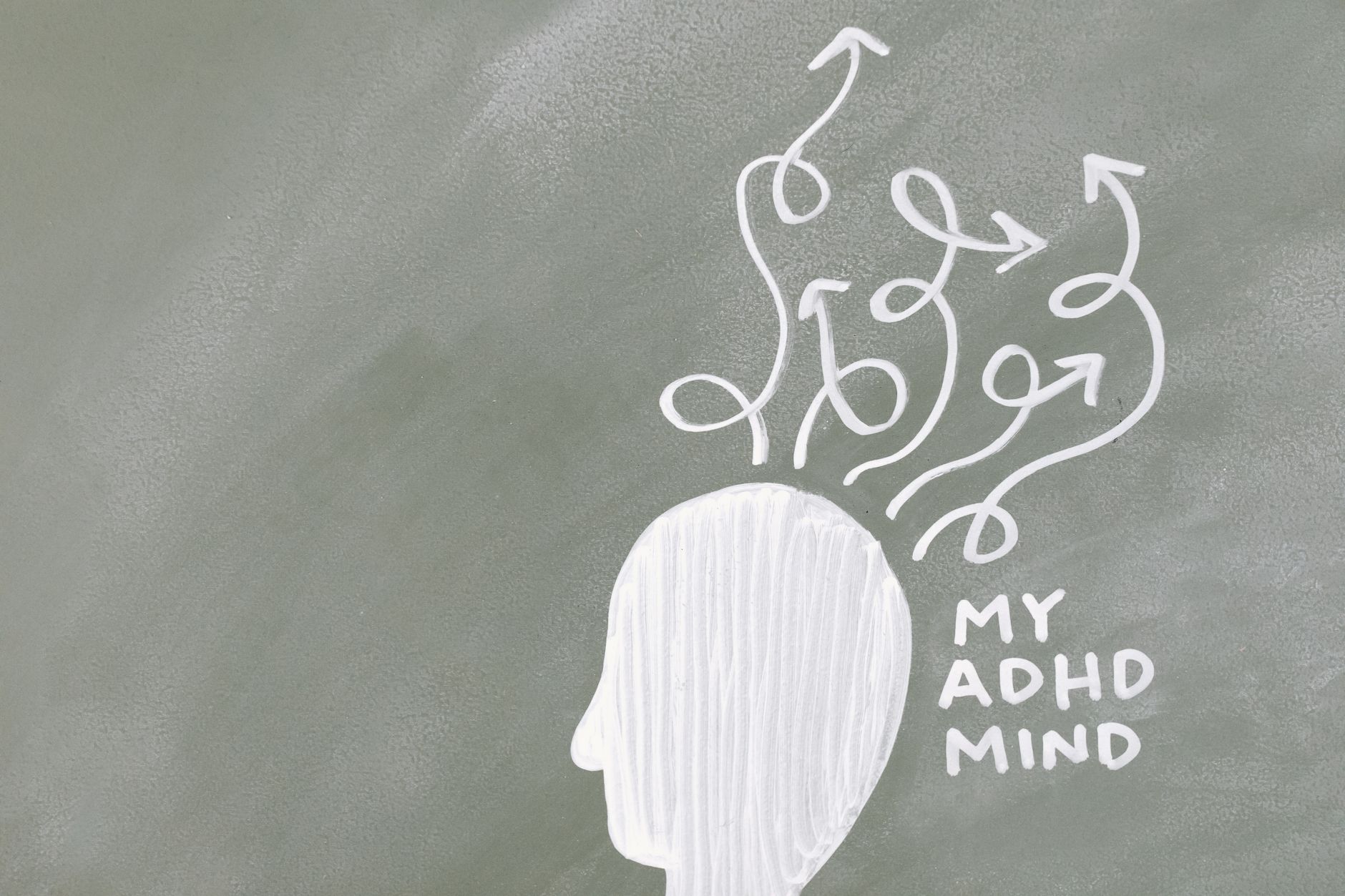
What Are Mood Disorders in Psychology?
Mood disorders in psychology are conditions where emotion, energy, and motivation stay disturbed for a long stretch, usually long enough to hurt daily life for 2 weeks, 1 month, or longer. In a psychology 110 introduction to psychology course, students learn that these are not just strong feelings; they are clinical patterns that show up again and again and often need attention.
The two broad families are depressive disorders and bipolar disorders, and that split shows up in almost every intro chapter on mood disorders. Depressive disorders focus on sadness, emptiness, low energy, and loss of interest. Bipolar disorders include periods of depression plus episodes of unusually high or irritable mood, often with more energy, less sleep, and faster speech.
The catch: A mood disorder changes how a person functions, not just how a person feels for an afternoon. That is why teachers, counselors, and clinicians look at sleep, school work, social life, and time span, not just one bad week after a breakup or a 3-day stretch of stress.
Students in psychology 110 often like this topic because it connects emotion, brain science, and real-life behavior in one place. I think that mix makes mood disorders a useful topic in introductory psychology, because it shows how a mind can struggle without any single obvious cause.
You will also see the term functional impairment, which means the mood problem gets in the way of normal tasks. Missing classes for 10 days, stopping hobbies for 6 weeks, or pulling away from friends all count as warning signs in the textbook sense.
How Are Mood Disorders Different From Mood Changes?
Normal mood changes usually match a clear event and fade within hours, days, or a few bad evenings, while mood disorders last longer and hit harder. A rough 1-day mood swing after poor sleep is not the same thing as a 2-week stretch of deep sadness, and intro psychology treats that difference very seriously.
Reality check: Intensity matters, but duration matters just as much. A student can feel nervous before a speech, excited after good news, or sad after a loss and still stay basically functional; a mood disorder starts breaking sleep, grades, appetite, focus, or relationships over 14 days, several weeks, or even months.
The impact on life is the real test. If a person keeps missing work 3 times a week, stops replying to friends, or cannot finish normal tasks they handled last semester, that pattern points beyond normal emotion. Mood changes come and go; mood disorders keep pressing on school, work, and family life until someone notices the pattern.
Students often make one big mistake here: they think strong emotion alone means disorder. I do not buy that shortcut. A person can cry for a day after a breakup, feel wired after a win, or worry through finals week and still sit outside any diagnosis.
The clinical concern starts when the mood shift stays, spreads, and blocks life for 2 weeks or more. That is why psychologists ask about time, severity, and damage instead of asking only, “Do you feel sad?”
Learn Introduction To Psychology Online for College Credit
This is one topic inside the full Introduction To Psychology course on UPI Study — a self-paced, online class that earns real college credit. Credits are ACE and NCCRS evaluated and transfer to partner colleges across the US and Canada. Courses start at $250 with no deadlines and lifetime access.
Browse Introduction Psychology →Which Main Mood Disorders Should Students Know?
Intro classes usually expect students to know 5 core mood disorders, and each one has a different mood pattern. The names sound similar at first, but the signs do not. That matters in a psychology 110 introduction to psychology course, where exams often test simple pattern recognition more than fancy wording.
- Major depressive disorder brings at least 2 weeks of low mood or loss of interest, often with sleep trouble, low energy, guilt, or poor focus.
- Persistent depressive disorder lasts much longer, often 2 years or more, with a milder but steady depressed mood and low self-worth.
- Bipolar I disorder includes at least 1 manic episode, which means a very high or irritable mood plus less sleep, fast speech, and risky choices.
- Bipolar II disorder includes hypomanic episodes and major depressive episodes, but not full mania.
- Cyclothymic disorder brings many ups and downs for 2 years or more, but the symptoms stay below full bipolar episode levels.
- Depressive disorders often show appetite change, fatigue, and slowed thinking, which can look like laziness if you miss the clinical picture.
- Bipolar disorders can include clear shifts between depression and elevated mood, and the contrast often shows up in sleep, speech, and spending.
Worth knowing: A student does not need to memorize every subtype on day 1, but the 5 names above show up constantly in textbooks, quiz banks, and exam reviews. The pattern matters more than the label, and I think that saves students from pure memorization panic.
Why Do Mood Disorders Develop in Psychology?
Mood disorders develop through a biopsychosocial mix, not one magic cause. Genes can raise risk, brain chemicals can shift mood regulation, and life stress can trigger symptoms when someone already has a vulnerable setup. Family studies often show higher risk when a parent or sibling has depression or bipolar disorder, which is why clinicians ask about family history early.
Stress and trauma matter too. A person who goes through 1 major loss, repeated conflict, or childhood abuse can carry that strain for years, and the nervous system can stay on alert long after the event ends. Sleep also plays a real role; even 5 or 6 short nights in a row can make mood worse, and chronic sleep loss can push symptoms higher.
Bottom line: No single cause explains most cases, and that is the point teachers want students to remember. One person may have a strong genetic load, another may face a big stressor at age 19, and a third may struggle after months of bad sleep and isolation. The causes can stack, and they can change across time.
Brain chemistry gets discussed a lot in intro psychology, but it does not work like a broken switch. Serotonin, dopamine, and other systems help shape mood, yet stress and behavior can push those systems around too. That is why a biopsychosocial view feels more honest than any one-factor story.
How Are Mood Disorders Recognized and Treated?
Clinicians recognize mood disorders by looking for a pattern across time, not by using one blood test or one scan. They ask about symptoms, how long they last, and whether the person’s life has changed for 2 weeks, 1 month, or longer. If sleep, school, work, or relationships fall apart, that functional loss becomes a major clue. The process also looks for episodes, since bipolar disorders depend on specific mood shifts, not just feeling sad or stressed.
- Psychotherapy, especially cognitive behavioral therapy, helps many people challenge harmful thought loops.
- Medication can help too, and doctors often use antidepressants, mood stabilizers, or both.
- Sleep, exercise, and regular routines matter because mood often gets worse when daily structure disappears.
- Crisis care can help during severe depression, suicidal thoughts, or mania that puts someone at risk.
What this means: Treatment often works best when people get help early, before symptoms stretch across months. A student who keeps missing class for 3 weeks or a worker who cannot sleep for 4 nights straight should not brush that off as “just stress.”
Frequently Asked Questions about Mood Disorders
Mood disorders in psychology are mental health conditions that mainly affect your mood for at least 2 weeks, 6 months, or longer, and they include major depressive disorder and bipolar disorder. You feel more than normal ups and downs, and symptoms can affect sleep, energy, and school work.
Mood disorders are more intense, last longer, and disrupt daily life, while normal mood changes usually pass in hours or days. If you can still sleep, study, and keep your routine, that points more toward normal stress than a mood disorder.
Most students try to memorize a list, but that doesn't stick; what actually works is sorting symptoms into depression, mania, hypomania, and mixed states. In a psychology 110 introduction to psychology course, that structure helps you match signs like low energy, risky behavior, and sleep changes.
The most common wrong assumption is that mood disorders mean 'just being sad' or 'just being happy,' but bipolar disorder includes distinct episodes that can last 4 days, 1 week, or longer. Depression can also show up as low energy, poor focus, and loss of interest, not only tears.
If you mix up mood disorders, you'll likely miss exam questions on symptoms, diagnosis, and treatment, and that can cost you points on a psychology 110 introduction to psychology course test. You also may confuse depressive disorders with bipolar disorders, which use different patterns of mood change.
What surprises most students is that mood disorders can show up as irritability, slowed thinking, or risky choices, not just sadness. Bipolar disorder can include hypomania, which can feel productive at first, while major depression can look like constant fatigue or sleep problems.
Mood disorders in psychology apply to teens, adults, and college students who have lasting depressive or bipolar symptoms, and they don't describe a single bad day, exam stress, or grief after a loss. The pattern has to be persistent, and clinicians look at duration, severity, and daily impact.
Start with the two main groups: depressive disorders and bipolar disorders, then list 3 signs for each, like sleep change, low energy, or mania. That first step helps you study online for a psychology 110 introduction to psychology course without mixing up the terms.
Mood disorders are recognized through symptom patterns, time length, and impact on daily life, not by one test or blood scan. A clinician looks for at least 2 weeks of depression or distinct manic and hypomanic episodes, then checks history and behavior.
Mood disorders usually come from a mix of genes, brain chemistry, stress, and life events, and no single cause explains every case. Family history raises risk, and sleep loss, trauma, and long stress can trigger symptoms in some people.
Mood disorders are treated with therapy, medication, or both, and common options include CBT for depression and mood stabilizers for bipolar disorder. Treatment plans also often include sleep routines and regular follow-up, because symptoms can shift over time.
Some schools give college credit for an online course that includes mood disorders, especially when it carries ace nccrs credit or transferable credit through a recognized provider. You can study online, cover depression and bipolar disorder, and finish with material that fits intro psych requirements.
Final Thoughts on Mood Disorders
Mood disorders in psychology sit at the point where everyday emotion turns into a lasting clinical pattern. That is why intro psychology treats them with care. A bad day, a stressful week, a breakup, or a burst of excitement can all change mood, but those shifts usually move with life events and fade in a short span. Mood disorders keep going, and they start affecting sleep, focus, energy, school, work, and relationships. The main split is still the one students should remember first: depressive disorders versus bipolar disorders. From there, the labels get more specific, like major depressive disorder, persistent depressive disorder, bipolar I disorder, bipolar II disorder, and cyclothymic disorder. Each one has its own mood pattern, but all of them involve more than ordinary emotion. Causes also do not come from one clean source. Genes, stress, trauma, family history, and sleep loss can all pile up over time, and that mix explains why two people can face the same event and react very differently. That part can feel messy, but psychology often works that way. Recognition starts with patterns, duration, and impairment. Treatment usually mixes therapy, medication, routine support, and crisis help when the risk gets high. If you are studying this for a class, focus on the pattern first, then the symptoms, then the causes, and you will read the chapter with a lot more confidence.
How UPI Study credits actually work
Ready to Earn College Credit?
ACE & NCCRS approved · Self-paced · Transfer to colleges · $250/course or $99/month