
The main types of therapy in psychology are psychotherapy, cognitive-behavioral therapy, psychodynamic therapy, humanistic therapy, and group or family therapy. Each one treats distress in a different way, and each one fits different problems, goals, and settings. Many students hear the word “therapy” and picture one thing. That guess misses how broad the field really is. Some approaches focus on thoughts in the present. Some focus on old patterns from childhood. Some focus on self-worth, relationships, or the whole family system. In a psychology 110 introduction to psychology course, teachers usually frame therapy as treatment that uses a plan, a method, and a target problem, not just a friendly talk. That matters because the types of treatment of therapies available can look similar from far away but work very differently in practice. A student studying for class, a future counselor, or a pre-med student comparing careers all need the same basic map: what the therapy targets, how sessions work, and where people use it most. Once you separate the labels, the picture gets much clearer. CBT, for instance, does not aim at the same thing as psychodynamic therapy, and family therapy does not work like solo talk therapy. Those differences shape everything from session length to homework to the kind of change a therapist expects.
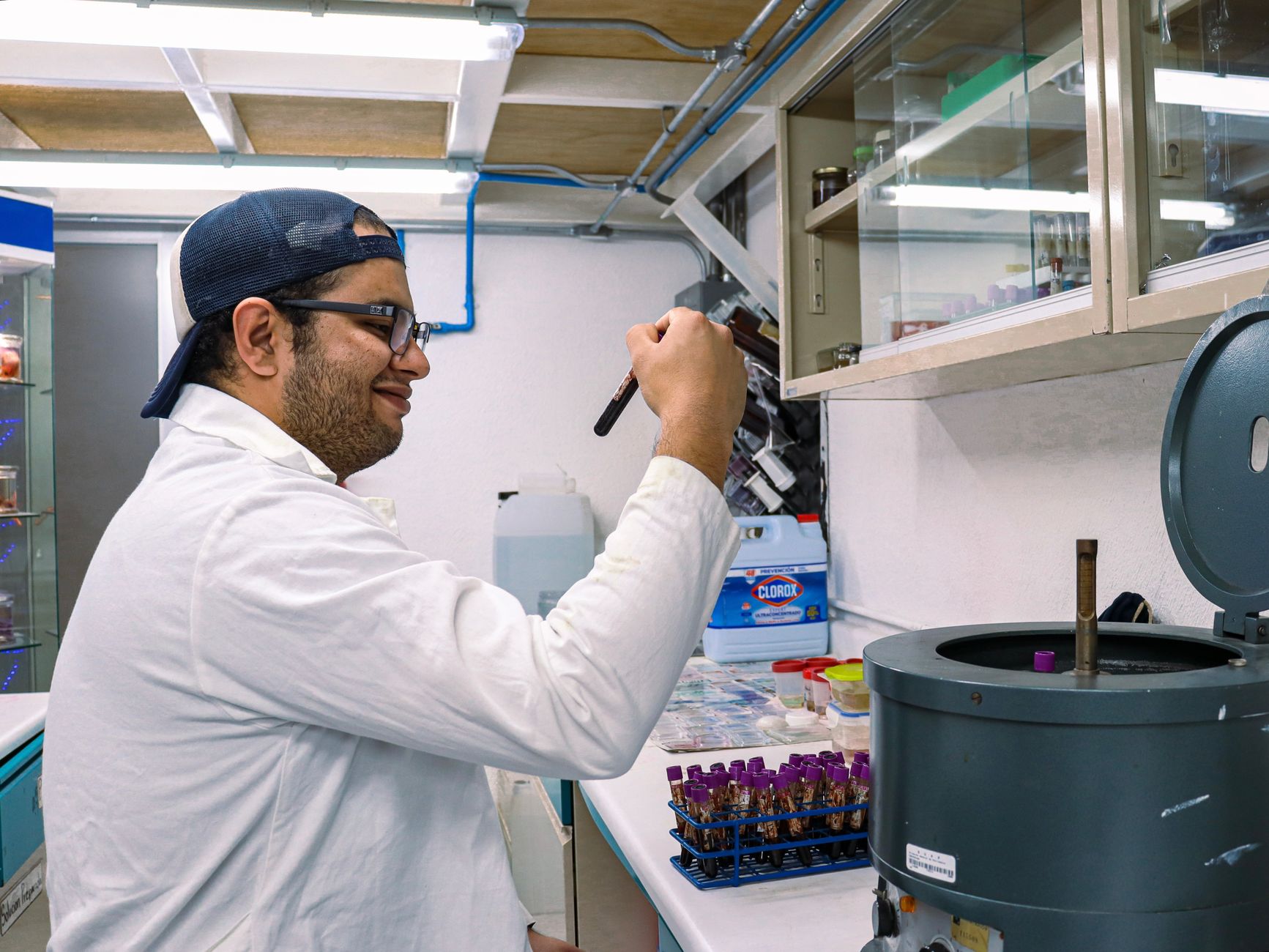
What Are The Main Types Of Therapy?
The main types of therapy in psychology are psychotherapy, cognitive-behavioral therapy, psychodynamic therapy, humanistic therapy, and group or family therapy, and each one uses a different mix of goals, methods, and settings. In an intro class like psychology 110 introduction to psychology, teachers often sort them by what they try to change: symptoms, thoughts, emotions, relationships, or self-understanding.
The catch: Most people use “therapy” as one loose word, but the field has a lot more structure than that. A therapist might meet one person for 50 minutes, see a couple for 75 minutes, or run a 90-minute group with 6 to 10 people. That setup changes the whole feel of treatment. I think that detail matters because the room, the time, and the goal shape the method as much as the theory does.
Psychology students should treat therapy types like different tools, not rival teams. Psychotherapy can mean broad talk-based care. CBT stays tight and skill-based. Psychodynamic work looks for patterns that started years ago. Humanistic therapy puts growth and self-acceptance first. Family and group therapy add other people to the process, which can help when the problem lives inside a relationship or a shared system. A student who wants transferable credit in a college credit online course will often see these labels in chapter headings, test items, and case studies, because instructors love asking which method fits a certain problem.
Reality check: Not every therapy type has the same evidence base for every disorder. CBT has strong support for anxiety and depression, while other approaches often work better for insight, support, or relationship change. That does not make one “better” in every case. It just means the match matters.
A good way to read the field is to ask three questions: What does this therapy target? How does the therapist work? Where does it fit best? Answer those, and the labels stop sounding fuzzy. A student can then compare a 12-week CBT plan with open-ended psychodynamic work or a 10-session family model without getting lost in jargon.
How Does Psychotherapy Work In Psychology?
Psychotherapy is the broad term for talk-based treatment that aims to reduce distress, improve daily functioning, and help people understand thoughts, emotions, and behavior. In many college courses, it appears as the umbrella for treatments that may last 6 weeks, 6 months, or longer, depending on the problem and the plan.
The therapist-client relationship sits at the center of psychotherapy. Trust matters. So does structure. A session often runs 45-50 minutes, starts with a check-in, and ends with a plan for what to watch or practice before the next meeting. That format sounds simple, but it gives therapy shape, and people often need that shape when life feels scrambled. Confidentiality also matters, though safety limits apply in every state in the U.S. and in many Canadian provinces.
Worth knowing: Psychotherapy can look warm and open or direct and task-focused, and both styles count. A client may talk about grief, panic, school stress, or relationship fights in the same 50-minute hour, but the therapist keeps the session tied to a clear goal. That range is why the word “psychotherapy” can feel slippery in textbooks.
A lot of students in an online course miss the practical side. Psychotherapy does not just mean “talking about feelings.” It uses listening, reflection, goal setting, behavior change, and sometimes worksheets or coping practice. Some therapists focus on the present. Others ask about childhood, loss, or attachment. That split changes the whole tone of treatment, and I think that tone matters more than people admit.
The downside is simple: psychotherapy can take time, and the first session may feel awkward. People often need 3 to 5 visits before they feel the rhythm of the work. Still, that awkward start often turns into a real working alliance, which is the part many textbooks describe but few students picture clearly.
If you want a course example, Introduction to Psychology usually treats psychotherapy as the base layer that helps explain every other therapy type.
Which Problems Does CBT Target Best?
Cognitive-behavioral therapy targets distorted thinking, unhelpful behavior patterns, and the loop that keeps symptoms going, and it often works best for anxiety, depression, phobias, and stress management. Many CBT plans run in 8 to 20 sessions, which makes it one of the more structured treatments students see in psychology 110 introduction to psychology course material.
CBT works by linking thoughts, feelings, and actions. A person might write a thought record after a panic episode, test a fear through exposure, or use behavioral activation to rebuild routine after depression. These are not vague ideas. They are concrete tasks. Homework matters here, and that makes CBT feel more like skills training than open-ended talk. I like that honesty. The therapy says, “Let’s test the thought,” instead of just circling around it.
Bottom line: CBT aims for symptom change in the present, not a long search through the past. That focus makes it fast enough for people who need a plan and specific enough for study guides and exams. A student comparing therapy types should notice that CBT uses measurable targets, like fewer panic attacks per week or lower avoidance in a 0-10 stress rating.
The limits show up too. CBT can feel too structured for someone who wants more space to explore childhood, grief, or identity. Some clients like the clear steps, while others find the worksheets a little cold. That reaction does not mean CBT fails; it means fit matters.
For course work, Research Methods in Psychology helps explain why CBT gets so much research attention, because it uses clear outcomes and repeatable methods that researchers can measure.
Learn Introduction To Psychology Online for College Credit
This is one topic inside the full Introduction To Psychology course on UPI Study — a self-paced, online class that earns real college credit. Credits are ACE and NCCRS evaluated and transfer to partner colleges across the US and Canada. Courses start at $250 with no deadlines and lifetime access.
See Introduction To Psychology →How Do Psychodynamic And Humanistic Therapies Differ?
Psychodynamic therapy and humanistic therapy both go deeper than symptom lists, but they push change in very different ways. Psychodynamic work looks for hidden patterns, old conflicts, and repeats from early life. Humanistic therapy focuses on growth, choice, and the person’s own sense of meaning, usually in a warmer, more accepting room.
| Row | Psychodynamic Therapy | Humanistic Therapy |
|---|---|---|
| Core target | Unconscious conflict, defense, repeat patterns | Self-worth, growth, authenticity |
| Time focus | Past shapes present | Present experience and future growth |
| Therapist role | Interpretive, reflective, less direct | Genuine, empathetic, nonjudgmental |
| Common techniques | Free association, analysis of transference | Active listening, unconditional positive regard |
| Typical use | Long-term patterns, relationship issues | Self-esteem, life transitions, personal growth |
| Session style | Often open-ended, 45-50 minutes | Often client-led, 45-60 minutes |
What this means: A student who wants to compare them should ask whether the therapy seeks insight into old patterns or space for personal growth right now. Psychodynamic therapy can take months or years, while humanistic therapy often feels more immediate and person-centered. Both can help, but they solve different problems, and that difference is easy to miss on a test.
If you want a second course-style reference, Abnormal Psychology usually shows where each therapy fits across mood disorders, anxiety, and long-term personality patterns.
When Do Group And Family Therapies Help Most?
Group and family therapies help most when the problem sits inside relationships, because they bring more than one person into the same 45- to 90-minute session. They work well for communication problems, conflict, shared coping, addiction recovery, grief, and parent-child stress, especially when 2 or more people keep tripping over the same pattern.
Family therapy looks at the whole system, not just one “identified patient.” That idea matters in homes where arguments repeat, rules stay unclear, or one person’s symptoms affect everyone else. Group therapy works a little differently. A therapist may meet 6 to 12 people who share a concern, like social anxiety or substance use, and the group itself becomes part of the treatment. People hear feedback, practice skills, and realize they are not the only ones dealing with the mess.
Reality check: These formats can feel uncomfortable at first, and that is normal. People may hate talking in front of others, especially in the first 2 or 3 sessions. Still, that discomfort can become a feature, not a bug, because the room gives instant feedback that solo therapy cannot.
I think group and family work gets underrated because students picture therapy as one chair and one client. That image leaves out a huge part of psychology. A couple fighting over trust, siblings locked in the same argument, or peers working through relapse prevention all need a different setup.
The downside shows up fast: scheduling 4 people or 8 people is harder than scheduling 1. But when the problem belongs to the relationship, the relationship has to sit in the room.
How Should Psychology Students Compare Therapy Types?
Students in a psychology 110 introduction to psychology course can compare therapy types by asking five things: what problem the therapy targets, what method it uses, how structured it feels, whether it looks backward or forward in time, and what evidence supports it. That frame helps on exams and in real decisions because therapy types often look similar in a short textbook paragraph but act very differently in a 50-minute session. A student comparing college credit options or an online course can use the same habit: read for the target, the tool, the time focus, and the outcome.
- Symptom reduction: CBT often targets anxiety, depression, and phobias in 8-20 sessions.
- Insight focus: psychodynamic therapy looks for hidden patterns, defenses, and old conflicts.
- Growth focus: humanistic therapy centers self-acceptance, meaning, and personal choice.
- Relationship focus: family and group therapy treat the system, not just one person.
- Structure level: homework-heavy CBT feels tighter than open-ended psychotherapy.
A good exam cue is this: present-focused treatments usually aim at change you can measure soon, while insight-focused treatments often aim at deeper pattern shifts that take longer. Another cue: individual therapy works on one person’s inner life, while relational therapy works on the space between people. That split shows up again and again in psychology 110 introduction to psychology course questions, and it rewards students who read carefully instead of memorizing names alone.
Frequently Asked Questions about Psychological Therapy
Most students name therapy types by memory, but what works is sorting them by target: thoughts, behavior, emotions, relationships, or family patterns. Psychotherapy is the broad name for talk-based treatment, while CBT, psychodynamic therapy, humanistic therapy, and family or group therapy each focus on different problems and goals.
If you pick a therapy that fits the wrong goal, you can waste 6 to 12 sessions on methods that don't match your problem. CBT fits skill-building for anxiety and depression, while psychodynamic therapy fits deeper pattern work, so the match matters fast.
This applies to you if you're comparing the types of treatment of therapies available for stress, depression, anxiety, trauma, or relationship issues, but it doesn't fit if you only want a medical diagnosis or medication plan. Therapy types help with treatment goals, not lab tests or scans.
What surprises most students is that psychotherapy isn't one method; it's the umbrella term for talk therapy across many styles. A student in psychology 110 introduction to psychology often learns that CBT, psychodynamic therapy, and humanistic therapy all sit under that larger label.
$0 to a few hundred dollars is the usual range for a psychology 110 introduction to psychology online course, depending on whether you want college credit, ace nccrs credit, or a self-paced class. If you study online for transferable credit, the price often changes with the school and term.
The most common wrong assumption is that all therapy works the same way. CBT uses structured thought records and homework, psychodynamic therapy looks at early patterns and defense mechanisms, and humanistic therapy uses empathy and self-exploration, so the methods look very different.
Start by writing down your goal in one line: change thoughts, change behavior, understand patterns, improve family communication, or get group support. Then match that goal to one of the major types of therapy in psychology before you compare time, format, and common uses.
No, CBT is one form of psychotherapy, and psychotherapy is the broader class. CBT usually uses 8 to 20 sessions for focused problems, while psychodynamic therapy often runs longer and group or family therapy uses the relationships in the room as part of treatment.
You can study the main types in a psychology 110 introduction to psychology course and still earn transferable credit if the class carries ACE and NCCRS credit. That path usually covers psychotherapy, CBT, psychodynamic therapy, humanistic therapy, and family or group therapy in one course.
Group therapy brings together unrelated people with a shared issue, like anxiety or addiction, while family therapy works with relatives who share a problem at home. Group sessions often use peer feedback, and family sessions focus on roles, conflict, and communication patterns.
Final Thoughts on Psychological Therapy
Therapy in psychology is not one thing, and that is the part students need to remember. Some approaches aim at symptoms, some aim at insight, and some aim at the relationships around the person. CBT often looks direct and measurable. Psychodynamic therapy reaches for old patterns. Humanistic therapy leans on growth and acceptance. Group and family therapy shift the unit of treatment from one person to a whole system. That mix matters in class and outside class. A student studying for an exam has to know the labels, but a student thinking about real care has to ask which method fits the problem. A panic disorder, a family conflict, a slump after loss, and a long-running identity struggle do not call for the same kind of help. Therapists do not pick methods by mood. They pick them by target, format, and evidence. The smartest way to study these topics is to build a small comparison chart with five columns: target, method, time focus, setting, and common use. That takes 10 minutes and beats rereading the chapter three times. Once you can sort the therapies fast, the whole chapter stops feeling like a pile of names and starts looking like a system. Use that system the next time you see a case study, a quiz question, or a conversation about mental health, and the labels will start doing real work for you.
How UPI Study credits actually work
Ready to Earn College Credit?
ACE & NCCRS approved · Self-paced · Transfer to colleges · $250/course or $99/month