
Observational learning means you learn by watching someone else act first. You do not need to touch the stove, miss the shot, or make the mistake yourself. In psychology, that idea sits right next to modeling, imitation, and social learning, and it shows up early in psychology 110 introduction to psychology course material because it explains how people pick up habits fast. A child watches an older sibling tie shoes. A new employee watches a coworker calm an upset customer. A student watches a classmate solve 3 practice problems in a row and copies the same method on the next quiz. That is observational learning in action. The watcher does not just see behavior; the watcher also sorts it, remembers it, and decides whether it looks worth copying. Albert Bandura made this idea famous through his work on social learning, and his name still matters in 2026 because instructors keep testing it. The best part is that observational learning explains both useful habits and bad ones. People copy study routines, speech patterns, and sports moves. They also copy rude jokes, risky shortcuts, and bad driving. That mix makes the topic feel very human. It also makes the topic easy to spot once you know what to look for. The trick is to separate simple exposure from actual learning, because a person can watch 10 times and still not change behavior if attention, memory, skill, or motivation falls apart.
What Is Observational Learning in Psychology?
Observational learning in psychology means you pick up a new behavior by watching someone else do it, then using that model as a guide instead of learning only through trial and error. That idea sits at the center of Albert Bandura’s work, and it appears in psychology 110 introduction to psychology course material because it explains how people learn fast in classrooms, homes, and jobs.
Modeling happens when one person shows the behavior first. Imitation happens when another person copies it. Those two words sound small, but they carry a lot of weight in intro psychology. A 5-year-old who watches a parent say “please” may repeat the same phrase at dinner. A first-year college student who watches a classmate make flashcards from 12 lecture terms may start using the same method before the next exam. The learning starts with observation, not with direct reward.
That part matters. Observational learning does not mean blind copying. A person has to notice the behavior, store it, and decide whether it looks useful. Some students hear the phrase and think it only means “copying,” but that misses the point. People often learn the pattern behind a behavior, not just the surface move. A driver may watch someone merge safely on a crowded road and then adopt the timing, not the exact hand motion. That difference sounds small, but it separates simple mimicry from real learning.
Bandura’s famous Bobo doll studies in the 1960s showed that children can learn aggressive acts after watching adults model them. That research still gets used because it shows a hard truth: watching can teach as much as doing. I think that makes observational learning one of the sharpest ideas in psychology, because it explains how good habits spread and how bad ones spread just as fast.
How Do Attention, Memory, and Reproduction Work?
Observational learning only works when four steps happen in order: attention, retention, reproduction, and motivation. Miss one step, and the whole thing can fall apart even if you watched the behavior 20 times.
- Attention comes first. You have to notice the behavior, and loud music, a phone ping, or a crowded room can pull your focus away in 5 seconds.
- Retention means you store what you saw in memory. If you forget the steps after 10 minutes, you cannot use them later.
- Reproduction means you can physically or mentally copy the behavior. A student may remember a math method but still fail to draw the graph correctly on a test.
- Motivation decides whether you bother copying it. If the reward looks small, or the cost looks high, you may not act even when you remember the model clearly.
- Skill limits can block imitation too. A child might understand a basketball move after 1 demo, but still miss the timing because the body has not caught up.
The catch: Watching a behavior does not equal learning it. A person can stare at a 2-minute demo, memorize the steps, and still fail at the moment of action if they lack the right skill or focus.
The order matters more than people think. Attention gives the brain raw material, memory keeps it alive, reproduction turns it into action, and motivation pushes it into the real world. That sounds neat on paper, but real life gets messy fast. A student may watch a lab partner highlight notes in yellow, remember the method, and still skip it because the exam sits 3 weeks away and the payoff feels distant. That is not laziness; it is a weak motivation chain. Psychology loves that kind of detail because it shows how learning can break in different places, not just one.
Learn Introduction To Psychology Online for College Credit
This is one topic inside the full Introduction To Psychology course on UPI Study — a self-paced, online class that earns real college credit. Credits are ACE and NCCRS evaluated and transfer to partner colleges across the US and Canada. Courses start at $250 with no deadlines and lifetime access.
Explore on UPI Study →Why Do Rewards and Punishments Change Imitation?
People copy behaviors more often when they see someone get rewarded for them, and they copy less when they see someone get punished. Psychologists call the first pattern vicarious reinforcement and the second vicarious punishment, and both show up in Bandura’s classic work from the 1960s.
That matters because the observer does not need the reward personally. A 19-year-old in a dorm room may watch a roommate get praised for speaking up in class, then start raising a hand in the next 2 lectures. A younger sibling may see an older sibling get grounded for sneaking out and decide not to try it. The brain tracks other people’s outcomes and uses them like shortcuts. That is why observational learning links so closely to social influence. People do not just copy actions; they copy actions that seem to work.
Reality check: Reward and punishment rarely act like simple switches. A behavior can look cool, safe, or popular and still fail to spread if the observer thinks the cost is too high or the payoff feels fake.
This is where ordinary imitation becomes something deeper. A person who copies because of praise, money, applause, or approval has learned a rule about the world, not just a motion. A new employee may watch a coworker get a $25 gift card for using a fast customer script and then use the same script on the next shift. That is not mindless copying. That is a cost-benefit guess made from somebody else’s outcome.
The downside shows up fast too. Bad behavior can spread when it gets laughs, likes, or status. That is why observational learning feels so powerful and a little unsettling. It explains why groups can change fast without a single direct lecture.
Which Real-Life Examples Show Observational Learning?
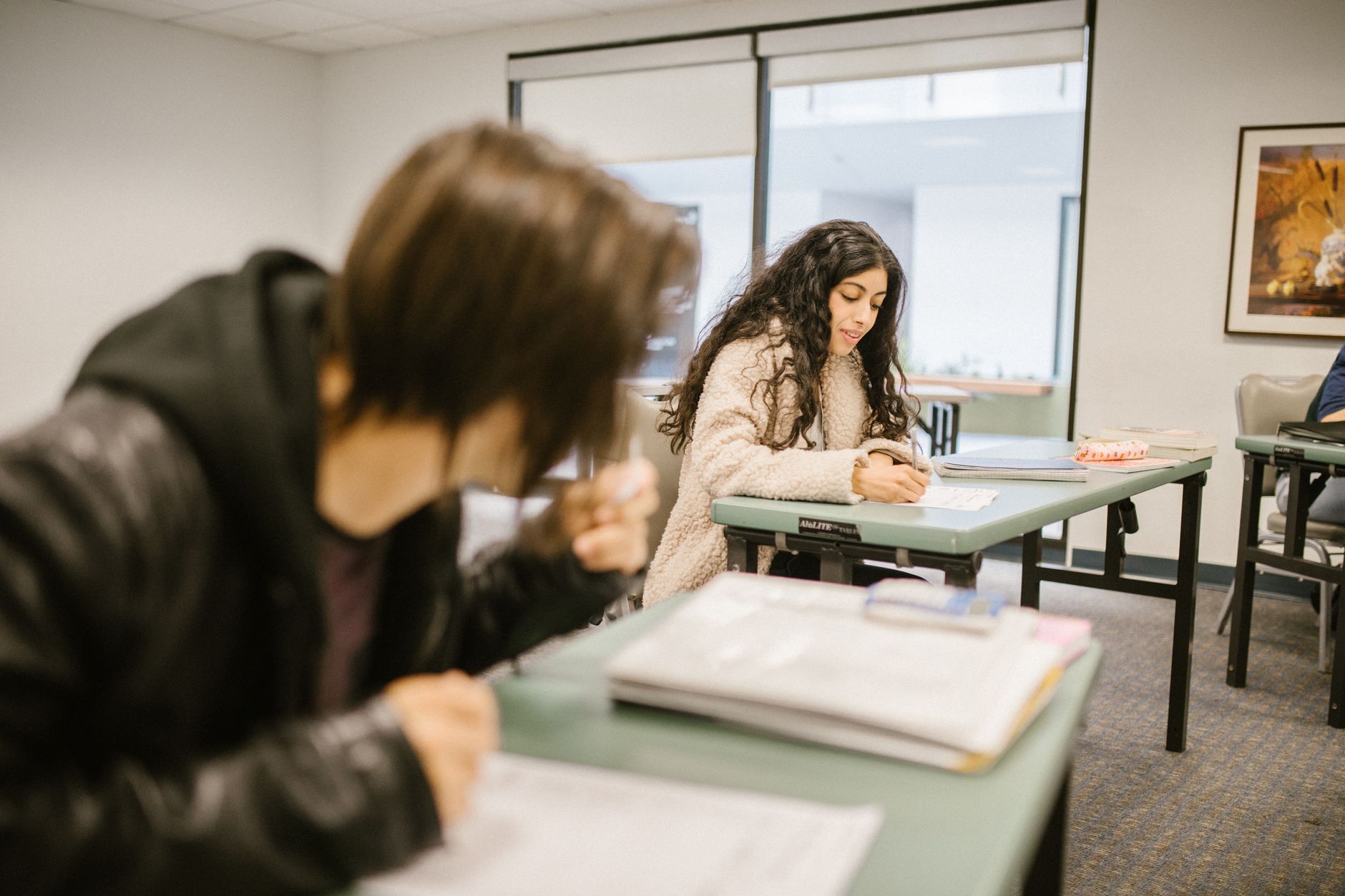
A real example makes the idea click. In a psychology 110 introduction to psychology course, a first-year student may watch a classmate use 3-color flashcards, then copy the same study routine before the next 50-question quiz. The student does not invent the method from scratch. The student watches one person, notices the payoff, and borrows the pattern. That same process shows up in homes, offices, and online lessons, especially when people study online and can replay a recorded explanation 2 or 3 times.
Worth knowing: A single model can change behavior fast, but the observer still chooses what to keep and what to drop.
- A 4-year-old copies a parent’s table manners after 1 week of dinner observation.
- An office worker learns a shortcut by watching a coworker finish a task in 2 minutes.
- A student in an Introduction to Psychology course copies a note-taking style after one 30-minute recorded lecture.
- A soccer player imitates a coach’s warm-up drill after seeing it used in 5 practices.
- A commuter avoids a risky move after watching a driver get honked at in traffic.
These examples show why observational learning matters beyond school. Children pick up speech patterns, adults copy workplace habits, and online learners borrow strategies from a screen. This topic treats people as social learners, not empty notebooks. That sounds obvious, but psychology keeps proving it with real behavior.
How Is Observational Learning Tested in Psychology?
Intro psychology exams often test observational learning with short examples, and 1 question can turn on a single word like modeling, imitation, or reinforcement. In a 10-question quiz, that tiny distinction can decide whether you get full credit or miss the point.
- Look for modeling when one person shows a behavior first and another person copies it later.
- Separate observation from direct reinforcement. If someone watches a reward happen to another person, that points to vicarious reinforcement.
- Spot imitation when the observer repeats the exact act, like copying a teacher’s 3-step problem-solving method.
- Watch for course language in a psychology 110 introduction to psychology course, especially if the item comes from an online course or an ace nccrs credit module.
- Use the idea to answer college credit questions about why a behavior changed without direct practice.
- Transferable credit exams often ask you to match a real scene to the right term, not just define the term.
- A test may ask whether a person learned from a 15-minute demo, which checks attention, memory, and reproduction all at once.
The hardest questions do not ask for a definition. They ask you to read a situation and name the process. That is fair, because psychology cares about how people behave in the wild, not just how they memorize labels. One good study move: read each example and ask, “Did this person learn by watching, or did they only see something happen?”
Frequently Asked Questions about Observational Learning
You miss how people learn from watching a model, and you’ll likely mix it up with trial-and-error learning on a 20-point quiz or a 50-question exam. Observational learning depends on attention, memory, reproduction, and motivation, not just copying what you see.
Most students assume observational learning means blind imitation, but psychology says you only copy a behavior after you notice it, store it, can perform it, and want the result. Bandura’s work on modeling showed that a reward or punishment can change whether you copy the act.
A single model can matter a lot in a 3-unit psychology lesson, and the effect often shows up fast in children and adults alike. In psychology 110 introduction to psychology, you study how attention, memory, reproduction, and motivation work together, and you can earn college credit in an online course that includes ACE NCCRS credit or transferable credit.
Start by matching the term to the four parts Bandura named: attention, retention, reproduction, and motivation. Then look for a psychology 110 introduction to psychology course that lets you study online and lists college credit, ace nccrs credit, or transferable credit in the course details.
No, observational learning in psychology means you learn by watching a model, but imitation is only the copying part. You can observe a behavior, remember it for 10 minutes or 10 days, and still not copy it if you lack motivation or the skill to reproduce it.
Most students are surprised that rewards and punishments can change what you copy even when two people watch the same behavior. A child may copy a classmate’s joke after praise, but skip the same joke after a teacher’s warning, which shows why consequences matter.
Most students memorize the word 'model' and stop there, but what works is linking a real example to the four-step process and a reward cue. In psychology 110 introduction to psychology course work, that means you name attention, memory, reproduction, and motivation in the same answer.
This applies to anyone who learns from watching others, including children, teens, and adults in classrooms, homes, and workplaces; it doesn’t fit cases where no model appears at all. You still need attention and memory, so a person who never notices the behavior won’t learn it.
Modeling is the example you watch, and observational learning is the process you use to learn from that example. Albert Bandura tied both ideas to his Bobo doll studies in the 1960s, where children copied aggressive acts after seeing an adult model them.
Rewards raise the chance that you’ll copy a behavior, and punishments lower it because they shape motivation. If you see a classmate praised for speaking up in a 30-student class, you’re more likely to try it; if you see them get scolded, you may hold back.
Observational learning is learning by watching a model, storing what you saw, and copying it only when you can reproduce it and want the outcome. In a college credit psychology 110 introduction to psychology course, that sentence covers attention, memory, reproduction, and motivation with one clean definition.
Final Thoughts on Observational Learning
Observational learning sounds simple until you break it apart. Then you see the moving pieces: attention, memory, reproduction, and motivation. You also see why people do not copy everything they watch. A behavior has to stand out, stick in memory, feel doable, and seem worth the effort. This topic keeps showing up in psychology classes, exam questions, and everyday life. It explains why children pick up speech, why coworkers share shortcuts, why students borrow study methods, and why a reward or punishment can change what spreads through a group. Bandura’s idea still feels fresh because it treats learning as social, not isolated. If you want to study this topic well, start with one real example from your own day. Watch what people around you do, ask what got your attention, and notice what made you copy it or skip it. That habit will make the theory stick faster than memorizing a definition alone.
How UPI Study credits actually work
Ready to Earn College Credit?
ACE & NCCRS approved · Self-paced · Transfer to colleges · $250/course or $99/month