
Urbanization in sociology means people move from rural areas to cities, and urban places grow in size, density, and influence over time. In a sociology 101 introduction to sociology course, that shift counts as more than city building. It changes jobs, family life, housing, power, and the way people relate to strangers. A city does not just get bigger on a map. It changes how people live day to day. A town of 8,000 and a metro area of 8 million do not work the same way, and sociologists care about that gap. They look at who arrives, who leaves, who gains access to schools and transit, and who gets stuck with crowded housing or long commutes. Urbanization also links to big social patterns. Industrial growth can pull workers in. War, drought, and farm changes can push people out. Once people settle in cities, they build new networks, face new rules, and often meet more inequality than they expected. That is why urbanization sits right in the middle of sociology 101 introduction to sociology. It shows how population change, social class, and community structure all connect in one place.
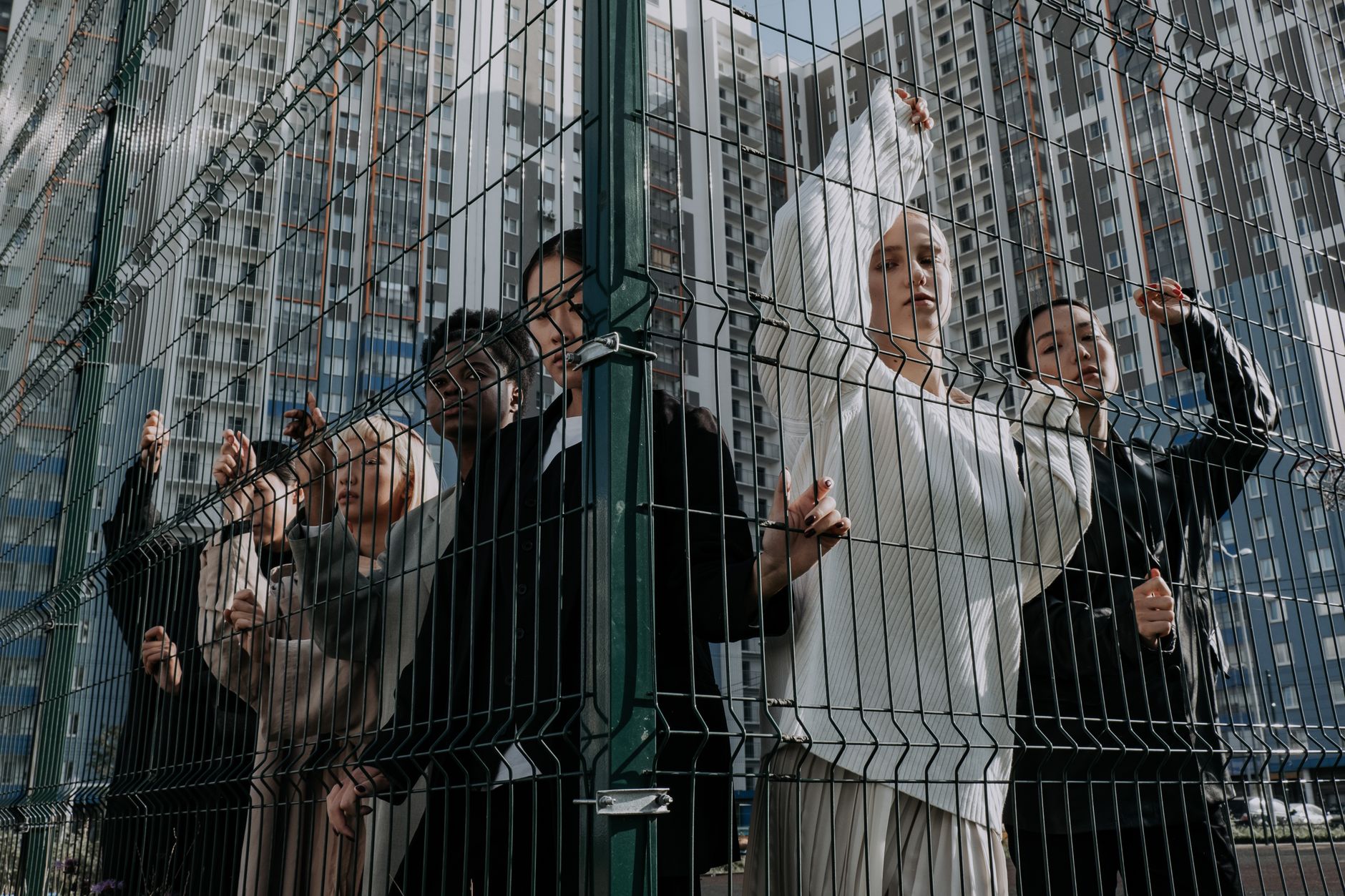
What Is Urbanization in Sociology?
Urbanization in sociology means a population shift from rural areas to cities, along with the rise of urban ways of living. In a sociology 101 introduction to sociology class, that definition covers both people and place, because a city of 500,000 changes society in ways a farming district of 5,000 does not.
Sociologists do not treat urbanization as simple city sprawl. They study it as a demographic process and a social change that changes work, housing, transport, family ties, and daily routines. A place can add 100,000 residents in 10 years and still feel different from a city that grows slowly over 50 years.
The catch: Urbanization is not just about buildings; it changes how strangers, neighbors, and institutions interact in the same 24-hour day. That matters in sociology because the move from rural life to urban life changes what people expect from schools, police, markets, and local government.
A student in a sociology 101 introduction to sociology course might read urbanization next to class, race, and social class because the process shapes all three. I think that link matters more than the textbook usually admits. Cities do not grow in a clean, even way, and the social costs often show up first in rent, commute time, and crowded public services.
The idea also works across countries. In the United States, about 80% of people live in urban areas, while many countries in Africa and Asia still have much faster urban growth rates. That mix gives sociologists a sharp way to compare how city growth changes life in Mexico City, Lagos, and Chicago without pretending those places face the same pressures.
Why Does Urbanization Happen?
Urbanization happens because people chase jobs, schools, safety, and services, while rural areas sometimes push them out through poverty, conflict, or weak infrastructure. A factory opening in 1950, a new rail line, or a 2024 drought can all move thousands of people toward the same city.
Industrial jobs still drive a lot of city growth. When factories, logistics hubs, hospitals, and tech firms cluster in one metro area, wages often rise faster there than on farms or in small towns. That pull gets stronger when a city has a university, a port, or a subway system that cuts travel time to 30 minutes instead of 2 hours.
Reality check: Push and pull work together, and that mix gets messy fast. A rural family may leave because harvest income dropped by 20%, but they may choose a city because it offers public schools, bus routes, and a chance at a steadier paycheck.
Education also matters. A city with a large public university, a medical center, or a technical college can attract students and workers who want more than local farm or seasonal jobs. That is one reason urbanization often speeds up after major infrastructure projects, like a new highway, a light-rail line, or a water system that serves 300,000 people.
Conflict and environmental pressure add another layer. People leave after war, land loss, flooding, or long droughts, and they often land in the nearest city first. I think this cause gets ignored too often in basic classes, even though it explains a huge share of fast urban growth in places facing climate stress.
A city can look like opportunity from far away, but the move usually starts with pressure, not hope alone.
Learn Introduction To Sociology Online for College Credit
This is one topic inside the full Introduction To Sociology course on UPI Study — a self-paced, online class that earns real college credit. Credits are ACE and NCCRS evaluated and transfer to partner colleges across the US and Canada. Courses start at $250 with no deadlines and lifetime access.
See Introduction To Sociology →How Does Urbanization Change Community Life?
Dense city life changes daily relationships because people see more strangers, share smaller spaces, and move through crowded systems with 1,000 other people instead of 100. That shift can weaken face-to-face ties, but it can also create new support networks based on work, school, religion, or shared identity. In a city, community does not disappear; it just stops looking like the village model many people imagine.
- Neighbors may know each other less, but they often rely on 24-hour transit, apps, and shared buildings.
- More anonymity can free people from old gossip, especially in cities over 1 million residents.
- New support can come from clubs, churches, tenant groups, or immigrant associations with 500+ members.
- Family patterns often shift toward smaller households and dual-income homes, especially where rent eats 30% or more of income.
- Close-knit rural ties give way to diverse urban networks that mix age, race, class, and language in one block.
Worth knowing: Urban life can feel freer and lonelier at the same time, and sociology does not pretend those two things cancel each other out. Some people love the privacy. Others miss the built-in help that came with small-town life.
A city also changes what counts as a normal relationship. In a rural place, one family may depend on the same church, store, and school for 20 years. In a city, one person may switch neighborhoods, jobs, and friend groups every 18 months, which can make life flexible but also unstable.
That instability matters. It shapes how people trust one another, how they ask for help, and how they raise kids when both parents work night shifts or split commutes across 2 bus lines.
What Inequality Does Urbanization Create?
Urbanization often brings growth that looks shiny from the outside but feels uneven on the ground. A city can add 50,000 new jobs and still leave thousands of people unable to afford a one-bedroom apartment, which is why sociologists watch housing, wages, and access together.
Housing shortages sit near the center of the problem. When rents rise faster than pay, people crowd into smaller units, move farther from work, or land in informal settlements. In some global cities, informal housing expands faster than official planning can keep up, and that gap creates real stress for families, especially when water, sanitation, or electricity runs short.
Segregation also grows with urbanization. Wealthy districts get better schools, cleaner streets, and faster buses, while low-income neighborhoods may face longer trips, fewer clinics, and more pollution. A 15-minute commute for one resident can turn into 90 minutes for another, and that difference shapes school attendance, job access, and health.
Hard truth: City growth does not spread benefits evenly, and sociologists spend a lot of time asking who gets the best side of that deal. I think that question beats all the upbeat talk about “opportunity” because the numbers usually tell a colder story.
Researchers study who gains from land values, new transit lines, and downtown investment, and who gets pushed out by rent hikes or broken services. They look at race, class, immigration status, and neighborhood history because those factors often decide who can stay near the city center and who cannot.
Urbanization can widen inequality fast, but it can also make inequality easier to see. That visibility matters.
How Does Urbanization Reshape Social Organization?
Urbanization reshapes social organization by changing how people work, govern, and build everyday trust. A student in an online sociology 101 introduction to sociology course at Arizona State University might study this while working 20 hours a week, using transferable credit or ace nccrs credit to stay on track.
- Labor markets become larger and more specialized, so one city can hold 50+ job types in one district.
- Local government has to manage transit, zoning, trash, and water for 100,000s of residents, not a few blocks.
- Neighborhoods become more mixed, so people share space with strangers, renters, newcomers, and long-time residents.
- Public space changes too; parks, subways, and sidewalks turn into daily meeting points for people with little in common.
- Social norms shift faster in cities, where dress, speech, and behavior get judged by many different groups at once.
- Community institutions adapt. Churches, unions, tenant groups, and nonprofits often step in where informal rural ties used to do the work.
- A 16-week semester can feel tight for working adults, so study online options matter when class time and commute time collide.
Bottom line: Urbanization pushes society toward bigger systems and weaker old ties, and that change shows up in city hall, on the bus, and in the rent bill. I like this section of sociology because it shows that “organization” never stays abstract for long.
Cities also change what people expect from each other. In a small town, one diner may serve as the town square. In a city, that same job gets split across a public library, a campus, a clinic, and a neighborhood group. The structure gets more layered, and that layering can help people find support, but it can also make life feel impersonal.
Frequently Asked Questions about Urbanization
Most students think urbanization only means more people living in cities, but the real answer is bigger: it also means cities grow in size, jobs, housing, and social ties change over time. In sociology 101 introduction to sociology, that shift matters because it changes how you live, work, and connect.
Urbanization in sociology is the movement of people from rural areas to cities plus the growth of urban places over time. It also includes new rules, new jobs, and denser social life, so the city changes even after the first move.
If you get urbanization wrong, you miss how cities shape class gaps, housing stress, and daily life for millions of people. You also miss the link between population growth, factory work, public services, and social inequality, which shows up in almost every sociology 101 introduction to sociology course.
The most common wrong assumption is that urbanization only means more buildings or taller skylines. In sociology, it also means a shift from tight rural community ties to more varied, faster, and often more anonymous city life, with new patterns of inequality and social organization.
A city with 1 million people or more usually has faster job growth, higher housing demand, and more crowded schools and transit. Urbanization pushes people into closer contact, but it also spreads out social networks and can widen gaps in income, safety, and access to services.
Urbanization in sociology applies to you if you're studying population change, city growth, housing, labor, or inequality in a sociology class. It doesn't fit topics that stay fully outside social change, like pure chemistry or basic algebra, because those fields don't study community structure the same way.
Start by defining two pieces: migration from rural areas to cities and the growth of urban institutions like housing, transit, and jobs. Then link those pieces to 2 big effects—community change and inequality—so your notes stay simple and clear.
What surprises most students is that urbanization can make a city feel more connected and more isolated at the same time. You may live near 500,000 people and still know only a few neighbors, which changes how people build trust and support.
Yes, you can earn college credit through an online course when the program gives ace nccrs credit and lists transferable credit rules. That matters for UPI Study-style models, where you study online and use course credit in a formal college pathway.
Urbanization often raises inequality because housing costs, wages, and access to transport don't grow at the same pace. A city can add 50,000 new residents and still leave low-income groups stuck with longer commutes, crowded homes, and weaker access to good schools.
Urbanization changes community life by shifting people from small, close-knit groups to larger, more mixed city networks. In sociology 101 introduction to sociology, you study how that shift affects trust, family support, neighborhood ties, and the way people get help in daily life.
Sociologists study urbanization because city size alone doesn't explain how people live together, share resources, or face inequality. A city may grow by 20% in a decade, but the real story sits in jobs, housing, class, and social organization.
Final Thoughts on Urbanization
Urbanization sits at the center of sociology because it changes where people live, how they earn, and who gets left behind. A city grows through jobs, migration, schools, roads, war, drought, and plain old hope, but those forces never hit every group the same way. Some people gain faster transit, better wages, and more choices. Others face rent spikes, long commutes, and neighborhoods that keep getting skipped by public investment. That is why urbanization matters in a sociology 101 introduction to sociology course. It gives you a clean way to see how one big change can ripple through family life, class, race, work, and community ties at the same time. You can track it in census data, but you can also hear it in a bus line that runs late, a school that is too crowded, or a block that lost its corner store. If you want to study it well, start with one city and follow the people, the housing, and the jobs. That small move will teach you more than a stack of vague definitions ever will. Look for the numbers, then look for the human cost behind them.
How UPI Study credits actually work
Ready to Earn College Credit?
ACE & NCCRS approved · Self-paced · Transfer to colleges · $250/course or $99/month