
A student record system in C++ starts with four things: student ID, name, marks, and contact details. Build those into one clean program, then add search, edit, delete, and file saving so the data does not vanish when the app closes. A menu-based console app works best for this chapter because it keeps the logic visible. You can type 1 for add, 2 for search, 3 for update, and 4 for delete, then print all records in a table. That sounds basic, and it is. Basic is fine here. Messy code kills student projects fast. Start with a simple target: finish a working CRUD console app in one lab session, then add file persistence in the next step. That split keeps the project sane. If you try to build the perfect version on day one, you will waste time on fancy structure and still miss the grade. The real trick is not drawing boxes on paper. It is choosing a data structure that fits the class size, writing a Student class that does one job, and saving records in a format you can load again after a restart. Once those pieces work, the system stops being a class exercise and starts acting like a real mini database.
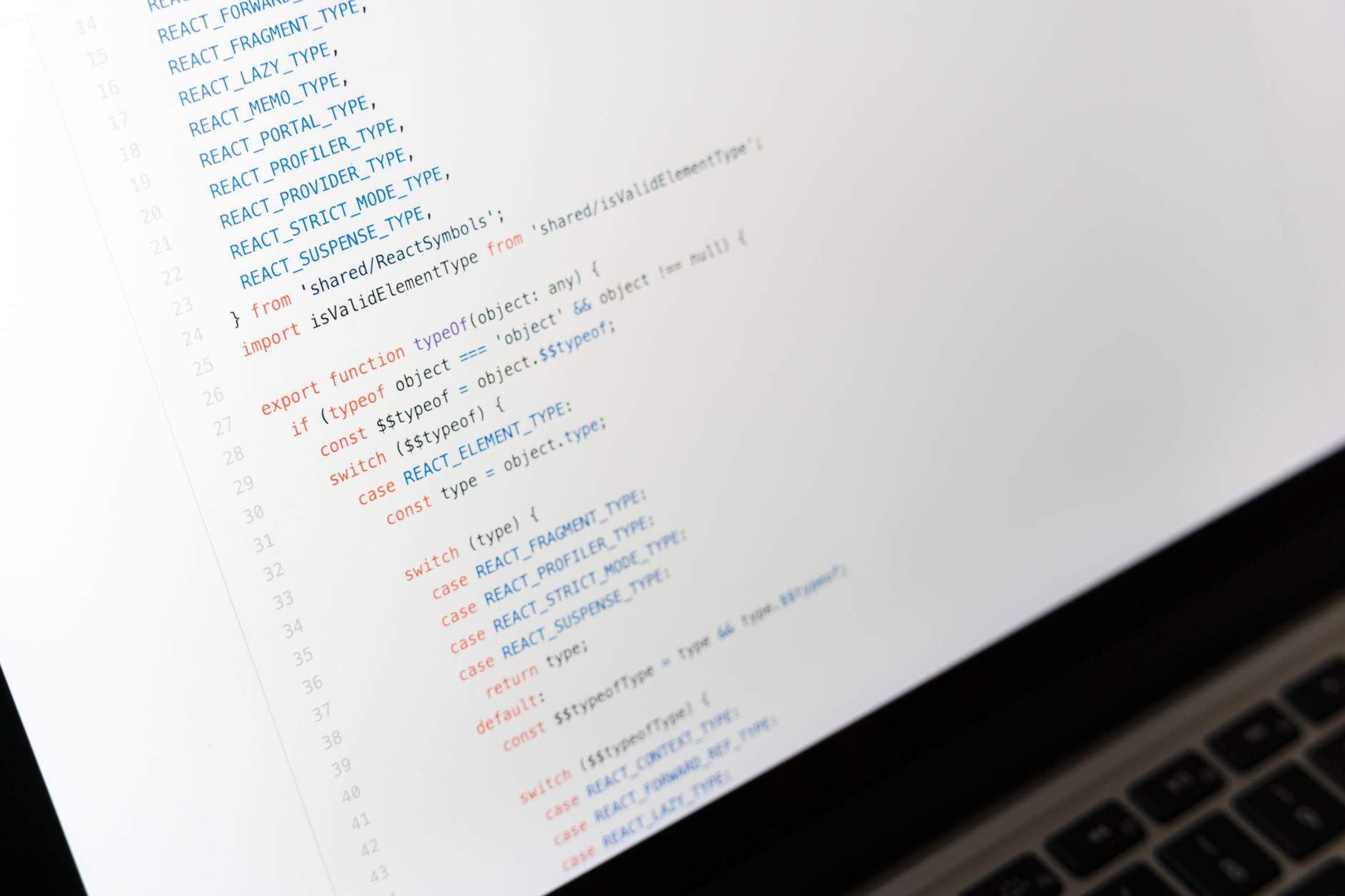
How Do You Plan a Student Record System?
A good plan for a student record system starts with four fields: student ID, name, marks, and contact details, then adds a menu-driven console flow with add, search, edit, delete, and display actions. If you miss those pieces, the code turns into a half-built mess in under 1 lab session.
The catch: A working class project does not need a giant design doc. It needs one clear rule: every record must have a unique ID, and every action must work from that ID in 1 step or less.
Draw the data first, not the buttons. A record can hold 5 subjects, a phone number, and an email address, and you can still keep the first version simple if you avoid extra features like login screens or analytics. I would not start with anything fancier than a console menu, because GUI work eats time and adds noise.
Set the build target before you code. Finish a CRUD console app in one lab session, then add file persistence in the next step, and you have a clean 2-stage plan that matches a normal programming in cpp course. That split matters because it keeps scope under control and gives you something testable by the end of day 1.
Think about failure cases too. What happens if the user types the same ID twice, enters a mark above 100, or leaves the name blank? Those checks sound small, but they stop bad data from poisoning 20 or 200 future records. A weak plan ignores those errors; a strong one handles them on the first pass.
Which C++ Data Structures Should You Use?
For a class project with 20 to 200 records, the best data structure is usually simple first and fast enough second. Use the smallest tool that fits the job, because a student system needs clean code before it needs clever code.
- A
structworks for plain data with no rules. Aclassworks better once you need validation, getters, setters, and methods. vector<Student>gives you easy growth from 10 records to 1,000 without manual resizing. That beats a fixed array for most beginner builds.- A raw array only makes sense if your teacher demands fixed-size storage, like 50 records or 100 records.
- Use linear search for tiny projects. Searching 30 records by ID feels slow only if you write bad code or print too much.
- Use
map<int, Student>when you want faster lookups by ID and cleaner access than looping through every item. - A Programming in C++ course often starts with
vectorand search loops before moving to fancier containers. - For a larger coursework project, pair
vectorwith a second index or a Data Structures and Algorithms approach if you need 1,000+ records and repeated searches.
Learn Programming In C Plus Online for College Credit
This is one topic inside the full Programming In C Plus course on UPI Study — a self-paced, online class that earns real college credit. Credits are ACE and NCCRS evaluated and transfer to partner colleges across the US and Canada. Courses start at $250 with no deadlines and lifetime access.
Browse Programming In C Plus →How Do You Design Student Classes in C++?
A Student class should keep data private and control access through methods, because that gives you cleaner code and fewer weird bugs when you edit 1 field later. Store the ID, name, marks, and contact details inside the class, then expose getters, setters, and a display method.
Reality check: Private fields stop random code from changing values like marks = -5 or ID = 0. That matters more than style points, and it saves time when you test 10 or 50 records.
Use a constructor to set safe starting values. A default constructor can leave strings empty and numbers at 0, while a parameterized constructor can fill in a full record in one shot. I like this design because it keeps object creation tidy and makes add-student code short instead of bloated.
Validation belongs inside the class or right next to it. If marks must stay between 0 and 100, check that rule before you save the object. If contact numbers need 10 digits, reject bad input before it spreads through the rest of the program.
Member functions should do the boring work. One function can print a student in a table row, another can update marks, and another can compare IDs during search. That structure helps you reuse code across add, edit, and display actions, which is exactly what a well-built mini database should do.
How Do You Add File Handling in C++?
File handling makes the student system stick. Without it, your data dies the second the program closes, and that defeats the whole point of building a record system in the first place.
- Open a plain text file with
fstream,ifstream, orofstreamfirst. That gives you the simplest version to debug in 10 minutes, not 2 hours. - Load the existing records into memory when the program starts. If you skip that step, the app cannot show old students after a restart, which breaks the persistence rule.
- After add, update, or delete actions, write the full updated list back to the file. Do not patch random lines in place unless the chapter asks for binary storage.
- Close the file cleanly after every read and write. A sloppy close can corrupt data, and one broken save can waste 30 minutes of cleanup.
- Switch to binary storage only if the assignment requires it or if you need faster saves for 500+ records. A text file stays easier to inspect by hand.
Bottom line: The program should keep all records after restart, not 90% of them and not “most of the time.” If a saved student disappears after reopening, the file code failed.
How Do You Build CRUD Operations in C++?
CRUD gives the system its shape. Create adds a new student, read shows one record or all records, update edits a chosen field, and delete removes the record after confirmation. In a menu app with 4 to 6 options, each action should run from a student ID so the user never hunts through the whole list by hand. That design fits a classroom build because it stays simple, testable, and honest about what the program can do.
- Create: ask for ID, name, marks, and contact details, then reject duplicate IDs.
- Read: search by ID in 1 pass for small lists, or print all rows in a table with 4 columns.
- Update: let the user change only 1 field, like marks or phone number, instead of retyping everything.
- Delete: ask for confirmation before removing a record, especially if the file holds 25+ students.
- Display: show records with aligned columns so the output does not look like a trash heap.
A clean CRUD flow also makes testing easier. You can add 3 students, edit 1 mark, delete 1 name, and verify that the file still loads all remaining records after restart. That is the kind of proof teachers like, and it beats a pretty menu with broken data logic. I would rather see a plain table that works than a fancy screen that lies.
What this means: Search by exact ID first, then edit only the matched record, because that avoids accidental changes to 2 students with similar names.
Frequently Asked Questions about Student Record Systems
What surprises most students is that the hard part isn't the menu, it's the data design. You need a `Student` class, a container like `vector` or `map`, and file saving with `fstream` so records still exist after you close the program.
Start by listing the fields you need: roll number, name, age, grade, and contact info. Then make a `Student` class with those fields, because a clean class beats scattered variables every time.
This applies to you if you're in a programming in cpp class or a programming in cpp course and need hands-on CRUD practice. It doesn't fit you if you want a toy example with 2 records and no file handling, because real systems need search, update, and delete.
A solid version needs 4 parts: add, search, update, and display, plus file storage for persistence. If you take an online course or study online for college credit, that same project can also support ACE NCCRS credit or transferable credit, depending on the provider.
Build it with one `Student` class, one storage container, and separate functions for each task. Keep input, logic, and file work apart, or your code turns into a pile of `cin` and `cout` with no structure.
Most students dump everything into one giant `main()` and hope it works. What actually works is splitting the code into `addStudent()`, `searchStudent()`, `updateStudent()`, `deleteStudent()`, and `saveToFile()`, because each job stays small and testable.
The most common wrong assumption is that data stays in memory after the program ends. It doesn't. You need to write records to a text file or binary file with `ofstream` or `fstream`, then load them back with `ifstream` when the program starts.
If you get it wrong, you overwrite the wrong student or show duplicate data, and that breaks the whole record system. Use a unique ID like roll number or student ID, then compare that field before you change anything.
Store each student as one object, then keep those objects in a `vector
Print records in columns with `setw()` from `
Delete by matching the unique ID, then remove that object from the container and save the updated list back to the file. Don't just hide the record on screen, because the old data will come back the next time you load the file.
Test all 4 CRUD actions: add one student, search by ID, update one field, and delete one record, then restart the program and confirm the file still loads. That catches the errors that show up after 2 or 3 runs, not just the first one.
Final Thoughts on Student Record Systems
A student record system in C++ looks simple on paper, but the hard part sits in the details. You need a clean class, a storage choice that fits the class size, file saving that keeps data alive, and CRUD actions that do not turn into a random pile of code. Start small. One Student class. One vector. One text file. One menu. That setup handles the whole chapter challenge without dragging in extra junk. If your teacher wants more, you can add sorting, binary files, or a second search method later. If you jump straight to that stuff now, you will slow yourself down and make the code harder to fix. The best student projects feel boring when they work. That is not a flaw. It means the data flows cleanly from input to storage to display, and every record comes back after a restart. Once you can add 5 students, search by ID, update marks, delete one record, and print the rest in order, you have built something solid. Test it with ugly input. Try duplicate IDs, blank names, marks over 100, and a delete request with a wrong ID. That is where weak code falls apart. Fix those cases, and your system stops being just a homework file and starts looking like a real small database. Build that version first, then polish it.
How UPI Study credits actually work
Ready to Earn College Credit?
ACE & NCCRS approved · Self-paced · Transfer to colleges · $250/course or $99/month