
SDSU Global Campus does not hand out a random side-brand degree. It ties the credential to San Diego State University, and that matters to employers, grad schools, and transfer reviewers who read the paper, not the marketing page. The real question is sharper: does the diploma say the same thing as a main-campus SDSU degree, and does the online label change the value in the job market? For a student looking at a business, education, or public health degree, the answer affects money, time, and how the name lands on a résumé. A school can share one university name and still run very different enrollment rules, tuition rates, pacing, and support. That gap is where the confusion starts. People see “Global Campus” and assume a separate school. They also hear “same diploma” and assume nothing changes. Both ideas miss the messy middle. The truth sits between those claims. SDSU Global Campus sits under San Diego State University, but the delivery model, cost structure, and day-to-day student experience can differ a lot from the main campus. Dedicated online universities push even harder on flexibility, while SDSU leans on a stronger public-university brand. That tradeoff can work very well for some students and feel awkward for others. The details matter more than the sales pitch, and the transcript tells a bigger story than the diploma alone.
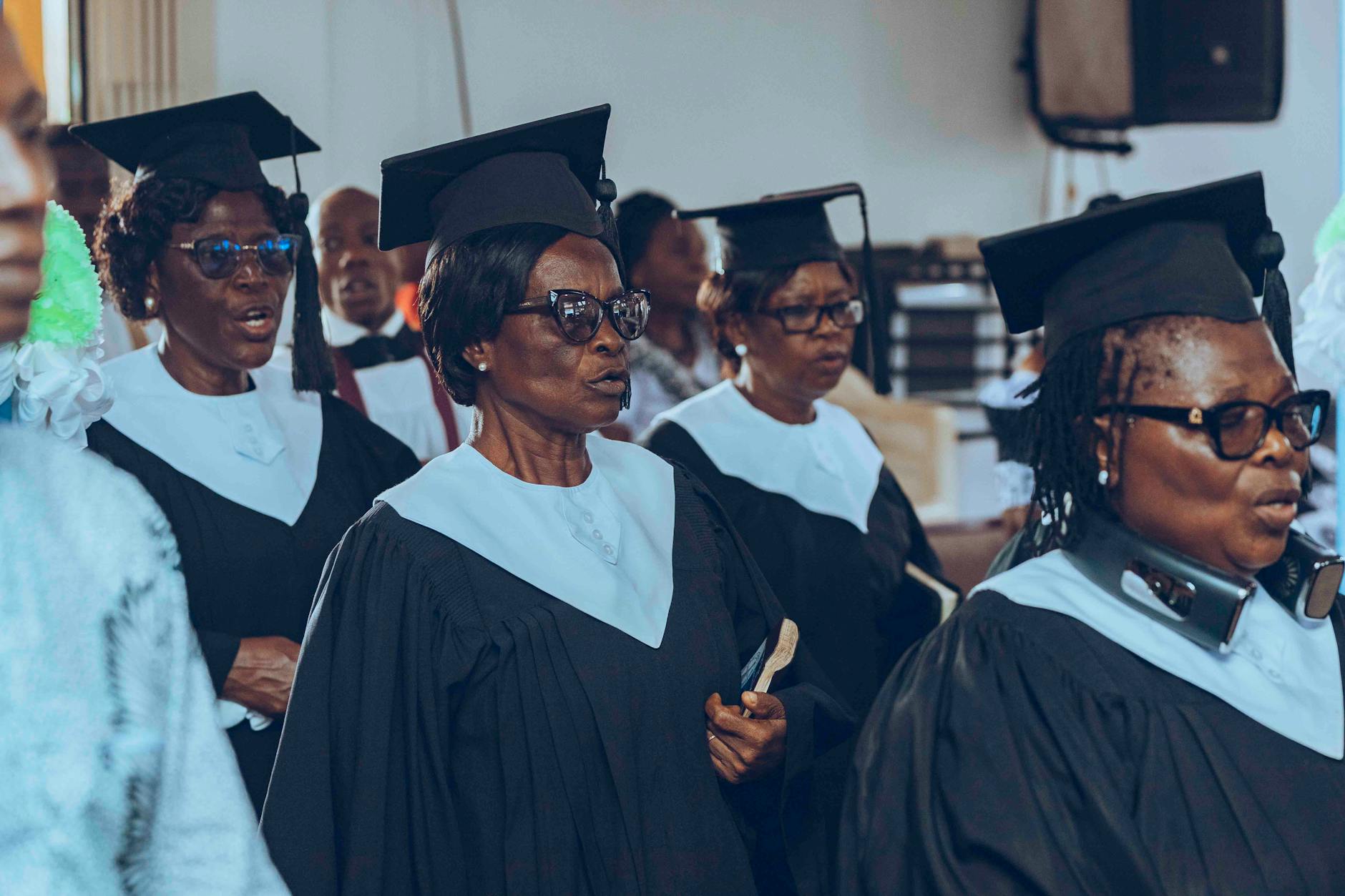
Does SDSU Global Campus issue the same diploma?
SDSU Global Campus awards a San Diego State University credential, so the degree comes from the university itself rather than from a separate online-only institution. That is the core reason the “sdsu online same diploma” claim has real weight. The school brand matters, but the degree still sits under SDSU, which has served students since 1897 and now runs both main-campus and online pathways.
The catch: The diploma usually centers on San Diego State University, while the transcript can show the specific college, program, or delivery mode tied to the 2024-25 catalog. That means “Global Campus” works as an academic wrapper, not a different university. A hiring manager who knows higher ed will read that as one institution with more than one format, which is very different from a for-profit school with a separate corporate brand.
The practical issue is not whether SDSU Global Campus is legit. It is. The real issue is how the record looks side by side with main-campus SDSU. In most university systems, the diploma carries the university name, and the transcript carries the fuller story: degree title, major, units, grades, and sometimes program notes. If you want a clean credential line, SDSU gives you that. If you want a hidden online label with no trace at all, that usually does not exist in any serious university setup.
Reality check: Employers and grad schools do not buy the “same diploma” phrase as a magic trick. They look at accreditation, school name, and the exact degree title. SDSU Global Campus gives you the same university name, but the transcript still preserves the path you took, and that is normal in 2026. A separate institutional brand would be a red flag; a university-issued online degree is not.
The downside is simple. If a student wants every document to look exactly like a main-campus path with no online trace anywhere, that expectation usually runs into reality fast.
What do SDSU Global Campus classes actually look like?
SDSU Global Campus classes usually follow the same academic standards you would expect from a California State University program: assigned readings, weekly deadlines, discussion posts, papers, quizzes, and proctored or timed exams in some courses. The online format changes the rhythm, not the degree level. In a 16-week term, a student may still face the same 3-credit workload as a main-campus class, just packaged around a screen instead of a room.
What this means: The learning can feel nearly identical in content-heavy classes, especially in business, public health, or education, where the syllabus and grading scale matter more than the seat you sit in. A professor with a PhD, an MFA, or an EdD can teach both online and on campus, and SDSU can assign full-time faculty, lecturers, or subject experts across either path. That mix is common at large public universities, and it surprises students who expect a sharp split.
The day-to-day difference shows up in contact time. A main-campus section may give you 75 minutes twice a week, while an online section may ask for 5 discussion posts, 2 peer replies, and one project each week. That changes your life even if the credit value stays the same. Online classes also remove the commute, parking hunt, and room-change shuffle, which sounds small until you do it for 15 weeks.
Worth knowing: Online does not mean easier, and that is where people get sloppy. A 2024 syllabus can still demand 10-page papers, group work, and tight rubrics. The downside is that you lose some live back-and-forth, and that can matter in courses with labs, presentations, or hands-on work. SDSU Global Campus fits best for students who can manage structure without needing a campus desk to stand at every day.
In plain terms, the class can look like SDSU. The weekly life around it looks very different.
The Complete Resource for SDSU Global Campus
UPI Study has a full resource page built specifically for sdsu global campus — covering which courses count, how credits transfer to US and Canadian colleges, and how to get started at $250 per course with no deadlines.
See the PRO Bundle →How does SDSU Global Campus compare on cost and flexibility?
Cost and pacing separate “nice brand” from “good value” very fast. SDSU Global Campus sits in the middle ground: stronger public-university recognition than many online schools, but often less scheduling freedom than the most flexible online-only options. The table below compares the main choices students actually weigh when they want a business degree, a teaching credential path, or a career switch.
| Thing | SDSU Global Campus | SDSU Main Campus | Dedicated Online University |
|---|---|---|---|
| Tuition | Program-based; often higher than in-state main campus | Lower for California residents; varies by units | Often flat-rate or per-credit; varies widely |
| Schedule | Mostly flexible; deadlines in 7-16 week terms | Fixed class times; campus calendar | Usually self-paced or weekly deadlines |
| Residency | No campus residency for most online programs | Full campus presence for many majors | Usually none |
| Support | SDSU advising, library, student services | Full campus services plus in-person access | Online advising and tech support |
| Brand signal | San Diego State University name | San Diego State University name | School-specific name, often less known |
| Value | Strong if you want SDSU name and remote access | Strong if you live near campus and want full campus life | Strong if you want speed, price control, or max flexibility |
A blunt read: SDSU Global Campus can beat a main-campus commute on flexibility, but a dedicated online university often wins on pace and price. If you care about a familiar public-university name, SDSU still has a real pull.
How do employers view SDSU Global Campus degrees?
Most employers read SDSU Global Campus as a San Diego State University degree first and an online format second. That matters because SDSU has a long public-university name, and hiring teams usually care more about accreditation, major, and school reputation than whether you took classes in person or through a 2025 LMS portal. A California State University degree lands differently from a school with weak name recognition.
The transcript and résumé line do the heavy lifting. If a candidate lists “San Diego State University” and the degree title, most employers never stop to split hairs over “Global Campus” unless the job sits in a field that cares about format, like clinical training, licensure, or a role with strict hands-on requirements. Even then, the employer usually asks about accreditation and course content, not whether the student sat in a lecture hall near Mission Valley.
Bottom line: Employer reaction depends more on the field than on the online label. A marketing manager, a school administrator, and a government recruiter may all read SDSU as solid. A recruiter for a lab-heavy or practicum-heavy job may care more about in-person experience, hours logged, and field placement than the school brand alone. That is not a knock on SDSU Global Campus. It is how hiring works in 2026.
The downside shows up when people overpromise. SDSU Global Campus does not erase the fact that some employers still prefer either a highly selective residential school or a known online specialist. A university name can open a door, but it does not cancel out weak experience, a thin résumé, or a bad interview. That holds for every school, from a state flagship to a fully online provider.
If you want the safest read, SDSU Global Campus looks legitimate, familiar, and respectable. It does not turn the job search into a formality.
Which option gives the better online degree value?
SDSU Global Campus gives stronger brand value than many online-only schools, but dedicated online universities usually win on speed, price control, and start dates. That tradeoff matters most when you compare a public university name against a school built around 24/7 access, 8-week terms, or fully self-paced classes. If you want the sdsu online degree value story in one line, it looks best for students who prize the SDSU name and can live with a less elastic schedule. If you care more about finishing fast or stacking courses around a job, a dedicated online school can make more sense.
- SDSU Global Campus: stronger name, less flexibility, program pricing that can surprise.
- Main campus: same university brand, but fixed schedules and more campus friction.
- Dedicated online university: often lower cost per term and faster starts.
- Best fit for SDSU: students who want a California State University credential.
- Best fit for online-only schools: students who need 100% remote pacing.
Worth knowing: The real sdsu global campus comparison comes down to how you value the brand versus the format. A school like this transferable course bundle shows how some students build credit first, then pick the degree path later. That route works especially well when you want portability and less risk tied to one campus calendar.
For students comparing business or management paths, two solid examples are Principles of Management and Project Management. I like that strategy because it keeps the credit portable while you sort out the degree brand.
Verdict: choose SDSU Global Campus if the university name matters more than schedule freedom. Choose a dedicated online university if flexibility, price, and pace matter more than prestige. If you want to build first and decide later, start with transferable accredited coursework and keep your options open.
Frequently Asked Questions about SDSU Global Campus
Yes, SDSU Global Campus awards the same San Diego State University degree for the same approved program, but the transcript usually shows the Global Campus or online delivery path. That matters because the diploma and the academic record don't tell exactly the same story.
On paper, the degree name usually matches the main university degree, and that can mean a lot to employers. What doesn't match is the delivery line on the transcript, which can show online study, Global Campus, or program-specific wording, so the record still gives away how you earned it.
You can overpay or pick the wrong school if you mix up name value with program value. A school can be legit, regionally accredited, and still charge more than a dedicated online university, so the real comparison is credential plus price plus flexibility.
Most students compare only tuition, but the smarter move is to compare total cost, pacing, and support. SDSU Global Campus often costs more than some online-first schools, while dedicated online universities may give you 8-week terms, rolling starts, and more course choices.
The most common wrong assumption is that the online label hurts the degree the same way at every school. Recruiters usually care far more about the university name, accreditation, and your work history than whether you sat in a room or logged in from home.
This matters most if you want the SDSU name and you're weighing price against brand. It matters less if you mainly want the cheapest accredited path, because many dedicated online universities build their whole model around lower tuition and more flexible start dates.
The biggest surprise is that the diploma can look very similar while the transcript tells a fuller story. That difference is normal at many universities, and employers usually ask about the school, your major, and your results, not just the format.
Start by matching the exact degree title, total credits, and per-credit tuition for both schools. Then check whether the program uses 7-week, 8-week, or full-semester classes, because that changes how fast you finish and how much you can work.
Employers usually read the diploma first and the transcript second, and they care most about the university name and the actual major. If the transcript shows online or Global Campus wording, that rarely hurts you unless the job asks for a very specific campus format.
Some courses match closely, especially when the same faculty or department designs them, but online sections can use different pacing, tools, and class sizes. A 15-week campus class and an 8-week online class can both cover the same material without feeling the same.
SDSU Global Campus often sits in the middle-to-higher range for public university online pricing, while dedicated online universities may cut costs with year-round terms and bundled support. Your real bill depends on credits, fees, and whether you finish in 4 years or faster.
The claim is mostly accurate for the credential itself, but not for the whole student record, since the transcript can show the online path and the price can differ a lot. If you want transferable accredited coursework, explore approved options that fit your budget and transfer plan.
Final Thoughts on SDSU Global Campus
SDSU Global Campus looks like a real San Diego State University credential because it is one. The diploma carries the university name, and that matters more than the online label in most hiring rooms. The transcript still tells the fuller story, and that is normal. What changes is not the degree’s legitimacy. What changes is the student experience, the tuition shape, and the amount of control you get over time. That is why the choice feels different from a simple “same diploma” claim. SDSU works best for students who want a public-university brand and can live with a more structured calendar. Dedicated online universities make more sense when you want quicker starts, tighter budgets, or a self-paced setup that fits a job or family load. One path leans on name power. The other leans on convenience. If you are comparing options for a business, education, or public service degree, start with the end goal. Ask which school gives you the right mix of cost, speed, and portability. Then pick the route that leaves you with the fewest regrets after 2 years, not just the shortest signup form today.
Three roads, one of them is yours
Ready to Earn College Credit?
ACE & NCCRS approved · Self-paced · Transfer to colleges · $250/course or $99/month