
An anatomy physiology 2 lab covers organ systems, body functions, and lab tests that show how those systems work together. Most students meet blood, heart, lungs, digestion, kidneys, hormones, and reproduction in a course that feels more like problem solving than name memorizing. That shift surprises a lot of people. The big change from A&P 1 is focus. First-semester lab often spends heavy time on tissues, bones, muscles, and basic body terms. Second-semester lab moves toward physiology, so you spend more time on pulse, blood pressure, lung function, reflexes, and other measurements that show how the body keeps balance. You do not just label parts. You watch what those parts do. That is why an anatomy physiology 2 lab can feel more active. You may compare blood cell slides, test oxygen or breathing patterns, track heart rate changes after exercise, or look at how hormones affect organs. The work asks you to connect one system to another. A digesting body, a breathing body, and a filtering body all have to work at the same time. The most common mistake is thinking A&P 2 lab means "more body parts." It does not. The class asks you to explain function, regulation, and feedback. That is a harder skill, and honestly, it is the part that makes the course useful.
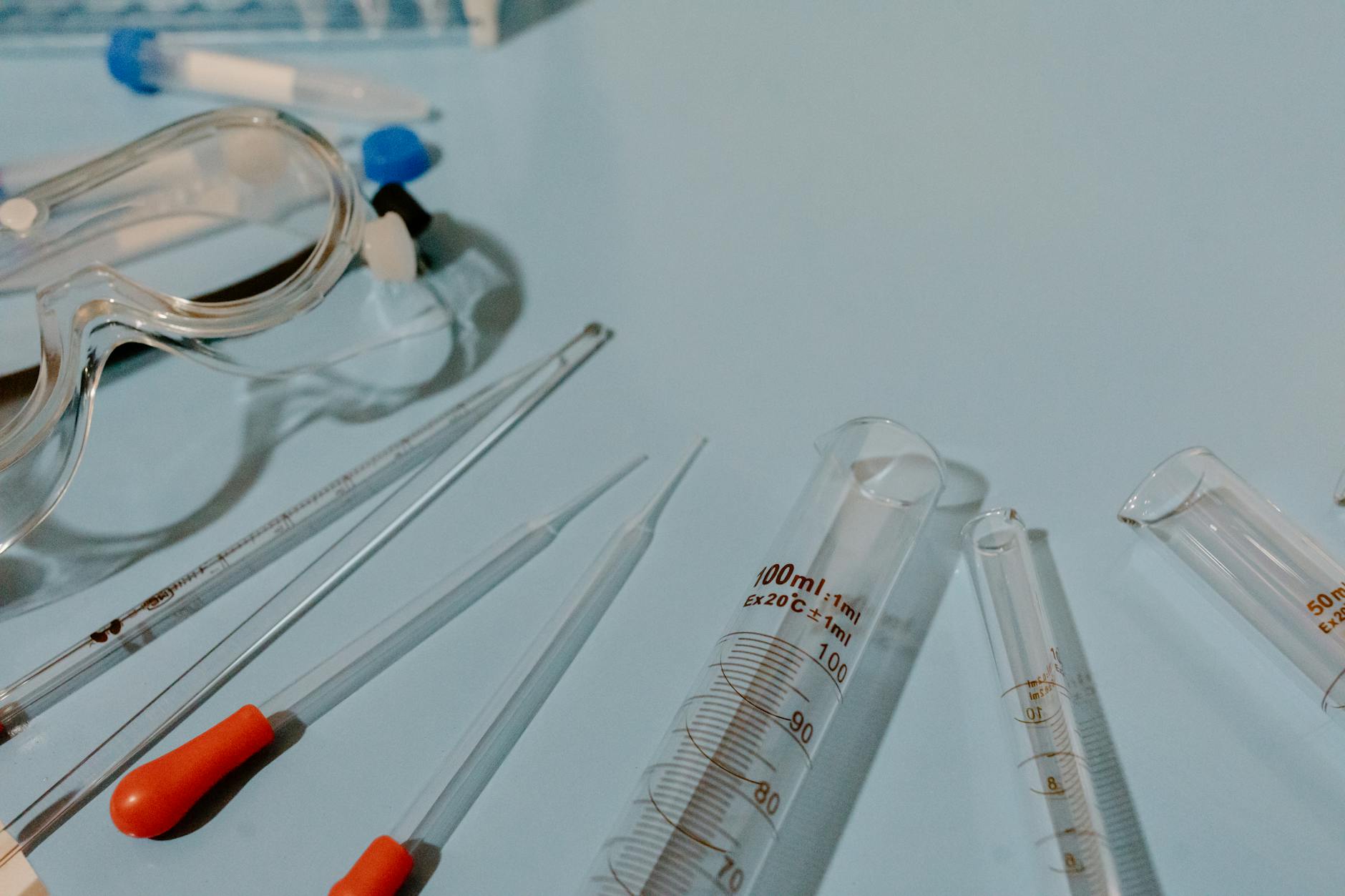
What Does Anatomy Physiology 2 Lab Cover?
An anatomy physiology 2 lab usually covers blood, the heart, lungs, digestion, kidneys, hormones, immunity, and reproduction, and it shifts hard toward function in a 2nd-semester style course. You still learn names, but the real work comes from seeing how 8 or more systems keep the body stable.
The catch: Most students expect anatomy lab 2 content to feel like a longer version of A&P 1, but that guess misses the point. A&P 2 lab topics center on regulation: how blood pressure changes, how oxygen moves, how the kidneys filter fluid, and how hormones change cell behavior.
That means the lab feels less like a giant labeling game and more like a set of body systems working under pressure. In a biol 212 lab or a college human physiology lab, you may do 30-60 minute activities on heart rate, respiration, blood typing, microscope slides, or urine analysis. Some sections also connect to digestion tests, immune response models, or endocrine feedback charts.
The common misconception is simple: "A&P 2 is just more memorizing body parts." No. That idea breaks fast once you start comparing how the renal system affects blood volume or how the respiratory system changes blood pH. Function matters more than flashcards here, and that is the part students usually underestimate.
My blunt take: if you liked A&P 1 because you could grind labels, A&P 2 may feel rougher at first. If you liked asking why the body does something, this lab usually clicks faster. That difference shows up in almost every week of the semester, from the first lab quiz to the final practical.
Which A&P 2 Lab Topics Appear Most Often?
These A&P 2 lab topics show up in most second-semester courses because they match the body’s big control systems. The table below compares common units, what students do, and how each one connects to physiology lab experiments in courses like biol 212 lab or anatomy lab 2 content. Worth knowing: The exact order changes by school, but the 8 units below show up again and again.
| Unit | What students do | Lab connection |
|---|---|---|
| Blood | Cell ID, typing, slides | Oxygen transport, clotting |
| Cardiovascular | Pulse, BP, ECG basics | Heart output, circulation |
| Lymphatic/Immune | Model review, tissues | Defense, fluid balance |
| Respiratory | Spirometry, breathing rates | Gas exchange, pH |
| Digestive | Enzyme demos, organ maps | Nutrient breakdown, absorption |
| Urinary | Urinalysis, filtration charts | Waste removal, homeostasis |
| Reproductive | Cycle charts, organ models | Hormone control, gametes |
| Endocrinology | Feedback loops, gland review | Hormone signaling, balance |
That mix matters because A&P 2 lab is built around cause and effect, not isolated facts. A strong lab day might connect one organ system to 2 others, and that is exactly why the course feels more alive than a straight memorization class.
How Do Physiology Lab Experiments Work?
Physiology lab experiments ask you to measure the body, compare the numbers, and explain what changed, so the lab feels closer to science class than a memorization unit. In a 1 to 2 hour lab block, you might test resting pulse, take blood pressure, compare breathing rates before and after activity, or use a spirometer to see lung volume shifts.
You also see a lot of simple but revealing tests. Reflex checks, sensory mapping, microscope work on blood or tissue slides, and blood typing can show how structure supports function. Reality check: The lab gets harder when you have to explain the result, not just record it. That is where many students slip, because the teacher wants a reason, a pattern, or a link to homeostasis.
A good example is the cardiovascular unit. You may take blood pressure at rest, walk stairs for 3-5 minutes, then measure it again and explain why the systolic number changed. In the respiratory unit, you may compare normal breathing with forced breathing and connect that to gas exchange. In the urinary or digestive units, you may watch how the body handles fluid, waste, enzymes, or nutrient breakdown through diagrams, models, or lab stations.
I think this is the most useful part of A&P 2 lab. It turns facts into behavior. Instead of asking, "What is the kidney?" it asks, "What happens to blood volume, salt balance, and pressure when the kidney changes its work?" That shift makes the course feel sharper, and a little unforgiving, but far more real.
Students who treat every activity like a mini data story usually do better than students who only reread notes.
The Complete Resource for Anatomy Physiology 2 Lab
UPI Study has a full resource page built specifically for anatomy physiology 2 lab — covering which courses count, how credits transfer to US and Canadian colleges, and how to get started at $250 per course with no deadlines.
Explore A&P 2 Lab Course →How Is A&P 2 Lab Different From A&P 1?
A&P 1 and A&P 2 both use lab quizzes and practicals, but the focus changes a lot after the first semester. The first course often builds the base; the second course tests how well you can use it across 6 to 8 organ systems.
- A&P 1 leans on terminology, tissues, bones, and muscles. A&P 2 leans on organs, control systems, and homeostasis.
- A&P 1 asks you to identify structures fast on a practical. A&P 2 asks you to explain what a structure does and why it matters.
- In A&P 1, a 20-point quiz may hit body parts and directions. In A&P 2, the same quiz often includes blood pressure, gas exchange, or hormone effects.
- Lab reports in A&P 2 usually need more interpretation. A chart with 3 readings means more than a page of labels.
- The memorization load shifts from static facts to system links. The kidney, heart, and lungs start showing up in the same question.
- Students who coasted on anatomy terms in semester 1 often feel the shock here. That shock usually hits by week 3 or 4.
What Should You Expect In A&P 2 Lab?
Expect a weekly rhythm with pre-lab reading, a 1- to 2-hour lab meeting, and short quizzes that reward prep more than cramming. Most biol 212 lab courses ask you to show up ready to label, measure, and explain, not just watch the instructor talk for 45 minutes. Bottom line: If you skip the pre-lab, the actual experiment can feel like a blur.
You will usually work in pairs or small groups, and that helps because one person can track data while another checks the model or slide. A typical week may include 5-10 quiz questions, 1 practical station set, and a short worksheet that asks for results plus a reason. That mix sounds small, but it piles up fast.
- Read the lab sheet before class. 15-20 minutes beats last-minute guessing.
- Memorize 10-20 terms per unit, not 80 at once.
- Watch for patterns in numbers, not just the final answer.
- Study with a blank diagram and a timer set for 5 minutes.
- Review blood pressure, lung function, and hormone charts twice.
The best students treat every lab like a short experiment log. They write down the result, the trend, and the body system behind it. That habit matters more than rereading the same page 3 times.
Why Do Students Misread A&P 2 Lab?
Students misread anatomy physiology 2 lab because they expect a list of organs, but the class really tests mechanisms, feedback loops, and balance across 7 or more systems. That mistake shows up fast on practicals, where the instructor points to a result and asks why the number changed, not what the organ is called.
The biggest correction is this: body parts matter, but they only matter because of what they do together. A heart, lung, kidney, or gland never works alone for long. Blood pressure, pH, glucose, temperature, and hydration all move in connected ways, and the lab asks you to see those links across 16 weeks or a full term.
That is why students who only memorize diagrams feel stuck. They can point to the pancreas, but they cannot explain insulin’s effect on blood sugar. They can name the nephron, but they cannot trace why the kidney changes urine output after exercise. That gap hurts more in second semester than first.
If you want a head start, the accredited anatomy and physiology 2 lab course gives you a clean way to preview the content before class or strengthen weak spots while the semester is running. You can also pair it with Introduction to Biology II if you need more practice with cell-level ideas, or Medical Terminology if the vocabulary slows you down. That combo helps more than brute-force memorizing ever will.
Frequently Asked Questions about Anatomy Physiology 2 Lab
This anatomy physiology 2 lab fits you if you've finished A&P 1 or a similar first-semester lab and you're ready for organ systems like the heart, lungs, kidneys, and reproductive system; it doesn't fit you if you still need basic cell, tissue, or skeletal review from the first lab. You'll also see more physiology lab experiments, not just model ID.
Start by reading the weekly lab manual, checking the 4 to 6 major organ systems on the schedule, and listing the terms you missed on quizzes from A&P 1. Bring a notebook, a pencil, and your lab goals for that week.
What surprises most students is how much the lab shifts from looking at body parts to testing how body parts work, which is the core of anatomy lab 2 content. You may trace blood pressure, lung volume, urine output, or reflex response in the same class period.
If you confuse a&p 2 lab topics with A&P 1, you'll study the wrong structures, waste time on bone markings, and miss points on system-based quizzes that often cover 2 or 3 related organs at once. That mistake can drag down both lab scores and practical exams.
Most students try to memorize each step, but what actually works better is learning the purpose of each physiology lab experiment before class. In biol 212 lab, that means knowing why you measure heart rate, spirometry, diffusion, or muscle response, not just copying the procedure.
The anatomy physiology 2 lab covers the endocrine, cardiovascular, respiratory, urinary, digestive, immune, and reproductive systems, plus homeostasis labs tied to those systems. One week you might use a stethoscope or blood pressure cuff; another week you might analyze breathing rate or urine concentration.
The most common wrong assumption is that anatomy lab 2 content will look like a label-and-color lab from the first semester. In reality, you're usually expected to explain why a 120/80 blood pressure reading matters, how gas exchange works, or why hormones change under stress.
You'll usually see 6 to 8 major organ systems in an A&P 2 lab, and that means your grade depends on both structure ID and function questions on practicals. Missing 1 system can hurt because many labs connect 2 systems in the same activity.
The second-semester lab puts more weight on function, regulation, and data than the first A&P lab, which spends more time on basic anatomy, tissues, and bones. You may still use models and charts, but you'll also collect measurements and explain results.
Expect weekly labs, practical quizzes, and 1 or 2 physiology lab experiments per unit, plus topics tied to the major organ systems you studied in lecture. If you want a structured path, explore the accredited online course for this subject and build your schedule around it.
Final Thoughts on Anatomy Physiology 2 Lab
Anatomy physiology 2 lab asks for a different kind of thinking than A&P 1. You still learn names, slides, and structures, but the course spends more time on measurement, function, and the way one system affects another. That is why students often feel a jump in difficulty around week 3 or 4. The lab stops asking, "What is this?" and starts asking, "What does this do, and what changes when it fails?" That shift can feel rough, but it also makes the course more useful. A heart rate lab makes more sense when you connect it to breathing. A urine lab makes more sense when you connect it to fluid balance. A hormone unit makes more sense when you connect it to blood sugar or stress response. Once you start seeing those links, the class feels less random. Give yourself time with the units that scare you most. Blood, respiratory, renal, and endocrine topics usually hit hardest because they stack facts and logic at the same time. If you can explain the process in plain words and follow the numbers on a chart, you are on the right track. Start with the systems that show up most often in lab, then build your review around questions, not just labels.
The way this actually clicks
Skip step 3 and the whole thing is wasted.
Ready to Earn College Credit?
ACE & NCCRS approved · Self-paced · Transfer to colleges · $250/course or $99/month