
Genomics studies an organism’s whole genome, not just one gene at a time, and that shift changes how scientists read disease, traits, and evolution. A human genome holds about 3.2 billion DNA letters, and that scale matters because tiny changes can sit anywhere in the full sequence. Genetics usually asks what one gene does. Genomics asks what the whole set of genes does together, plus how genes interact with each other and with the rest of the DNA. That broader view helps scientists spot patterns that single-gene tests miss, like a cluster of risk variants or a trait that only shows up when several genes line up. You see that idea in medicine, agriculture, and research. Doctors can use genomic data to help diagnose rare disorders, cancer teams can compare tumor DNA with healthy DNA, and plant breeders can pick seeds with useful traits faster than old cross-and-wait methods. Researchers also use genomic data to track ancestry, study outbreaks, and map how traits spread through a population. That does not mean genomics predicts everything. A variant can raise risk without causing disease, and many findings only make sense after large studies with thousands of samples. Still, the whole-genome view gives people a far sharper picture than a single lab test ever could.
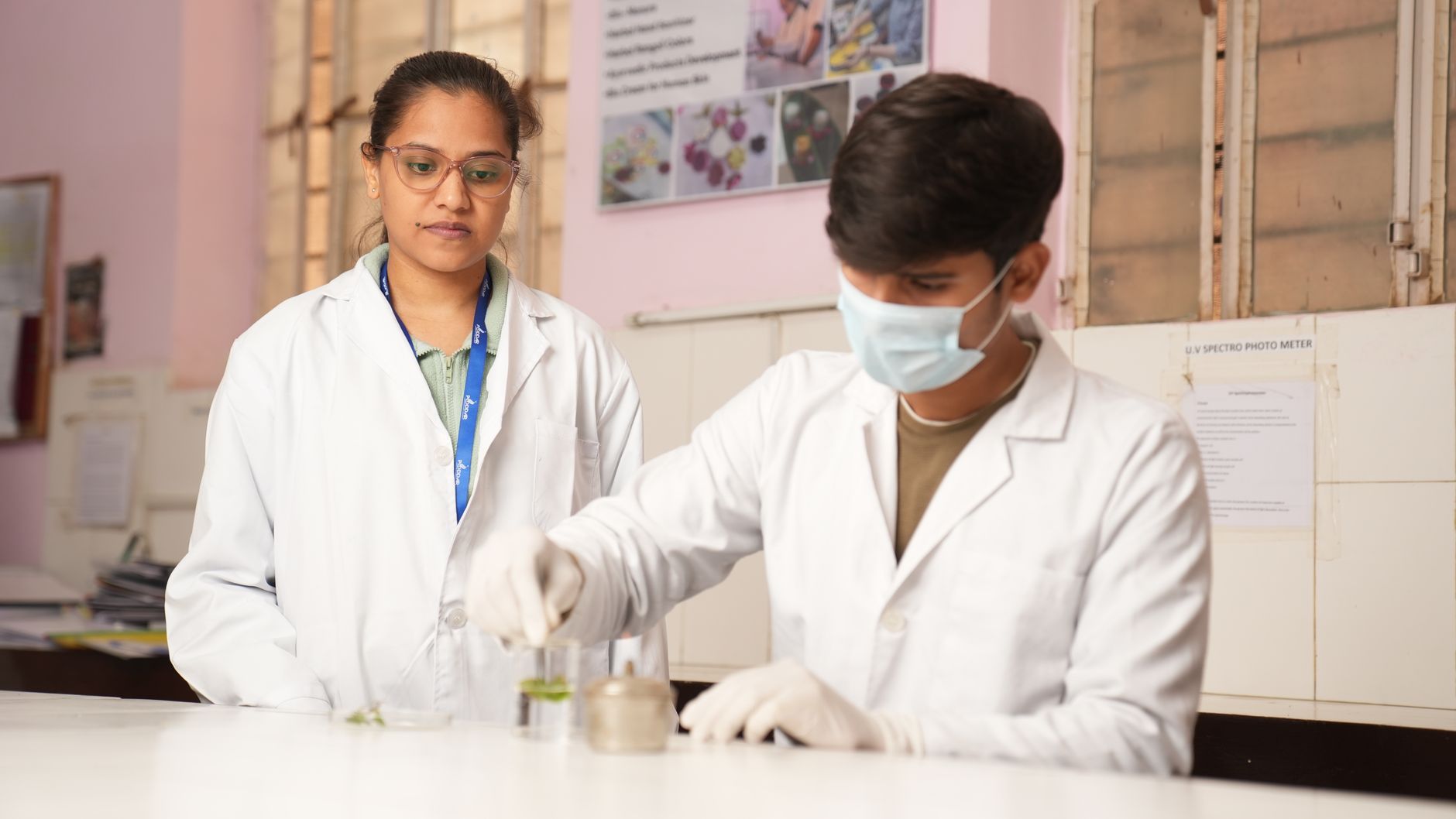
What Is Genomics, Really?
Genomics is the study of an organism’s whole genome, which means all of its DNA, not just one gene or one mutation. A human genome has about 3.2 billion DNA letters and roughly 20,000 protein-coding genes, so the scale alone changes the questions scientists can ask.
Genetics focuses on inherited traits one gene at a time. Genomics zooms out and asks how many genes, regulatory regions, and variants work together. That matters because a trait like height, diabetes risk, or drug response rarely comes from a single switch. It usually comes from many small signals that add up.
DNA stores the code. Genes are stretches of DNA that help make RNA and proteins. A genome is the full collection of that code in one cell. Variation means the small differences from person to person, such as single-letter changes, insertions, or deletions. The catch: a variant that looks tiny in isolation can matter a lot when it sits near a control region or appears with other variants.
That whole-genome context changes interpretation. A student can see this in an Introduction to Biology I course, where DNA, genes, and inheritance set the base for later ideas. Genomics goes beyond the one-gene story because biology rarely works in neat one-step lines. It works in networks, and networks get messy fast.
The field also changed because sequencing got fast enough to read large chunks of DNA in days instead of years. Human genome projects in the early 2000s took enormous time and money, while modern sequencing can process many samples in a single run. That speed lets researchers compare thousands of genomes and ask what patterns repeat across a population rather than in one case.
How Do Scientists Apply Genomics?
Scientists apply genomics in a simple workflow: collect DNA, sequence it, compare it with a reference genome, and look for variants linked to a trait or disease. A human reference genome gives them a shared map, and large studies often compare hundreds or thousands of samples because one sample rarely tells the full story. What this means: the value comes from patterns, not from a single flashy result, and that makes the method powerful but slower to interpret than a basic lab test.
- Researchers identify genes tied to a trait by comparing many genomes and looking for repeated variant patterns.
- They trace inheritance across families, sometimes across 3 or 4 generations, to see how a variant travels.
- They estimate disease risk by combining many small signals instead of relying on one mutation alone.
- They track outbreaks by matching pathogen genomes and spotting small changes that mark spread.
- They test treatment response, including drug genes that affect dose choice in fewer than 10% of patients for some medicines.
A student who wants more biology background can pair this topic with Introduction to Biology I and then move into molecular detail. That path makes sense because genomics sits on top of DNA structure, gene expression, and inheritance. The work feels abstract until you see the sequence data, then it gets very concrete.
Reality check: genomics does not hand you a finished answer; it gives you a map with markers, and scientists still need statistics, lab checks, and clinical judgment before they act on it.
Which Genomics Uses Matter In Medicine?
Medical genomics helps doctors diagnose rare genetic disorders, screen tumor DNA in cancer, estimate inherited risk, and choose treatments that fit a patient’s biology. In rare disease clinics, a child who spent 2 or 3 years without an answer can sometimes get one after genome or exome testing identifies a variant that fits the symptoms.
Cancer care uses genomics in a different way. Tumors change fast, so doctors compare tumor DNA with normal DNA to spot mutations that drive growth. A test can show whether a tumor carries changes in genes such as EGFR, BRCA1, or KRAS, and that can shape treatment choices in lung, breast, or colon cancer. Some cancers also get checked with repeated liquid biopsies, which look for tumor DNA in blood instead of tissue.
Genomic data also helps estimate inherited risk. A family history of colon cancer, breast cancer, or heart disease can point doctors toward testing that looks for higher-risk variants before symptoms start. Worth knowing: risk is not destiny, and a 1-in-2 gene change does not mean a person will definitely get sick.
The best medical use is earlier and sharper action. A diagnosis in 2026 can change what happens in the next 6 months, not just what happens in the next decade. That is why genomics has real weight in clinics: it can move care from guesswork toward evidence tied to the patient’s own DNA.
A smart biology foundation helps here too, especially if you want to understand why genes turn on and off in different tissues. That is where a Introduction to Biology II course can help with gene expression, cell function, and inheritance patterns.
Learn Biology 1 Online for College Credit
This is one topic inside the full Biology 1 course on UPI Study — a self-paced, online class that earns real college credit. Credits are ACE and NCCRS evaluated and transfer to partner colleges across the US and Canada. Courses start at $250 with no deadlines and lifetime access.
Browse Biology 1 Course →How Is Genomics Applied In Agriculture?
Agricultural genomics speeds up breeding by showing which plants or animals carry useful DNA variants before growers wait a full season or a full generation. In crops, that can save 1 to 3 years in breeding cycles, and in livestock it can cut guesswork from trait selection.
- Breeders pick drought-tolerant crops by checking marker patterns tied to water stress, not by waiting for a dry year.
- They select wheat, rice, and maize lines with resistance genes that reduce losses from fungi and viruses.
- Livestock programs use genomic scores to choose cattle with milk yield, disease resistance, or feed efficiency traits.
- Scientists track pests and pathogens by reading their genomes and matching outbreak strains across farms or regions.
- Genomic surveys help preserve biodiversity by recording rare alleles in native crops, fish, or seed banks before they vanish.
- Farm teams can compare thousands of markers at once, which beats old field-only selection that can take 5 to 7 growing seasons.
Bottom line: genomics turns breeding from slow observation into faster decision-making, and that speed matters when drought, blight, or market pressure hits in a single season.
The method has limits, though. A marker linked to drought tolerance in one region may not work the same way in another climate, so local testing still matters.
A student who wants the basic biology behind this can start with Introduction to Biology I, then connect DNA variation to traits in plants and animals.
What Genomic Data Actually Tells Researchers?
Genomic data tells researchers where variation sits, how common it is, and whether it links to a trait in a way that passes statistical tests. They look at variant frequency, gene expression patterns, ancestry signals, and association strength, often across thousands of samples in a genome-wide study.
A variant that appears in 30% of one group but 2% of another may point to ancestry or population history, not disease by itself. Gene expression data adds another layer, because a gene can exist in the DNA sequence but stay quiet in one tissue and active in another. That difference matters in liver cells, brain cells, and immune cells, where the same gene can play different roles.
Researchers also use association thresholds. In genome-wide association studies, a p-value around 5 x 10^-8 helps control false hits when scientists test millions of markers. That threshold does not prove cause. It only says the signal looks strong enough to take seriously.
The catch: association still needs validation. A signal that shows up in 10,000 people can fail in a second group if the first sample had a bias, a sequencing error, or a hidden confounder.
That is why researchers repeat findings in new cohorts, check the biology behind the signal, and look for direct lab evidence before they call something actionable. I like that honesty. It keeps the field from pretending it knows more than it does.
Which Limits And Ethics Shape Genomics?
Genomics works best with large samples, clean data, and careful interpretation, because small datasets can produce false positives fast. A study with 50 people can hint at a pattern, but a study with 5,000 people gives researchers a much firmer base for comparison.
Privacy also matters because DNA can reveal family links, ancestry signals, and disease risk at the same time. Consent forms need plain language, not legal fog, because a person should know whether their sample will stay in one lab, enter a biobank, or support future studies in 2026 and beyond.
The hardest mistake comes from overreading the result. A variant may raise risk by 20% or 30%, yet the person may never get sick. That gap between probability and fate trips people up all the time.
Researchers and clinicians need clear thresholds, transparent reporting, and human judgment before they act. Genomics helps, but it does not replace a doctor, a genetic counselor, or a solid lab workflow.
I respect the field more when it admits uncertainty. That honesty keeps people safer than hype does.
Frequently Asked Questions about Genomics
The part that surprises most students is that genomics looks at all of an organism’s DNA, not just one gene. You use that whole-genome view in medicine, farming, and research to spot gene patterns, disease risk, and traits that show up across thousands of DNA letters.
Genomics helps doctors match a patient’s DNA with disease risk, drug response, and inherited conditions, often using tests that read thousands to millions of DNA markers. The catch is that a genome tells probability, not a full diagnosis, so doctors pair it with symptoms and lab results.
You miss the bigger picture and can misread why a trait or disease shows up. Genetics often focuses on one gene at a time, while genomics studies the full set of DNA, which matters when 2 or 20 genes work together and shape one outcome.
Start by collecting a clean sample and turning the DNA into sequence data, usually from blood, saliva, plants, or microbes. Then you compare that data with a reference genome or database so you can spot variants, linked traits, or disease markers.
The most common wrong assumption is that one gene always explains one trait. In real biology, height, crop yield, and disease risk often involve many genes plus environment, so genomics helps you track patterns across 100s or 1000s of DNA changes.
A genomics test can produce results from a single variant to a full genome with about 3 billion DNA letters, so the data range is huge. You still have to read it carefully because a risk score can point to higher odds, not certainty.
Genomics applies to anyone studying living systems, from patients and crops to bacteria and wildlife, and it doesn't stop at one field. You see it in hospital testing, plant breeding, outbreak tracking, and basic biology research across humans, animals, and microbes.
Most students memorize DNA terms, but what actually works is linking sequence data to a trait, a disease, or a species comparison. If you study a few real datasets, like a 10-gene panel or a full bacterial genome, the ideas stick faster.
Genomics helps breeders choose plants and animals with traits like drought tolerance, higher yield, or disease resistance by reading DNA markers instead of waiting years for field results. Farmers and labs use it to sort through hundreds of candidate lines much faster.
Yes, you can study online through an intro to biology I course or an intro to biology I course with genomics content and earn college credit that can count as transferable credit at cooperating schools. Some programs offer ACE NCCRS credit, so you get a clear academic record for the work you finish.
Applying genomics lets scientists compare pathogen genomes and trace how a virus or bacterium spreads across people, hospitals, or regions. A difference of even a few mutations can link cases, which helps public health teams act fast during outbreaks.
Researchers use genomics because many traits come from gene networks, not single genes, and whole-genome data shows those links in one view. That matters in studies with 2,000 samples or 20,000 gene regions, where pattern-finding beats guesswork.
Final Thoughts on Genomics
Genomics matters because it changes the scale of the question. Instead of asking what one gene does, you ask how thousands of genes, variants, and control regions work together in a real organism. That shift explains why the field shows up in cancer care, rare disease diagnosis, crop breeding, and outbreak tracking. The strongest genomics work keeps its feet on the ground. It uses big sample sizes, checks results against reference genomes, and treats associations as clues, not magic. A variant can point to risk, but it does not write the whole future. That idea may sound simple, yet people miss it all the time because DNA feels more certain than it really is. If you remember one thing, remember this: genomics helps people make better choices when they pair sequence data with statistics, validation, and plain human judgment. That mix beats guesswork, and it beats hype too. Start with the basics of DNA, genes, and inheritance, then move toward the applications that matter most to you.
How UPI Study credits actually work
Ready to Earn College Credit?
ACE & NCCRS approved · Self-paced · Transfer to colleges · $250/course or $99/month