
The genetic code in biology is the rule set that lets cells read DNA and mRNA three bases at a time and turn that message into a protein. A codon is a 3-letter unit, and each codon points to one amino acid or a stop signal. That sounds tiny, but it drives everything from enzyme shape to muscle repair. The part students miss is that DNA does not make proteins by magic. Cells copy a gene into mRNA, then a ribosome reads that mRNA in triplets. If the reading frame shifts by even 1 base, the whole message can change. That is why a single deletion can wreck a protein while another mutation does almost nothing. The genetic code also has weird strengths. It uses 64 codons for 20 amino acids, so more than one codon can name the same amino acid. That redundancy gives the system some slack, but it does not make it sloppy. Near-universal rules let bacteria, plants, and humans use the same basic code, which is one reason biology feels so connected across life. Students in an intro to biology I course see this early because protein synthesis sits right under genetics, cells, and inheritance. If you can read codons, you can follow the logic of life instead of memorizing random facts. A good online course should make that sequence feel concrete, not foggy.
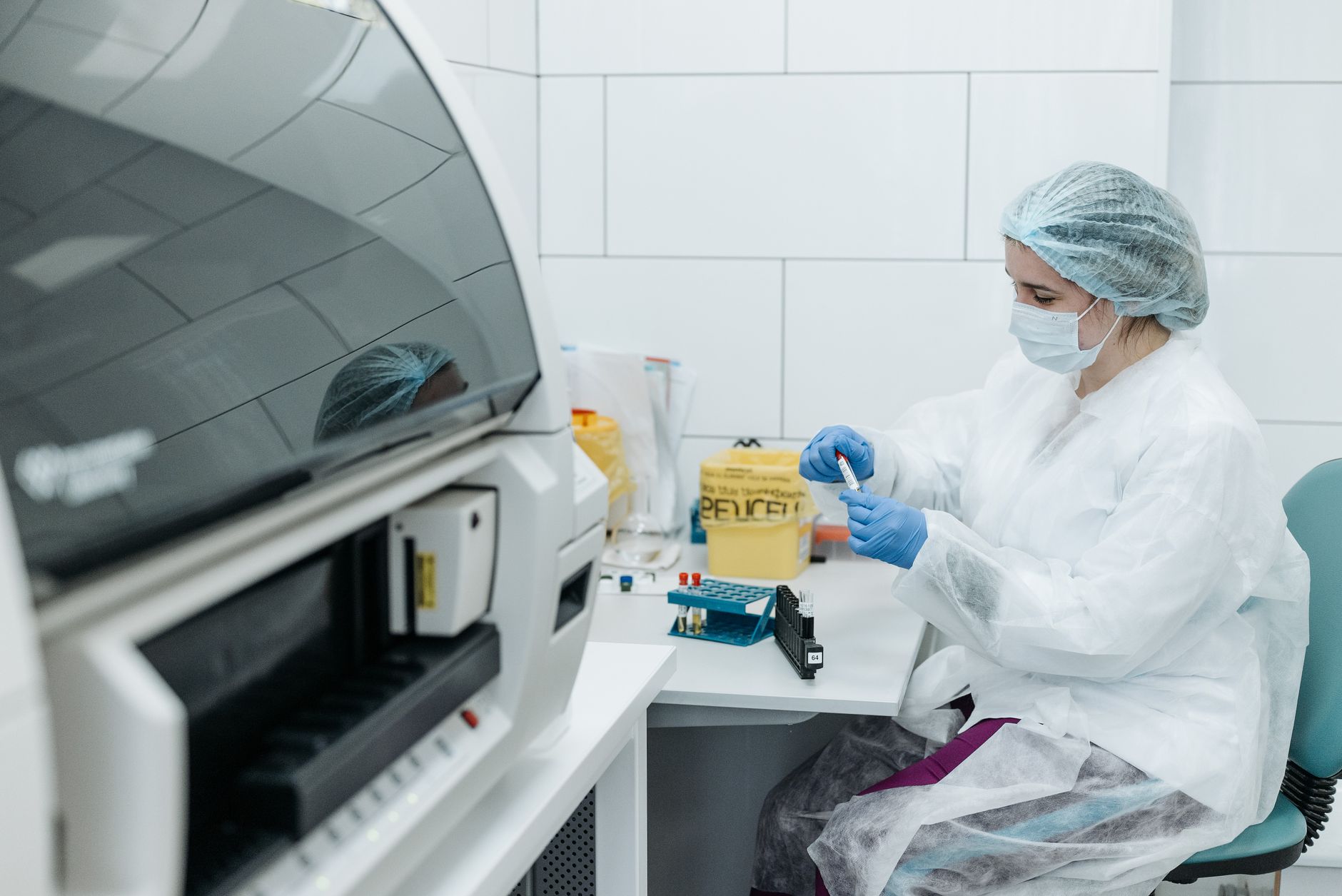
What Does the Genetic Code Mean?
The genetic code means cells read nucleotide triplets and convert them into amino acids, with 64 codons mapping to 20 amino acids plus 3 stop signals. That rule set sits at the center of protein synthesis, and no amount of memorizing helps if you miss the 3-base logic.
A gene is a stretch of DNA with instructions for a product, while a codon is just one 3-base word inside that message. Big difference. A gene can hold hundreds or thousands of bases, but the ribosome reads the message one codon at a time, almost like a machine scanning three letters per click.
Students in an intro to biology I course usually meet this idea right after DNA structure, because the code explains how sequence turns into function. That matters in any online course on protein synthesis, whether the lesson uses a human hemoglobin gene or a bacterial enzyme. The core idea stays the same in both cases.
The catch: Redundancy does not mean random. Six codons can code for leucine, while methionine has just 1 codon, AUG, so some amino acids get a wide net and others get one exact label.
That uneven setup is the whole point. It gives biology some flexibility without breaking the rule that one codon specifies one amino acid or a stop signal. If a course skips that, it leaves students guessing instead of reading biology like a system.
A solid Introduction to Biology I module should show the code as a translation table, not as a pile of terms.
The genetic code is not the same thing as a gene, and mixing those up causes bad answers on exams and worse confusion in lab work.
How Do Codons Turn DNA Into Protein?
Cells turn DNA into protein in a fixed order: they copy a gene into mRNA, then a ribosome reads that mRNA 3 bases at a time and builds a chain of amino acids. Miss one step and the whole product falls apart.
- First, RNA polymerase makes mRNA from a DNA template during transcription. The cell does this in the nucleus in eukaryotes, and the message leaves that compartment before translation starts.
- The ribosome grabs the mRNA and finds the start codon, usually AUG. That codon tells the machine where to begin, and it also codes for methionine, the first amino acid in most new proteins.
- Reading frame matters: The ribosome then reads the message in non-overlapping 3-base codons, so one shift by 1 base changes every codon after it. A frameshift can destroy a protein faster than many students expect.
- tRNA molecules match their anticodons to the mRNA codons and bring the right amino acids. Each match feels small, but the ribosome may add dozens or hundreds of amino acids before it stops.
- The ribosome links amino acids into a polypeptide chain, usually in under a few minutes for a short protein and longer for big ones. That chain then folds into a working protein with a specific shape.
- Stop codons UAA, UAG, and UGA end translation by telling the ribosome to release the chain. No amino acid gets added there, and that clean stop keeps the protein from running on forever.
A good biology course makes students trace this path from DNA to mRNA to protein without skipping the middle.
Learn Biology 1 Online for College Credit
This is one topic inside the full Biology 1 course on UPI Study — a self-paced, online class that earns real college credit. Credits are ACE and NCCRS evaluated and transfer to partner colleges across the US and Canada. Courses start at $250 with no deadlines and lifetime access.
Browse Biology 1 Course →Which Genetic Code Features Matter Most?
The genetic code uses 64 codons, but only 20 amino acids, so students need to know which codons repeat and which ones never change meaning. That mismatch explains both the code’s strength and its limits.
- Redundancy, also called degeneracy, means more than one codon can specify the same amino acid. Leucine has 6 codons, while tryptophan has 1.
- Each codon stays unambiguous. One codon points to one amino acid or one stop signal, never two at once.
- The code stays near universal across bacteria, plants, and humans. A codon like AUG means the same thing in almost every organism students study in biology 1.
- The ribosome reads codons in a non-overlapping way. If translation starts at the wrong base, every amino acid after that can change.
- Some amino acids have multiple codons, which cushions the effect of certain mutations. A change in the third base often leaves the protein unchanged.
- That cushion has a limit. A mutation in a start codon, stop codon, or a crucial active site can still wreck the protein’s job.
- This code structure feels elegant to me because it mixes order with error tolerance. Biology rarely gives you perfect safety, and this system does not fake it.
A student who studies Introduction to Biology I usually sees these patterns in tables, then has to use them on real sequences.
Reality check: A single base swap can be silent, missense, or nonsense, and that difference decides whether a protein keeps working or stops early.
Why Are Start and Stop Codons Important?
Start and stop codons tell the ribosome where to begin and end, and AUG usually serves as the start codon while UAA, UAG, and UGA act as stops. That sounds simple, but 1 wrong start point can shift the whole reading frame and change every codon after it.
AUG matters because it sets the frame and usually adds methionine as the first amino acid. If translation starts at the wrong AUG or skips the real one, the protein can come out too short, too long, or just plain wrong. That is not a small error. It can wreck an enzyme active site or remove a signal peptide the cell needed.
Stop codons work like a full stop at the end of a sentence. UAA, UAG, and UGA do not code for amino acids, so they tell release factors to end translation and let the polypeptide go. Without that stop, the ribosome would keep reading into junk sequence.
Bottom line: The reading frame decides meaning, and the start codon sets that frame before the ribosome adds even 1 amino acid.
A mutation that creates an early stop codon can cut a protein down by 30%, 50%, or more, depending on where it lands. That kind of change often matters more than people expect because biology does not care that the sequence looked almost right.
A clean biology lesson should make students practice spotting start and stop signals fast, because speed helps on exams and in lab reading.
How Does a Real Course Explain the Genetic Code?
A real Intro to Biology I course makes the genetic code feel usable, not abstract, by pairing the 3-base rule with practice on actual sequences. In a 15-week semester at schools like Southern New Hampshire University or a community college, students might see a module that asks them to translate 12 codons, mark an AUG start site, and spot one UGA stop signal. That kind of exercise works because it forces the student to read mRNA the same way a ribosome does, one triplet at a time.
- Students often decode short mRNA strings like 5' AUG GCU UUU UGA 3'.
- One practice set can test 4 amino acids, 1 start codon, and 1 stop codon.
- Teachers use these problems to show why one base shift changes the whole frame.
- Ace NCCRS credit often comes from work that shows real understanding, not rote recall.
- Transferable credit matters most when the course lines up with biology requirements at partner colleges.
A strong online course gives quick feedback on codon tables, which helps students stop guessing and start reading sequence data with confidence.
What this means: A learner who can translate mRNA by hand can do better on lab quizzes, exam questions, and later genetics units.
A course with Introduction to Biology I content should make that skill feel concrete from the first module.
One student who gets this right in week 3 avoids a mess in week 10, because protein synthesis keeps coming back in cell biology, mutation, and inheritance.
Frequently Asked Questions about Genetic Code
This applies to you if you study biology, medicine, or genetics, and it doesn't help much if you only need a one-line definition for a class quiz. The genetic code links 64 RNA codons to 20 amino acids, so you can read DNA and mRNA as protein instructions.
The genetic code is the set of rules that turns three-base codons in mRNA into amino acids during protein making. One codon usually names one amino acid, and 3 stop codons end translation.
If you mix up codons, you can predict the wrong amino acid and build the wrong protein sequence. A single base change can switch a codon, like UAU to UAA, and that can stop translation early.
What surprises most students is that 61 codons code for only 20 amino acids, so the code repeats itself a lot. That redundancy means more than one codon can point to the same amino acid, and the code stays nearly universal across life.
Start by memorizing the start codon AUG and the 3 stop codons UAA, UAG, and UGA. Then practice reading mRNA in groups of 3 bases from the start site, which is how translation begins in every intro to biology I course.
The standard genetic code uses 64 codons, 3 stop signals, and 20 amino acids. If you study online for an online course that offers ace nccrs credit, this exact number set shows up again and again in exams and lab questions.
Most students try to memorize random codon charts, but what actually works is learning AUG, the stop codons, and the reading frame first. That helps you earn college credit faster in a course that offers transferable credit.
The most common wrong assumption is that one codon always means one amino acid and that every species uses a different table. In real biology, the code is redundant and almost universal, with a few rare exceptions in mitochondria and some microbes.
DNA gets transcribed into mRNA, and ribosomes read that mRNA in 3-base codons to add amino acids in order. The ribosome starts at AUG, then keeps going until it hits UAA, UAG, or UGA.
The genetic code matters because it explains how a 3-letter sequence becomes a protein with a specific amino-acid chain. In an intro to biology I online course, you use it to predict traits, mutations, and why 1 base change can matter a lot.
Final Thoughts on Genetic Code
The genetic code in biology turns a string of bases into a protein by using a strict 3-letter system, a fixed start point, and stop signals that tell the ribosome when to quit. That is the whole trick. DNA stores the message, mRNA carries it, and the ribosome reads it like a machine that never gets tired. Students usually get stuck when they treat codons like random vocabulary. They are not random. The code has 64 codons, 20 amino acids, and 3 stop signals, so the pattern matters more than memorizing one-off facts. Redundancy gives the system some slack, but it does not make mutations harmless. A single base change can leave a protein alone, change one amino acid, or stop translation early. That mix of order and risk is what makes the topic worth learning well. Once you can trace a sequence from DNA to mRNA to amino acids, the rest of genetics starts to look less like noise and more like logic. Practice a few codon tables, spot AUG fast, and watch the reading frame. Then do it again until the pattern stops feeling strange.
How UPI Study credits actually work
Ready to Earn College Credit?
ACE & NCCRS approved · Self-paced · Transfer to colleges · $250/course or $99/month