
Fungi matter because they shape what we eat, what we use as medicine, and how dead things turn back into soil. They are not just mushrooms on a log. They are a whole kingdom that affects bread, beer, antibiotics, forests, crops, and human health every single day. In an Introduction to Biology II course, fungi often show up as the odd group between plants and animals. That split matters. Fungi do not make their own food like plants, and they do not move like animals, but they still touch human life in very direct ways. Yeast helps bread rise in about 1 to 2 hours. Penicillin came from a mold in 1928 and changed medicine fast. Other fungi rot food, infect skin, and damage crops worth billions. So yes, the answer to are fungi important to human life is a loud yes. They help build food systems, recycle dead matter, and produce some of the most useful drugs ever made. They also cause disease, spoilage, and allergies, which means people need to understand both sides. If you study biology, ignoring fungi would be like studying cities and skipping roads. The whole system starts to look wrong.
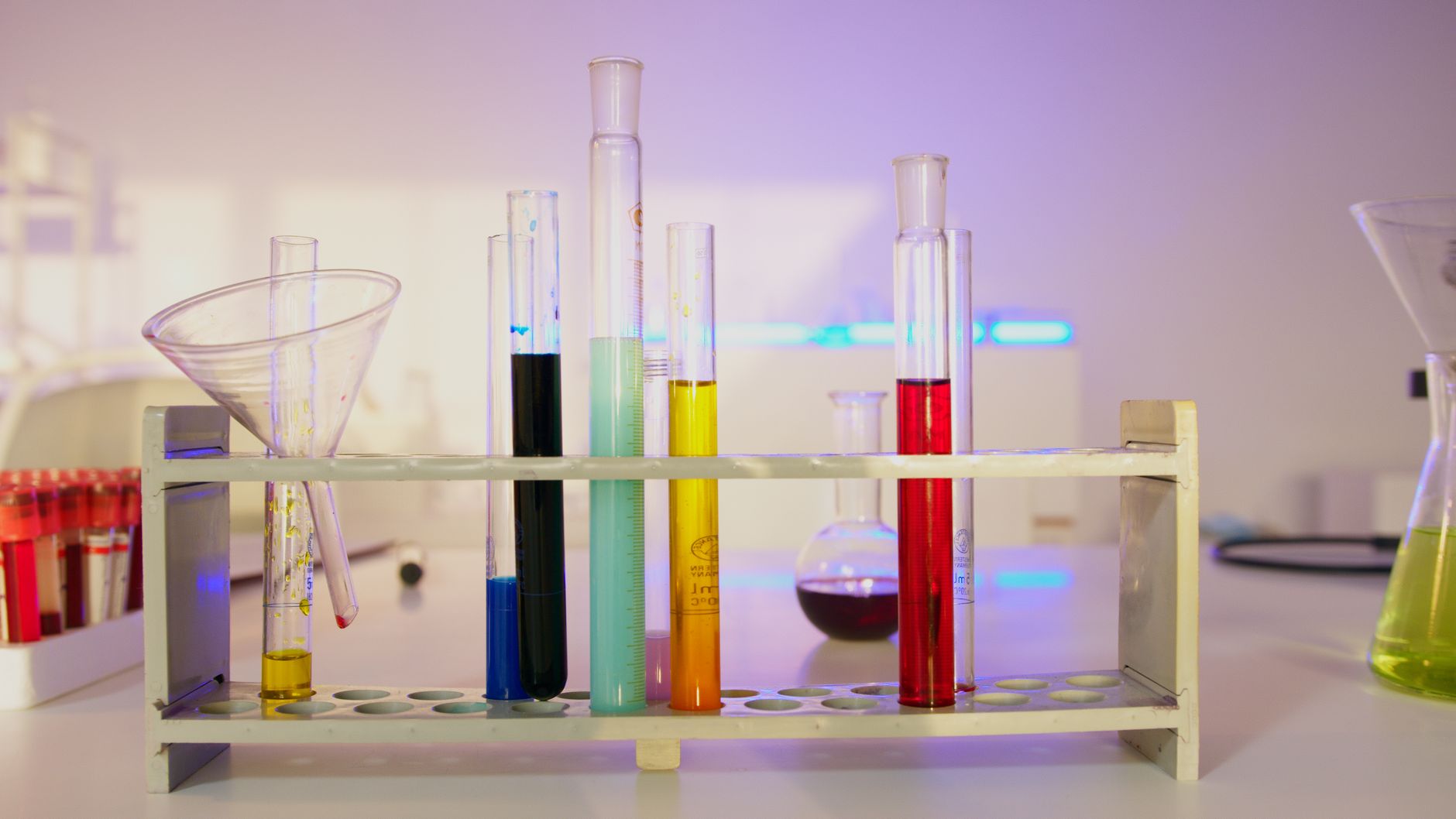
Why Are Fungi Important to Human Life?
Fungi matter because they sit inside four big systems at once: food, medicine, decomposition, and disease. That makes them unusually important in human life, not just in biology class. In a 2026 Introduction to Biology II course, you usually meet them as a kingdom with cell walls, spores, and threadlike hyphae, but that tidy label hides how messy and useful they really are.
The catch: Fungi help humans and hurt humans, and both sides show up in one semester of biology. Yeast can make dough rise in 60 to 90 minutes, while molds can ruin bread in 3 to 5 days if the conditions stay warm and damp. That contrast is the whole story.
Their value starts with food systems. Bread, cheese, beer, wine, soy sauce, and tempeh all depend on fungal action or fungal fermentation. Their value also reaches medicine. Penicillin changed treatment of bacterial infection after 1928, and later fungal compounds helped shape drugs used after organ transplants. Few organisms have touched daily life in so many ways.
The downside is just as real. Fungi cause athlete’s foot, thrush, ringworm, crop blights, and food spoilage. Some molds make toxins that can damage liver tissue, and that is not a small problem when storage goes wrong. I think fungi deserve more respect than most students give them, because they sit right at the line between helper and threat.
Their ecological job matters too. Fungi break down dead leaves, wood, and roots, then return nitrogen, phosphorus, and carbon to the soil. Without that recycling system, forests and farms would choke on their own waste. The importance of fungi in human life shows up in the dirt before it shows up on the plate.
How Do Fungi Help Make Food?
Fungi help make food by turning sugars into gas, acid, alcohol, and flavor, which is why yeast and molds show up in products that people eat every day. Baker’s yeast, Saccharomyces cerevisiae, can lift dough in about 1 to 2 hours, and the same genus helps drive beer and wine production through fermentation. That process matters because fungi digest sugars outside their bodies, then leave behind carbon dioxide, ethanol, and taste compounds that humans like. Reality check: Food science looks fancy, but the biology is simple: fungi eat first, and we enjoy the result.
- Bread: yeast makes carbon dioxide that puffs dough up.
- Beer: Saccharomyces turns sugars into alcohol in days, not weeks.
- Wine: yeast ferments grape sugar into ethanol and flavor.
- Blue cheese: Penicillium molds grow veins and sharp flavor.
- Tempeh: Rhizopus binds soybeans into a firm cake.
Introduction to Biology II usually treats this as a living systems lesson, not a kitchen trick. That matters because fungal cells work at room temperature, around 20-30°C, and they respond fast to moisture, oxygen, and sugar. Cheese makers use that biology on purpose. Bread makers do the same. A bad batch, though, can pick up unwanted molds in 24 to 72 hours if storage fails.
Environmental Science also connects here, because food fungi tie into waste, farming, and storage. I like this topic because it shows biology with a payoff you can smell. Blue cheese gets its veins from Penicillium. Bread gets its rise from yeast. Beer and wine get their alcohol from fermentation. Tempeh gets its texture from Rhizopus.
Learn Biology 2 Online for College Credit
This is one topic inside the full Biology 2 course on UPI Study — a self-paced, online class that earns real college credit. Credits are ACE and NCCRS evaluated and transfer to partner colleges across the US and Canada. Courses start at $250 with no deadlines and lifetime access.
Browse Biology 2 Course →Which Medicines Come From Fungi?
Fungi have given medicine some of its most useful compounds, and penicillin still stands as the classic example after Alexander Fleming’s 1928 discovery. That mold came from Penicillium notatum, and it opened the door to a whole drug class that saves millions of lives. Students often hear the name once and move on too fast. That is a mistake.
Many fungi make chemical compounds called metabolites, and some of those compounds can kill bacteria, calm the immune system, or slow down cell growth. Cyclosporine, first linked to fungal sources in the 1970s, helps stop organ rejection after transplants. That drug matters because a heart or kidney transplant can fail without it. Statins also trace back to fungal chemistry, and those drugs lower cholesterol for millions of adults.
Worth knowing: Fungal molecules often work better than man-made guesses because fungi evolved them to fight off microbes in soil and decay. That gives researchers a huge library to study, and they keep finding new leads in Penicillium, Aspergillus, and Tolypocladium. Some compounds help with cancer research, and others help with immune control. The science is not neat, but it pays off.
There is a dark side here too. Some fungi make toxins rather than medicines, and some drug-resistant fungi now threaten hospital patients. Candida auris, first reported in 2009, spreads in medical settings and can resist several antifungal drugs. That problem pushes labs to study fungal genetics, drug targets, and cell walls more closely.
Chemistry I connects cleanly to this topic because the whole field depends on molecular shape, dose, and reaction. Fungal medicine shows why biology and chemistry never stay in separate boxes for long. A tiny mold can change surgery, infection care, and cholesterol treatment in one stroke.
How Do Fungi Recycle Dead Matter?
Fungi recycle dead matter by breaking down tough material like cellulose, lignin, leaf litter, and wood, then sending nutrients back into soil. That job keeps ecosystems working. Without fungi, a forest would pile up dead logs and dead leaves for years, and plant roots would starve for nitrogen, phosphorus, and potassium.
Their tools are enzymes. Fungi secrete them outside their bodies, then absorb the smaller pieces. That sounds simple, but it lets them digest things many animals cannot touch. A white-rot fungus can break down lignin in wood, which is one of the hardest natural materials on Earth. That single fact explains a lot about why dead trees disappear and soil stays fertile.
Bottom line: Fungi run the cleanup crew for nearly every land ecosystem, and humans live off that cleanup. Farmers depend on soil microbes and fungi to keep topsoil alive across 1 growing season and the next. Forests depend on them after storms, fires, and leaf drop. Even compost piles heat up because microbes and fungi work together on organic waste.
The human payoff is plain. Healthy fungal decay supports crop growth, protects watershed soil, and keeps nutrients moving instead of locked in dead plants. You can see this in orchards, corn fields, and temperate forests after rain. I think this is the most underrated fungal role of all, because people notice mushrooms and forget the invisible work below them.
There is a limit, of course. Too much moisture, bad drainage, or poor crop rotation can let harmful fungi spread faster than useful ones. Still, the recycling job stays central. Fungi turn dead matter into a fresh start, and that cycle supports food production on a scale no one sees from the road.
Why Can Fungi Also Harm Humans?
Fungi become dangerous when they invade skin, lungs, crops, or stored food, and even one mold species can cause several kinds of damage. Candida auris can spread in hospitals, while crop fungi can wipe out 10% or more of harvests in a bad season. That is not a small side issue.
- Human infections: athlete’s foot, ringworm, and thrush spread through skin contact, shared surfaces, or weak immune systems.
- Hospital risk: Candida auris has caused outbreaks since 2009 and can resist several antifungal drugs.
- Crop disease: rusts, smuts, and blights attack wheat, rice, corn, and potatoes, cutting yields fast.
- Food spoilage: molds grow on bread, fruit, and leftovers when moisture stays high for 24 to 72 hours.
- Toxins: Aspergillus flavus can make aflatoxins, which damage the liver and contaminate stored grains.
- Allergies: airborne spores can trigger coughing, wheezing, and sinus trouble in homes, schools, and damp basements.
- Prevention: dry storage, clean wounds, and quick diagnosis cut risk before infection spreads through a group.
Reality check: Fungal harm often starts small and gets expensive fast. A damp wall, a dirty locker room, or a bruised apple can turn into a health problem in days. That is why fungal biology matters for public health, food safety, and farm management.
Some fungi also hit plants with no warning. Wheat rust has damaged harvests for centuries, and potato blight still scares growers because one outbreak can wreck a whole field. People think fungi only matter when they taste good. That view misses half the picture.
Frequently Asked Questions about Fungi
If you get this wrong, you'll miss how fungi both feed you and can hurt you, and that mistake costs real money and health. Yeast helps make bread rise in 1-2 hours, and fungi also cause illnesses like athlete's foot and ringworm.
Fungi help food production by turning sugar into gas and alcohol, which gives you bread, beer, and wine. Yeast cells work fast, and some cheeses like blue cheese and Brie also depend on mold during aging.
Start by looking at yeast and mold in foods you already eat. That simple step shows you both sides of fungi: they help make bread, soy sauce, and cheese, but some molds also spoil food in just a few days.
What surprises most students is that fungi are closer to animals than plants, even though they look plant-like. They don't make their own food, and many species break down dead wood, leaves, and animal waste across forests and farms.
The most common wrong assumption is that fungi are only germs or only mushrooms. That's wrong. Penicillin came from the fungus Penicillium, and the introduction to biology ii course usually covers how fungi can both save lives and cause disease.
Most students memorize names like yeast and mold, but what actually works is linking each fungus to a real use or harm. In an introduction to biology ii course, that means pairing bread, antibiotics, decomposition, and infection with the same topic.
Yes, fungi are important to human life because they make medicines like penicillin and help recycle nutrients in soil. They also cause diseases such as candidiasis, and without decomposers, dead matter would pile up fast in forests and fields.
This applies to you if you study biology, work with food, or take an online course with ace nccrs credit. It doesn't apply if you only want a cute mushroom fact, because fungi connect to college credit, medicine, and disease control.
Yes, you can study online and earn college credit through an online course that offers transferable credit. Programs tied to ace nccrs credit often cover fungi in units on cells, microbes, food science, and human disease.
Fungi break down dead plants, dead animals, and waste by releasing enzymes that digest tough materials like cellulose and lignin. This matters because a single forest floor can hold tons of decaying matter, and fungi return nutrients to soil.
Fungi harm humans by causing skin infections, allergies, and crop losses, and some poisonous mushrooms can kill in hours. They also damage food stores and buildings when mold grows in damp places with poor air flow.
Final Thoughts on Fungi
Fungi matter because they sit inside the systems humans use every day. They help bread rise, they give medicine its edge, they return nutrients to soil, and they also cause infection, spoilage, and crop loss. That mix makes them more than a biology topic. It makes them part of daily life. If you remember only one thing, remember this: fungi do not play one role. Yeast can support a bakery, Penicillium can help medicine, a forest fungus can keep soil alive, and a mold in the wrong place can make someone sick. That range is why biology courses keep circling back to them. They touch food, health, and ecosystems at once. Students often treat fungi as the “other” kingdom and move on. Bad move. That shortcut leaves out a huge part of how carbon, nutrients, and disease move through the world. It also hides the fact that some of the most useful drugs and foods in human life came from fungi first, not from clever human design. A smart next step is simple: link fungi to one real system you care about, like a kitchen, a hospital, a farm, or a forest, and study how the same organism can help in one setting and harm in another.
How UPI Study credits actually work
Ready to Earn College Credit?
ACE & NCCRS approved · Self-paced · Transfer to colleges · $250/course or $99/month