
CSU and American Military University both aim at military students, but they do not fit the same budget, transfer-credit path, or degree plan. Columbia Southern University usually draws attention for lower per-credit pricing in some programs, while AMU stands out for a very large catalog and a long track record with active-duty learners. The real question is not which school sounds more military-friendly. It is which one gives you the cleaner path to a degree with the fewest wasted credits and the least stress during drills, deployments, or family moves. A service member can look at two schools with the same 15-credit term and end up with very different bills once military tuition assistance, prior learning, and transfer rules hit the final total. That is why a plain tuition number rarely tells the whole story. JST, CCAF, and other military records can help, but acceptance does not mean every credit lands exactly where you want it. Some schools apply more of your prior work to general education, while others leave more room for electives. The better choice depends on your branch, your transfer credit total, and how fast you want to finish. A school that works well for a Coast Guard member with 45 credits may frustrate an Army student who already holds 60. Cost matters. So does pacing. So does whether the catalog offers the exact degree you need without making you chase extra classes later.
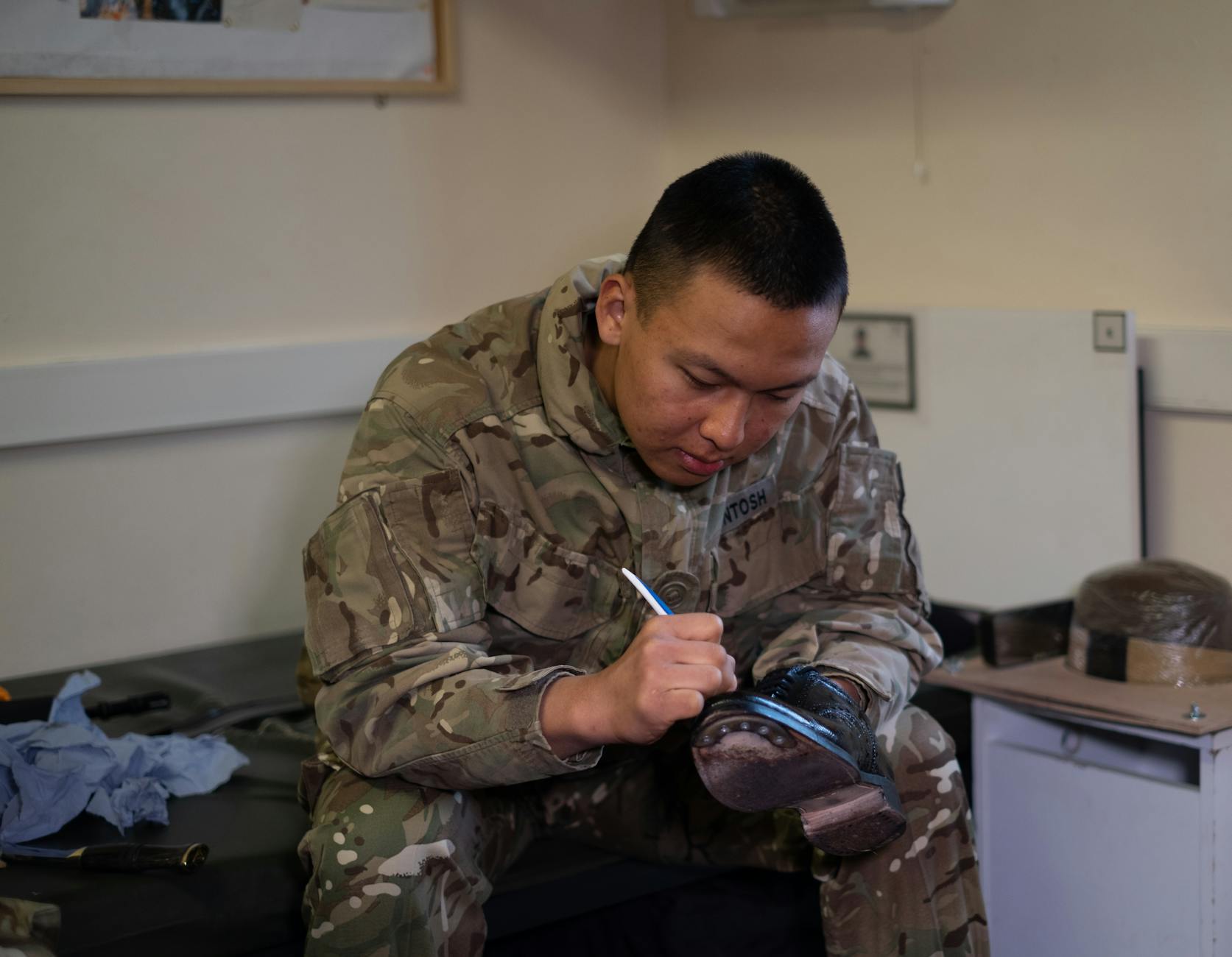
Which College Costs Less for Military Students?
Sticker price can fool military students because tuition assistance, transfer credit, and fee structures change the real bill fast. A school with a slightly higher per-credit rate can still cost less overall if it applies more JST or CCAF credits toward your degree. That is why a straight columbia southern vs amu price check only helps if you also look at how much of your 120-credit degree you still need to buy.
| Comparison point | Columbia Southern University | American Military University |
|---|---|---|
| Typical undergraduate tuition | Often around $325 per credit | Often around $350 per credit |
| Military tuition assistance | Commonly accepted for TA users | Commonly accepted for TA users |
| Likely extra costs | Books/materials vary by course | Textbooks often included in tuition |
| Budget feel | Lower sticker price | Higher sticker price, simpler materials setup |
| Out-of-pocket risk | Can rise if credits do not apply | Can rise if you need extra electives |
| Best money angle | Strong for price-sensitive students | Strong if included materials save time |
The catch: TA covers up to 100% of approved tuition up to the branch cap, but fees and unused credits still hit your wallet. That is why a $25 gap per credit can matter over 30 credits and why CSU amu comparison shoppers should look past the headline number.
My take: CSU usually feels cheaper on paper, but AMU can feel easier to budget if your course materials sit inside the tuition. That tradeoff matters when you are taking 2 classes a term and trying to stay under a strict education plan.
How Do CSU and AMU Handle Military Credits?
CSU and AMU both review JST, CCAF, and other prior learning records, but they do not promise the same degree fit for every class you brought in. A school can accept 60 credits and still leave you with 24 credits that only count as electives, which changes how fast you graduate. That is the part military students miss when they compare amu vs csu by transfer rate alone.
Worth knowing: Acceptance and application are not the same thing. A school may accept a 3-credit logistics class from a military transcript, then place it into general electives instead of your major, and that can force you to take 6 to 12 extra credits later.
A concrete example helps. Say a Navy student arrives with 42 transfer credits, including 9 credits from CCAF-style technical work and 12 credits from leadership training. One school may apply most of that toward general education and free electives, while another may leave more of it sitting outside the major, especially in programs with stricter upper-division rules. That difference changes the real value of every prior class you already earned.
CSU often attracts students who want a clean transfer path into business, criminal justice, or fire science, while AMU often gives military students a wide set of degree maps that can absorb prior learning in more than one way. I like that AMU keeps a big catalog, but broad menus can hide weird credit gaps if you pick the wrong major on day one.
The smart move is to map your 120-credit degree against the 30, 45, or 60 credits you already hold. If you still need 18 upper-level credits, a school that accepts your JST record but limits major credit can cost you more time than a school with a slightly higher tuition rate.
The Complete Resource for Military Universities
UPI Study has a full resource page built specifically for military universities — covering which courses count, how credits transfer to US and Canadian colleges, and how to get started at $250 per course with no deadlines.
Explore CSU Transferable Courses →Which School Gives More Program Flexibility?
Military life does not follow a neat 8-to-5 schedule. A 12-hour shift, a 6-month deployment, or a sudden PCS can wreck a normal class plan in one week, and that is why flexibility matters as much as tuition. AMU built its name around active-duty pacing, while CSU also gives online students a self-paced feel that works well for people who need to start 2 or 6 classes without waiting for a traditional semester rhythm. I respect schools that let you move fast when life opens a window, but slow pacing can save your sanity when a unit schedule gets ugly.
Reality check: A flexible school still punishes missed work if you pick the wrong course load. One 8-week class with weekly deadlines can feel very different from a term-based setup, especially if you travel 2 weeks out of every month.
Compare course options here is not the same thing as choosing a degree plan, yet the pattern matters: the more predictable the schedule, the easier it feels to stay enrolled during field time or family travel. AMU often gets praise for frequent starts and a large online catalog, while CSU gets points for straightforward online delivery and a simpler pacing model in many programs.
- Look for 100% online classes with no fixed campus attendance.
- Check whether courses run in 8-week or 16-week terms.
- Ask how many start dates the school offers each year.
- Prefer programs that fit 12-hour shifts and deployment gaps.
- Watch for exam rules that require live proctoring or timed windows.
For students balancing duty and home life, the best school is the one that lets you keep moving without forcing a reset every term.
Why Do Accreditation and Program Range Matter?
Accreditation tells employers and other colleges whether a school meets recognized standards, and both CSU and AMU hold institutional accreditation that matters for transfer and hiring. That part sounds dry, but it shapes what happens when you try to move into a master’s program later or bring 30 credits to another university in 2 years. Program range matters just as much, because a school with 20 bachelor’s options can fit a lot more military goals than one with 5 narrow paths.
CSU and AMU both serve adult learners, but AMU usually offers a broader catalog across undergraduate and graduate study, including business, homeland security, intelligence, and education fields. CSU also offers a solid spread, especially for students who want practical degrees that stay close to military, public safety, or management work. I think the broader catalog gives AMU an edge for undecided students, while CSU can feel cleaner for students who already know the exact lane they want.
A long-term plan matters here. If you want to finish a bachelor’s now, then use the same school later for a master’s, a larger catalog can save time. If you care most about portability, the name of the accreditor and the way a school records transfer credits matter more than a flashy program list. A degree that traps 15 credits in random electives can slow you down just as much as a school with a smaller catalog.
Principles of Management and Project Management show how one course can map into several business degrees, and that kind of alignment matters when you want credits that stay useful across 2 different schools.
In a csu amu comparison, accreditation gives you the trust signal, but program range decides how many of your credits you can turn into something useful.
How Should You Decide Between CSU and AMU?
Start with your real numbers, not the marketing line. If you have 36 transfer credits, 100% TA coverage for approved tuition, and a goal to finish in 2 years, the school that applies more of your prior work usually beats the school with the prettier ad.
- Choose CSU if lower per-credit tuition matters more than a huge catalog.
- Choose AMU if you want a broader degree menu and a very military-heavy student base.
- Pick the school that applies your JST or CCAF credits to major requirements, not just electives.
- Check whether your target degree needs 120 credits, 30 upper-level credits, or a final capstone.
- Use TA first, then compare any remaining books or fees against a 2-year finish plan.
- Pick flexibility that matches 8-week terms, deployment windows, and 12-hour shifts.
- If you want portable accredited coursework, explore transferable options that keep credit value moving across schools and countries.
Frequently Asked Questions about Military Universities
If you pick wrong, you can lose time on credits, pay more per class, and slow down degree progress by 1-2 terms. That hurts military students who move often, switch duty stations, or need fast term starts, because transfer rules and tuition handling can change the real cost fast.
Start by listing your TA use, transfer credits, and degree goal in one page. Then compare Columbia Southern University and American Military University on 3 things: cost per credit, accepted military training, and how fast you can finish with 8-week or 16-week courses.
This comparison fits active-duty service members, Guard, Reserve, veterans, and military spouses who need online study with transfer credit. It doesn't fit someone who wants a campus-based, 4-year residential college with fixed class times and a full in-person experience.
The biggest mistake is thinking lower sticker price always means lower total cost. Some students save money with one school's per-credit rate, but another school may accept more transfer, JST, CCAF, or ACE credit and cut 12-18 credits from the degree.
Most students look only at tuition and stop there. What works better is checking 4 numbers: per-credit price, maximum transfer credits, term length, and the number of courses in your major, because a 60-credit transfer cap can change the whole deal.
Columbia Southern and AMU both sit in the online adult-student price range, often around a few hundred dollars per credit hour depending on program and military status. TA, employer aid, and transfer credit can lower what you pay by thousands over a 30- to 36-credit year.
AMU is stronger if you have a lot of military training, JST, or CCAF credit, while CSU also accepts transfer credit but often feels better for students who want a broad online catalog. The better move is the school that takes more of your 60-90 earned credits.
What surprises most students is that flexibility can beat price. A school with 8-week courses, monthly starts, and simple TA handling can save you more time than a cheaper school with a slower registration process or fewer degree options.
Both schools work with Tuition Assistance, and that matters because TA usually covers up to $250 per semester hour and $4,500 per fiscal year for eligible service members. You still need to watch the billing setup, because some schools bill TA more smoothly than others.
AMU usually offers the wider catalog, with 200+ online programs across fields like homeland security, public health, and intelligence studies, while CSU stays more focused on business, criminal justice, fire science, and occupational safety. If you want a niche major, AMU often gives you more choices.
Both schools hold regional accreditation, and that matters because regional accreditation drives transfer and graduate-school review. CSU is regionally accredited by SACSCOC, and AMU is regionally accredited by the Higher Learning Commission.
Both schools give you online, self-paced study, but AMU often offers more start dates and a larger course catalog, while CSU often keeps things simple with 8-week terms. If you work shifts or deploy, that 8-week format can help you stay on track.
Use your military credit, TA amount, and degree plan to build a 2-school cost sheet before you enroll. Then choose the option that takes the most transferable accredited coursework, because that cuts time, saves money, and makes the degree finish faster.
Final Thoughts on Military Universities
CSU and AMU both belong in the conversation for military students, but they solve different problems. CSU often appeals to students who want a simpler tuition story and a direct path into practical degrees. AMU often fits students who want a wider catalog and a school that built much of its model around adult learners in uniform. The real mistake is picking based on brand noise instead of your own credit map. If you already hold JST, CCAF, or other transfer credit, your best move is to compare how many of those credits land in your major, how many stay as electives, and how many new credits you still need to buy. That one step can save 6 to 18 credits, which turns into real money and real time. Look hard at 3 things: per-credit cost, transfer-credit application, and schedule fit. Then rank them in that order if you care most about finishing fast, or in a different order if you care more about catalog size or course timing. Military life changes too fast for a vague plan. Pick the school that matches the degree you need, the hours you can keep, and the credits you already earned. Then start with coursework that transfers cleanly and keeps your next move open.
Three roads, one of them is yours
Ready to Earn College Credit?
ACE & NCCRS approved · Self-paced · Transfer to colleges · $250/course or $99/month