
You reduce your risk of a cyber attack by blocking the easy wins attackers count on: reused passwords, missing updates, weak logins, and rushed clicks. Those four habits cause a huge share of account break-ins, and students can fix them in under 30 minutes on most phones and laptops. Think of cyber safety like locking doors in a shared apartment. You do not need a perfect setup. You need the locks that stop the most common trouble. A student with one password reused across 8 sites gives an attacker a chain of open doors. A student who turns on multi-factor authentication, keeps software updated, and backs up class files gives that same attacker a much harder job. The smart move starts with the basics that pay off fast. Use a different password for each account. Turn on multi-factor authentication for school email, banking, and social media. Install updates when they appear, not 3 weeks later. Treat urgent messages with suspicion, especially ones that ask for a login, gift card, or file download. Back up work to 2 places, because ransomware and stolen devices both hit students hard. These steps sound plain, but plain beats fancy when the goal is to keep your grades, money, and photos out of someone else’s hands.
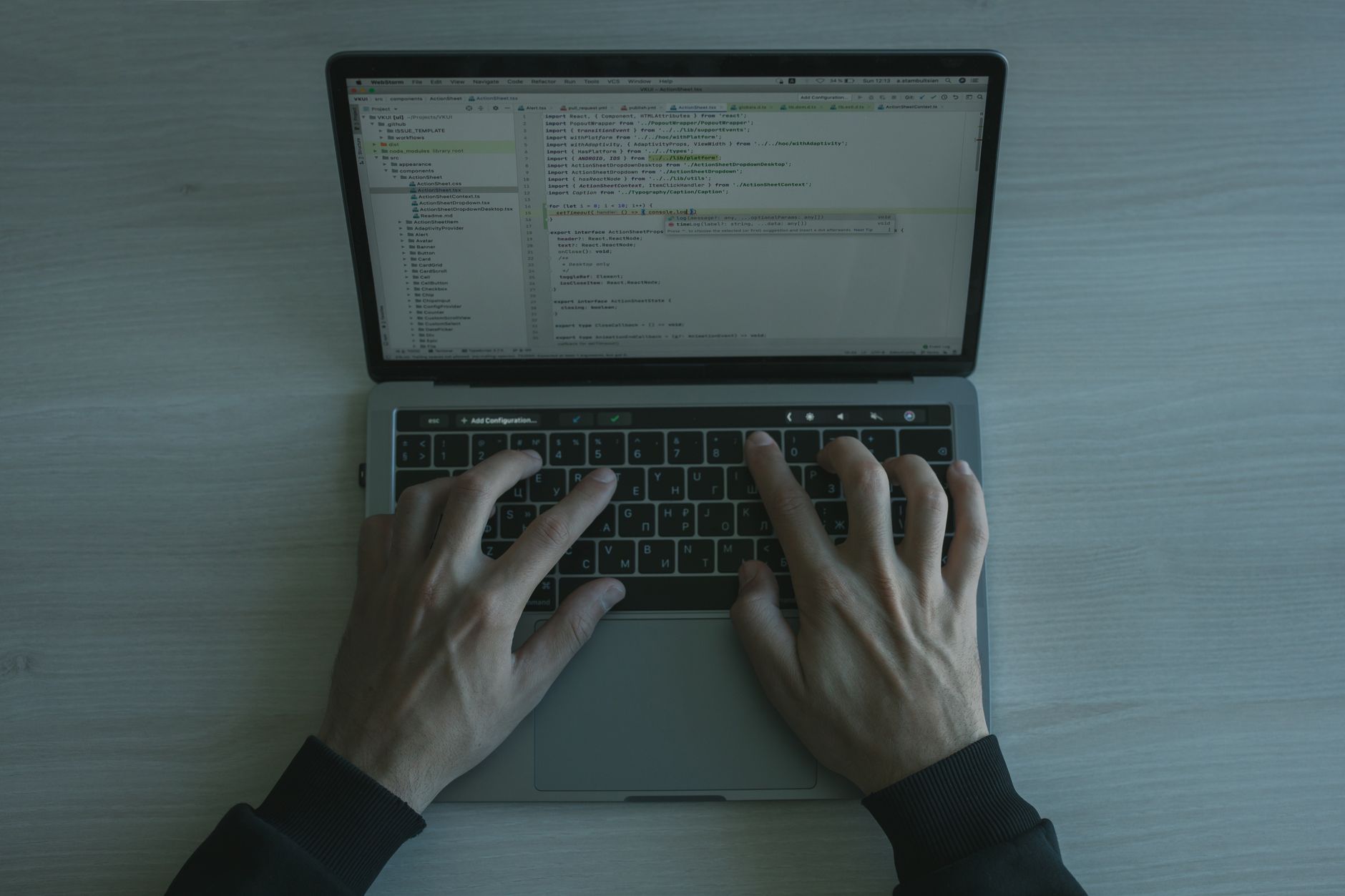
How Can I Reduce My Risk of a Cyber Attack?
Students do not need perfect security; they need 4 habits that block the attacks criminals use most, and those habits start with password reuse, MFA, updates, and a 10-second pause before clicking urgent messages.
The catch: Reused passwords create the biggest mess because one leak can open 5, 10, or 20 accounts at once, and attackers love that math. If your school email, Spotify, and bank login all share 1 password, you hand over a chain of access that takes minutes to try and can take weeks to clean up. Password reuse is the laziest risk students carry around, because it feels harmless right up until a breach hits.
Turn on multi-factor authentication for every account that offers it, especially email, learning platforms, and banking. A password alone fails fast after a data leak, but a 6-digit code, app prompt, or security key forces an attacker to clear a second wall. Keep software patched too. Apple, Microsoft, Google, and major app makers ship fixes all year, and many attacks use flaws that already had a patch weeks earlier. Updates are boring. That is exactly why they matter.
Phishing still works because people rush. A fake Canvas message, a fake Gmail alert, or a fake bank text can look real for 30 seconds, and that 30 seconds is enough if you click first and think later. Slow down on messages that demand action in 1 hour, mention a locked account, or ask you to open a file. Students who build a short pause into their routine cut a lot of risk without buying a thing.
Which Password Habits Protect Students Most?
A strong password plan matters because 1 stolen password can crack open school email, banking, and shopping accounts when you reuse it. The fix starts with different passwords, a manager, and a rule that says no one gets your login except you.
- Use a unique password for every account. One leak should not expose 7 other logins. Reuse makes attackers faster, and that is the whole problem.
- Use a password manager. It stores long passwords, so you do not have to remember 12 separate strings. A good manager beats sticky notes and browser memory.
- Make passphrases long. A phrase with 4-5 random words, like 4 words plus symbols, beats a short tricky password. Length helps more than weird punctuation.
- Never share passwords. Shared logins blur blame and raise the odds that one person writes the password down, sends it in chat, or leaves it on a phone screen.
- Change passwords after a breach. If a service announces a leak, reset that password the same day and change any account that reused it. Waiting 30 days helps the attacker, not you.
- Protect your school email first. Email resets usually control everything else, from bank alerts to class logins. One protected inbox can stop a pile of damage.
- Use the Computer Concepts and Applications habit loop. A basic computer concepts and applications course often teaches the same login habits employers expect, and that can help with college credit later.
Why Does Multi-Factor Authentication Matter?
MFA matters because it asks for 2 proofs instead of 1, so a stolen password alone no longer opens the account. A code from an app, a push prompt, or a physical security key can stop a break-in even after a data leak.
Reality check: Text-message codes beat no MFA at all, but an authenticator app or security key gives stronger protection on 2024 and 2025 accounts because attackers can steal SMS through SIM swaps or message interception. That sounds technical, but the fix stays simple: pick app-based MFA for email, banking, and school portals first. If a site offers a security key, that sits even higher on the list. I trust a tiny hardware key more than a text message every time.
The best part is speed. On most services, setup takes 2 to 5 minutes, and after that you only type a code during a new login or risky sign-in. That tiny delay frustrates criminals who buy stolen passwords in bulk and try them across hundreds of sites.
SMS still beats nothing, and I would rather see students use text codes than leave MFA off. Still, if a service offers an authenticator app, choose that first. If it offers a security key, use it for your main email and banking accounts. A password leak then becomes a nuisance instead of a takeover.
Learn Computer Concepts Applications Online for College Credit
This is one topic inside the full Computer Concepts Applications course on UPI Study — a self-paced, online class that earns real college credit. Credits are ACE and NCCRS evaluated and transfer to partner colleges across the US and Canada. Courses start at $250 with no deadlines and lifetime access.
Browse Computer Concepts Course →Which Update And Backup Habits Matter Most?
Updates and backups do different jobs, and both matter because one stops known holes while the other saves your files after ransomware, theft, or a broken laptop. A student who does both cuts the pain from a bad day to a manageable one.
What this means: You want 2 safety nets: automatic patches on every device and at least 1 backup that lives somewhere else. A laptop crash at 11 p.m. before a due date feels a lot worse when your only copy lives on that same laptop.
- Turn on automatic updates for your phone, laptop, browser, and apps. Do this today, not after the next security story hits the news.
- Install browser updates as soon as they appear. Chrome, Safari, Edge, and Firefox all fix live bugs, and waiting 7 days keeps the door open.
- Back up your files to cloud storage and one external drive. Two copies beat one, and a 1 TB drive can hold years of class work, photos, and papers.
- Test one restore every 30 days. Pick a recent photo or document and bring it back, because a backup that fails during recovery wastes the whole point.
- Keep the external drive unplugged when you do not use it. That helps if ransomware tries to lock files across a connected device.
Computer Concepts and Applications classes often cover file storage, updates, and backup basics, and that matters because simple habits beat fancy rescue plans after a loss. The ugly truth: most people discover backup problems only after something breaks.
How Can Students Spot Phishing Faster?
Students spot phishing faster when they treat every urgent message as suspicious for 15 seconds and check 3 things: sender, link, and request. That habit catches fake login pages, spoofed addresses, and attachment traps before they do damage.
A phishing email often tries to create panic with words like “locked,” “final notice,” or “verify now,” and it may copy a real logo from Google, Microsoft, or your school. Look past the design. Check the sender address, not just the display name, because attackers can fake that name in 5 seconds. Hover over links on a laptop and look at the real web address before you click.
Bottom line: If a message asks for money, a password, or a file within 1 hour, verify it through a second channel. Open a new tab, type the real site yourself, or call the person using a number you already trust. Do not reply to the suspicious email and do not use the contact info inside it. That sounds fussy, but fussy saves accounts.
Attachments deserve the same suspicion. A .zip, .exe, or fake invoice can hide malware, and one bad click can spread trouble across a whole device. Students who slow down on the first message usually avoid the worst mess, while students who trust urgency too fast hand criminals the opening they wanted.
Should You Start With Passwords Or Backups?
If you only have 15-30 minutes, start with passwords and MFA first, because account takeovers happen faster than device failure and one stolen email can reset everything else in 10 minutes. Backups matter a lot, but they protect the damage after a hit; password fixes reduce the chance of the hit in the first place. That is why I would spend the first chunk of time on school email, banking, and the phone that holds your codes.
Worth knowing: A same-day reset beats a vague promise to “do it later,” because later often means never. The fastest order looks boring, but boring is what keeps your bank app, class portal, and social accounts from becoming someone else’s playground.
- Change your school email password first.
- Turn on MFA for banking and email next.
- Update your phone and laptop right after that.
- Back up 1 important folder today.
- Review saved logins in your browser and delete junk.
If you can spare another 10 minutes, change the password on your main social account and remove any old devices you do not use. That small cleanup cuts off stale access that attackers love.
Frequently Asked Questions about Cyber Attack Prevention
Most students change passwords once and hope for the best, but strong unique passwords plus multi-factor authentication stop far more break-ins. A 12-character password made from random words and a 2-step login cut the chance of account takeovers far more than reuse ever will.
This applies to any student who uses email, campus portals, or cloud storage, and it doesn't stop with tech majors or first-years. If you study online, keep grades, bank info, or class files on a phone or laptop, you need the same basic defenses.
Set up 3 things first: a password manager, multi-factor authentication, and automatic updates. Those 3 steps block the most common account theft and malware paths, and they take about 15 to 30 minutes on a laptop or phone.
Start by turning on multi-factor authentication for your email account, then do your banking and school logins next. Email matters because password resets usually go through it, so one protected inbox can stop a chain of account losses.
Yes — you can reduce your risk a lot by updating your devices the same day they ask. The catch is that updates only help if you restart and finish them, because half-installed patches leave holes open.
What surprises most students is that phishing often looks boring, not sloppy. A fake Microsoft, Google, or campus message can use your real name, a school logo, and a link that steals your login in under 1 minute.
If you reuse the same password on 3 or more sites, one stolen login can open your email, class portal, and social accounts in a chain reaction. Attackers often test leaked passwords on student accounts within hours, not weeks.
The most common wrong assumption is that public Wi-Fi is fine if the site shows a lock icon. A lock only protects the page you're on; it doesn't stop a fake hotspot, so avoid logins on open Wi-Fi unless you use a trusted hotspot or VPN.
Backups protect you when antivirus misses ransomware or a laptop dies, and that happens more often than students think. Keep 1 copy in the cloud and 1 on an external drive, with at least 1 backup from the last 7 days.
Yes — a computer concepts and applications course can teach basic file handling, browser safety, and account setup that lower daily risk. If the class includes internet safety, it can also count as college credit through an online course with ACE NCCRS credit or transferable credit at cooperating schools.
Use a password manager, update apps, lock your phone with a 6-digit code or better, and review app permissions once a month. Those habits cut down on stolen logins, old software bugs, and oversharing of contacts, photos, and location.
Check the sender, the link, and the urgency in 10 seconds or less. If a message pushes you to act in 24 hours, asks for a password, or uses a strange domain like 'micr0soft.com,' don't click it.
A password manager plus multi-factor authentication gives you the biggest protection for the least work because you only have to remember 1 master password. Add 2 backups of your data and automatic updates, and you cover the 3 most common student failure points.
Final Thoughts on Cyber Attack Prevention
Cyber defense for students does not start with expensive gear or some perfect master plan. It starts with 5 habits: unique passwords, MFA, updates, phishing checks, and backups. Those moves cut off the most common paths attackers use, and they work on a phone, a laptop, or a shared campus computer. The biggest mistake students make is treating security like a one-time task. It works more like brushing your teeth. You do a little bit often, and the damage stays small. Reused passwords, skipped updates, and rushed clicks create the kind of openings that criminals love because they do not need much skill to exploit them. If you want the fastest payoff, protect your school email first, then your bank account, then the device you use every day. That order makes sense because email resets other accounts, bank access costs money fast, and your device stores the stuff you cannot replace in 5 minutes. A phone lost on a bus or a laptop hit by ransomware can wreck a week of classes in a flash. Start today with one account and one backup. Then do the next one tomorrow.
How UPI Study credits actually work
Ready to Earn College Credit?
ACE & NCCRS approved · Self-paced · Transfer to colleges · $250/course or $99/month