
Encryption protocols and secure communication standards protect data while it moves across a network by making messages hard to read, hard to fake, and hard to change without notice. That means confidentiality, authentication, and integrity all travel together, not one at a time. The most common misconception is simple and wrong: people think encryption alone does everything. It does not. A message can stay secret and still come from the wrong sender, or get altered before it reaches the other side. Real standards, like TLS, SSH, and IPsec, add the rules that check identity, set up keys, and watch for tampering. That matters because data in transit faces a messy world. Public Wi-Fi, shared office networks, cloud apps, and messaging services all send packets through places you do not control. If those packets lack protection, a snoop can read them, copy them, or mess with them. A secure standard closes that gap by building a protected channel between two endpoints. People also mix up encryption with privacy as a whole. Privacy needs more than secret text. It needs smart design, limited data collection, and honest handling of user information. That is why ethics in technology often starts with communication security. If a service promises trust, it should protect messages at the wire level, not just after a breach makes headlines.
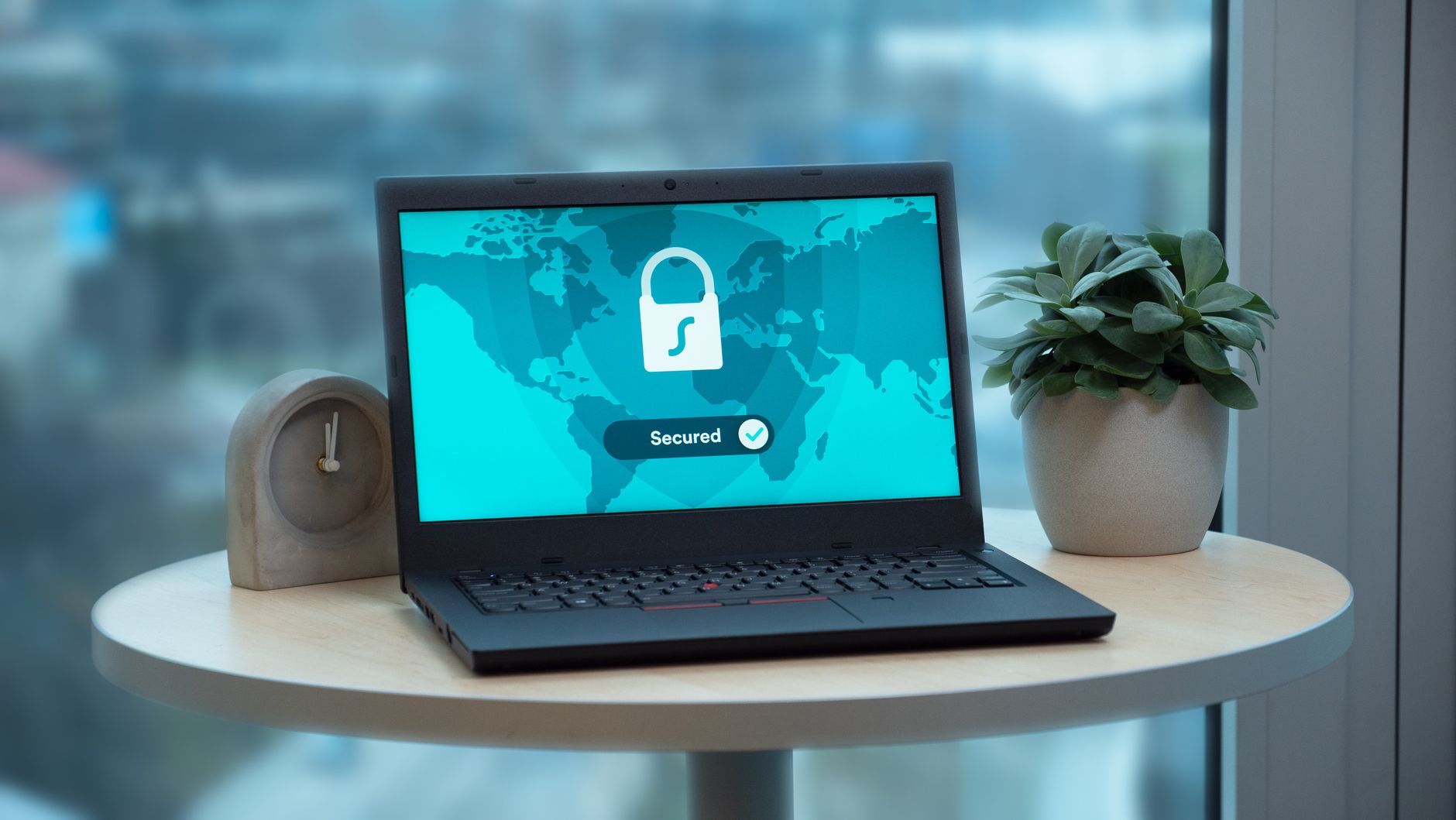
What Are Encryption Protocols And Standards?
Encryption protocols and secure communication standards are rule sets that protect data while it moves across networks, usually by combining encryption, identity checks, and integrity checks in one system. TLS 1.3, for example, sets up secure web traffic in about 1 round trip, while older TLS 1.0 dates back to 1999 and should stay retired.
The common mistake sounds harmless: people say, “If it’s encrypted, it’s safe.” That misses the rest of the job. A protocol also decides how two devices prove who they are, how they agree on keys, and how they spot changes to a message’s 32-bit or 128-bit data blocks. Without those rules, a secret message can still come from an impostor.
The catch: Encryption hides content, but a standard tells both sides how to start the conversation, verify the other side, and reject junk. That is why standards like TLS and SSH matter more than a single cipher name, which sounds impressive but solves only 1 piece of the problem.
I like this part of the field because it cuts through hype fast. Good security work asks, “Can the receiver trust this packet?” not just “Can nobody read it?” That question shapes web browsers, email systems, payment tools, and even an ethics in technology course that talks about consent, privacy, and safe design. A protocol becomes meaningful only when it gives the whole exchange 3 things at once: secrecy, trust, and tamper resistance.
How Do Encryption Protocols Protect Messages?
Encryption protocols protect messages by turning readable data into unreadable text for anyone without the right key, then restoring it only on the receiving side. In most modern systems, symmetric encryption handles the fast part, while asymmetric encryption handles the first handshake, often through RSA, Diffie-Hellman, or elliptic-curve methods like X25519.
Reality check: The first message does not usually use one magic key forever; it uses a short setup step, then both sides share a session key that may last for 10 minutes or a full browser session. That split matters because symmetric ciphers like AES-128 move fast, while public-key systems handle identity and key exchange better, even though they run slower.
TLS builds this secure channel by pairing certificate checks with encrypted traffic. A browser can see a site’s certificate chain, verify it against a trusted root, and then create a shared session key for the rest of the exchange. If someone tries to intercept the traffic, the handshake fails or the data stops matching the message authentication code.
What this means: A secure channel does 3 jobs at once: it hides the content, proves the other side belongs to the session, and flags tampering in seconds. That is a smarter design than plain encryption, and honestly, it saves teams from a lot of ugly mistakes.
You can see this in HTTPS, where the lock icon means the browser and server finished a TLS handshake, not that the site has perfect intentions. That detail matters. A fake store can still use HTTPS if it controls a valid certificate, so people need to read the protocol sign, not just the padlock. The standard protects the pipe; it does not bless the person sending through it.
Learn Ethics In Technology Online for College Credit
This is one topic inside the full Ethics In Technology course on UPI Study — a self-paced, online class that earns real college credit. Credits are ACE and NCCRS evaluated and transfer to partner colleges across the US and Canada. Courses start at $250 with no deadlines and lifetime access.
Browse Ethics In Technology →Which Secure Communication Standards Matter Most?
Four standards show up constantly in real systems, and each one solves a different problem. Web traffic, remote admin, and app messaging all need different protection, even though they share the same 3 goals: secrecy, identity, and integrity.
- HTTPS uses TLS to protect web traffic on port 443. It keeps logins, payments, and form data private while a browser talks to a server.
- IPsec protects traffic at the network layer, often between two routers, offices, or VPN endpoints. It helps secure site-to-site links across the public internet.
- SSH protects remote administration on port 22. System admins use it to log in to Linux servers and run commands without sending passwords in plain text.
- End-to-end encrypted messaging standards protect chat content so only the sender and receiver can read it. Apps like Signal use this model to block server-side snooping.
- Certificate-based trust supports most of these tools by tying a public key to a known identity. Browsers and servers use it to cut down on spoofing.
- OpenVPN and WireGuard often appear in VPN setups, though they rely on different design choices. One focuses on broad compatibility, and the other keeps the codebase small.
Network and Systems Security covers these layers with the kind of structure that helps when the acronyms start blurring together. That class pairs well with an ethics in technology course because the same standards that protect traffic also shape how much data a service should collect.
Ethics in Technology gives that bigger picture a place to live, and it does not feel abstract once you connect it to TLS certificates, VPN tunnels, and private chats.
Why Do Encryption Protocols Fail In Practice?
Encryption protocols fail in practice when people mismanage them, not when the math suddenly breaks. In a lot of breaches, the weak spot looks ordinary: an expired certificate, a password like “admin123,” a server left on TLS 1.0, or a key stored in a shared folder.
Worth knowing: A perfect standard can still lose to bad setup. A team can buy strong crypto and still leak data if it forgets to rotate keys every 90 days, skips certificate renewal, or leaves a private key on a laptop that gets stolen.
That is why “secure” and “correctly installed” are not the same thing. A server can claim HTTPS and still support weak ciphers, broken redirects, or mixed content that drags one page back into risky territory. A VPN can also fail if the config exposes old protocols or uses the same key for too many systems.
I think this is the part that gets the least respect and causes the most pain. People love talking about fancy algorithms, but day-to-day security dies in configuration screens, update delays, and sloppy access control. If a school lab, company, or course platform ignores those basics, it hands attackers a cheap opening.
That lines up with real-world reports from OWASP, NIST, and browser vendors: outdated protocols and weak key handling keep showing up in incident reviews. The fix is boring, and boring wins here. Use current standards, patch fast, and treat certificates, passwords, and keys like live parts of the system, not decoration.
How Do Secure Standards Support Ethics In Technology?
Privacy and trust are ethical duties, not bonus features, because a service that moves data across the internet has 2 clear jobs: protect people from harm and respect what they share. The 2018 GDPR framework pushed that idea hard, and most serious online services now treat encrypted communication as part of basic responsibility, not a fancy extra. If a platform sends student records, payment details, or private messages, it has already entered ethics in technology territory. Security standards help because they limit who can read the data, who can alter it, and who can watch the traffic without consent. That matters in education, healthcare, banking, and any online course that handles names, grades, or identity documents.
- They reduce passive surveillance on open networks, including public Wi-Fi and shared campus systems.
- They protect user data during login, payment, and message delivery, where leaks hurt fast.
- They back informed consent by keeping private data private unless a user chooses to share it.
- They help services meet compliance rules tied to GDPR, HIPAA, and PCI DSS.
- They support trustworthy online courses that collect grades, IDs, and progress records.
Ethics in Technology fits this topic because it connects the technical side to the human side without pretending those are separate worlds. That mix matters when a course talks about ace nccrs credit, transferable credit, or any online course that stores student data.
Security also shapes consent in a very plain way: people cannot make a real choice if a service leaks their information on the first hop. That is a bad trade, and I do not think anyone should call it harmless.
Frequently Asked Questions about Encryption Protocols
The biggest wrong assumption is that encryption alone makes every message safe; you also need secure communication standards like TLS 1.3, which add authentication and tamper checks. Encryption turns plain text into unreadable data, while the standard tells your devices how to trade that data safely.
Start by looking for HTTPS in the browser bar, then check whether the site uses TLS 1.2 or TLS 1.3. Those standards help protect data in transit by hiding the content, proving the server’s identity, and flagging changes during transfer.
No, they protect data in transit, but they don't fix weak passwords, stolen devices, or bad access control. A secure channel like TLS protects messages while they move between two points, yet user privacy still depends on how each side stores and handles the data.
Most students memorize terms like SSL, TLS, and HTTPS, but what actually works is tracing the path of one message from sender to receiver. That lets you see where authentication starts, where encryption begins, and where tamper resistance matters.
If you get them wrong, attackers can read, change, or fake your messages during transit, and that can expose passwords, bank details, or health data. A bad protocol choice can also break trust in apps, which matters in ethics in technology because users expect honesty and privacy.
What surprises most students is that a secure standard does more than hide text; it also checks identity and message integrity in one flow. TLS uses certificates and cryptographic handshakes, so your device can verify it's talking to the right server before data moves.
This applies to anyone who sends data online in 2026, from shoppers and students to hospitals and banks, and it doesn't apply only to programmers. If you study online, use messaging apps, or handle personal records, you're already touching these standards every day.
A $0 ethics in technology course should show how confidentiality, authentication, and tamper checks protect people, not just systems. If it also covers college credit, ask whether the class gives ACE NCCRS credit or transferable credit through an online course provider.
They keep your message private while it travels, prove the other side is real, and make hidden edits easier to catch. That matters because a login, a medical note, or a payment form can cross multiple servers in 1 to 3 seconds.
You should know TLS 1.2, TLS 1.3, HTTPS, and SSH first because they show up in browsers, websites, and remote login tools. SSL still gets mentioned, but modern systems use TLS, and browsers flag weak setups fast.
They connect because ethical tech work protects users from surveillance, leaks, and message tampering, not just from bugs. A good ethics in technology course shows how secure design supports consent, privacy, and trust in apps, websites, and online course platforms.
Final Thoughts on Encryption Protocols
Encryption protocols and secure communication standards matter because they protect the parts of online life that people cannot see but still depend on every day. They hide content, verify who is talking, and catch tampering before it turns into fraud, identity theft, or a privacy mess. The big mistake is to treat encryption like a magic shield. It only works when a protocol brings the whole package: key exchange, certificates, session rules, and integrity checks. TLS, SSH, IPsec, and end-to-end messaging systems each solve a different problem, and that difference matters more than most people think. I also think this topic has a moral side that gets ignored too fast. If a company collects messages, grades, or payment data, it takes on a duty to protect that data in transit, not just after storage. That duty shows up in browser locks, VPN tunnels, login pages, and encrypted chat apps, but it also shows up in policy, training, and system setup. A smart next step is simple: look at one app, one course platform, or one site you use this week and ask which standard protects its traffic, then check whether the setup matches the promise.
How UPI Study credits actually work
Ready to Earn College Credit?
ACE & NCCRS approved · Self-paced · Transfer to colleges · $250/course or $99/month