
EMT training and paramedic programs do not lead to the same job, and that difference matters before you spend time and money. EMT training usually takes about 120 to 150 hours, while paramedic training often runs 1,000 hours or more, plus clinical work. One gets you into the field faster. The other asks for a lot more. Most students blur the two together because both sit under EMS career path work and both deal with emergencies. Bad mistake. EMT training teaches you to start care, move fast, and handle the basics. Paramedic certification goes much deeper. You learn to read more, do more, and carry more responsibility when a call turns ugly. A lot of people chase paramedic school too early because the title sounds bigger. That can backfire if they have not even handled the pace of first responder education yet.
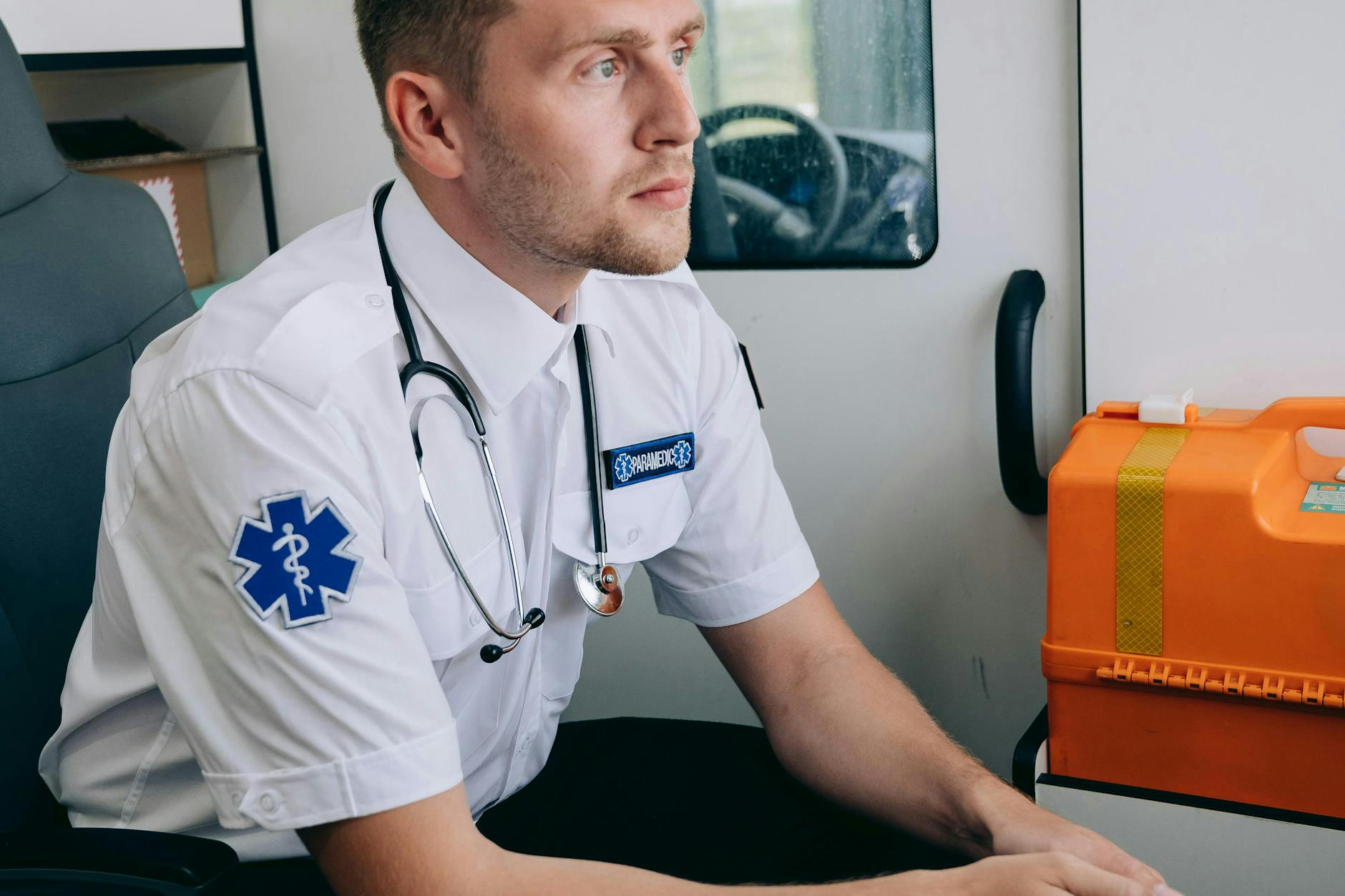
Who Should Choose Each Path
This choice fits people at very different stages. EMT training makes sense for someone who wants a faster entry into EMS, wants to test the work before sinking years into school, or needs a job path that starts sooner. It also fits students who like hands-on work and do not want to sit in class forever before they see a paycheck. That part gets ignored too often, and it should not. Time matters. Money matters more. Paramedic programs fit students who already know they want to run the hard calls, work with more tools, and take on more responsibility. They also fit people who can handle memorizing more drug info, more math, and more decision-making under stress. If that sounds heavy, good. It is heavy. Reality check: If you hate anatomy, panic under time pressure, or barely passed basic science, paramedic school will chew you up. That sounds harsh because it is harsh. Better to hear it now than after you pay tuition and quit halfway through. Not every student needs the advanced route on day one. Some people do better by starting as an EMT, working calls, and then moving up once they know the job in their bones. That path can save money and reduce bad assumptions. On the other hand, if you already know you want hospital-level thinking in the field and you can handle a long schedule, waiting around for “maybe later” just wastes time. There is no medal for choosing the harder path too early.
What do EMT and paramedic programs teach?
EMT training teaches you emergency basics: patient assessment, CPR, oxygen, bleeding control, splinting, and how to move a patient safely. Paramedic training adds a lot more depth. You learn advanced airway care, heart rhythm work, medications, and more complex judgment calls. People mess this up because they think both programs just teach “how to help in emergencies.” That is too sloppy. One path trains you to stabilize. The other trains you to manage more of the problem while the clock is screaming. A common rule in many EMS programs is that EMT classes run around 120 to 150 hours, while paramedic programs often stretch past 1,000 hours and include clinical and field time. That extra time is not fluff. It changes how you study, how you test, and how much life you can keep outside school. If you need a rigid nine-to-five schedule, paramedic school can be a nightmare. Most people also get the job ladder backwards. They think paramedic comes first because it sounds more impressive. Wrong. In many places, you start as an EMT, get field time, and then move up. That order exists for a reason. You need a base before you stack on more. If you start with the advanced track and skip the basics, your weak spots show up fast in the field. And the field does not care about your ego.
How does paramedic training fit life?
The most common student mistake is simple: they pick paramedic because they want the title, not because they understand the work. That choice burns people. Fast. A better move starts with a hard look at your schedule, your study habits, and how much stress you can carry without falling apart. Then you pick the path that fits the life you actually have, not the life you wish you had. First step: look at the length of the program and the support you have for school, work, and family. Then think about what kind of calls you want to handle. EMT training gets you into the field sooner, which helps if you need hands-on experience before making a bigger commitment. Paramedic school demands more from you from day one, and that is where a lot of students crack. They think they can “figure it out later.” Later arrives during a skills test or a clinical shift, and then the room gets quiet. What good looks: like is boring in the best way. You show up, study a little every day, ask sharp questions, and stop pretending the harder path makes you better than the faster one. Some students should start with EMT training and stop acting like that means they settled. It does not. It means they made a smart move with their money and time. Others should go straight toward paramedic certification because they already have the discipline and the long-term plan. That works too. If you want a place to compare EMS paths without the sales fluff, this EMS course page gives you a solid starting point for the subjects that show up in first responder education.
Why can EMT training lose transfer credit?
The catch: EMT training looks short on paper, so students treat it like a small side step. Bad move. A lot of first responder education plans fall apart because the school only gives a limited block of transfer credit, and that means you can lose a full semester of progress if you pick the wrong class set. I have seen students spend months on EMT training, then find out their next school only counts 6 to 9 credits toward the major. That is not a tiny miss. That can push graduation back by one full term, sometimes longer if the school locks a class behind a prerequisite chain. What this means: If you want paramedic certification later, the school you pick now matters more than the badge on your chest. Paramedic programs dig deeper into anatomy, pharmacology, cardiology, and patient assessment. That means your EMS career path can turn into a degree path fast, and schools do not hand out credit the same way for that work. Students often miss the part where one program piles on lab hours while another counts more classroom time. Same field. Very different credit math. The annoying truth is that one rushed choice can cost you a whole extra term of tuition and delay the classes you need next.
The Complete First Responders Credit Guide
UPI Study has a full resource page built specifically for first responders — covering which courses count, how credits transfer to US and Canadian colleges, and how to get started at $250 per course with no deadlines.
See the Full First Responders Page →How do paramedic and EMT training differ?
In practice, paramedic vs EMT is not just a label fight. EMT training usually gets you into field work faster, but paramedic education asks for a lot more time in class, in labs, and in clinical settings. People picture a nice clean schedule. Reality looks messier. You may spend nights on airway skills, weekends in ride-alongs, and long stretches studying drug math while also trying to keep up with other school work. A detail most articles skip: many paramedic students must pass skills checkoffs in a set order, and if they fail one part, they sit and wait for the next open slot. That delay can wreck your semester. The job itself also changes. EMTs handle a narrower set of tasks, while paramedics make more calls on meds, advanced airways, and complex patient care. That difference affects how teachers grade you and how preceptors judge you in the field. Some students love that pressure. Some hate it. I think people sell paramedic training as “just more school,” and that undersells the grind by a mile.
What To Check Before Signing Up
Check the degree map: Before you enroll, pull the exact degree plan for the school you want next. Not the brochure. The real plan. Look for transfer caps, required electives, and any class that blocks the next one. If the plan does not show where EMT training fits, ask for a written answer. Look at the hour count too. Some programs want a set mix of lecture, lab, and clinical time. Others care more about course titles than total hours. That small detail can change how much credit you keep. Also check whether your EMS career path includes a bridge to paramedic certification, because a bridge and a brand-new start do not follow the same rules. You should also check course names against the classes your target school already uses. A course called Introduction to Psychology may help in one program and do almost nothing in another if the degree plan wants a different slot filled. That sounds picky because it is picky. College loves picky.
Frequently Asked Questions about EMT and Paramedic Training
6 to 16 weeks for EMT training, and 1 to 2 years for paramedic programs. EMT courses usually cover basic patient care, CPR, oxygen, splinting, and scene safety. Paramedic certification adds airway tools, IVs, meds, trauma care, and hospital clinical hours.
Pick the EMT course first. It's the fastest way into first responder education, and most programs need a high school diploma or GED, a CPR card, and a clean background check before you start riding in an ambulance.
Most students start with EMT training, but the path that works best is EMT first, then field work, then paramedic school. That route gives you patient contact, earns income faster, and makes the harder medical classes less brutal.
No, paramedic vs EMT is mostly about scope. EMTs handle basic life support, while paramedics can give medications, start IVs, read ECGs, and make more advanced treatment calls. That extra skill set takes months of labs, clinicals, and ride time.
The most common wrong assumption is that EMT training and paramedic certification take about the same effort. EMT school can be short and focused, but paramedic school is a long grind with anatomy, pharmacology, and hundreds of clinical hours.
This applies to you if you want to work in an ambulance, fire service, or hospital transport role. It doesn't apply if you want a fast certificate only for basic event standby work, because paramedic programs demand much more time, money, and testing.
Final Thoughts on EMT and Paramedic Training
EMT training and paramedic school are not the same ride. EMT training gets you moving sooner. Paramedic training asks for more depth, more time, and a lot more planning. If you treat them like the same thing, you will waste time and probably money too. Pick the school first, then pick the credit path. That is the move. Build around the degree you want, not the class that looks easiest this month.
How rank usually moves
Ready to Earn College Credit?
ACE & NCCRS approved · Self-paced · Transfer to colleges · $250/course or $99/month