
Stalking means repeated, unwanted contact or attention that makes a person feel fear, distress, or unsafe. In criminology and criminal law, people do not treat it as one odd moment. They treat it as a pattern. That matters because a single text, call, or appearance might look minor on its own, but 10 messages in 2 days, or someone showing up outside a home, can tell a very different story. Students often hear the word used loosely. A classmate might say, “He keeps stalking my posts,” or “My ex stalks me,” even when the behavior does not meet the legal test. Formal definitions ask harder questions: Did the person repeat the contact? Did they ignore a clear boundary? Did the conduct create fear or serious distress? Those details change everything. This topic is relevant in an introduction to criminology course because stalking sits right where behavior, harm, and law meet. It also connects to college safety, digital privacy, and how police collect evidence. A victim may not have bruises, but they may lose sleep, skip class, change routines, or stop using social media. That kind of control can wreck daily life fast. Laws respond by looking at repeated acts, intent or knowledge, and proof that the target felt threatened or deeply distressed. The same pattern can show up in person, online, through third parties, or through property damage. Once you know the pattern, the warning signs get much easier to spot.
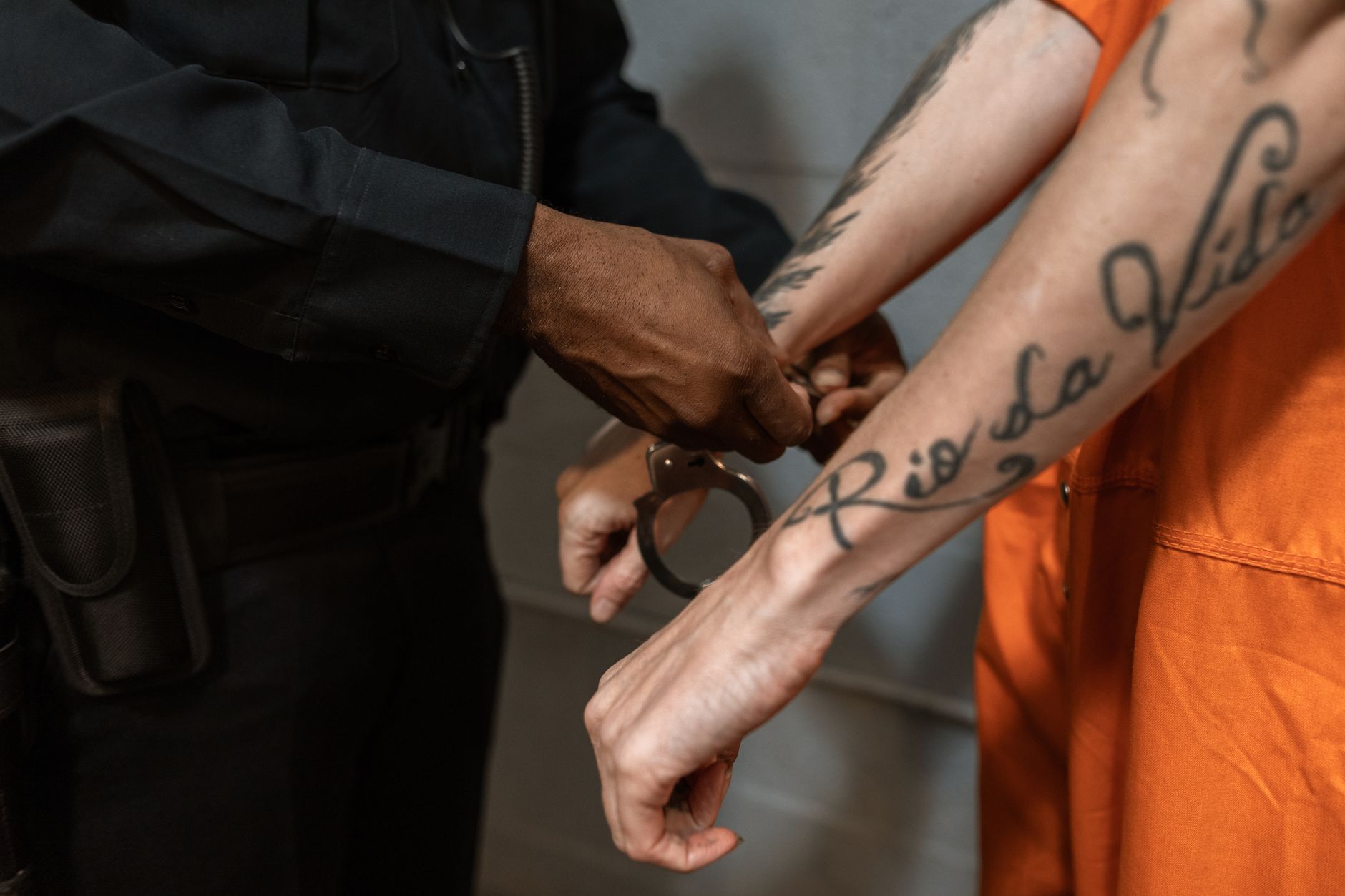
How Is Stalking Defined In Criminology?
In criminology, stalking means a repeated pattern of unwanted contact or surveillance that creates fear, distress, or a real safety risk, and researchers usually look at 2 parts: the behavior and the harm.
That split matters. A single text on March 3 or one appearance at a campus event can feel creepy, but criminologists care more about repetition over time, like 5 calls, 8 emails, and a surprise visit in the same week. They study the pattern because stalking often starts small and then gets tighter, more personal, and more controlling. The harm can grow even when the stalker never touches the victim. That is why criminology treats stalking as a process, not a random outburst.
Formal academic definitions also separate stalking from sloppy everyday use of the word. People sometimes say “stalking” for curiosity, gossip, or looking at a public profile 1 time. That is not the same thing. Real stalking usually involves persistence after rejection, boundary crossing, and conduct that makes a reasonable person feel unsafe. The target may change routes to class, block numbers, or stop posting photos. Those reactions tell you the behavior has moved past annoyance.
The catch: Criminology cares about repetition and impact, not drama. A pattern of 3 or more unwanted contacts can matter more than one loud threat, because the behavior shows persistence.
That lens also helps explain why stalking shows up in intimate partner cases, campus cases, and stranger cases. A student who gets 12 messages over 10 days from someone who keeps getting blocked is not dealing with a normal social mistake. They are dealing with conduct that mixes intrusion, pressure, and fear. The name on the label matters less than the pattern underneath it.
The formal definition gets strict for a reason. If the law only looked at one event, it would miss the slow build that makes stalking so hard to escape.
What Types Of Stalking Behaviors Exist?
Stalking shows up in more than one form, and real cases often mix 2 or 3 behaviors at once. A person may follow someone in public, flood their phone with messages, and then show up online or through a friend on the same day.
- Physical following starts with watching, trailing, or waiting near a home, job, or campus building. A person who sits outside a dorm at 7:30 p.m. three nights in a row is not being casual.
- Unwanted communication covers calls, texts, emails, notes, and DMs sent after a clear stop signal. Twenty messages in 24 hours is not “just trying to talk.”
- Cyberstalking uses social media, location apps, hacked accounts, or fake profiles to track or pressure a target. A person can monitor someone’s posts every 15 minutes and still create real fear.
- Third-party contact happens when the stalker uses friends, family, classmates, or coworkers to pass messages or gather information. That lets the stalker keep pressure going without direct contact.
- Property interference includes gifts left at a door, damaged tires, broken locks, or items moved around as a warning. Once threats or violence enter the picture, the case moves into a much sharper legal zone.
Reality check: Most stalking cases do not stay in one lane. A person who starts with 2 texts may later appear in person, then switch to social media after getting blocked.
That mix is why pattern evidence matters so much. One act can look small. Four linked acts can look like control.
Learn Introduction To Criminology Online for College Credit
This is one topic inside the full Introduction To Criminology course on UPI Study — a self-paced, online class that earns real college credit. Credits are ACE and NCCRS evaluated and transfer to partner colleges across the US and Canada. Courses start at $250 with no deadlines and lifetime access.
Explore on UPI Study →Which Warning Signs Suggest Stalking?
The warning signs usually show up in clusters, not as one dramatic event, and 1 uncomfortable message can turn into a pattern fast. A college student might get repeated DMs, see the same person at the library twice in 1 week, and notice that a stranger keeps reacting to private posts.
- Repeated contact after “stop” means the person ignores a clear boundary. That is one of the strongest red flags.
- Monitoring routines can show up as comments about class times, commute times, or lunch spots. A stalker often learns the target’s 8 a.m. habits fast.
- Showing up at known locations, like a gym, café, or dorm lobby, points to tracking rather than coincidence. Three surprise appearances in 10 days raise the alarm.
- Impersonation can mean fake accounts, copied profile photos, or messages sent as if they came from someone else. That trick turns digital spaces into traps.
- Account intrusion includes password resets, login alerts, or private photos posted without permission. A hacked account gives the stalker a 24/7 window into the target’s life.
- Gifts or messages that feel “nice” but carry pressure can hide control. Flowers sent after a breakup can still be a threat when they arrive every Friday.
- Escalation after boundaries get set often shows the real pattern. If the contact gets worse after blocking, reporting, or asking for space, the risk goes up.
What this means: The line between annoying and dangerous often sits in repetition. One weird message can be a fluke; 6 messages after blocking can be stalking.
A student who saves screenshots, dates, and locations can spot that pattern faster than someone who relies on memory alone.
Why Is Stalking So Dangerous?
Stalking hurts because it keeps a person on alert for days, weeks, or months, and that constant stress can trigger anxiety, sleep loss, and trouble concentrating in class or at work.
The danger does not stop at feelings. A 2023 campus case or a 2019 workplace case can still leave the same pattern: the target starts checking doors, changing routes, and avoiding places they used to enjoy. That hypervigilance drains energy fast. Some people stop answering calls. Some quit clubs. Some skip a 3 p.m. lab or miss a shift because they fear being watched.
Physical harm can come later, and that delay fools people. A stalker may start with messages, then move to threats, then move to assault. Research and police reports from many countries show that escalation matters more than the first contact. When someone loses privacy, they lose freedom too. That loss of control can feel just as real as an injury.
Bottom line: Stalking is dangerous because fear changes behavior. A person who lives around a threat cannot relax, sleep well, or trust simple routines.
That is why the law takes repeated intrusion seriously even before a physical attack happens. The harm already starts when someone feels watched in their own home, on campus, or at work. Once that fear takes hold, daily life shrinks.
How Do Laws Define And Prosecute Stalking?
Criminal law usually defines stalking as a course of conduct, which means 2 or more acts, plus intent or knowledge, plus a result like reasonable fear or substantial emotional distress. That structure helps prosecutors separate stalking from one rude message or one bad date. A student who logs 12 unwanted contacts over 3 weeks gives police a much stronger evidence trail than someone who remembers events only in general terms.
- Repeated acts matter because the law looks for a pattern, not a single slip.
- Credible threat can come from words, actions, or a history of escalation.
- Victim impact often shows up as fear, sleep loss, or major routine changes.
- Evidence can include screenshots, call logs, timestamps, witness statements, and camera footage.
- Protective orders can ban contact before or after a criminal case starts.
The prosecution side depends on proof, and proof often lives in tiny details: 14 texts at 11:20 p.m., a note left at a car, or a social media account created 2 days after a block. Courts like clear timelines because they show persistence and intent. Some states and countries also add penalties for violating restraining orders or for stalking that targets a minor, a public official, or a person with prior history with the offender.
Worth knowing: Evidence wins cases more often than anger does. A neat timeline with 3 weeks of records can matter more than a dramatic story with no dates.
A prosecutor does not need a movie-style chase scene. They need a pattern, a fear standard, and records that tie the acts together.
Frequently Asked Questions about Stalking Laws
What surprises most students is that stalking can happen without physical contact or a single threat; repeated contact, watching, tracking, or showing up 2, 3, or 20 times can meet the legal standard. Criminology looks at the pattern, not just one act.
A college student in an introduction to criminology course usually studies stalking as a pattern of repeated fear-causing behavior under criminal law, not just a bad breakup. In the U.S., many states use a “course of conduct” rule, often tied to 2 or more acts.
Most students memorize a short definition, but what actually works is linking the behavior, the fear it causes, and the law’s repeat-pattern test. Stalking definitions types signs and laws all depend on that 3-part link, not one text, call, or visit.
Stalking in criminal law means repeated behavior aimed at a specific person that causes fear, distress, or safety risk, and it often includes following, threats, or unwanted contact. Some laws also cover digital tracking, GPS use, and repeated messages after clear refusal.
This applies to anyone targeted by repeated unwanted conduct, whether the person knows the offender, dated them, or never met them; it doesn't cover one rude message or one awkward encounter by itself. Courts usually look for pattern, intent, and fear.
Save dates, screenshots, call logs, photos, and location data first, because police and courts use that record to show repeated conduct over days or weeks. If you can, write down each incident within 24 hours while details stay fresh.
If you get stalking signs wrong, you can miss a real danger and lose time before police, campus security, or a court can act. That matters because stalking often escalates from 1 channel, like texts, to 3 or 4 channels, like calls, posts, and surprise visits.
The most common wrong assumption is that stalking only means physical following, but courts also treat repeated calls, gifts, emails, social media monitoring, and app-based tracking as possible stalking. In many statutes, 2 unwanted acts can matter more than distance.
The main types are physical stalking, cyberstalking, proxy stalking, and intimate-partner stalking, and each one uses a different route to create control or fear. A person can stalk by waiting outside work, sending 50 messages, or using friends to pass threats.
Common signs include repeated contact after a clear no, showing up at home or work, monitoring social media, gifts that feel like pressure, and threats tied to daily routines. You may also see patterns over 7 days, 30 days, or longer.
Stalking laws protect victims through arrest, restraining orders, no-contact orders, and electronic monitoring in some cases, with penalties that can include jail, probation, or fines. Many states also let victims report cyberstalking that happens across phones, apps, and email.
Officers and courts prove stalking by showing a repeated course of conduct, a target, and a fear or safety impact, often using texts, witness statements, and timestamps. In some states, prosecutors don't need a direct threat if the pattern shows intent.
Yes, you can study online in an introduction to criminology course and earn college credit through ACE NCCRS credit or other transferable credit options at cooperating schools. That works well if you need flexible 4- to 8-week study blocks and want a clear law-and-crime unit.
Final Thoughts on Stalking Laws
Stalking starts with repetition, not spectacle. That is why the legal definition, the behavior pattern, and the victim’s fear all matter at the same time. Once you know what to look for, the clues stop looking random. A dozen messages, a surprise appearance, a fake account, or a trail of screenshots can tell the same story: someone keeps crossing a line after they know it exists. The smartest move is to treat patterns like evidence. Save dates. Keep screenshots. Write down times, places, and names. If you see repeated contact after a clear boundary, do not brush it off as awkward behavior. That kind of dismissal helps the stalker, not the target. Laws respond because stalking takes away freedom in small steps. A person starts changing routes, checking locks, muting phones, or skipping places they used to trust. That shift can happen before any assault, and it still counts as harm. Courts and police look for course of conduct, proof of fear or distress, and records that show the behavior kept going. If this topic connects to your class, your safety, or a case you are studying, keep the focus on patterns, not excuses. Start with the facts, and the rest gets clearer.
How UPI Study credits actually work
Ready to Earn College Credit?
ACE & NCCRS approved · Self-paced · Transfer to colleges · $250/course or $99/month