
First-degree murder is the most serious common murder charge in criminal law. It usually means the killing was planned, deliberate, and done with intent, not a split-second loss of control. That planning matters because it pushes the case above second-degree murder and manslaughter, where the facts usually show less setup, less thought, or a heat-of-the-moment act. Students in an introduction to criminology course often run into this charge while studying how law sorts violent acts into grades. The label sounds simple, but courts care about details like motive, weapon choice, threats, and timing. In the United States, state laws vary, and criminal codes use different words, yet the core idea stays the same: a person killed another person with a higher level of blame than other homicide charges. That difference can mean life in prison, life without parole, or, in some places, the death penalty. A 10-minute plan can count. So can a murder tied to another serious felony, depending on the state. If you want to understand criminal law without getting lost in jargon, first-degree murder gives you a sharp view of how intent and punishment work together.
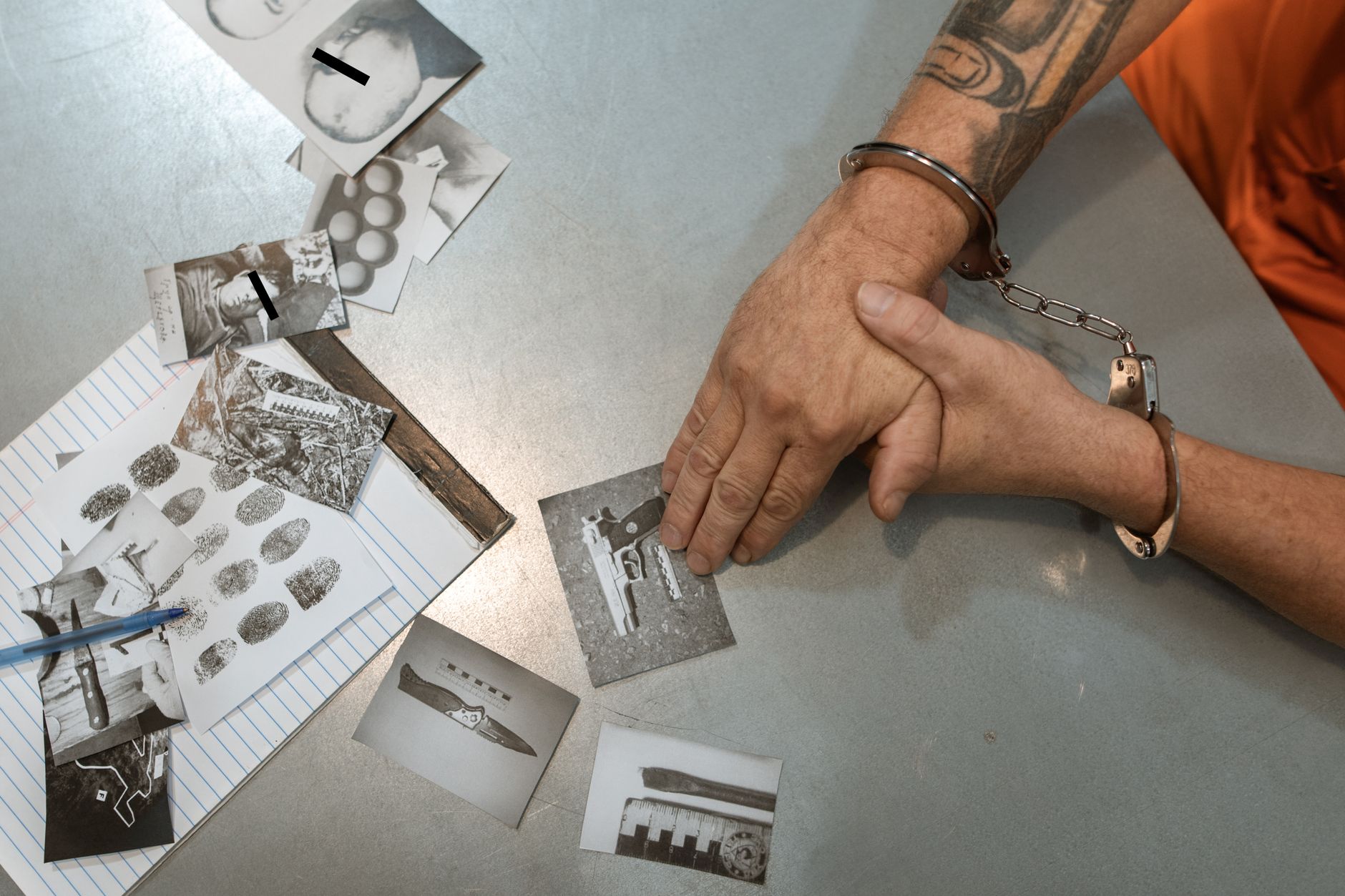
What Makes First-Degree Murder Different?
First-degree murder usually means a killing done with intent, premeditation, and deliberation, which is why courts treat it as more blameworthy than a sudden 2-second outburst. The exact wording changes by state, but the core idea stays steady: the defendant formed the killing plan before the death and acted with a higher level of choice.
That “before” does not mean weeks of plotting. In many cases, a court can find premeditation from a short pause, a loaded gun, a trip home to grab a weapon, or a text sent 15 minutes earlier that shows planning. That is the part students often miss, and it matters a lot.
A careless or impulsive killing usually lands lower on the ladder. First-degree murder sits at the top because the law sees planning as a sign of cold judgment, not raw panic. I think that distinction is harsh but fair, because a person who chooses violence after reflection deserves a stronger charge than someone who acts in a blind rage at 11:00 p.m.
Deliberation adds another layer. It means the person thought about the act, even if only briefly, and did not act on a pure accident or reflex. Courts do not need a 3-day diary entry or a witness to the whole thought process. They infer it from facts, and that is where many cases are won or lost.
Which Elements Must Prosecutors Prove?
A prosecutor has to build first-degree murder step by step. The case starts with a killing, then moves through intent, planning, and the link between the defendant’s act and the death; without that chain, the charge can collapse.
- The state first proves an unlawful killing. That means the death did not happen by accident, self-defense, or another legal excuse.
- Next, the prosecutor shows malice or specific intent to kill. A written threat from 2 days earlier can matter, and so can a direct statement like “I am going to kill him.”
- Then comes premeditation. Planning can be brief, even a few minutes, if the evidence shows the person made a real decision before acting.
- Deliberation comes next. Courts look for calm choice, not a reflex, and they often read that from conduct before the attack and the use of a chosen weapon.
- Finally, the prosecution links the conduct to the death. A gun fired at close range, a poison mixed into food, or a beating after a 30-minute wait can supply that link.
- Investigators also use motive, threats, and conduct after the crime. Running, hiding evidence, or sending a bragging message within 1 hour can strengthen the state’s story.
How Does First-Degree Murder Compare?
This comparison shows why first-degree murder sits above the other homicide charges. The difference is not just the result — all three involve a death. The real split comes from intent, planning, and how much choice the law thinks the person had in the moment.
| Charge | Intent / Planning | Typical Punishment |
|---|---|---|
| First-degree murder | Intent + premeditation | Life, life without parole, or death |
| Second-degree murder | Intent or extreme recklessness | Long prison term, often 10+ years |
| Manslaughter | No full premeditation | Shorter prison term, often 1-15 years |
| Planning time | Minutes to days | Little or none |
| Where to take it | Criminal law, intro to criminology, Introduction to Criminology | College credit, transfer-focused study |
That table is blunt on purpose. First-degree murder means the law sees a planned kill; manslaughter usually means the law sees a heated or careless death, not a calculated one.
Learn Introduction To Criminology Online for College Credit
This is one topic inside the full Introduction To Criminology course on UPI Study — a self-paced, online class that earns real college credit. Credits are ACE and NCCRS evaluated and transfer to partner colleges across the US and Canada. Courses start at $250 with no deadlines and lifetime access.
Explore on UPI Study →Why Is Premeditation So Important?
Premeditation matters because it shows the person thought before killing, even if the thought lasted only 60 seconds. Courts do not demand a week of planning. They ask whether the defendant had time to think, then chose to go ahead anyway.
That is why a person who leaves a bar, drives 3 miles, grabs a knife, and comes back may still face first-degree murder. The gap can be short. The law does not reward fast planning just because it happens in one evening.
Deliberation goes hand in hand with that idea. A person can deliberate in a cramped time window if the evidence shows choice, not chaos. A phone call, a deleted message, or a sudden detour to buy ammunition can all point in that direction.
Students often hear the myth that first-degree murder always means days of scheming. That myth is lazy and wrong. Jurors look at the full record, not a movie version of criminal behavior, and they often infer intent from plain facts like weapon choice, repeated threats, or a pause long enough to prove the person had a real chance to stop.
What Punishments Follow First-Degree Murder?
First-degree murder brings the hardest punishments in homicide law, and courts do not hand those out casually. In many places, the sentencing range starts at life in prison and can reach death in states or countries that still allow capital punishment.
- Life imprisonment is common for first-degree murder. Some states set parole eligibility after 25 or 30 years, while others shut the door completely.
- Life without parole means exactly what it says. The person stays in prison for the rest of life unless a later court order changes the sentence.
- The death penalty applies only in some jurisdictions, not all 50 U.S. states. That split alone shows how much local law matters.
- Aggravating factors can raise the sentence fast. A killing of a child, a police officer, or multiple victims often pushes prosecutors toward the hardest penalty.
- Judges and juries often have some discretion. A plea deal, a prior record, or a state sentencing rule can change the outcome by a lot.
- Other countries use the label differently. Canada and many European systems do not use the same first-degree murder structure, so punishments can look very different.
Which Examples Help Explain First-Degree Murder?
Concrete examples make the charge easier to see. First-degree murder usually shows up when the facts point to planning, not a sudden snap, and courts care about that split because it changes everything from the charge to the sentence.
A classic example is a planned ambush. If a person waits behind a building for 20 minutes, brings a loaded gun, and shoots when the target arrives, prosecutors have a strong first-degree murder theory. The waiting time, the gun choice, and the setup all point the same way.
Poisoning can also fit. If someone buys poison on Monday, mixes it into a drink on Wednesday, and the victim dies later that night, the chain of planning looks far more deliberate than an impulsive fight. That kind of case often appears in an introduction to criminology course because it shows how the law reads behavior over time.
Another example involves felony murder rules in some states. If a person kills during robbery, kidnapping, or arson, the law in that jurisdiction may treat the death as first-degree murder even if the killer did not start with a direct plan to kill. That rule does not exist everywhere, so the label depends on the code.
A bar fight that turns deadly after one punch usually lands lower, often as second-degree murder or manslaughter. The difference between a 1-minute rage and a planned kill is the whole game.
Frequently Asked Questions about First-Degree Murder
Most students think any murder with a dead body counts as first-degree murder, but the law usually needs intent, premeditation, and deliberation. In many states, that means the plan formed before the killing, even if only minutes earlier.
You study the legal elements first, not the headline facts. If you start with intent, premeditation, deliberation, and felony murder rules, you can spot why one case gets 1st-degree charges and another gets manslaughter.
First-degree murder in criminal law is an unlawful killing done with malice and a higher level of planning, usually premeditation and deliberation. Some states also put killings during certain felonies, like robbery or arson, in this category.
You lose points fast, because this charge carries the harshest homicide penalties, often life in prison and sometimes capital punishment in states that still allow it. If you mix it up with second-degree murder or manslaughter, your answer misses the main issue.
This applies to people accused of planned killings, including cases with lying in wait or felony murder rules, but it doesn't fit a sudden fight with no time to think. A heated argument that turns deadly in 10 seconds usually points away from first-degree murder.
The most common wrong assumption is that first-degree murder always means a long, careful plan. It can also cover killing during a listed felony, so a robbery that ends in death can still bring a first-degree charge in many states.
Punishment can reach life in prison, and some states allow the death penalty for the worst cases. The exact sentence depends on the state, aggravating facts, and whether the charge falls under a felony-murder rule.
Check the facts for planning, timing, and motive in the first 10 seconds of reading. If the facts show a weapon bought earlier, threats made before the act, or waiting in ambush, you should think first-degree murder before lesser homicide charges.
Premeditation shows you formed the intent before the killing, and even a short gap can count if the facts show real planning. A person who leaves, gets a gun, comes back 20 minutes later, and shoots has stronger first-degree evidence than someone who acts in a sudden rage.
Yes, an introduction to criminology course can help you learn how criminal law separates murder, manslaughter, and felony murder, and many online course options offer ACE NCCRS credit or transferable credit. You can study online and use that college credit in programs that accept it.
A stalker who waits outside a home for 2 hours and then kills the victim, or a person who poisons someone after days of planning, are classic examples of first-degree murder. A robbery that ends in a shooting can also qualify under felony murder rules in many states.
Final Thoughts on First-Degree Murder
First-degree murder sits at the top of homicide law because it combines a death with intent, planning, and deliberate choice. That mix separates it from second-degree murder and manslaughter, where the law usually sees less planning or less control. The label can change the whole case. It can change the plea talks, the trial strategy, and the sentence. The hard part is that courts do not need long planning to call a killing first-degree murder. A few minutes, a weapon choice, a threat, or a cold move after the fact can be enough. That makes the charge broader than many students expect, and it also makes the evidence more important than the label itself. If you are studying criminal law or criminology, keep your eyes on the elements, not the headline. Ask who acted, what they meant to do, how much they planned, and how the death happened. That habit will help in class, on exams, and in real case reading. Start with the facts, then work through intent, premeditation, deliberation, and punishment. That order keeps you out of the weeds and gives you a clean way to read any homicide case.
How UPI Study credits actually work
Ready to Earn College Credit?
ACE & NCCRS approved · Self-paced · Transfer to colleges · $250/course or $99/month