
Network security vulnerabilities are weak spots in devices, software, settings, or user habits that attackers use to break into a network. A bad password, a 2024 software bug, or a sloppy firewall rule can all open the door. Students need the plain version first. These weaknesses matter because networks carry logins, grades, files, bank data, and class systems every day. If one part breaks, the damage can spread fast across 10, 100, or 10,000 devices. That is why people use the CIA triad: confidentiality, integrity, and availability. Confidentiality means data stays private. Integrity means data stays correct. Availability means systems stay up. A weak point does not need to be fancy to cause trouble. A reused password can expose an email account in minutes. An unpatched router can sit open for months. A misconfigured switch can send traffic where it should not go. Malware can lock files or spy on traffic. Insecure protocols can send usernames in plain text. Students who learn to spot these signs get a better grip on real network risk, not just theory. That is the whole job here: name the weak spots, show how they show up in a network, and connect each one to the damage it can do. Once you can do that, you start seeing networks the way attackers do. That is a useful skill, and a blunt one.
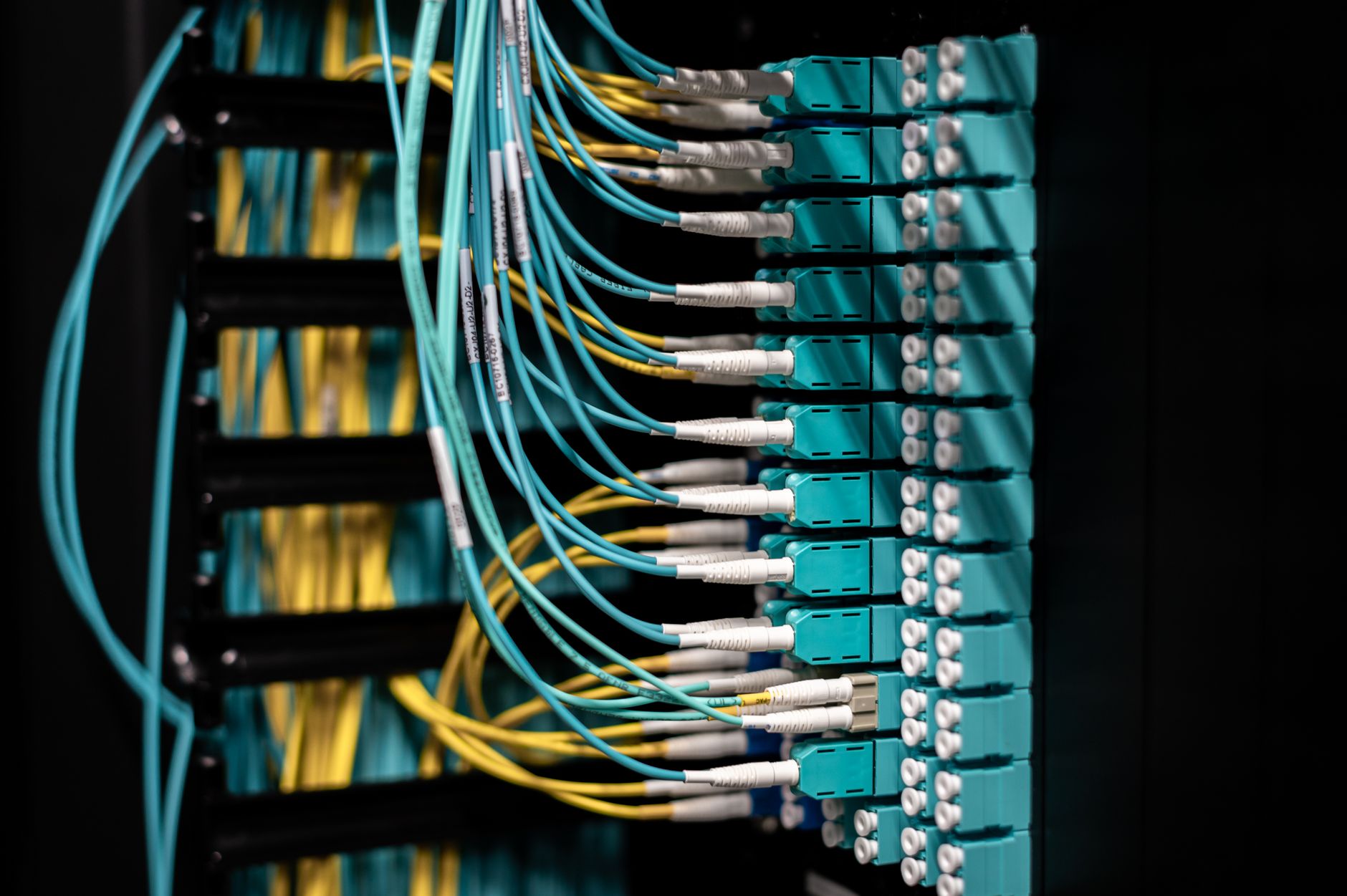
What Are Network Security Vulnerabilities?
Network security vulnerabilities are weak spots in a network that let an attacker do damage, and they show up in 4 places most often: devices, software, settings, and people. A router with old firmware, a laptop with a weak admin password, or a user who clicks a fake login page all count. The weakness itself may look tiny. The damage often does not.
Reality check: A single mistake can spread across a 24-port switch, a Wi-Fi router, and a file server in minutes. That is why students need to think in systems, not isolated gadgets.
In networking, a vulnerability matters because traffic moves fast and one bad rule can affect many machines at once. A bad access-control list on a firewall can let 1 outside host reach a whole internal subnet. A missed patch from March 2024 can leave the same hole open on every cloned image in a lab. That is not drama. That is how real breaches happen.
The CIA triad gives you the right lens. Confidentiality asks, “Did someone see data they should not see?” Integrity asks, “Did someone change data or traffic?” Availability asks, “Can people still use the system?” If a student can map a flaw to one of those 3 outcomes, they understand the risk instead of just memorizing buzzwords.
Which Network Vulnerabilities Show Up Most?
Most network labs show the same 5 weak spots over and over, and that is not because students are careless. It happens because one weak password, one missed patch, or one loose protocol setting can ripple across 50 or 500 endpoints fast.
- Weak passwords let attackers guess or reuse credentials. If a lab account uses “admin123,” confidentiality takes the hit first.
- Unpatched software leaves known holes open after vendors publish fixes. A 30-day delay after a patch release can turn a small bug into a public target.
- Misconfigurations show up as open ports, broad firewall rules, or default settings on a Cisco router. Integrity and availability both suffer when traffic goes where it should not.
- Malware often enters through email or a fake update and then spreads to shared drives. A 1 infected endpoint can lock files, spy on traffic, or slow the whole subnet.
- Insecure protocols like Telnet or FTP send logins in plain text. Anyone on the same Wi-Fi network can read them, which crushes confidentiality.
- Bad Wi-Fi settings, like weak encryption or a shared password on 20 devices, make it easy to snoop or join the network without permission.
- Default credentials on printers, cameras, and small routers stay a favorite target because people forget them after setup day. That lapse feels small until someone gets root access.
Learn Introduction To Networking Online for College Credit
This is one topic inside the full Introduction To Networking course on UPI Study — a self-paced, online class that earns real college credit. Credits are ACE and NCCRS evaluated and transfer to partner colleges across the US and Canada. Courses start at $250 with no deadlines and lifetime access.
Explore on UPI Study →How Do You Identify Network Security Vulnerabilities?
Students can spot network security vulnerabilities by checking assets, settings, patches, and traffic in that order, and the whole process works best when they stay methodical. A 10-minute lab scan tells you more than 30 minutes of guesswork. Start with the easy stuff, then move to the hidden stuff.
- Make a basic inventory of every device, server, and app on the network. If you cannot name the asset, you cannot protect it.
- Check for default or weak credentials on routers, switches, printers, and admin panels. A login like “admin/admin” should set off alarms right away.
- Review patch status and compare it with vendor notes from the last 30 to 90 days. Old versions often carry known flaws that scanners flag fast.
- Inspect firewall rules, VLANs, and access-control lists for open paths that should not exist. A rule that allows “any to any” breaks the whole point of segmentation.
- Scan for malware indicators such as strange CPU use, unknown startup items, or odd outbound traffic at 2 a.m. Those signs often show up before a full lockout.
- Look for insecure protocol use, especially plain text logins over Telnet, FTP, or HTTP. If the password crosses the wire in clear text, the network has a problem.
Why Do Vulnerabilities Threaten CIA Goals?
Weak passwords hit confidentiality first because they hand attackers direct access to mailboxes, file shares, and cloud dashboards. In a 2023 breach report from Verizon, stolen credentials kept showing up as a top entry point, and that pattern fits what students see in labs too. One reused password can expose messages, grades, or saved files in under 5 minutes.
What this means: A flaw rarely stays in one lane. It starts with one bad login, then it spreads into data theft, file changes, or full downtime.
Unpatched software and bad settings hit integrity and availability hard. If an attacker uses a known bug in an old Windows server or a mis-set firewall rule, they can change files, reroute traffic, or crash a service that 200 users need at once. Malware takes that farther. It can encrypt documents, delete backups, or hold a network hostage until someone pays money they should not pay. A 2024 ransomware event does not need to be huge to hurt. One locked shared drive can stop a whole class or office.
Insecure protocols make the damage easier because they expose traffic in plain text. That means usernames, session tokens, and commands can get copied in transit on a 2.4 GHz Wi-Fi network or across a campus LAN. The result feels ugly because it is ugly: lost privacy, broken records, and systems that fail when people need them most.
How Does a Student Spot Vulnerabilities in NCCRS Courses?
A student taking an introduction to networking course online for college credit might open a packet trace and see Telnet traffic, a default router login, and an ACL that allows too much. That is not just lab noise. It shows a real weakness chain, and the student who wants to ace NCCRS credit needs to explain what each clue means in terms of CIA, not just name the tool.
The catch: A packet capture with 12 frames can still reveal a lot if 3 of them carry plain text logins or odd ports.
- Plain text usernames in a trace point to confidentiality loss right away.
- Open ports in a lab diagram often mean a misconfiguration, especially on ports 21, 23, or 80.
- A router config with “permit any” rules signals weak access control and risky integrity issues.
- Repeated failed logins in a 5-minute span can point to password guessing or a brute-force attempt.
- Unknown outbound traffic to one IP at 2 a.m. often hints at malware or data theft.
Frequently Asked Questions about Network Security
Start by checking every point where data enters or leaves a network: passwords, routers, switches, VPNs, and public apps. Are network security vulnerabilities weak spots that let attackers steal data, change traffic, or break service, and students spot them by looking for weak authentication, missing patches, bad configs, malware signs, and insecure protocols like Telnet or FTP.
This applies to anyone studying an introduction to networking, an introduction to networking course, or an online course tied to college credit or transferable credit; it doesn't apply only to security majors. If you study online for ace nccrs credit, you still need the basics of identifying and network security and vulnerabilities because the same risks show up on campus labs, small business networks, and home routers.
If you miss a real vulnerability, an attacker can read private data, change files, or knock systems offline, and that hits confidentiality, integrity, and availability fast. A weak password can expose email in minutes, while an unpatched server can stay open to known exploits for months.
You should know 5 main types: weak passwords, unpatched software, misconfigurations, malware, and insecure protocols. Each one shows up in network scans, log files, or traffic reviews, and each one can damage at least 1 of the CIA trio: confidentiality, integrity, or availability.
Most students think the danger comes from fancy hacking tools, but the real problem often starts with simple mistakes like default router logins, open admin ports, or an old patch from 2024 still missing in 2026. A bad password or open service can do more damage than malware if you leave it in place.
Most students click around and hope to spot problems, but what actually works is a repeatable check: review passwords, scan for missing patches, compare device settings to a baseline, and watch logs for odd traffic. That method catches weak SSL/TLS setups, exposed shares, and outdated services faster.
Weak passwords show up as shared logins, short password rules, or repeated failed logins, and unpatched software shows up when asset lists and version checks don't match current release dates. You can verify both with a password audit, a patch report, and a scan tool that lists old versions and missing fixes.
The most common wrong assumption is that 'if the site works, the protocol is fine.' Plaintext tools like Telnet and FTP send data without strong protection, so anyone on the same network path can read usernames, passwords, or files.
Malware can steal data, change files, or stop services, while misconfigurations can expose shares, open ports, or give users too much access. A single wrong firewall rule or an infected endpoint can break all 3 CIA goals at once, and students can spot both by checking alerts, permissions, and traffic spikes.
A real risk affects a live system with active users, real data, or a service the network depends on, while a lab example stays isolated in a class sandbox. If you can see the issue in logs, traffic, or device settings on a production router, switch, server, or VPN, treat it as real.
Final Thoughts on Network Security
Network security vulnerabilities are not abstract. They are the boring-looking mistakes that open real doors. A weak password lets someone in. An unpatched server gives them a known hole to use. A bad firewall rule turns one mistake into a wider mess. Malware adds damage. Insecure protocols make snooping easier. That is the pattern. Students who learn to spot those flaws get better at reading packet traces, configs, and lab diagrams. They also start thinking like defenders, which means they ask sharper questions: Who can log in? What version runs here? What port should stay closed? What traffic should never leave the subnet? Those questions matter because networks fail in small steps before they fail in big ones. The CIA triad gives you a clean way to judge each problem. Confidentiality asks whether data stayed private. Integrity asks whether data stayed true. Availability asks whether people could still use the system. If a weakness hits 2 or 3 of those at once, treat it as serious. Do not wait for a breach to make the lesson real. Pick one lab, one router config, or one packet capture and trace every weak spot back to CIA.
How UPI Study credits actually work
Ready to Earn College Credit?
ACE & NCCRS approved · Self-paced · Transfer to colleges · $250/course or $99/month