
A server in networking is a system or software that gives data, services, or resources to other devices over a network. That sounds simple, but students often picture only a huge machine in a data center, and that picture is too narrow. A server can be hardware, software, or both. A laptop can run server software for a class lab, and a cloud host can run hundreds of server processes on one physical box. The name describes the job, not the size. That is where a lot of first-week confusion starts in an introduction to networking course. Think of the basic pattern. One device asks. Another device responds. That request-and-response flow shows up in web pages, email, file shares, login systems, and database apps every day. Once you see that pattern, networking stops looking like magic and starts looking like a set of rules about who asks, who answers, and who stores what. The most common student mistake is this: they think a server always means a powerful computer sitting in a server room. In real networking, the server can be a program on a home PC, a virtual machine in the cloud, or a physical rack unit in a campus lab. The label points to service, not just hardware.
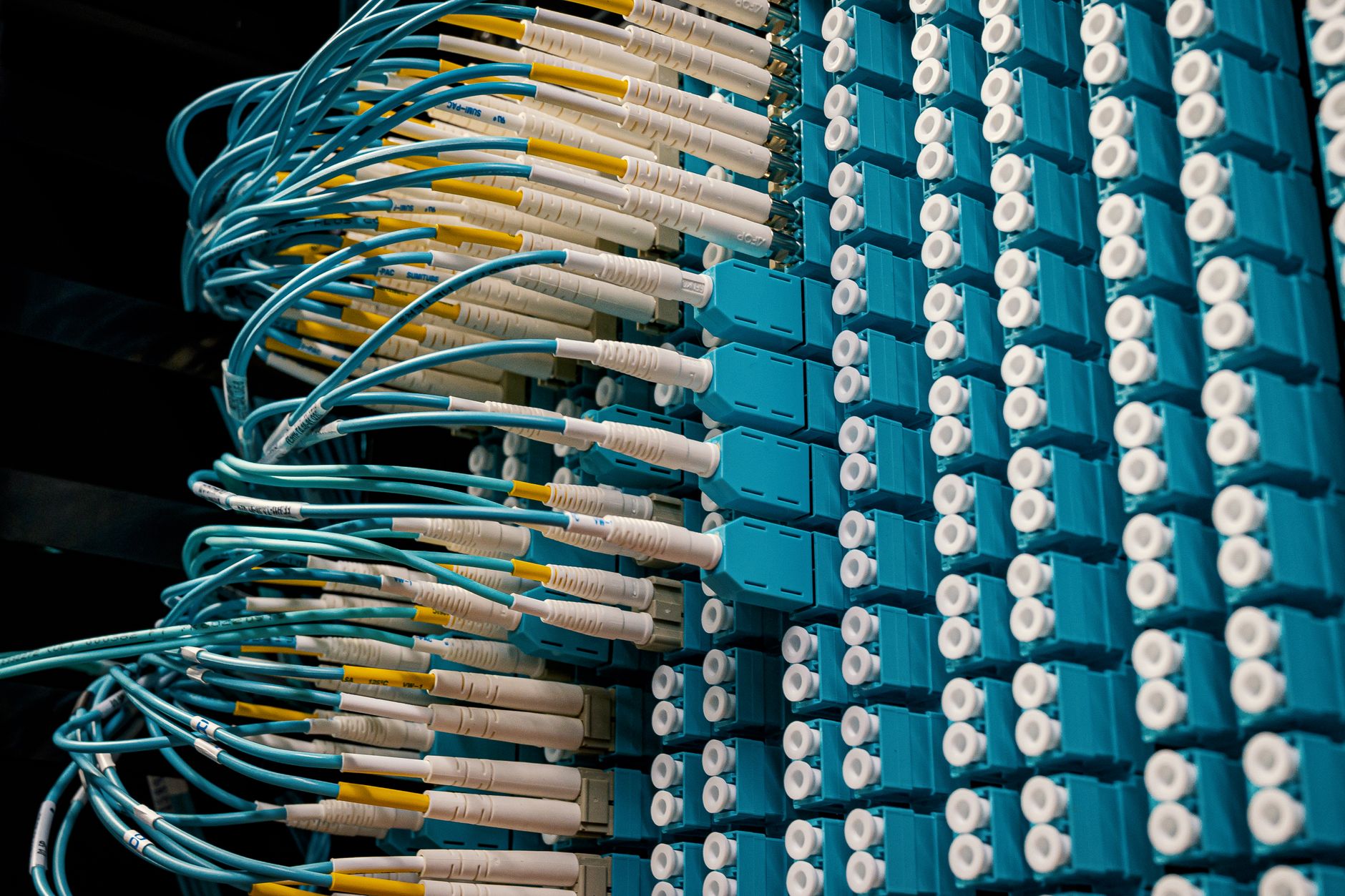
What Is a Server in Networking?
A server in networking is any system or software that delivers data, services, or resources to other devices over a network. That can mean a Windows Server 2022 box in an office, a Linux VM in AWS, or a small program running on a $500 laptop in a lab. The job matters more than the shape of the machine.
The catch: Most students think “server” means a giant computer in a locked room, but the word also covers software, virtual machines, and even services on a desktop. That matters in 2026 because cloud systems can run 10, 100, or 10,000 server processes without one visible tower on the floor. The same DNS, file, or web service can live on very different hardware.
A server can hold files, answer web requests, manage logins, store database records, or print documents for 25 users at once. In plain terms, it waits for a request and then sends back a response. That response can be a web page, a shared folder, a password check, or a spreadsheet from a database. I like this definition because it cuts through the drama. Servers do work. They do not sit there looking impressive.
The most common mistake is treating the word like a box instead of a role. A physical machine can host several server services at the same time, and one service can move to another machine in less than 5 minutes during maintenance. That flexibility is why the term gets messy in labs and classes. When students start understanding server definitions and the role behind them, the whole network picture gets cleaner fast.
How Is a Server Different from a Client?
Students mix up server and client because both can live on the same network and both can run on the same computer. In an introduction to networking course, this relationship shows up in the first labs, and it shapes everything that comes after. The server answers; the client asks. That split sounds tiny, but it drives web browsing, file sharing, and login systems every day.
| Column 1 | Server | Client |
|---|---|---|
| Role | Responds to requests | Sends requests |
| Stored data | Shared files, apps, records | User files, app cache |
| Network behavior | Stays ready 24/7 | Connects on demand |
| Example | Web server, email server | Browser, mail app |
| Typical uptime | 99.9%+ target | Varies by device use |
| Where it fits | Introduction to Networking | Everyday user device |
Reality check: A phone can act as a client for Instagram and a server for AirDrop or file sharing in the same hour. That is why rigid thinking breaks fast once you leave the textbook. The cleanest mental model is this: clients consume services, servers supply them.
The table also shows a practical point. Servers usually stay on longer and handle more requests, while clients start and stop based on what a user does. That difference matters in labs and on exams, and it shows up in exactly 1 second when a browser asks for a page and a server sends it back.
Learn Introduction To Networking Online for College Credit
This is one topic inside the full Introduction To Networking course on UPI Study — a self-paced, online class that earns real college credit. Credits are ACE and NCCRS evaluated and transfer to partner colleges across the US and Canada. Courses start at $250 with no deadlines and lifetime access.
Explore Intro Networking Course →Why Are Servers Central to Network Communication?
Servers sit at the center of network communication because they organize shared work for many devices at once. A 30-user office can use one file server, one mail server, and one authentication server instead of copying the same files to 30 separate machines. That setup saves time, cuts duplicate data, and makes updates much easier to control.
What this means: Centralized access gives people one place to find the same file, login, or app, which beats chasing copies across 12 laptops. If a company changes a form at 3 p.m., the server updates once and every client sees the new version after the next request. That is the real reason servers matter: they keep shared work from turning into chaos.
Reliability matters too. A server can run 24/7, use backups, and keep services available during normal business hours, while a client device may shut down after 8 hours or move between Wi-Fi networks. Many networks use redundancy, like 2 servers instead of 1, so one failure does not stop email or file access. That design supports communication, storage, and apps without forcing every user to manage their own copy.
Without servers, each device would act like its own island. With servers, the network behaves more like a shared system with rules, permissions, and a single place to ask for help. That is the part students should respect, because it explains why servers appear in almost every real network, from a school lab to a 500-employee company.
Which Common Server Functions Should You Know?
A few server jobs show up again and again in labs, quizzes, and real networks. If you can name 7 common functions, you can usually explain what a network is doing without guessing.
- Web hosting serves pages to browsers like Chrome or Safari. A web server answers HTTP or HTTPS requests in less than 1 second on a healthy connection.
- File sharing stores documents in one place so 10, 50, or 500 users can reach the same folder. That saves people from emailing the same attachment all day.
- Email servers move messages between users and keep inbox data available across devices. A message can pass through 2 or more servers before it lands in a mailbox.
- Authentication servers check usernames and passwords before a user gets access. Active Directory and LDAP often handle this job in schools and offices.
- Database servers store structured data for apps, like grades, orders, or inventory. A single database can answer thousands of queries per hour.
- Print servers manage print jobs for a shared printer. They queue the jobs so 15 people do not hit the printer at once.
- Application hosting runs software that clients use through a browser or app. This is common in business tools, class portals, and cloud dashboards.
Worth knowing: These functions often live on separate servers in bigger networks, but small setups may bundle them onto 1 machine. That tradeoff saves money, yet it also creates a bigger failure point if that one box goes down. I like showing students both versions because real networks never stay neat for long.
How Do Server Definitions Help You Study Networking?
Clear server definitions help you do better in quizzes, labs, and projects because they give you a clean mental map before the packet traces and IP rules show up. In an introduction to networking course, that matters from week 1 through the final exam, not just on one lecture slide. If you know the server role, you can explain why a browser talks to a web server, why a login fails, or why a shared drive matters.
Bottom line: Students who understand server definitions usually waste less time guessing and more time reading the actual network flow. That helps with transferable credit too, since course outcomes often ask you to identify roles, services, and request-response behavior rather than just memorize terms. Online course work gets easier when you can connect a client app, a server process, and a network service in 1 clean chain.
This also helps when you study for ACE NCCRS credit or other college credit paths tied to networking basics. A student who can name 5 server functions and explain the client-server split usually handles labs faster and writes stronger answers on short-response questions. That skill shows up in screenshots, simulations, and troubleshooting tasks where the test wants more than a definition.
Understanding server definitions and networking basics is not busywork. It gives you the language for the whole class, and that language matters whether you study online or in a campus lab with 20 other students. The better you handle that core idea, the less every later topic feels like a surprise.
Frequently Asked Questions about Server Definitions
A server in networking is a computer or software program that provides resources, data, or services to other devices on a network. In a classroom lab, that can mean file sharing, email, web pages, or printer access, while the client asks for those services.
If you mix them up, you'll misunderstand how network traffic works and miss why one device answers requests while another starts them. A client sends the request; a server waits, responds, and can handle many requests from 10 or 100 devices at once.
Start by writing two labels: server on the side that gives a service, client on the side that asks for it. In an introduction to networking course, that simple split helps you track web servers, database servers, and email servers without getting lost.
A server can control 100% of shared access for one service, even if 20 or 200 users connect at the same time. That matters because one server can store files, run login checks, and send web pages without each client keeping its own copy.
The most common wrong assumption is that a server has to be a giant room-sized machine, but a server can be a normal PC, a cloud instance, or even software on a laptop. The job matters more than the box.
What surprises most students is that the same machine can act as both a server and a client at different times. A laptop can request a webpage as a client at 9 a.m. and share a file as a server at 9:05.
Most students try to memorize terms, but what actually works is tracing one request from start to finish. A browser sends a request, a web server answers, and the network moves data back in packets, usually over TCP on port 80 or 443.
This applies to anyone studying networking basics, including high school students, college credit learners, and people taking an online course for ACE NCCRS credit; it doesn't fit advanced admins who already manage DNS, DHCP, or database clusters.
A server gives services, and a client asks for them. That split shows up in everyday tools: a phone app can act as a client for email, while an email server stores mail, checks logins, and delivers messages over the network.
Servers sit at the center of network communication because they hold shared resources and answer requests from many devices at once. Without them, every computer would need its own copy of files, websites, and user data, which wastes time and space.
Common server functions include file sharing, web hosting, email delivery, name lookup through DNS, and IP address assignment through DHCP. In an introduction to networking course, you'll usually see these five because they show how one service supports many users.
A server is a device or program that provides a service over a network. That service can be a website, a shared folder, a login check, or a print job, and the client sends the request first.
Yes, server basics often show up in study online programs that offer transferable credit or college credit in networking, because they build the same core idea used in ACE NCCRS credit courses. You see the same client-server model in web, email, and cloud systems.
Final Thoughts on Server Definitions
Server definitions sound basic, but they sit under almost every part of networking. A server provides a service. A client asks for it. That split shapes web browsing, email, logins, file shares, and database apps, and it shows up in both home networks and enterprise systems. The student trap usually starts with the hardware image. People hear “server” and picture a loud machine in a rack. That image only tells part of the story. A server can also mean software, a virtual machine, or a service running on a modest computer, and that flexibility explains why the term keeps showing up in different classes and labs. A good grasp of server functions also gives you a head start on troubleshooting. If a page will not load, a file will not sync, or a login fails, you can start asking the right question: did the client ask, did the server answer, or did the network block the message? That habit saves time in class and in real work. Keep the idea simple. Clients request. Servers respond. Shared services make the network useful. If you can explain those three parts clearly, you already understand the core of this topic and you can move on to protocols, IP addressing, and security with less friction.
How UPI Study credits actually work
Ready to Earn College Credit?
ACE & NCCRS approved · Self-paced · Transfer to colleges · $250/course or $99/month