
A firewall acts as a traffic gate for a network. It checks inbound and outbound traffic, then blocks, allows, or inspects it based on security rules. In a real network, that means it can stop a random internet scan, cut off a bad app from calling home, and keep one infected laptop from reaching a file server. For students in an introduction to networking course, this is not trivia. This is where network design turns into real control. A firewall sits between trusted and untrusted zones, such as a home office LAN and the public internet, or a campus subnet and a guest Wi‑Fi network. It does not fix weak passwords, dumb clicks, or a bad server setup. That’s the problem. A firewall only blocks what its rules tell it to block. That narrow job still matters a lot. A tight rule set can shrink attack exposure by 80% or more on a small network if it blocks unused ports like 23, 445, and 3389 from the outside. A sloppy rule set does the opposite. It gives people a false sense of safety while malware keeps moving through allowed paths. If you want to understand the role of firewalls in network security, start with this: firewalls enforce policy, reduce noise, and buy time for the other layers to do their jobs.
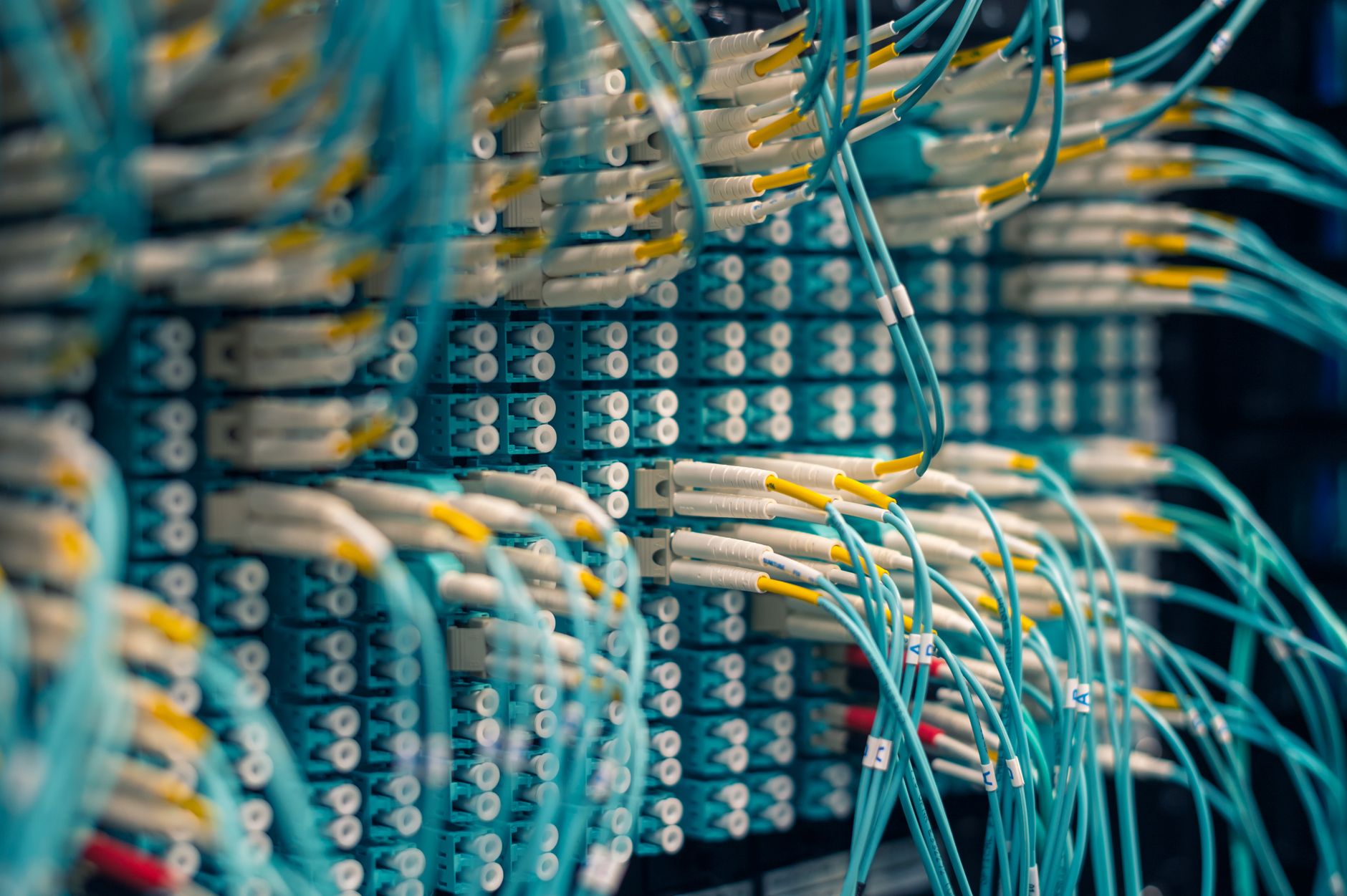
What Role Do Firewalls Play In Security?
A firewall acts like a traffic-control layer between trusted and untrusted networks, and that makes it the first hard stop for bad traffic in a 24/7 environment. It watches packets at the edge, checks them against rules, and decides whether to pass, block, or inspect them. In a campus network, that might mean letting student web traffic out on 80 and 443 while blocking outside access to an internal database on 5432 or 3306.
The catch: A firewall does not hunt malware by itself. It only enforces policy, so if the policy says “allow,” the firewall usually obeys. That is why a firewall can cut exposure fast but cannot replace endpoint protection, MFA, or patching. A clean rule set can stop thousands of junk connection attempts a day, yet one open admin port can still ruin the week.
The best way to think about a firewall is as a filter with memory and limits. Packet filtering checks basic headers. Stateful inspection watches whether traffic belongs to a real session. Application-layer controls look deeper at app data, which matters when a service hides inside port 443 or tunnels through HTTPS. Those are different tools, and each one catches a different kind of mess.
For students in an introduction to networking course, this is the part that turns theory into policy. You are not just learning what a network is. You are learning why a rule such as “deny all inbound except HTTPS to one server” matters. That rule cuts the attack surface from every port to 1 port, and that is a huge difference.
A firewall also gives admins a place to log events. Those logs show blocked IPs, failed connections, and odd outbound traffic at 2 a.m. That evidence helps spot scans, bot traffic, and misbehaving apps. My blunt take: a network without a firewall policy is just wishful thinking with cables.
How Do Firewalls Filter Inbound And Outbound Traffic?
Inbound filtering decides what outside traffic can enter a network, and outbound filtering decides what internal devices can send out. In practice, inbound rules usually block unsolicited connections from the internet, while outbound rules stop strange behavior like a workstation trying to reach a known command server on port 6667 or an unknown IP in another country. That split matters because attacks do not only come in; stolen data often goes out.
Reality check: Most people focus on inbound attacks and ignore outbound leaks. That is lazy. A firewall can stop a server from accepting random SSH traffic on 22, but it can also block a compromised laptop from sending DNS requests to a shady resolver or opening a tunnel over TCP 8080. If you only watch inbound traffic, you miss half the story.
Rule sets usually name ports, protocols, IP ranges, user groups, and zones. A rule might allow HTTPS from a student subnet to a learning platform, block Telnet everywhere, and let only the finance VLAN reach a payroll app. Some firewalls also bind rules to identities, so a professor on Wi‑Fi can get different access from a guest user on the same network. That kind of control matters in a 3-zone setup: guest, internal, and server.
The design goal is simple: match traffic to policy, not to guesses. A rule for UDP 53 might allow DNS to one resolver but block all other outbound DNS traffic. A rule for 10.0.0.0/8 might allow internal service calls while denying the same traffic from the internet. That is how you stop broad abuse without breaking normal work.
Bottom line: Good firewall filtering feels boring because it works. Bad filtering shows up in incident reports, usually after someone leaves port 3389 open or allows every outbound connection because it was faster than writing a real policy. Slow down here and you save hours later. If you want a hands-on Introduction to Networking course example, this is where the rules start to make sense.
Which Firewall Types Should Students Know?
Three firewall types show up in almost every network class: packet filtering, stateful inspection, and application-layer control. They all block traffic, but they look at different pieces of it. That difference matters because a rule that stops a raw IP packet may still miss a bad HTTP request hiding inside allowed web traffic. Students in networking and security classes should know what each type sees, what it misses, and where it fits.
| Type | What it inspects | Blocks well | Typical use case |
|---|---|---|---|
| Packet filtering | IP, port, protocol | Simple scans, unused ports | Edge control, 1st layer |
| Stateful inspection | Session state + headers | Unauthorized replies, spoofing | Most small business firewalls |
| Application-layer control | HTTP, DNS, SMTP, app data | Bad commands, hidden payloads | Web, email, proxy filtering |
| Strength | Fast, cheap, low overhead | Better context, fewer false opens | Best fit for mixed networks |
| Weak spot | No deep context | Needs more memory and CPU | Can slow under heavy traffic |
What this means: Packet filtering is blunt. Stateful inspection adds memory of the connection. Application-layer control digs into the actual service, which helps with HTTP on 443 and email on 25, but it can cost more CPU and tuning time. If you are studying Introduction to Networking, this table is the cleanest way to see why one firewall type never solves every problem.
Learn Introduction To Networking Online for College Credit
This is one topic inside the full Introduction To Networking course on UPI Study — a self-paced, online class that earns real college credit. Credits are ACE and NCCRS evaluated and transfer to partner colleges across the US and Canada. Courses start at $250 with no deadlines and lifetime access.
Explore Networking Course →Why Do Firewall Rules Need Careful Design?
Firewall rules need careful design because order, scope, and defaults decide what the device really does. A rule at the top can override five rules below it, so one sloppy “allow any” line can wipe out the rest of the policy. That is not theory. I have seen one bad rule turn a strict setup into a wide-open path in under 5 minutes.
Default deny beats default allow for almost every normal network. With default deny, the firewall blocks traffic unless a rule says yes. With default allow, it permits traffic unless a rule says no. That difference sounds tiny, but it changes the whole risk model. A default-deny firewall with 12 clear rules is easier to audit than a default-allow box with 200 exceptions and no owner names.
Worth knowing: Least privilege works here too. If a payroll app only needs TCP 443 from 2 office subnets, do not give it access from the whole 10.0.0.0/8 range. If remote staff only need VPN access from 6 a.m. to 10 p.m., write that into the policy. Tight rules reduce the blast radius when someone gets phished or a device goes missing.
Logging matters just as much as blocking. A firewall without logs gives you silence, and silence helps nobody during an incident. Good logs show the rule name, source IP, destination port, and time stamp, so you can spot repeated hits on port 22 or a burst of denied traffic after a change window on Friday at 4 p.m.
Overly broad rules create blind spots fast. “Allow all outbound” sounds convenient, but it lets malware call home, exfiltrate data, and hide in normal web traffic. That is why careful rule design is not busywork. It is the difference between a firewall and a paper wall.
How Do Firewalls Fit Defense In Depth?
A firewall is one layer in defense in depth, not the whole plan, because one device cannot stop phishing, stolen passwords, weak endpoints, and insider mistakes at the same time. A network with 1 firewall but no endpoint protection or MFA still gets hit hard when someone opens a bad attachment or reuses a password. Firewalls help most when they shrink exposure and force traffic through a controlled choke point. That is the smart design. The lazy design is buying one box and calling it security.
- Endpoint protection blocks malware on 10, 100, or 10,000 devices after traffic gets inside.
- Network segmentation keeps one bad laptop from reaching 3 sensitive subnets.
- IDS/IPS spots scans, exploits, and suspicious patterns that pass a simple allow rule.
- MFA cuts the value of stolen passwords, even if a login page stays online 24/7.
- Monitoring catches policy drift, weird ports, and traffic spikes in minutes, not weeks.
Reality check: A firewall can block port 445 from the internet and still fail if a user runs a malicious file from inside. That is why segmentation, alerting, and access control matter together. If you want a broader Introduction to Networking path, this is where security starts to look like layers instead of magic.
Firewalls also work better when paired with DNS filtering, patching, and device hardening. Each layer closes a gap the others miss. A firewall may stop a direct attack on port 3389, but an endpoint agent can kill the payload if it arrives through a browser, and an IDS can flag the same host when it starts scanning 50 other IPs. That mix beats any single control. Network and Systems Security covers this overlap well.
When Should Firewalls Be Updated Or Replaced?
A firewall needs tuning, patching, or replacement when the network changes faster than the rules do. New cloud apps, remote work, and encrypted traffic can make a 2021 policy look stale by 2024. If your team moved 30% of services to SaaS, but the rule set still assumes one office LAN and one server room, the firewall now guesses instead of protects.
Performance is another warning sign. If a firewall starts dropping packets during a 1 Gbps peak or a VPN load test, the hardware may no longer match the traffic. That happens when logs grow, inspection deepens, or TLS traffic rises. A device that handled 200 users in 2019 may choke when 600 people log in from home on the same Monday morning.
Encrypted traffic creates a nasty tradeoff. More HTTPS means better privacy, but it also hides threats from simple inspection. If the firewall cannot see enough to enforce policy, admins often add SSL inspection or move to a newer platform with better processing power and clearer policy tools. That upgrade path costs time and money, and old boxes sometimes break under modern traffic patterns.
Policy drift also matters. A rule added for a 2-week project can stay forever if nobody removes it. Soon you have 40 exceptions, 12 old VPN accounts, and one forgotten guest rule from last semester. That mess weakens the whole network. A firewall strategy should grow with the network, not freeze the network in one year’s habits. If you study Introduction to Networking, this is the part where maintenance becomes part of security, not an afterthought.
Frequently Asked Questions about Network Firewalls
Most students think a firewall just blocks hackers, but what actually works is using it to enforce rules on inbound and outbound traffic, usually with packet filtering, stateful inspection, or application controls. It sits between 2 networks and stops traffic that breaks policy.
This applies to you if you study online, run a home lab, or manage a small office network; it doesn't fit a network with no internet link or no shared data at all. A firewall matters most when traffic crosses a trust boundary, like between a laptop and a public Wi-Fi network.
A firewall can inspect every packet that crosses it, but the depth depends on the type: packet filtering checks headers, stateful inspection tracks connection state, and application-layer controls read more of the payload. That means 3 different levels of checking, not 1.
The most common wrong assumption is that a firewall blocks all attacks by itself. It doesn't. A firewall filters traffic based on rules, but phishing, stolen passwords, and bad app settings still get through unless you add other controls.
If you get firewall rules wrong, you can either block real users or leave open ports that attackers scan in minutes. A single loose rule on port 80, 443, or 22 can expose a service you thought was hidden.
A firewall filters inbound traffic to stop unwanted traffic from entering your network, and it filters outbound traffic to stop malware or leaks from leaving. Inbound rules often block unknown ports; outbound rules can stop a device from calling a suspicious IP.
What surprises most students is that a stateful firewall tracks the full connection, not just one packet. If you start a valid session, the firewall remembers it and lets reply traffic back in without opening the whole network.
Start by listing the 5 or 10 services you actually need, like web on 443, email on 25, or remote access on 22, then block everything else by default. That simple rule cuts exposure fast.
Packet filtering checks each packet on its own using data like source IP, destination IP, port, and protocol. Stateful inspection adds memory, so it knows whether a packet belongs to an active TCP session and can block stray packets.
Application-layer controls inspect the app data itself, so they can stop things like unsafe HTTP requests, bad file uploads, or blocked chat tools. They work at Layer 7, which gives you more control than simple port rules.
A firewall is one layer in defense in depth, not the whole plan. You pair it with endpoint protection, strong passwords, patching, and logging so 1 weak spot doesn't sink the whole system.
Yes, an introduction to networking course can cover firewall basics, traffic rules, and security policy well enough for college credit when the course includes tested outcomes and lab work. Some online course options also offer ACE NCCRS credit through approved providers.
It helps you see that firewalls control traffic, but they don't replace antivirus, MFA, or updates. That matters in study online programs because you learn how policy, traffic filters, and layered defense work together across 1 network.
Final Thoughts on Network Firewalls
Firewalls matter because they turn a vague security plan into a rule set that actually blocks, allows, and watches traffic. They sit between trusted and untrusted networks, filter inbound and outbound flows, and give you a place to enforce policy instead of hoping nobody breaks it. That alone makes them worth learning well. The trap is thinking one firewall can do everything. It cannot. Packet filtering handles simple header checks. Stateful inspection tracks sessions. Application-layer controls look deeper into the service itself. Each one catches different problems, and each one misses something else. That is why strong networks use firewalls with endpoint tools, segmentation, MFA, IDS/IPS, and logging. Students should treat firewall design as a habit, not a one-time setup. Rules need clear owners, tight scope, and regular review. Old allow rules rot. New cloud apps change the traffic. Encrypted traffic hides more than it used to. A firewall that matched last year’s network can become a weak spot this year. If you remember one thing, remember this: a firewall works best when it supports a real policy, not when it substitutes for one. Learn the rule types, learn what they see, and learn what they miss. Then build from there.
How UPI Study credits actually work
Ready to Earn College Credit?
ACE & NCCRS approved · Self-paced · Transfer to colleges · $250/course or $99/month