
Wi-Fi is a wireless data link that lets devices join a local network through radio waves, usually through a router or wireless access point. It does not create the internet. It gives your phone, laptop, or tablet a path to reach the network, and the network then reaches the web. That split matters. A bad Wi-Fi signal can wreck your experience even when your internet plan still works fine. A fast fiber plan can feel slow if your router sits behind two brick walls, and a decent home setup can still handle streaming, video calls, and class work on 2.4 GHz or 5 GHz bands. Wi-Fi also sits inside a bigger setup called a LAN, which can connect to a modem and then to a WAN or the internet. Students usually mix up Wi-Fi, router, and internet service. That confusion costs time and money. You do not need to treat Wi-Fi like magic. It follows plain rules: distance weakens it, walls block it, crowded channels slow it, and newer standards move data faster than older ones. If you want to understand why one room gets 300 Mbps and the next room gets 40 Mbps, you need the actual mechanics, not marketing fluff. That is the real start of analyzing medium-range communication Wi-Fi and the role it plays in an introduction to networking course.
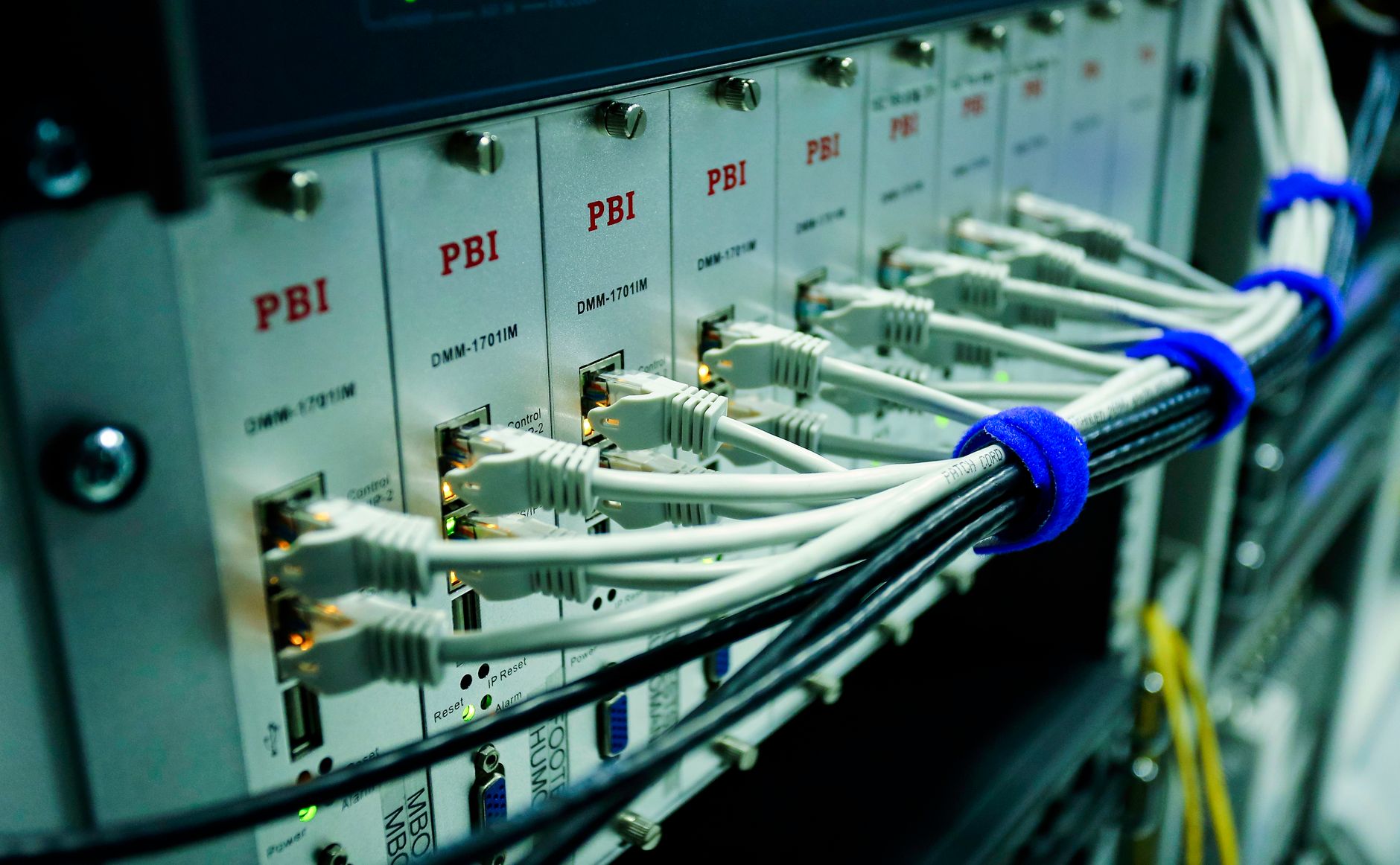
What Is Wi-Fi In A Network?
Wi-Fi is a short-to-medium-range wireless link that connects devices to a local network, and that local network usually reaches the internet through a router or access point. It works over radio waves, not cables, and it became common after IEEE 802.11 standards took off in the late 1990s.
That means Wi-Fi is part of the path, not the whole path. Your laptop can join a home LAN over Wi-Fi, then the router can send that traffic to a modem, and the modem can push it to a service provider. If the internet dies, Wi-Fi can still stay up inside the house. If the router dies, nothing inside that local network works, even with a perfect ISP line.
The catch: Wi-Fi often gets blamed for problems that come from the modem, the router, or the ISP, and that mistake wastes time. A student in a dorm with 30 devices on the same network sees that mess fast.
A useful way to think about it is this: Wi-Fi acts like a wireless hallway between your device and the access point. The access point then talks to the rest of the network through Ethernet or built-in routing. That is why an Introduction to Networking course starts with layers and devices before it talks about speed tests. Wi-Fi itself does not promise the same reach as a cable. A 5 GHz signal can feel great in one room and weak in the next room, and that is normal, not broken. The real job of Wi-Fi is convenience with tradeoffs.
How Do Devices Connect To Wi-Fi?
A Wi-Fi connection starts with discovery, then authentication, then network access. Your device looks for nearby access points, matches the network name, and uses a password or other security method before it gets an IP address and starts sending traffic.
- The device scans nearby channels for SSIDs, which are the visible network names you see on a screen. This scan usually takes a few seconds, and old hardware can take longer.
- You pick the right SSID and enter the password, such as WPA2 or WPA3 credentials. A wrong password blocks access right away, and some routers lock you out after 3 to 5 bad tries.
- The device and access point complete a handshake, which checks security settings and sets up the session. On a clean network, this part often finishes in under 2 seconds.
- The router or DHCP server gives the device an IP address, so the device can talk inside the LAN and then reach the internet. Without that address, the device sits there with bars but no real access.
- The device chooses a band, usually 2.4 GHz for range or 5 GHz for speed, and joins the best channel it can find. A crowded apartment building can push this choice around fast.
- The connection stays alive with constant back-and-forth signals, which means the link can break if you walk too far away or if a microwave blasts interference for 1-2 minutes.
What this means: The join process looks simple on a phone, but the network does several checks in the background before one packet ever leaves. That hidden work is why a bad password, a weak signal, or a stale router can stop everything cold.
Why Does Wi-Fi Speed Change So Much?
Wi-Fi speed changes because radio signals do not behave like Ethernet cables, and even a small obstacle can cut performance hard. A router that gives 600 Mbps in the same room may drop to 150 Mbps after two drywall walls, and a brick wall can hit it even harder.
Distance matters first. Signal strength falls as you move away from the access point, and the device has to spend more effort correcting errors. Interference matters next. A microwave, a Bluetooth speaker, or five nearby apartments all using the same 2.4 GHz channel can slow traffic, and the 2.4 GHz band only gives you a few cleaner channel choices compared with 5 GHz.
Reality check: The number on the box is not the number you get on a speed test. Router ads often quote link speed, but real throughput usually lands lower because Wi-Fi spends time on headers, retries, and shared airtime.
That gap matters. A device that links at 866 Mbps might move far less data in actual use, especially if the router runs older 802.11n gear instead of 802.11ac or Wi-Fi 6. Device quality also plays a role. A cheap laptop with one antenna usually performs worse than a newer phone with better radio gear. If you want a clean comparison, test at 1 meter, then again at 10 meters, then again through a wall. Those three distances tell a better story than a glossy spec sheet. A class note on networking looks boring until you see speed drop in real life.
Learn Introduction To Networking Online for College Credit
This is one topic inside the full Introduction To Networking course on UPI Study — a self-paced, online class that earns real college credit. Credits are ACE and NCCRS evaluated and transfer to partner colleges across the US and Canada. Courses start at $250 with no deadlines and lifetime access.
Explore on UPI Study →Which Wi-Fi Limits Range And Reliability?
Wi-Fi range and reliability usually break down in the same few places, and you can see the damage fast in a 2-room apartment or a 3-story house. The signal weakens as it crosses walls, floors, and crowded air, so the symptoms show up as buffering, lag, dropped calls, and slow page loads.
- Walls and floors absorb signal. A concrete wall or metal door can cut a usable 5 GHz signal by a lot more than a thin drywall partition.
- Apartment crowding hurts fast. If 12 networks share the same channel, your device spends more time waiting and less time sending.
- Microwaves and Bluetooth interfere in the 2.4 GHz band. That band reaches farther, but it also carries more noise in tight spaces.
- Router placement changes everything. A unit stuck on the floor behind a TV rarely performs like one mounted high and open in the middle of a room.
- Antenna design matters. Two small antennas usually beat one weak one, and 3x3 or 4x4 setups tend to hold better links than basic hardware.
- Obstacles create ugly symptoms. You see buffering on streaming apps, frozen video calls, and web pages that start loading then stall for 5 to 10 seconds.
Bottom line: Wi-Fi works best when the signal has a clean path and the channel stays quiet. That is why a cheap router in a bad spot can feel worse than a midrange router placed well.
How Does Wi-Fi Fit Into Networking Concepts?
Wi-Fi sits inside the larger networking picture as one access method for a LAN, and that LAN can then connect to a WAN and the internet through a router and modem. A device does not “use the internet” the moment it sees bars; it uses Wi-Fi to reach the local network first, then that network sends traffic outward. This matters in an introduction to networking course because you need to separate the radio link from the address system, the router function, and the outside connection path. A home setup with 1 modem, 1 router, and 10 devices works on the same basic logic as a campus network with dozens of access points and hundreds of clients.
- The access point speaks Wi-Fi to clients and Ethernet to the rest of the network.
- The router moves traffic between the LAN and the WAN, often with NAT.
- The modem links your home network to the ISP line, whether cable or fiber.
- The client device gets an IP address, usually by DHCP, before it can reach websites.
- A stable network path beats raw speed when 20 devices share one connection.
Worth knowing: A solid network design can hide weak spots, but it cannot beat physics. If the access point sits badly or the channel stays crowded, the whole chain feels slow.
If you are studying for college credit, this is the point where Wi-Fi stops looking like a casual feature and starts looking like a real piece of networking gear. The path from device to web runs through 4 parts, not one.
How Does Wi-Fi Fit Into UPI Study?
A student who wants networking credit without sitting in a 16-week campus class has a clear option. UPI Study offers 90+ college-level courses, all ACE and NCCRS approved, and that matters because those names sit at the center of transferable credit review at partner colleges.
UPI Study works well for people who want to study online on their own clock, not on a fixed semester calendar. The model is simple: $250 per course or $99 per month for unlimited access, with fully self-paced progress and no deadlines hanging over your week. That setup fits students who need ace nccrs credit, college credit, or a clean path toward transferable credit while they keep working, caring for family, or taking a full load elsewhere.
Introduction to Networking fits this topic directly because it covers the same core ideas you need to understand Wi-Fi, routers, IP addresses, and network paths. UPI Study also transfers credits to partner US and Canadian colleges, so the match is practical, not theoretical.
A lot of online course pages promise flexibility. Few actually spell out the tradeoff clearly: you move at your own pace, but you still need to do the work. That honesty helps. UPI Study gives students a clean route when they want one focused course instead of a full semester of general ed noise.
Frequently Asked Questions about Wi-Fi Networking
Start with the router or wireless access point, because that’s the part that sends the radio signal your phone, laptop, or tablet joins. Wi-Fi uses 2.4 GHz, 5 GHz, or 6 GHz bands to move data without a cable.
Wi-Fi speed depends on the standard, band, and signal strength, and modern home gear often runs across 2.4 GHz, 5 GHz, or 6 GHz. A wired Ethernet line can still beat it because radio signals lose speed through walls and distance.
This applies to anyone using a phone, laptop, tablet, smart TV, or printer on a wireless network, and it doesn’t cover old wired-only setups that depend on Ethernet ports. If your device can join a wireless access point, Wi-Fi fits your network.
The most common wrong assumption is that Wi-Fi means internet, but Wi-Fi only connects your device to a local network first. Your router can give you access to the internet, a file server, or a printer, even if the wider internet goes down.
What surprises most students is that Wi-Fi speed drops fast with walls, floors, and interference from things like microwaves or crowded channels. A strong 5 GHz signal can feel fast in one room and weak 15 meters away.
Most students blame the internet plan, but what actually works is moving closer to the access point, choosing the right band, and reducing interference. A 2.4 GHz signal usually reaches farther than 5 GHz, while 5 GHz often gives better speed nearby.
If you mix up Wi-Fi range, speed, and reliability, you’ll buy the wrong gear, place the router badly, and keep getting drops during class or work calls. In an introduction to networking course, that mistake can also wreck your understanding of how devices join a LAN.
Wi-Fi is the wireless link between your device and a wireless access point, and that access point connects to the rest of the network by cable or modem. In an introduction to networking, you learn that Wi-Fi handles the last hop, not the whole internet path.
Walls, distance, and band choice affect Wi-Fi range the most, and 2.4 GHz usually travels farther than 5 GHz or 6 GHz. A single concrete wall can cut signal quality hard, while open space lets the signal hold up better.
A wireless access point lets devices join a network over radio instead of a cable, and it often sits inside a home router or office network switch setup. It manages the connection, checks who can join, and passes data between your device and the network.
Wi-Fi fits into networking as the wireless part of a LAN, and it shows up early in an introduction to networking course because you need it for study online, online course access, and lab work. Some programs also map this material to ace nccrs credit and transferable credit.
Wi-Fi gives mobility, but cable gives steadier speed, lower delay, and fewer dropouts, especially for large files or live video. A wired connection avoids interference from walls, neighbors, and crowded channels, which matters in apartments and offices.
Check whether local devices can still reach the router, because Wi-Fi problems often stay inside your home network while internet problems affect everything past the modem. If your printer or smart TV works but websites fail, the router link still works.
Final Thoughts on Wi-Fi Networking
Wi-Fi is not the internet. It is the wireless bridge that gets your device into a local network, and that network then connects to the wider web through a router and modem. That one distinction clears up half the confusion students have. The rest comes down to physics and setup. A 2.4 GHz signal reaches farther but deals with more noise. A 5 GHz signal often moves faster but loses strength sooner. Walls, floors, crowded channels, weak antennas, and bad router placement all drag performance down, and no marketing label can erase that. A device can show full bars and still feel slow if the channel is packed or the access point sits in the wrong room. If you remember only one thing, remember this: Wi-Fi gives you access, not magic. It helps a phone, laptop, or tablet join a LAN, but the network path still has to do the real work after that. Basic networking knowledge saves money. You stop blaming the wrong box, and you stop buying the wrong fix. Use that idea the next time a connection acts up. Check the location, the band, the congestion, and the device before you throw cash at a new router.
How UPI Study credits actually work
Ready to Earn College Credit?
ACE & NCCRS approved · Self-paced · Transfer to colleges · $250/course or $99/month