
Age diversity in the workplace means people from different generations work together on the same team, with different views, habits, and work styles. That includes a 22-year-old first job hire, a 41-year-old manager, and a 63-year-old specialist sitting in the same meeting and trying to get good work done. That mix matters because age shapes how people speak up, learn, give feedback, and react to change. A worker who started in 1998 may prefer face-to-face talks, while someone hired in 2024 may expect quick chat messages and short training videos. Neither style is wrong. The friction shows up when leaders treat one style as the normal one and the others as odd. Age diversity also affects leadership and organizational behavior. Teams do not just “have” age differences; they act them out in daily choices about who gets heard, who gets training, who gets promoted, and who gets labeled as “not adaptable.” Those choices shape trust, speed, and morale. A company with 4 generations in one office can get stronger ideas, but only if leaders stop letting age stereotypes run the room. This is the real point. Age diversity is not a headcount trick. It is a work design issue, and it changes how people collaborate, learn, and stay engaged.
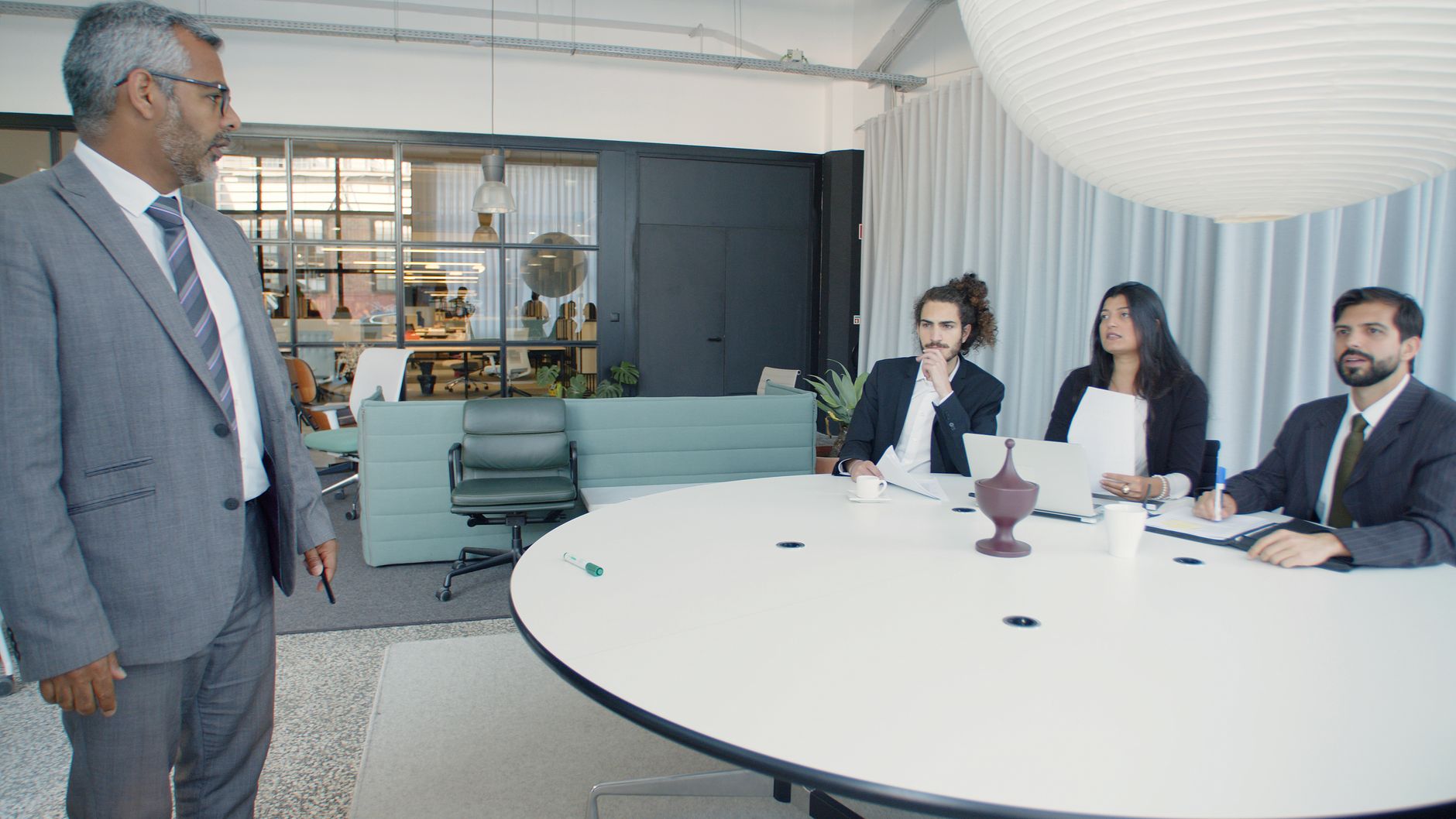
What Is Age Diversity In The Workplace?
Age diversity in the workplace means employees from multiple generations work side by side, from Gen Z to Baby Boomers, instead of a team made up of one age group. That matters because a 27-year-old analyst and a 58-year-old supervisor may both be smart, but they often expect different things from meetings, training, and feedback.
You see it in organizational behavior fast. One person wants a Slack message and a 10-minute video. Another wants a calendar invite, a written agenda, and a direct conversation. Some employees trust hierarchy and wait for a manager’s signal; others push back in the room and ask why a rule exists. Those habits shape how a team reacts to change in 2026, not just who sits at the desk.
The catch: Age diversity is not just “older and younger people in the same office”; it is the daily mix of 2 or more generations with different learning speeds, communication styles, and comfort with authority.
A team with age diversity can still act one-sided if only one age group gets the big projects or the loudest voice in meetings. That is why the topic sits inside leadership and organizational behavior, not just HR paperwork. In my view, leaders who ignore age patterns usually blame “personality” when they should look at design.
You also see age differences in how people handle change. Some workers grew up with email, smartphones, and remote tools. Others built habits in offices where paper files, phone calls, and face time ruled the day. Neither side owns the truth. The workplace works better when both sides stop assuming their way is the default.
That mix changes who gets heard in a 30-minute meeting, who asks for help, and who gets seen as ready for a new role.
Why Does Age Diversity Matter For Teams?
Age diversity matters because mixed-age teams can pass knowledge in both directions, solve problems faster, and build better plans for the next 1 to 5 years. A 20-year industry veteran may know where the traps sit, while a newer worker may spot a faster tool or a customer trend the others missed.
Worth knowing: Teams that mix 10-year experience gaps often catch more blind spots, because one person sees history and another sees fresh options.
That matters for leadership and organizational behavior because group behavior changes when people bring different life stages into the room. A team with 3 generations may argue more at first, but that same tension can stop groupthink. I like that tradeoff. Clean agreement can hide weak ideas.
Age diversity also helps customer insight. A service team with people in their 20s, 40s, and 60s can read a wider spread of clients, from new graduates to retirees. A 2023 workplace survey from Pew Research Center showed age discrimination still affects workers, so companies that build mixed-age teams also send a clear message that talent does not expire at 35 or 55.
Reality check: Succession planning gets easier when a 62-year-old mentor and a 29-year-old successor work together for 6 to 12 months instead of scrambling after a resignation notice.
One simple way to build that mix is to pair age diversity with formal learning, like a Leadership and Organizational Behavior course that helps managers read group dynamics instead of guessing. The idea is not fancy. It is practical. Teams do better when experience does not sit in one corner and new ideas do not sit in another.
Which Age-Related Stereotypes Hurt Collaboration?
Age bias usually shows up in small choices first: who gets the stretch project, who gets interrupted in a 45-minute meeting, and who gets tagged as “ready” for promotion. Those choices often matter more than the policy handbook, because they decide whose voice counts at work.
- Younger workers get treated as impatient or disloyal, even when they stay for 3 years and deliver strong results.
- Older workers get boxed in as slow or resistant to change, which can keep them off digital projects and new client work.
- Some managers assume people under 30 need constant feedback, while people over 50 want none, and both assumptions are lazy.
- Promotion decisions can tilt toward the people who match the boss’s age or work style, not the people with the best results.
- Meeting norms can silence older employees if the team rewards the fastest speaker instead of the clearest one.
- Tech bias cuts both ways: a 24-year-old may get asked to fix every app problem, while a 61-year-old gets excluded from software training.
- Leadership and Organizational Behavior classes often focus on this exact problem because bias changes team behavior long before it shows up in turnover reports.
Learn Leadership Organizational Behavior Online for College Credit
This is one topic inside the full Leadership Organizational Behavior course on UPI Study — a self-paced, online class that earns real college credit. Credits are ACE and NCCRS evaluated and transfer to partner colleges across the US and Canada. Courses start at $250 with no deadlines and lifetime access.
Explore on UPI Study →How Do Mixed-Age Teams Create Challenges?
Mixed-age teams create friction when people use different channels, speeds, and feedback styles. A 26-year-old might want a fast text reply, while a 54-year-old may expect a scheduled talk. That mismatch can feel tiny, but it can turn into distrust after 2 or 3 bad handoffs.
A 30-day onboarding period often reveals the first cracks. New hires may not know whether they should ask questions in a group chat, a one-on-one, or a weekly meeting, and older team members may read that silence as lack of initiative. On the other side, younger employees may hear direct correction as harsh, while older employees may hear soft feedback as vague or fake.
Bottom line: Most age friction shows up in the first 90 days, when a team still decides who speaks, who listens, and who gets formal authority.
Process fights also pop up. One employee may want to test a new app in 2 weeks; another may want a 2-month pilot with written steps. Neither person acts crazy. They just value different risks. In leadership and organizational behavior, that difference matters because teams do not fail only from bad ideas; they fail from bad coordination.
A lot of leaders make the mistake of calling this a “culture issue” and leaving it there. That sounds smart and solves nothing. The better move is to name the exact behavior, like late feedback, skipped updates, or unclear ownership, and fix that piece first.
If a team never talks about these gaps, the oldest and youngest workers can both pull back. Then the middle gets stuck translating instead of leading.
How Can Leaders Build Age-Inclusive Workplaces?
Leaders build age-inclusive workplaces by writing rules that block age bias before it sneaks into hiring, training, and promotion. A fair system does not depend on goodwill alone. It uses the same standards for a 23-year-old intern, a 39-year-old analyst, and a 57-year-old director, and it checks those standards every quarter. That matters because bias often hides inside “fit,” “energy,” or “leadership presence,” which sound harmless but can code age into decisions. A strong policy can require 2 things: diverse interview panels for every role and quarterly bias reviews for promotion decisions.
Worth knowing: A structured process beats a friendly vibe, because friendly teams still miss age bias when they reward people who sound the most like the boss.
- Use age-neutral job ads. Skip phrases like “digital native” and “young, energetic team.”
- Require 3-person interview panels, with at least 1 person outside the hiring manager’s age group.
- Build two-way mentoring. A 61-year-old can teach judgment; a 28-year-old can teach new tools.
- Set meeting rules that give every person 1 turn before the room opens debate.
- Judge performance by outcomes, deadlines, and quality, not by who stays online until 8 p.m.
What this means: If a leader uses the same rubric for all ages, the team stops rewarding style over substance and starts rewarding actual work.
One practical fix sits in development access. Do not send the same age group to all the conferences, stretch tasks, or training slots. Rotate them across 12 months so learning does not turn into a private club. Another smart move is to pair age inclusion with a leadership and organizational behavior course for managers who need better tools, not more slogans.
How Do Leaders Make Mixed-Age Collaboration Work?
Mixed-age collaboration works when leaders set clear norms, mix learning styles, and give people equal access to information. A team cannot collaborate well if one age group gets the memo at 9:00 a.m. and another hears it at 5:00 p.m. Equality starts with timing, not speeches.
Leaders should run meetings with both written and spoken input. That helps the person who thinks out loud and the person who thinks after reading a page first. They should also set short feedback cycles, like weekly check-ins for 8 weeks, so nobody waits 6 months to hear they missed the mark. Long gaps help no one.
A good manager also watches who gets interrupted, who gets credit, and who gets training. If the same 2 people always answer first, the team has a pattern, not a coincidence. If the same age group always gets asked to mentor but never gets mentored, the workplace has turned age into a one-way street.
The best mixed-age teams usually act a little slower at first. That sounds bad, but I think it is better than fake speed. A team that takes 15 extra minutes to hear 4 viewpoints often saves hours later by avoiding a dumb mistake.
Leaders do not need perfect harmony. They need rules that keep age from becoming a hidden ranking system.
Frequently Asked Questions about Age Diversity
Start by looking for teams with 3 or more age groups, like Gen Z, Millennials, and Gen X. Age diversity in the workplace means people from different generations work together, and that mix shapes how you share ideas, solve problems, and handle change.
Age diversity in the workplace matters because it gives you more ways to think through the same problem. A 25-year-old may spot a tech trend fast, while a 55-year-old may spot risk faster, and that mix affects leadership and organizational behavior.
Most students think age diversity means only hiring younger and older people, but what actually works is building mixed-age teams with clear roles, shared goals, and 2-way feedback. That setup helps people learn from each other instead of working in age-based silos.
If you get age diversity wrong, you can create 2 problems fast: older workers may feel pushed out, and younger workers may feel ignored. That hurts trust, slows teamwork, and can raise turnover when people stop feeling respected.
What surprises most students is that age stereotypes hit both younger and older workers, not just one group. People may assume a 22-year-old lacks commitment or a 60-year-old resists change, even though skill and attitude vary a lot inside every age group.
This applies to any workplace with more than 1 generation, which includes most offices, hospitals, schools, shops, and remote teams. It doesn't describe a team made up of only 1 age group, because age diversity needs real mix, not just a label.
The most common wrong assumption is that age alone predicts performance. In real teams, a worker's results usually depend more on training, clarity, and support than on whether they're 28 or 58.
A leadership and organizational behavior course connects age diversity to how people act in groups, how managers set norms, and how conflict shows up across generations. If you study online, you can often find units on motivation, communication, and team behavior in 6 to 8 weeks.
Yes, an online course in leadership and organizational behavior can lead to college credit, and many programs offer ACE NCCRS credit or other transferable credit pathways. You can study online at your own pace, then use that credit toward a degree when the school accepts the program.
Mixed-age teams can improve problem solving, mentoring, and customer insight because you get different work habits and life experience in the same room. A team with 4 age groups often spots blind spots faster than a team that thinks the same way.
Leaders can create an inclusive workplace by using clear meeting rules, 2-way mentoring, and fair access to training and stretch work. They should watch for age bias in hiring, promotion, and feedback, because those 3 spots shape who gets heard and who gets left out.
Final Thoughts on Age Diversity
Age diversity in the workplace is not a polite talking point. It changes how people communicate, who gets trusted, and how fast a team learns. A group with 3 generations can become stronger than a same-age team, but only if leaders stop rewarding age stereotypes and start rewarding clear work. The biggest mistake I see is simple. People treat age like a personal issue instead of a systems issue. Then they wonder why younger staff stay quiet, older staff pull back, or meetings turn into a contest over who sounds most confident. That pattern wastes talent on both sides. It also makes succession planning harder, because no one wants to inherit a broken culture. Good leaders do not ask people to act younger or older. They build rules that let different ages contribute without apology. That means fair hiring language, real mentoring in both directions, meeting norms that do not favor one speaking style, and promotion reviews that use outcomes instead of vibes. If you manage people, start with one meeting this week. Watch who speaks, who gets interrupted, and who gets the next assignment.
How UPI Study credits actually work
Ready to Earn College Credit?
ACE & NCCRS approved · Self-paced · Transfer to colleges · $250/course or $99/month