
Yes, you can work full-time while earning a Post University degree, but the schedule only works if you treat school like a second job with a start and stop time. Post uses online 8-week modules, six per year, and that format gives adults more control than a 16-week semester. It also asks for discipline. One course can feel manageable next to a 40-hour workweek. Two courses can turn a busy month into a grind, especially if you have kids, shift work, or overtime. The real question is not “Can I do it?” It is “How much can I carry before my grades, sleep, or job start slipping?” A student taking one module at a time may handle the Post University course load with steady evenings and weekends. A student taking two modules while working 45 hours a week needs more room, cleaner routines, and a job that does not change shifts every 7 days. Transfer credit changes the picture fast. If you bring in 30, 60, or even 90 credits, you shrink the number of modules left and cut the pressure on every term. That matters more than people admit. The shape of the degree matters, too, because an 8-week class compresses the same college work into half the calendar time.
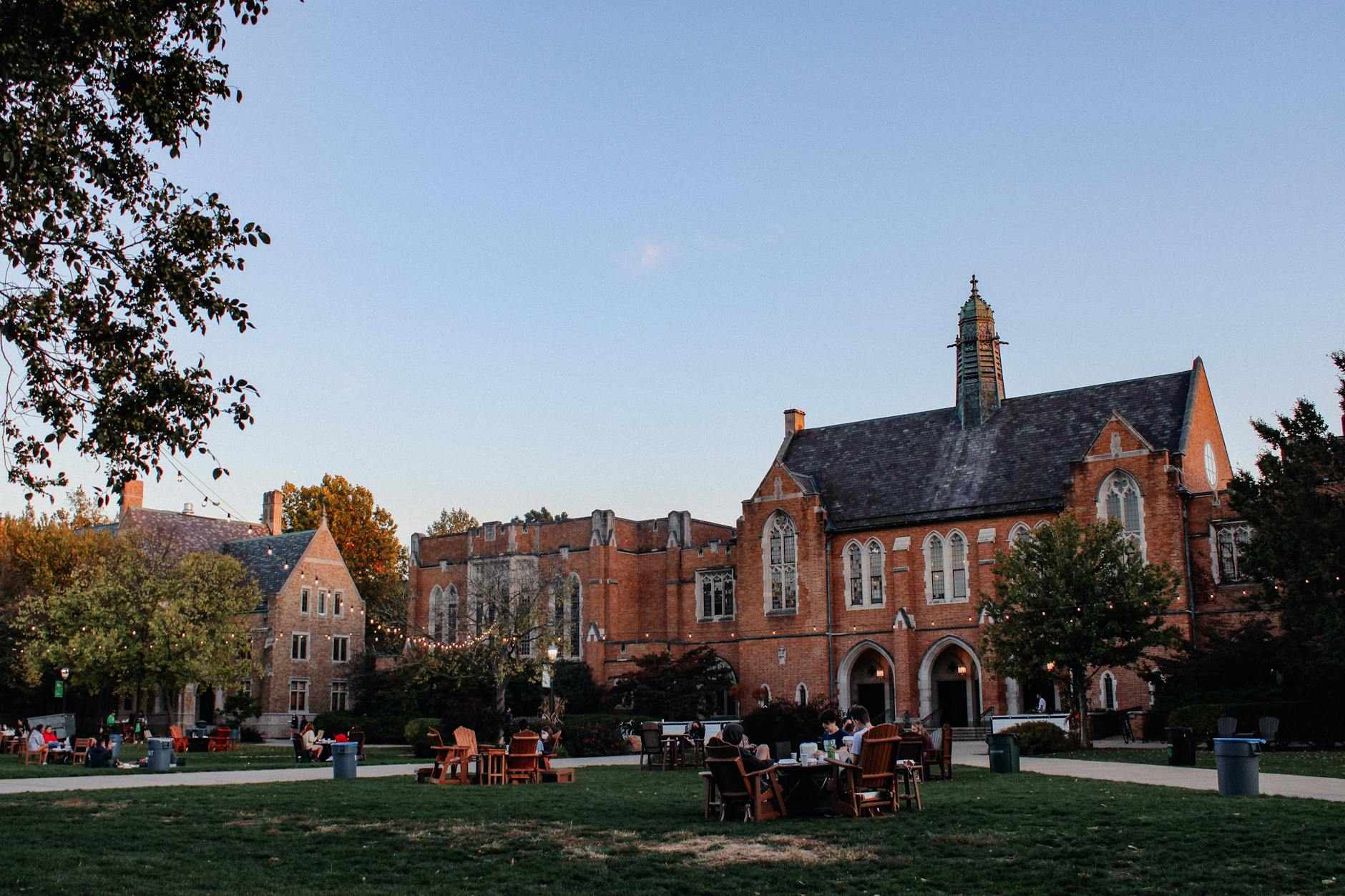
Can You Work Full-Time at Post University?
Yes, many adults do work 40 hours a week while taking classes at Post University, but the schedule only holds together if the rest of life stays fairly steady. The school’s online setup and 8-week modules fit working adults better than a long campus schedule, yet the math still gets real fast when a job asks for nights, weekends, or 10-hour shifts.
The catch: One course often fits a full-time job; two courses can feel like a squeeze if your workweek already runs 40-45 hours and your home life has another 15 hours of care work or commuting. That is where the Post University workload stops being abstract and starts showing up in missed discussion posts or rushed papers.
A lot depends on job flexibility. Someone with a predictable Monday-to-Friday schedule and a 30-minute commute can usually handle post university while working more easily than someone on rotating shifts or travel. I think people underestimate how much a schedule change of just 2 evenings a week can wreck school momentum. One snow day, one overtime call, and an 8-week module can start feeling very short.
Post’s online format helps because you do not sit in class at set times, but that freedom cuts both ways. You need to block study time yourself, and you need to protect it like a shift. For some students, that means 2 hours after dinner on weekdays and 4 hours on Saturday. For others, it means early mornings before work. Either way, the degree asks for a rhythm, not just motivation.
The biggest mistake is assuming full-time work and full-time school are the same as full-time work and part-time school. They are not. Two 8-week modules can push your week into a 15-20 hour school load fast, and that can be too much for a parent, a nurse on rotating shifts, or anyone with a long commute.
How Many Hours Does Each 8-Week Module Take?
A single 8-week module at Post University usually takes about 10-15 hours a week, and some heavier classes can climb to 18-20 hours when papers, quizzes, and exams hit at the same time. That range matters more than the course title, because a writing-heavy class and a discussion-heavy class do not ask for the same kind of time.
A lighter module may ask for 1 or 2 short discussion posts, a reading load spread across 5-7 chapters, and one weekly assignment. A heavier one can stack a paper, a quiz, a project, and exam prep into the same 7-day stretch. If you work 40 hours a week, the school piece can stay workable around 10-12 hours, but 18 hours starts crowding out sleep and family time.
Reality check: One 8-week class does not mean 8 easy weeks; it means the same college work lands inside 56 days, so deadlines arrive twice as fast as a normal 16-week term. That compression is what makes Post University 8 week modules working adults either love or hate.
A practical rule: 1 module can fit a full-time worker who guards 2 weekday evenings and part of Sunday. Two modules usually need more like 15-25 school hours a week, and that can be rough unless your job stays fixed at 40 hours and your home load stays light. I would not call two modules reckless, but I would call it unforgiving.
Some students think they can “catch up later.” That often fails in an 8-week term. Miss 1 week, and you lose a big slice of the class. Miss 2, and the course starts breathing down your neck.
Should You Take One Course or Two?
One course gives you breathing room, while two courses speed up graduation and raise the odds of burnout if your workweek already runs past 40 hours. The choice turns on your commute, family load, and how steady your schedule looks across an 8-week term.
| Load | Weekly hours | Stress / finish time / best fit |
|---|---|---|
| 1 module | 10-15 hrs | Lower stress; slower finish; full-time workers, parents, shift workers |
| 2 modules | 15-25 hrs | Higher stress; faster finish; stable schedules, strong planners |
| Calendar pace | 8 weeks per term | 1 class = steadier; 2 classes = more progress per 8-week block |
| Work fit | 40-45 hr job | 1 class usually safer; 2 classes needs protected evenings |
| Burnout risk | Varies by life load | Higher with overtime, travel, kids, or rotating shifts |
Bottom line: One course fits more people than they expect, and two courses fits fewer people than they hope. That is the honest Post University part time choice for most working adults.
The Complete Resource for Post University Workload
UPI Study has a full resource page built specifically for post university workload — covering which courses count, how credits transfer to US and Canadian colleges, and how to get started at $250 per course with no deadlines.
Explore Post University Courses →Which Post University Dates Shape Your Pace?
The 2026-27 calendar matters because three dates can shape how fast you move: Term 3, Term 4, and Term 5. Post uses rolling admissions, no fixed application deadline, and financial-aid paperwork should land about a week before the term starts.
- Online Term 3 runs Oct. 26-Dec. 20, 2026, so late fall can carry you through 8 weeks of work and school at the same time.
- Term 4 runs Jan. 11-Mar. 7, 2027, which gives winter starters a clean 8-week block after the holiday break.
- Term 5 starts Mar. 8, 2027, so a student who finishes winter strong can roll right into the next module with almost no downtime.
- Rolling admissions means you do not wait for one annual deadline, and that helps adults who decide to enroll after a job change or family shift.
- Financial-aid documents about 7 days ahead give staff time to process forms before the module clock starts ticking.
- Six 8-week online modules per year create a fast pace, so one missed start date can push your next step back by nearly 2 months.
- If you work retail, healthcare, or contract hours, the exact start date matters more than the brochure language because pay cycles and course cycles collide fast.
How Do Transfer Credits Lighten Your Load?
Post accepts up to 90 transfer credits toward a bachelor’s degree, and that cap can cut a lot of time off the road to graduation. If a student brings in 60 credits, that leaves roughly half a bachelor’s program still to finish; if the student brings in 90, the remaining load shrinks even more. That is not a small tweak. It can remove several 8-week modules from the schedule.
Post also applies ACE equivalency recommendations for evaluated and military training, which matters for people who earned learning outside a standard classroom. A military transcript, a training program, or a prior college course can turn into credit when the review lines up. That changes the Post University course load from “How do I survive this term?” to “How many terms do I actually need left?”
Worth knowing: Credits already banked can save 2, 4, or even more 8-week modules, and that can cut both tuition pressure and weekly stress. I like that because it rewards earlier work instead of making adults repeat material they already know.
UPI Study’s self-paced ACE-recommended courses give students another way to arrive with credits in hand before they start Post. That matters for post university while working because one less class in the first year can mean 8 to 15 fewer hours a week of school labor. It also gives people with unpredictable jobs a cleaner runway.
The downside is simple: transfer credit helps most when the school already accepts the credit. That means the smartest move is to start with the credits you already have and build from there, not the other way around.
What Does a Real Post University Schedule Look Like?
A realistic example helps more than theory. Imagine a full-time worker with a 40-hour job, a 30-minute commute, and one online 8-week module. That person might spend 10-12 hours a week on reading, discussion posts, and assignments, which usually fits if the week has 2 solid evenings and part of Sunday. Add a second module, and the load can jump to 18-25 hours, which is where missed sleep and missed deadlines start trading places. A student who enters with 30 or 60 transfer credits may also finish faster, because fewer remaining modules mean fewer 8-week stretches to survive.
- One module: steadier pace, more sleep, and less emergency work.
- Two modules: faster progress, tighter weekends, and less margin for error.
- 60 transfer credits: fewer remaining terms and a shorter total path.
- 90 transfer credits: the bachelor’s finish line comes much closer.
- Term 3 on Oct. 26, 2026, is a real checkpoint for fall starters.
If you want a direct path into Post University transfer options, the cleanest move is to line up credits before the term starts. Explore UPI Study’s self-paced, ACE/NCCRS-recommended courses for this school, including Principles of Management and Project Management. Those courses give working adults a way to walk into Post with fewer classes left and a lighter first year.
Frequently Asked Questions about Post University Workload
Yes, if you plan for Post University’s 8-week modules and keep your weekly school time realistic. Most working adults do best with 1 course at a time, which usually means about 10-15 hours a week for reading, classwork, and assignments.
Most students try 2 courses, but 1 course per 8-week module usually works better with a full-time job. That setup gives you one clear class load, while 2 courses can push your week past 20 hours once you count discussions, papers, and quizzes.
The surprise is that an 8-week class moves fast, so one missed week can turn into 2 weeks of catch-up. Post University uses six 8-week online modules each year, so deadlines come up faster than they do in a 16-week semester.
If you take too much, your grades can slip and your job can take a hit in the same month. That risk gets bigger in Term 3 from Oct. 26-Dec. 20, 2026 and Term 4 from Jan. 11-Mar. 7, 2027, because those terms leave little room to recover.
The most common wrong assumption is that part-time means easy. At Post, part-time can still mean a sharp weekly routine, because even 1 online module can take 10-15 hours while you keep a 40-hour work week.
You should usually take 1 module if you work full-time, and 2 only if you have a light work schedule and strong study habits. Post runs 6 online modules a year, so you can spread your degree across more terms without cramming too much into one 8-week block.
Start by mapping your work hours against the next online term and picking the lightest first load. Post’s Term 5 starts Mar. 8, 2027, and rolling admissions mean you don't wait for a fixed application deadline; financial-aid documents about a week ahead help keep the start smooth.
This fits you if you can protect 10-15 hours a week for one class and keep a steady schedule across 8-week modules. It doesn't fit you well if your job changes weekly shifts, because Post’s fast terms leave little slack.
Transfer credit can cut the total degree load a lot, since Post accepts up to 90 transfer credits toward a bachelor’s degree. If you bring in credits from prior college work or military training, you may shorten the number of classes you need to finish.
UPI Study gives you self-paced, ACE-recommended courses that can help you start Post with credits already banked. That matters because Post applies ACE equivalency recommendations for evaluated training, and fewer classes can mean a lighter weekly load from day one.
The simple version: 1 course fits most full-time workers, 2 courses fit some, and transfer credits make either plan lighter. | Pace | Typical weekly load | Best fit | |---|---:|---| | 1 course | 10-15 hours | Full-time job | | 2 courses | 20-30+ hours | Light work schedule | | With transfer credit | Lower total degree load | Faster finish |
Final Thoughts on Post University Workload
Full-time work and a Post University degree can fit together, but the fit depends on pace, not wishful thinking. One 8-week module at a time gives most working adults a real shot at steady progress. Two modules can work too, yet that choice asks for a calm schedule, strong habits, and very little chaos. Transfer credit changes everything. Up to 90 credits toward a bachelor’s degree means some students start much closer to the finish line than they expected. That can cut the number of terms, lower the weekly load, and make the whole degree feel less like a marathon with a backpack full of bricks. The calendar matters as much as the class count. Term 3 on Oct. 26, 2026, Term 4 on Jan. 11, 2027, and Term 5 on Mar. 8, 2027 give adults clear points to start, stop, and reset. Rolling admissions helps too, because you do not have to wait around for a single annual date. If you are balancing a job, a family, and school, be honest about the hours before you register. Pick the load you can hold for 8 weeks, not the load that sounds brave for 3 days. Then map the next term before the current one gets messy.
Three roads, one of them is yours
Ready to Earn College Credit?
ACE & NCCRS approved · Self-paced · Transfer to colleges · $250/course or $99/month