
Do you need the anatomy lab separately from the lecture? In many schools, yes, because anatomy lecture and lab often work as a pair and the lab carries its own 1- or 2-credit requirement. Some colleges let you take them together in the same 16-week term, while others split them across two classes or two semesters. That split trips people up fast. A lecture-only course can look complete on a transcript, but a nursing or allied health program may still want a full lab, a co-requisite lab, or a specific course code that matches its own catalog. That is where students lose time, because the registrar sees one thing and the program director sees another. The smart move is to check the structure first: does the school list anatomy as a combined 4-credit lecture-lab course, or as 3 lecture credits plus 1 lab credit? If the lab sits on its own, the school may treat it as a separate registration with its own grade and attendance rules. If the course runs as one package, skipping the lab usually means you miss the whole class. A real example: at many community colleges, A&P I and A&P II each carry a lab that meets 2 to 3 hours a week, and pre-nursing applicants often need both parts before the application deadline. That is not a small detail. It changes whether you can start the next term, or whether you wait another 4 months.
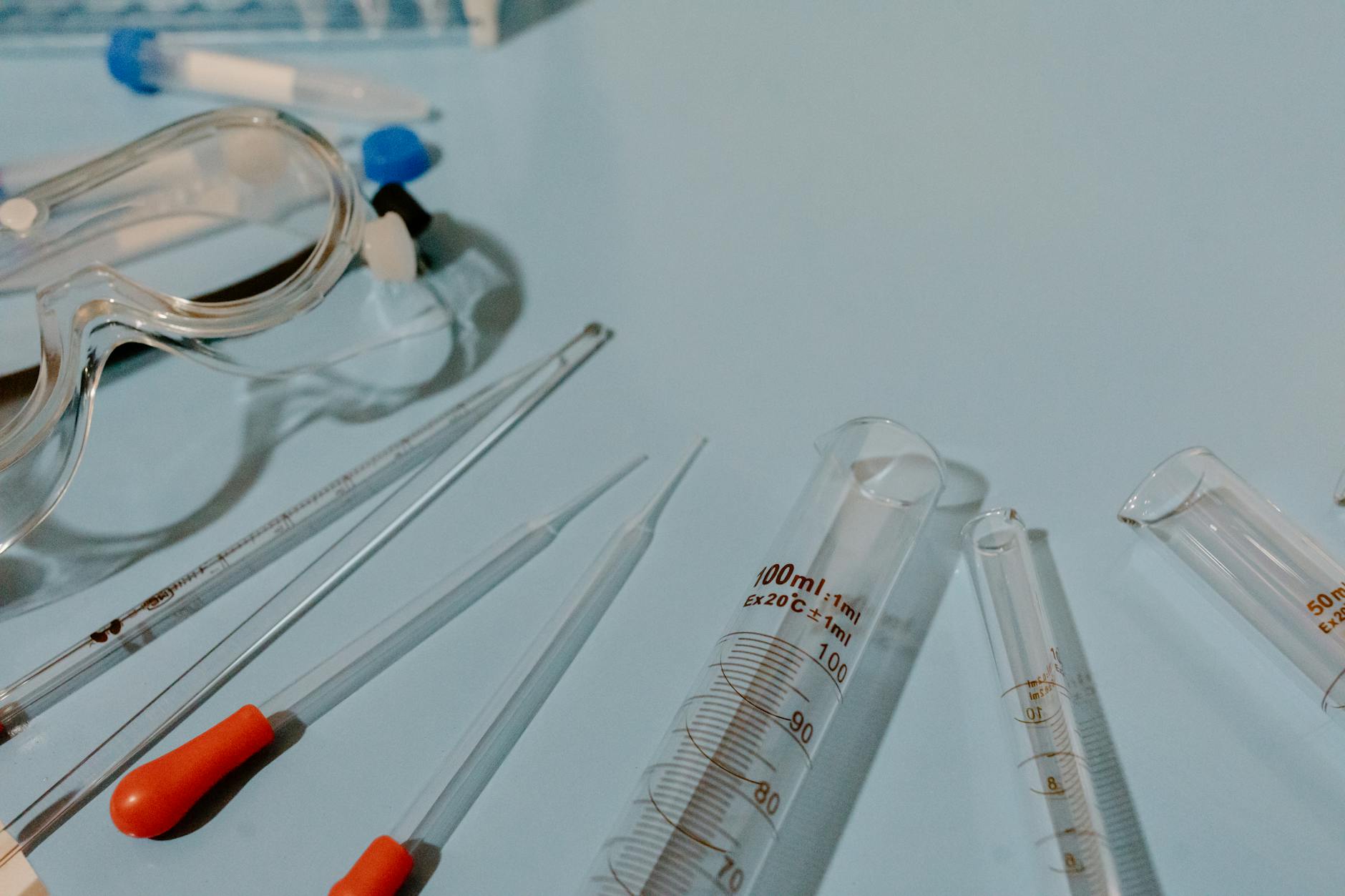
Does Anatomy Lab Have To Match Lecture?
Most schools pair anatomy lecture and lab as co-requisites, so you register for both in the same 8- to 16-week term and earn a single grade or linked grades. A few colleges split the setup into 3 lecture credits plus 1 lab credit, and that difference changes the whole game.
The catch: If a catalog says the lab is a co-requisite, the school expects both courses in the same term, and a registrar may block a later lab-only add if the lecture already ended. That happens a lot in anatomy, physiology, and microbiology.
A lecture-only class usually covers names, functions, and body systems. A lab adds hands-on work, dissections, models, slides, measurements, and practical exams. Schools use that 1-credit or 2-credit lab to prove you did the hands-on part, not just the theory. That matters for a program that wants direct contact with specimens, images, or cadavers, because a 90-minute lecture does not give the same training.
What this means: If your transcript shows only the lecture, you may have earned academic credit, but you have not filled a lab credit requirement. Advisors care about that split because they see it as two different pieces, even when the course title looks almost identical.
Some institutions let students take the lecture first and the lab later, but they still require both before the class counts for a degree or prerequisite. I like the schools that state this plainly in the catalog. The messy ones bury it in a footnote from 2021 and then act surprised when students get stuck.
Check three things before you enroll: the course number, the credit split, and whether the lab appears as a separate line in the schedule. If the course says 4 credits and the lab sits inside that 4, you usually cannot peel it off. If the school lists 3 + 1, you often can. That one detail decides whether you need the anatomy lab separate from lecture or whether the school wants one combined block.
Which Schools Separate Anatomy Lab And Lecture?
Schools handle anatomy in a few common ways, and the policy shape matters more than the course title. One college may bundle everything into a single 4-credit class, while another splits lecture and lab into separate registrations with separate grades. That difference affects enrollment, transfer, and whether you can finish in one 16-week term or need 2 terms.
| Policy type | Enrollment | Credit / lab rule | Concurrent? |
|---|---|---|---|
| Combined lecture-lab | 1 course | 3-4 credits total | Yes |
| Lecture + separate lab | 2 registrations | 3 credits + 1 credit | Often yes |
| Lecture without lab allowed | Lecture only first | No lab credit yet | No, for a time |
| Self-paced accredited online format | Several courses at once | One-time payment; lifetime access | No fixed term |
| Health program prerequisite | Program-specific review | Lab credit must match syllabus | Usually yes |
Reality check: Some schools care less about the title and more about the syllabus, the lab clock hours, and whether the class shows 2024 or 2025 approval language in the catalog. That is the part students miss.
A separate lab setup gives flexibility, but it can also create a trap if you finish lecture and then learn the lab fills only in spring. A combined setup feels less flexible, yet it keeps the paperwork cleaner for transfer and prerequisite review.
What Happens If You Transfer Lecture Only?
Lecture-only transfer often works for general credit, but it does not always satisfy a health program that wants both parts of anatomy. A registrar may post the lecture as 3 credits or 4 credits, then mark the lab as missing if your original school never listed a companion lab.
That gap shows up fast in prerequisite audits. A nursing office may accept the lecture for elective credit and still reject it for admission because the file lacks a separate anatomy lab. PA and PT programs do this even more often, because they look at the exact course split, not just the subject name.
Bottom line: If your transcript shows lecture only, the school may count it as transfer credit, but the program may still ask for an equivalent lab, a combined lecture-lab course, or a 2- to 4-credit sequence that matches its own catalog.
The cleanest transfer case uses a course map. The old course has to line up with the new one in content, credit hours, and lab time. If the lab at the sending school ran 2 hours a week and the receiving school expects 3, the advisor may ask for a replacement course. That is not rare. It happens every term.
Some registrars also split credit by source. They may bring in the lecture from one school and the lab from another, but only if the two together match the target course. If the lab sat on a pass/fail line or used a very light online format, the receiving school may still flag it. That is why transfer anatomy lab credit gets picked apart so hard.
The Complete Resource for Anatomy Lab
UPI Study has a full resource page built specifically for anatomy lab — covering which courses count, how credits transfer to US and Canadian colleges, and how to get started at $250 per course with no deadlines.
Explore Anatomy Lab Course →Which Health Programs Require Anatomy Lab?
A lot of health programs want both anatomy lecture and lab, and they usually care about 3 things: the credit split, the grade, and the hands-on lab format. A 2.75 GPA rule or a B- minimum can matter just as much as the course title.
- Nursing programs often want A&P I and II with lab, not lecture alone. Many BSN tracks set a B or better floor.
- PA programs usually read the syllabus closely and may want 2 separate anatomy credits or a full 4-credit sequence.
- PT programs often expect dissection or cadaver-based lab exposure, especially in 2024 and 2025 prerequisite lists.
- OT programs may accept a lab that runs online, but some still want an in-person practical or 20+ lab hours.
- Medical school prereqs usually ask for 1 year of biology plus 1 year of chemistry, and anatomy lab can strengthen the file even when it is not required.
- Allied health tracks like sonography, radiography, and respiratory therapy often want a lab because they tie anatomy to clinical skills.
- Some programs accept Medical Terminology as a support course, but they still separate that from the anatomy lab requirement.
Worth knowing: A school can like your lecture grade and still reject the lab format if it lacks dissection, a wet lab, or a proctored practical. That sounds picky because it is.
A few programs also compare the lab clock hours, not just the credits. If one course gives 45 lab hours and another gives 30, a review committee may call them different on paper.
How Do Self-Paced Anatomy Courses Fit?
A student at a community college who needs anatomy before a spring nursing deadline often runs into a timing wall: the lecture starts in August, the lab fills by September, and the next open section does not show up until January. Self-paced accredited courses help there because a student can work through several courses at once instead of waiting on a 16-week term, and the course access stays open after the first pass.
That setup helps students who want to finish lecture material and a lab-style requirement faster, especially when they need to stack prerequisites around work, family, or another science class. It also helps when a school wants the content finished before a fixed admission date, not after. Still, the downside sits in plain sight: a self-paced course only helps if the target school accepts that format for the credit it wants.
- You can move faster than a 15-week semester.
- One payment covers lifetime access.
- Several courses can run at the same time.
- Anatomy lab course works well for students who need lab credit on a flexible schedule.
- Introduction to Biology II can sit beside anatomy when the plan needs 2 science credits at once.
- Some students use this route to finish before a 60-credit transfer deadline or a 1-year application cycle.
Real-world fit: A working adult who needs A&P II before an October 1 deadline can keep moving without waiting for the next campus section, which is a big deal when the usual sequence runs only once per year.
I like this model because it cuts the calendar delay, not because it feels fancy. That is the whole point.
How Do Registrars Read The Lab Requirement?
Registrars read the lab requirement like a paperwork puzzle, not like a subject label. They check the course code, the credits, the contact hours, and the catalog year, and they compare those details against the receiving school’s 2023, 2024, or 2025 prerequisite list.
If the lecture and lab sat together at the sending school, the transfer file often moves faster because the course map already shows a complete sequence. If the lab sat apart, the reviewer may ask for the syllabus, a lab schedule, or an old course description from the exact term you took it.
A common problem shows up with spring and fall timing. A student may finish the lecture in May and plan to take the lab in September, then discover that a health program wants both completed before the application deadline. That creates a delay of 4 to 8 months, which feels brutal when the rest of the application is ready.
Some schools also use minimum grade rules. A B- may work for transfer credit, but a nursing or PT program may want a B or better in both lecture and lab. That split matters. A registrar can post the credit, and the program can still say no to the prerequisite.
Introduction to Biology I and Healthcare Organization and Management often sit in different parts of a plan, but they show the same paperwork truth: the course title matters less than the exact credit line.
Frequently Asked Questions about Anatomy Lab
Check the course catalog for the anatomy lecture and lab together, then look for the lab credit requirement, because many schools list them as a paired 4-credit or 5-credit science sequence. If the lab shows a separate CRN, you can often register for it in the same term.
This applies to you if your school lets you split a 3-credit lecture from a 1- or 2-credit lab, and it doesn’t fit if your program blocks registration until you enroll in both parts. Nursing, dental hygiene, and PTA tracks usually fall in the stricter group.
Most anatomy labs carry 1 to 2 credits, while the lecture often carries 3 credits, so a full anatomy sequence can total 4 or 5 credits. If your catalog shows those numbers on separate lines, you’re dealing with a split course structure.
You usually need the lab with the lecture for health programs, but some colleges let you take the lecture first and the lab later if the courses sit in different terms. The caveat is that the lab often counts as a co-requisite, so your registration system may block one without the other.
The biggest wrong assumption is that a lecture grade alone satisfies the science requirement, even when the catalog says the lab has its own credit line. A school can accept a lecture for elective credit and still reject it for anatomy sequence credit.
Most students take anatomy lecture and lab in the same semester, and that usually works best because the lab matches the weekly topics. If your schedule is tight, a self-paced accredited course lets you work through several courses at a time instead of one per term, and it uses one-time payment with lifetime access.
You can lose transfer credit or miss a program prerequisite if your school treats the lab as a required co-requisite, and that can delay a start date by 1 term or more. Some health programs also require a minimum C grade in both parts, not just the lecture.
The thing that surprises most students is that a 3-credit lecture can look complete on paper, yet a university can still mark it as incomplete without the 1-credit or 2-credit lab. That happens a lot in transfer files for nursing, sonography, and pre-med tracks.
Colleges usually transfer a lecture without its lab as partial credit, not full anatomy credit, because the lab carries separate hands-on skills like models, microscopes, or cadaver work. For transfer anatomy lab credit, schools often want matching lecture and lab hours from the same institution.
Yes, if the online lab comes from an accredited provider and includes an approved practical component, like virtual dissection, lab simulations, or proctored work. Many schools accept online formats for transfer when the course shows 1 to 2 lab credits and a clear syllabus.
Health programs almost always want both parts, and many set a minimum grade of C or better in each course before you move on to physiology, microbiology, or clinical classes. That rule shows up a lot in nursing, PA, athletic training, and allied health plans.
Yes, you can work through several self-paced accredited courses at once if your schedule allows it, since you don’t have to wait for a 15-week term to end. That setup also gives you one-time payment and lifetime access, which helps if you need more than one prerequisite.
You can explore the accredited online course for this subject through a provider that lists ACE and NCCRS approval, then compare the syllabus, lab format, and transfer wording before you start. That saves time if you need a 1- or 2-credit lab plus the lecture in the same plan.
Final Thoughts on Anatomy Lab
So, do you need the anatomy lab separately from the lecture? In many schools, yes. In others, the lab rides with the lecture as one combined course, and that split changes everything from registration to transfer review. The safest rule is simple: read the course structure before you sign up. If the catalog shows a co-requisite, treat the lab and lecture as a package. If the school splits them into 3 credits and 1 credit, check whether the lab must happen in the same term, because health programs often care about that detail more than the course title itself. Transfer gets even stricter. A lecture-only credit can still help your transcript, but a nursing, PA, PT, or OT program may still ask for the lab, a matching companion course, or a full sequence that matches its own syllabus and lab hours. That is why students get tripped up even when the transcript looks fine at first glance. The best move is to plan around the exact prerequisite, not the broad subject name. Match the credits, match the lab format, and match the deadline. Then you cut out the guesswork and keep your path open for the next program step.
How UPI Study credits actually work
Ready to Earn College Credit?
ACE & NCCRS approved · Self-paced · Transfer to colleges · $250/course or $99/month