
Healthcare informatics improves delivery and outcomes by turning patient data into usable action at the right moment. It helps clinicians see allergies, meds, labs, imaging, and past visits in one place, so they make faster and safer choices. That matters because care gets messy fast. A patient might see a primary care doctor on Monday, a lab on Tuesday, and an emergency department on Friday. Without a shared system, each team starts from scratch. With informatics, the record carries forward, and the next clinician does not have to guess. The biggest mistake students make is thinking informatics means "computer records" only. That is too small. Informatics also covers how data moves, how teams message each other, how systems flag risk, and how leaders measure quality across 30 days, 90 days, or a full year. In practice, it sits between technology and real care. Good systems help nurses, doctors, pharmacists, and managers work from the same facts instead of four different versions of the truth. This shift matters in plain ways. It cuts duplicate tests. It reduces missed allergies. It makes follow-up easier after discharge. It also gives hospitals a way to track readmissions, infection rates, and wait times, which means they can fix problems instead of arguing about them later.
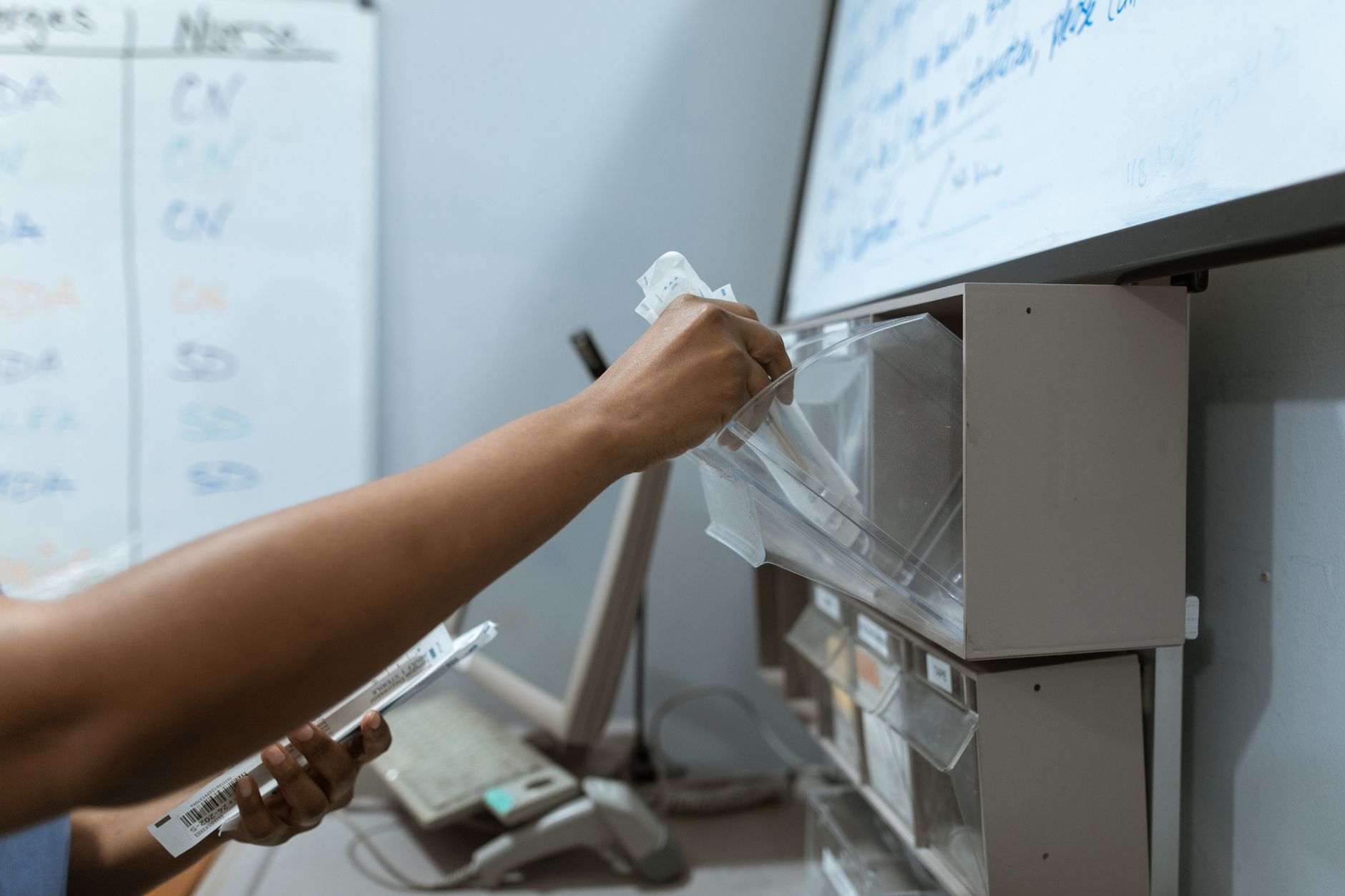
How Does Informatics Improve Healthcare Delivery?
Healthcare informatics improves healthcare delivery by turning scattered facts into a live picture of the patient, which helps clinicians act faster at the bedside, in the clinic, and during discharge planning. A lab value from 8 a.m., a medication list from last week, and a triage note from 10 minutes ago all become part of one working file.
The catch: Most students think the electronic record is the whole story, but informatics also shapes workflow, communication, and analytics across 2 or 20 departments. That wider view matters because a clean chart still fails if the referral sits unanswered for 7 days or the nurse cannot see the allergy note.
The real point is decision support. A doctor seeing a potassium level of 2.9 mmol/L or a blood pressure of 180/110 does not need a data dump; the system should surface the right clue at the right time. That is why informatics helps with speed, not just storage. I think that distinction gets skipped too often, and it makes the field sound smaller than it is.
A good system also supports communication. A message to radiology, a discharge summary, and a pharmacy update can all move through the same digital path, which cuts phone tag and lost paper. In a 2024 hospital, that can matter more than a new device because the best tool in the world cannot help if no one sees the result.
Informatics also helps leaders spot patterns across 100 visits or 10,000 visits. If one clinic keeps missing follow-up after diabetes labs, the data will show it. Then managers can fix the process instead of blaming staff one patient at a time.
Why Does Informatics Reduce Care Errors?
Healthcare informatics reduces care errors by giving clinicians alerts, standard forms, and shared data that catch problems before they reach the patient. A missed penicillin allergy, a duplicated CT scan, or a wrong-dose order can start with one tiny gap in information.
Reality check: Most errors do not come from one dramatic mistake; they grow from 2 or 3 small misses, like a transcription slip and a rushed handoff. That is why medication alerts, allergy checks, and standardized documentation matter so much in daily practice.
Decision support tools flag drug interactions, dose ranges, and duplicate orders in real time. If a patient already takes warfarin, the system can warn about a new medication that raises bleeding risk. That kind of check does not replace clinical judgment, but it gives the team a second set of eyes, which I trust more than memory alone.
Standardized documentation also helps. If every unit records allergies, vitals, and discharge steps in the same 6-part format, staff waste less time decoding notes and spend more time with the patient. Hand-off failures drop when the night nurse sees the same problem list the day team used.
Data visibility matters just as much. When the ED, lab, and pharmacy all see the same chart, the chance of repeating a test or missing a critical result falls. In 2023 and 2024, that kind of shared view became a basic safety tool, not a fancy add-on. The downside? Alerts can pile up and annoy staff, so poor setup can create noise instead of help.
That is why a strong system needs more than software. It needs smart rules, clean input, and people who respect the process.
Which Healthcare Problems Does Informatics Solve?
Informatics attacks the daily problems that slow care and blur accountability. A single hospital can move through 500 charts in a busy day, and that volume makes weak systems show their cracks fast.
- It reduces delays in record access by putting labs, imaging, and visit notes in one chart. A clinician does not have to wait for faxed paperwork or a phone call.
- It cuts fragmented coordination by letting hospitals, clinics, pharmacies, and labs share the same patient history. That matters when 3 different teams touch one case in 48 hours.
- It improves outcome tracking by storing readmissions, infection rates, and follow-up data in one place. Managers can compare 30-day numbers instead of guessing.
- It fixes inefficient workflows by automating tasks like reminders, order checks, and discharge summaries. Less copying means more time for care.
- It exposes population health blind spots by grouping data across age, zip code, diagnosis, or race. That helps teams spot who keeps missing care.
- It supports more even quality by using standard templates and reporting rules. A 2022 clinic and a 2025 clinic can still measure the same result the same way.
Learn Healthcare Organization Management Online for College Credit
This is one topic inside the full Healthcare Organization Management course on UPI Study — a self-paced, online class that earns real college credit. Credits are ACE and NCCRS evaluated and transfer to partner colleges across the US and Canada. Courses start at $250 with no deadlines and lifetime access.
Explore on UPI Study →How Does Informatics Improve Care Coordination?
Healthcare informatics improves care coordination by letting hospitals, clinics, labs, and pharmacies share the same patient story across 1 visit or 12 visits. Shared records reduce the silly but harmful stuff, like asking the same allergy question five times or sending a referral without the latest lab result.
Worth knowing: Coordination fails most often at transitions, not in the middle of a stable stay. Discharge, transfer, and referral periods carry the most risk because 2 teams may assume the other team already handled the next step.
Interoperability matters here. When systems talk to each other, a specialist can see the primary care note, the lab can see the order history, and the pharmacist can check the medication list before filling a prescription. That cuts repeated questions and shortens delays, especially after an ER visit or surgery.
Team messaging helps too. A nurse, case manager, and physician can document the same plan in one place instead of chasing each other by phone. That sounds small, but one missed message can delay home oxygen, physical therapy, or a follow-up appointment by 3 days or more.
Referral tracking closes another gap. If a patient leaves a clinic with a cardiology referral, the system can show whether the appointment got booked, whether the consult happened, and whether the note came back. I like that part a lot because it turns "we referred them" into proof.
Care coordination gets better when data moves cleanly across settings. It gets worse when every site protects its own file like a locked drawer.
How Does Informatics Improve Outcomes Over Time?
Healthcare informatics improves outcomes over time by making care measurable, and once an organization can measure something, it can improve it. A team that tracks 30-day readmissions, infection rates, or HbA1c control can see whether a change actually helped or just sounded good in a meeting. That matters because health systems do not fix what they cannot count, and they cannot count what they never collect. The best part is repeatability: one month of data starts a conversation, 12 months of data shows a pattern, and that pattern points to where the next fix should go. The downside is plain too—bad data can mislead people just as fast as good data can help them.
- Readmissions: track 30-day returns after discharge.
- Infections: watch surgical site rates and hospital-acquired cases.
- Adherence: check whether patients refill meds on time.
- Wait times: measure delay from check-in to first visit.
- Equity gaps: compare outcomes across zip code, age, or race.
A good dashboard does not just report numbers; it shows where a process breaks on Tuesday, in one unit, at one step. That is how teams move from one-time fixes to continuous improvement.
Why Does Healthcare Organization and Management Need Informatics?
Healthcare organization and management needs informatics because leaders cannot staff, budget, or plan well without clean data from 2024, 2025, and the current month. A manager who sees 18% overtime on one unit, 9% no-show rates in another clinic, and a 14-day backlog in imaging can make smarter choices about people and resources.
Informatics also drives quality reporting. Hospitals use it to track readmissions, patient satisfaction, length of stay, and safety events, then tie those numbers to staffing or process changes. That link matters because a budget line means little if the team cannot show how it affects care.
Students in a healthcare organization and management course often study these same ideas through case work, dashboards, and process maps. Many choose to study online because they want flexible timing, and some pursue college credit or ace NCCRS credit through transferable credit pathways. I think that path makes sense for busy adults, since the subject lives at the overlap of operations and care.
A manager who understands informatics reads more than a chart. They see where money leaks, where staff burn out, and where quality slips. That is not glamorous, but it is where real improvement starts.
Frequently Asked Questions about Healthcare Informatics
Most students think informatics just means putting records on a screen, but what works is using data from EHRs, lab systems, and imaging to cut errors, speed decisions, and track 30-day readmissions. You get safer care and clearer follow-up.
5 big gains show up fast: fewer medication mistakes, faster lab result sharing, better care-team handoffs, cleaner discharge plans, and stronger outcome tracking. That helps you spot problems early, like a high A1C trend or a missed allergy alert.
The most common wrong assumption is that informatics only helps IT staff, but clinicians use it every shift for orders, alerts, and patient histories. A nurse, doctor, or pharmacist can all act faster when the data sits in one place.
What surprises most students is that small data fixes can change big results, like reducing duplicate tests, shortening wait times, and improving chronic disease follow-up. A 2023 hospital dashboard can show gaps in 10 minutes, not 10 weeks.
This applies to you if you work in a clinic, hospital, public health office, or telehealth team, and it matters less if you never handle patient data at all. A registration clerk, bedside nurse, and case manager all feel the difference.
If you get informatics wrong, you can miss a critical allergy, repeat a test, or delay treatment because the right data never reaches the right person. That can also wreck reporting on 7-day follow-up, infection rates, and discharge quality.
Start by mapping one patient flow, like admission to discharge, and mark every place data gets entered, shared, or lost. That 1-page map shows where delays, duplicate work, and safety gaps happen, and it gives you a clear fix list.
A healthcare organization and management course shows you how data supports staffing, scheduling, patient flow, and quality checks. You learn why one dashboard can help a unit manage 20 beds, 3 shifts, and monthly safety reports with less confusion.
Yes, an online course can give you college credit when it carries ace nccrs credit or transfer-ready approval from a cooperating school. That setup lets you study online, finish in weeks or months, and move the credit into a degree plan.
Transferable credit helps you finish required classes without repeating material, so you can move through a healthcare organization and management course faster and save time. If your school accepts the credit, you keep moving instead of sitting through the same 3-credit class again.
You use lab results, medication lists, vital signs, imaging notes, and visit history to make care more accurate. When those 5 data types connect, you can track blood pressure, A1C, or infection trends across 1 patient or 1,000 patients.
Informatics speeds sharing by putting orders, results, and care notes into one EHR that different teams can see in real time. A doctor can review a 2 p.m. lab result, a pharmacist can check it, and a nurse can act the same day.
Informatics improves outcome tracking by turning visits, test results, and follow-up data into dashboards that show trends across days, weeks, or 12 months. You can see whether treatment works, where patients drop off, and which unit needs a fix.
Final Thoughts on Healthcare Informatics
Healthcare informatics improves care because it helps people act on facts instead of hunches. That sounds simple, but the impact reaches across the whole system: fewer duplicate tests, faster referrals, safer prescribing, better reporting, and clearer outcome tracking. A hospital with weak information flow tends to repeat mistakes. A hospital with strong information flow can spot them early and fix them before they spread. The common thread here is not the software itself. It is the way data moves through a clinic, a ward, a lab, and a pharmacy. Once that flow works, teams waste less time chasing missing details and spend more time on the patient sitting in front of them. That shift helps with errors, delays, access gaps, and follow-up, which are the same problems people complain about most in real life. Students and professionals who study this topic should keep one question in mind: does the system help the next person make a better decision? If the answer stays yes, the informatics setup probably adds real value. If the answer stays no, the system just stores data and gets in the way. Keep that standard in mind the next time you look at a chart, a dashboard, or a care handoff, and judge the system by what it helps someone do next.
How UPI Study credits actually work
Ready to Earn College Credit?
ACE & NCCRS approved · Self-paced · Transfer to colleges · $250/course or $99/month