
High-performing healthcare teams work because people share information fast, know their roles, and act before small problems turn into bigger ones. That sounds simple, but in a hospital, clinic, or long-term care unit, simple habits can cut errors, speed up care, and keep patients safer. The teams that stand out do not rely on one star person. They use clear communication, trust, shared goals, accountability, adaptability, and mutual respect. Those traits matter in healthcare organization and management because care moves across shifts, departments, and job titles. A nurse may spot a change in a patient’s breathing. A pharmacist may catch a dosing issue. A physician may need to adjust a plan in 5 minutes, not 5 hours. That speed matters. So does follow-through. Teams that work well keep handoffs tight, speak up early, and check that someone actually owns each task. Teams that do not work well tend to lose time in confusion, repeat work, and miss warning signs. The result can be a rough day for staff and a dangerous one for patients. Students who study team behavior can spot these patterns early. Once you know what to look for, you stop seeing teamwork as a soft skill and start seeing it as a patient safety tool.
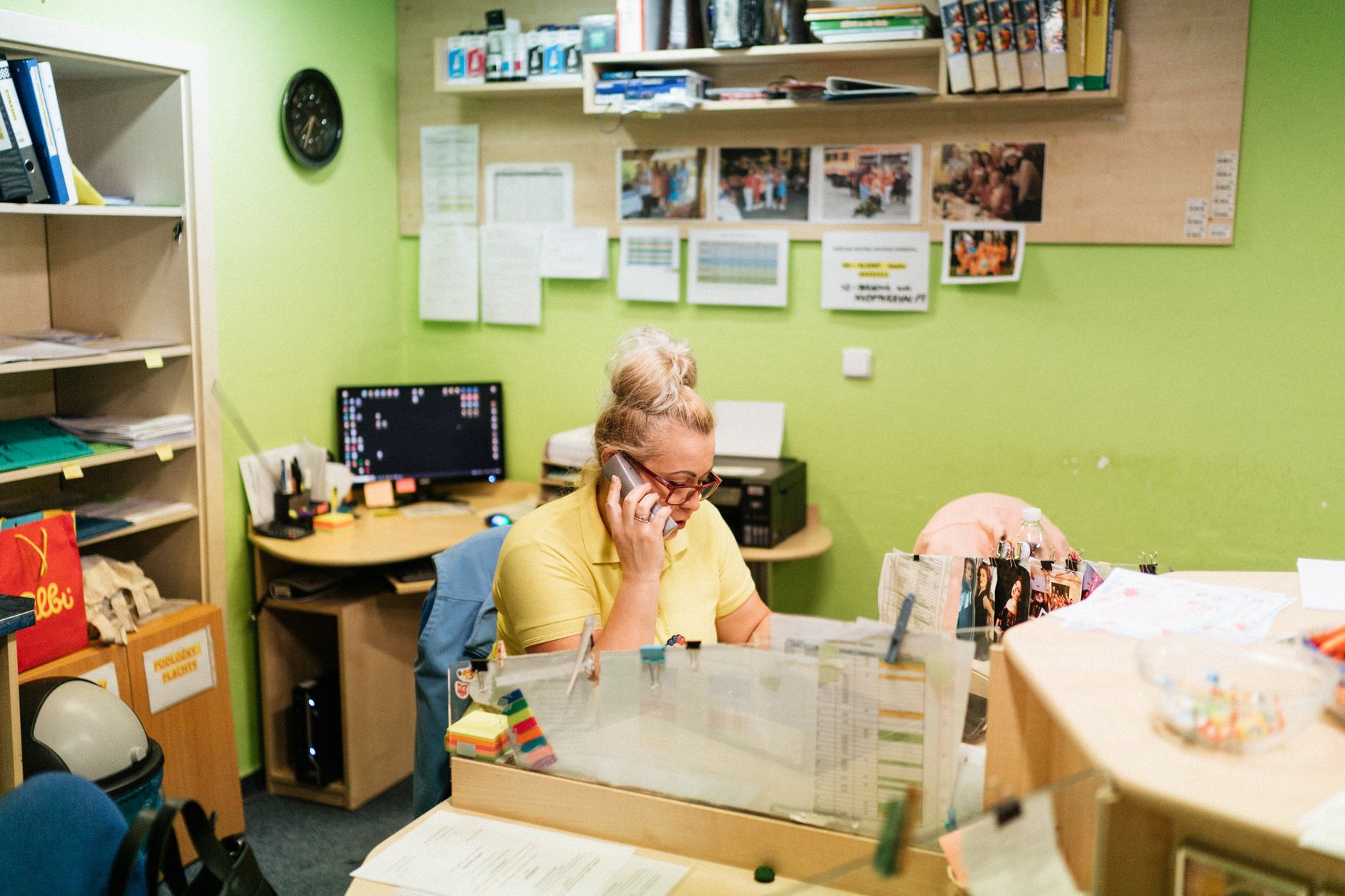
Why Do High-Performing Healthcare Teams Work?
High-performing healthcare teams work because they cut delay, cut confusion, and cut the odds that a small mistake turns into a patient harm event. A unit that shares information in under 1 minute can move faster than one that leaves people guessing, and that difference shows up during admissions, discharges, and emergency changes.
In healthcare organization and management, workflow matters as much as clinical skill. A team that knows who documents vitals, who checks medications, and who updates the family can move through a 12-hour shift with fewer gaps. A weak team often passes the same message 3 times and still leaves someone unsure. That is not a people problem alone. It is a systems problem.
These teams also improve patient outcomes because they notice trouble sooner. A respiratory change at 8:10 a.m. should reach the right person before lunch, not after a shift swap. Speed alone does not save people, though. The real gain comes when speed pairs with accuracy, so the team shares the same facts and acts on the same plan.
I think this is where a lot of casual talk about teamwork gets sloppy. People praise “good vibes,” but patients need clean handoffs, not warm feelings. A team can be friendly and still unsafe. The best teams build habits that hold up on a messy Tuesday, not just during a calm class demo.
That is why performance shows up in the daily grind. If a team can handle 2 urgent changes, 1 late lab result, and a shifting discharge plan without losing the thread, it has real strength. If not, the cracks appear fast.
What Traits Make Healthcare Teams Effective?
Strong healthcare teams do not depend on one hero. They depend on repeatable habits, and a 2023 Joint Commission focus on communication still points to the same old truth: people get hurt when teams assume instead of check.
The catch: A good team looks boring on paper and calm under pressure in real life.
How Does Communication Improve Patient Safety?
Communication improves patient safety when it uses short, exact, and repeatable habits that leave less room for guessing. Closed-loop communication works because one person gives an instruction, the other repeats it back, and both sides confirm the same message. That simple loop can prevent errors in medication, transport, and urgent response.
Handoffs matter just as much. A 7 a.m. shift change is not the time for vague notes or half-finished thoughts. Teams that use a standard format, such as SBAR, reduce confusion because they name the situation, background, assessment, and recommendation in the same order every time. That structure helps across nursing, medicine, pharmacy, and imaging.
Reality check: Most dangerous mistakes start as tiny communication slips, not dramatic breakdowns.
Speaking up early also saves time. If one person notices a change in blood pressure, pain, or mental status, the team should not wait for the next round. Delays of 30 minutes can matter when a patient needs oxygen, fluids, or a new order. The best teams treat early warning as useful data, not as drama.
I like teams that confirm responsibility out loud. “I’ll call radiology.” “I’ll chart the change.” “You watch the patient.” Those lines sound plain, but they stop tasks from floating in the air. Weak communication leaves everyone thinking someone else handled it. Strong communication gives each task a name and a timer.
Learn Healthcare Organization Management Online for College Credit
This is one topic inside the full Healthcare Organization Management course on UPI Study — a self-paced online class for college credit. Credit recommended by NCCRS; your college decides how credits transfer. Courses start at $250 with no deadlines and lifetime access.
Explore Healthcare Team Course →How Do Trust And Accountability Shape Teamwork?
Trust and accountability work together, and healthcare teams fall apart when one shows up without the other. Trust lets people ask for help after a rough 10-hour shift, while accountability keeps the team from drifting into excuses. You need both, not one or the other.
A trusted team member can say, “I’m not sure this lab result fits the picture,” and the group can respond before harm grows. That kind of honesty matters in ICUs, emergency departments, and outpatient clinics, where conditions change fast and nobody has time for pride. When trust is weak, people hide doubts. That silence can cost a patient a bed, a dose, or a diagnosis.
Worth knowing: Fair accountability works better than blame because people repeat what leaders inspect.
Leaders shape this fast. A supervisor who gives feedback within 24 hours, follows up on missed tasks, and sets the same standard for everyone builds a steadier team than one who only reacts after trouble. Fair expectations matter too. If one person gets a pass for being late and another gets called out for the same thing, respect drops fast.
Accountability also has a practical side. Teams do better when they can see who owns the chart, who owns the meds, and who owns the next check-in. That kind of visibility feels ordinary, but ordinary is what keeps care from wobbling.
Which Real-World Behaviors Show Team Effectiveness?
A student in a healthcare organization and management course at a school like the University of Cincinnati may spend 45 minutes on a team case study and then 15 more minutes in a simulation debrief. That setting makes the traits visible fast. One student calls out the roles, another checks the timeline, a third questions a mismatch in the plan, and the group adjusts before the case ends. That is the real test. Not who talks the most. Who moves the work forward without stepping on the same rake twice.
Bottom line: Good teams show their habits when the plan changes at minute 12, not when everything stays easy.
- Roles get named in the first 2 minutes, so nobody guesses who does what.
- The team changes course within 1 step when new data appears.
- Someone asks a respectful challenge instead of staying silent.
- The group reviews what worked in 10 minutes, not 2 days later.
- Each person leaves with one clear task and one clear next step.
How Can Students Build Better Healthcare Teams?
Students build better healthcare teams by practicing the same habits that strong units use in hospitals and clinics. These skills show up in class labs, online course work, and clinical placements, and they matter in healthcare organization and management because teamwork is part of the job, not a side topic.
Frequently Asked Questions about Healthcare Teams
Most students think top teams run on talent alone, but what actually works is clear roles, fast communication, and shared goals during every shift. In healthcare, that cuts handoff mistakes and helps teams react fast when a patient’s condition changes.
A 30-second closed-loop check can prevent a bad order from slipping through. You hear the message, repeat it back, and confirm it, which helps nurses, doctors, and pharmacists catch errors before they reach the patient.
What surprises most students is that trust does not mean everyone agrees; it means people speak up when they see a risk. Teams with 2-way trust share concerns sooner, so a missed allergy or wrong dose gets flagged before harm happens.
If you ignore accountability, tasks get missed, handoffs get fuzzy, and nobody owns the next step. That can slow discharge planning, raise safety risks, and leave you with repeated work because the team never closes the loop.
Start by naming roles in plain language and writing down who does what during a shift. A team that knows who handles meds, who updates the chart, and who calls the provider saves time and avoids overlap.
This applies to students and staff in hospitals, clinics, long-term care, and rehab units, where 2 or more roles must work together. It doesn't fit solo work, where one person makes every call and no handoff happens.
The most common wrong assumption is that being friendly is the same as being effective. A polite team can still miss lab results, skip escalation, or leave a patient waiting 45 minutes if nobody tracks the next action.
Shared goals keep everyone aimed at the same patient result, such as safe discharge, pain control, or infection prevention. High-performing teams in healthcare traits and behaviors include writing down the goal, checking progress, and adjusting fast when the plan changes.
Mutual respect lets a junior nurse question a senior doctor without fear, and that can stop a wrong medication or bad timing. Teams that respect each voice catch more small errors before they become big ones.
Adaptability helps you switch plans when an admission, code, or transfer hits at the same time. In a 12-hour shift, that flexibility keeps care moving when staffing changes, test delays, or patient needs shift fast.
A healthcare organization and management course teaches you to spot weak handoffs, role confusion, and poor follow-through in real settings. You study cases, team structures, and patient safety rules, and many online course options offer college credit or transferable credit.
Yes, you can study online and still learn team skills well if the course uses case work, discussion boards, and scenario practice. Some programs also offer NCCRS credit, but your college still decides whether it accepts that credit.
Look for a course that covers communication, accountability, patient safety, and team roles, not just theory. If it carries an ACE or NCCRS credit recommendation, ask your school first, because ACE and NCCRS have over 2,100 cooperating colleges that will consider accepting credits; the final decision is with the universities.
Final Thoughts on Healthcare Teams
High-performing healthcare teams do not happen by accident. They grow out of habits that sound plain but carry real weight: clear roles, fast communication, steady follow-through, and enough trust for people to speak up before a small problem turns into a patient risk. That mix matters because healthcare runs on timing. A 2-minute delay in one room can ripple into a missed handoff, a late med, or a confused discharge plan in another. Strong teams reduce that risk by making the work visible. They do not hide behind titles, and they do not treat teamwork as a nice extra. Students can learn a lot by watching what good teams do on an ordinary day. Who speaks first? Who checks back? Who owns the next step? Those patterns tell you more than a polished mission statement ever will. I also think it helps to watch for the ugly signs: silence, fuzzy roles, rushed handoffs, and blame after mistakes. If you want to build these skills, start with one team task this week and judge it by the same standards healthcare uses in real care settings. Did the group communicate, adapt, and finish with fewer loose ends than it started with?
How UPI Study credits actually work
Ready to Earn College Credit?
Credit recommended by NCCRS · Self-paced · Your college decides how credits transfer · $250/course or $99/month (US)