
Critical care nursing in healthcare means caring for patients with life-threatening or fast-changing conditions in places like ICUs, trauma units, and step-down beds. These nurses watch tiny changes, act fast, and work with the whole care team when seconds matter. The job goes far beyond bedside charting. A critical care nurse may track blood pressure every few minutes, spot a drop in oxygen before it becomes an emergency, call a physician with a clear update, and help a family understand why the plan changed at 2 a.m. That mix of clinical skill and plain communication matters because a patient in crisis rarely stays still for long. One shift can move from routine checks to a rapid response, then back to careful watching. The most common student misconception is simple: people think critical care nursing only means working in an ICU and caring for patients on ventilators. That misses half the picture. These nurses also care for post-op patients, trauma cases, sepsis, cardiac events, and people who are not intubated yet but can crash fast. The specialty sits right at the point where nursing, monitoring, and urgent decision-making meet.
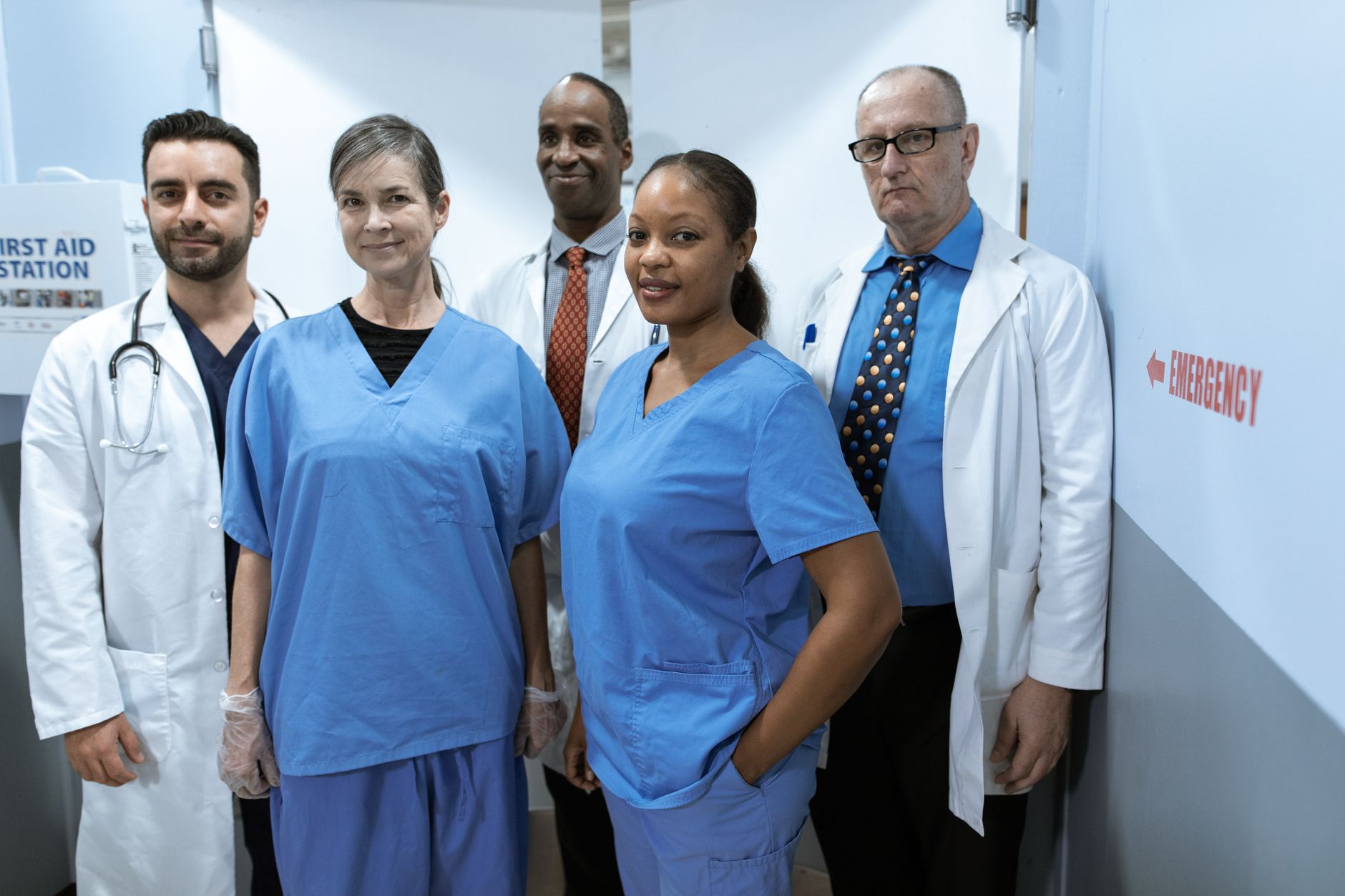
What Is Critical Care Nursing in Healthcare?
Critical care nursing is the specialty that cares for patients whose conditions can worsen in minutes, not days, across settings like the ICU, trauma bay, and post-anesthesia care unit. Nurses in this role track trends, catch warning signs early, and act before a small problem becomes a code blue.
The catch: This work is not just “ICU bedside work.” A nurse may reassess a patient every 15 minutes, compare labs across 3 draws, and alert the team when a blood pressure trend slides, even if the monitor still looks stable. That kind of surveillance matters because a single number can hide a bigger story.
The role also includes coordination. A critical care nurse talks with physicians, pharmacists, respiratory therapists, charge nurses, and sometimes social workers during the same shift, because one medication change can affect oxygen, kidney function, and family decisions at once. That teamwork piece gets ignored far too often; people picture machines first and communication second, but the order should be the other way around.
The specialty demands fast judgment, but it also demands patience. A nurse may spend 6 hours fine-tuning oxygen support, checking urine output, and watching for sepsis markers, then pivot in 30 seconds when the patient’s status drops. That mix of urgency and restraint is what makes the work distinct from general floor nursing.
Which Patients Do Critical Care Nurses Care For?
Critical care nurses care for patients who can decline in minutes, not just people already on a ventilator. In a single 12-hour shift, they may see trauma, sepsis, heart trouble, and neurologic emergencies side by side.
- Trauma patients often arrive after car crashes, falls, or violence. They may need close watching for bleeding, shock, or brain injury.
- Sepsis patients can look tired, confused, or feverish before they crash. A nurse watches blood pressure, temperature, and lab trends closely.
- Respiratory failure cases include severe asthma, pneumonia, and COPD flare-ups. Some patients need oxygen support; others may need intubation.
- Cardiac emergencies include heart attacks, dangerous rhythms, and post-arrest care. Nurses track telemetry, chest pain, and circulation minute by minute.
- Neurological crises include stroke, seizures, and increased brain pressure. Even a 2-point change in responsiveness can matter.
- Post-op complications can follow major surgery, especially after heart, abdominal, or transplant procedures. A patient may look fine in recovery and still turn unstable later.
- High-acuity step-down patients need more monitoring than a regular unit offers, but not always full ICU support. They often move between 1:1 observation and lower-intensity care.
Reality check: Many people assume only intubated patients count as critical care. That misses a huge slice of the work, because a patient with sepsis or a fresh stroke can look “okay” for 20 minutes and then deteriorate fast.
Learn Human Resource Management In Healthcare Online for College Credit
This is one topic inside the full Human Resource Management In Healthcare course on UPI Study — a self-paced online class for college credit. Credit recommended by NCCRS; your college decides how credits transfer. Courses start at $250 with no deadlines and lifetime access.
See Human Resource Course →What Responsibilities Define Critical Care Nursing?
The work follows a sequence: watch first, interpret second, act third, then communicate clearly so the next decision lands on solid ground. A nurse in a 1:2 ICU assignment may repeat that cycle dozens of times during a 12-hour shift.
- Continuous monitoring comes first. The nurse watches vital signs, oxygen levels, rhythms, mental status, and urine output, often minute by minute.
- Trend reading comes next. A single blood pressure reading matters less than the pattern across 30 minutes, 3 hours, or a full shift.
- Medication and titration management follows. Nurses adjust drips, check infusion rates, and watch for side effects from drugs that can change within 15 minutes.
- Airway and device care comes after that. The nurse manages lines, drains, ventilators, catheters, and tubes while watching for infection, blockage, or dislodgement.
- Rapid response closes the loop. When a patient worsens, the nurse calls for help, starts ordered steps, and updates the team before the situation spirals.
- Family communication and team coordination run through the whole shift. Nurses explain changes in plain words and work with physicians, pharmacists, respiratory therapists, and charge nurses.
What this means: Every step protects safety. A missed drip error, a delayed call, or a vague handoff can cost more than time; it can change recovery, length of stay, and sometimes survival.
Why Does Critical Care Nursing Need Specialized Skills?
Critical care nursing needs sharper judgment than most general units because the margin for error stays thin. A nurse may compare two lab values 4 hours apart, notice a pattern that looks small, and still realize the patient needs help now.
The technical side matters a lot. Nurses must read monitors, use ventilator basics, handle invasive lines, and know when a change in oxygen, blood pressure, or urine output signals real trouble. The human side matters just as much. Calm speech, quick prioritizing, and honest updates help patients and families stay grounded during frightening moments.
Resilience also counts. A critical care nurse may handle a death, then manage a code, then explain a plan to family members before the end of the same 12-hour shift. That pace can wear people down, and burnout in high-acuity units can hit staffing hard. Hospitals sometimes talk about “team spirit” too much and schedule design too little.
These skills affect outcomes in direct ways. Faster recognition can lower complications, and cleaner communication can reduce missed orders, delay, and confusion. In a specialty where a 5-minute lag can matter, that is not a soft skill problem; it is a patient safety problem.
How Do Critical Care Units Fit Hospital Staffing?
Critical care nurses sit inside the hospital’s highest-stakes staffing plan, because units like the ICU, emergency department, PACU, trauma center, and specialty step-down floors cannot run on general staffing patterns. A 1:1 or 1:2 nurse-to-patient ratio often appears in ICU care, while step-down units may run closer to 1:3 or 1:4 depending on the hospital and the patients. That difference shapes scheduling, training, overtime, and backup coverage.
Hospitals also use critical care nurses as a pressure valve. When a patient gets worse in the ER, after surgery, or on a medical floor, the system needs a nurse who can spot the change and move fast. Workforce planners watch vacancy rates, turnover, sick leave, and cross-training because one empty ICU slot can force a whole unit to shuffle assignments.
Bottom line: Human resource management in healthcare depends on this specialty because a hospital cannot post a bed if it lacks a skilled nurse to staff it. That affects admissions, transfers, and whether a unit can stay open on a busy Friday night.
- ICUs need nurses who can handle 1:1 or 1:2 care without losing pace.
- Cross-training helps during winter surges, flu season, and mass-casualty events.
- Turnover hurts fast, because training a strong critical care nurse takes months, not days.
- Charge nurses and staffing offices use patient acuity, not just headcount, to plan shifts.
- Good staffing lowers missed changes, delays in treatment, and avoidable transfers.
For readers who want more on this side of the field, a human resource management in healthcare course can show how staffing choices shape patient care. That link makes sense here because critical care units run on people, not just equipment.
Frequently Asked Questions about Critical Care Nursing
The thing that surprises most students is that critical care nurses do far more than watch monitors; you manage ventilators, drips, lab trends, and rapid changes in ICU patients, often in 1:1 or 1:2 staffing. You work with people who can crash in minutes, not hours.
You usually need an RN license, strong med-surg experience, and unit training that can run 3 to 6 months, plus ACLS and often CCRN prep later. Critical care rewards fast pattern spotting, calm teamwork, and comfort with machines, alarms, and high-stakes decisions.
Most students think critical care nursing means only ICU work, but what actually works is learning the whole chain: ED, ICU, step-down, PACU, and transport. You also need to read hemodynamics, titrate vasoactive meds, and speak up fast during rounds.
The most common wrong assumption is that the doctor runs every move and the nurse only follows orders. In real care, you catch subtle changes first, call the team with specifics like blood pressure trends or urine output, and help prevent a code.
Start by taking a human resource management in healthcare course or a nursing leadership class that shows how units staff 24/7 and why ICU turnover matters. If you want college credit, check whether the online course carries NCCRS credit or transferable credit before you pay.
If you get critical care staffing wrong, patients can wait too long for meds, alarms, or airway help, and that can raise the chance of ICU harm or death. Hospitals also burn out nurses faster, which makes turnover, overtime, and agency use worse.
Critical care nursing in healthcare affects both bedside care and hospital planning. You help hospitals set safe nurse-to-patient ratios, predict ICU bed use, and plan for 12-hour shifts, surge days, and cross-training needs during flu season or a trauma spike.
This applies to nurses who want fast change, close teamwork, and high-acuity care in ICUs, EDs, trauma units, or cardiac units; it doesn't fit people who want a slow pace or very low-risk patients. You need comfort with frequent alarms, 2 a.m. changes, and rapid prioritizing.
Critical care nurses care for adults and children with sepsis, respiratory failure, major trauma, stroke, heart attacks, and post-op complications. You also see patients after open-heart surgery, transplants, or high-risk procedures, where minute-by-minute changes can matter more than a full day of progress.
Critical care nursing matters because you spot decline early, start life-saving actions fast, and help lower complications in units where even 1 missed dose or 1 delayed alarm response can change outcomes. That close attention supports survival, recovery, and shorter hospital stays.
You need strong assessment skills, clear communication, and comfort with IV pumps, ventilators, and arterial lines. You also need to think in trends, not single numbers, because a heart rate of 110 means more when the blood pressure is falling and the urine output drops.
Final Thoughts on Critical Care Nursing
Critical care nursing sits at the sharp end of healthcare. These nurses care for patients who can change in minutes, not weeks, and they do it in places where alarms, labs, family questions, and staffing pressure all hit at once. That is a hard job. It also matters in a very plain way: when a nurse sees trouble early, the team gets more time to act. The specialty reaches far beyond ventilators and ICU beds. It includes trauma, sepsis, cardiac events, neurologic crises, post-op complications, and step-down patients who look stable until they do not. That range makes the work bigger than most people expect, and honestly, that surprise is part of the problem. Too many students picture machines and miss the judgment, communication, and coordination underneath. Healthcare organizations feel that pressure too. If they cannot staff critical care well, they cannot open beds, move patients smoothly, or absorb sudden surges. This specialty matters to both patient outcomes and workforce planning. It sits right where care quality and staffing reality meet. If you are trying to understand the field, start with the units, the patient mix, and the pace of change. Then look at what hospitals ask from the nurses who keep those units running. Ask your own questions next.
How UPI Study credits actually work
Ready to Earn College Credit?
Credit recommended by NCCRS · Self-paced · Your college decides how credits transfer · $250/course or $99/month (US)