
Method overriding in Java means a subclass gives a new body to a method it inherits from a superclass, but the method name and parameter list must stay the same. That is the part students miss most. They often think any same-named method counts. It does not. Inheritance has to exist first. If class B does not extend class A, then B cannot override A’s method, even if both methods look alike. The override also changes behavior at runtime, which is why Java uses it so often in OOP and in everyday code that works with a superclass reference. This matters because overriding gives one interface, many behaviors. A Shape reference can point to a Circle object, and Java will run the Circle version of draw() if Circle overrides it. That runtime choice is what makes polymorphism feel clean instead of messy. Students also mix up overriding with overloading. Overriding keeps the same signature across parent and child classes. Overloading changes the parameter list inside the same class or across related classes, and the compiler treats that as a different method. If you can spot that difference fast, you avoid a lot of broken code and a lot of bad quiz answers.
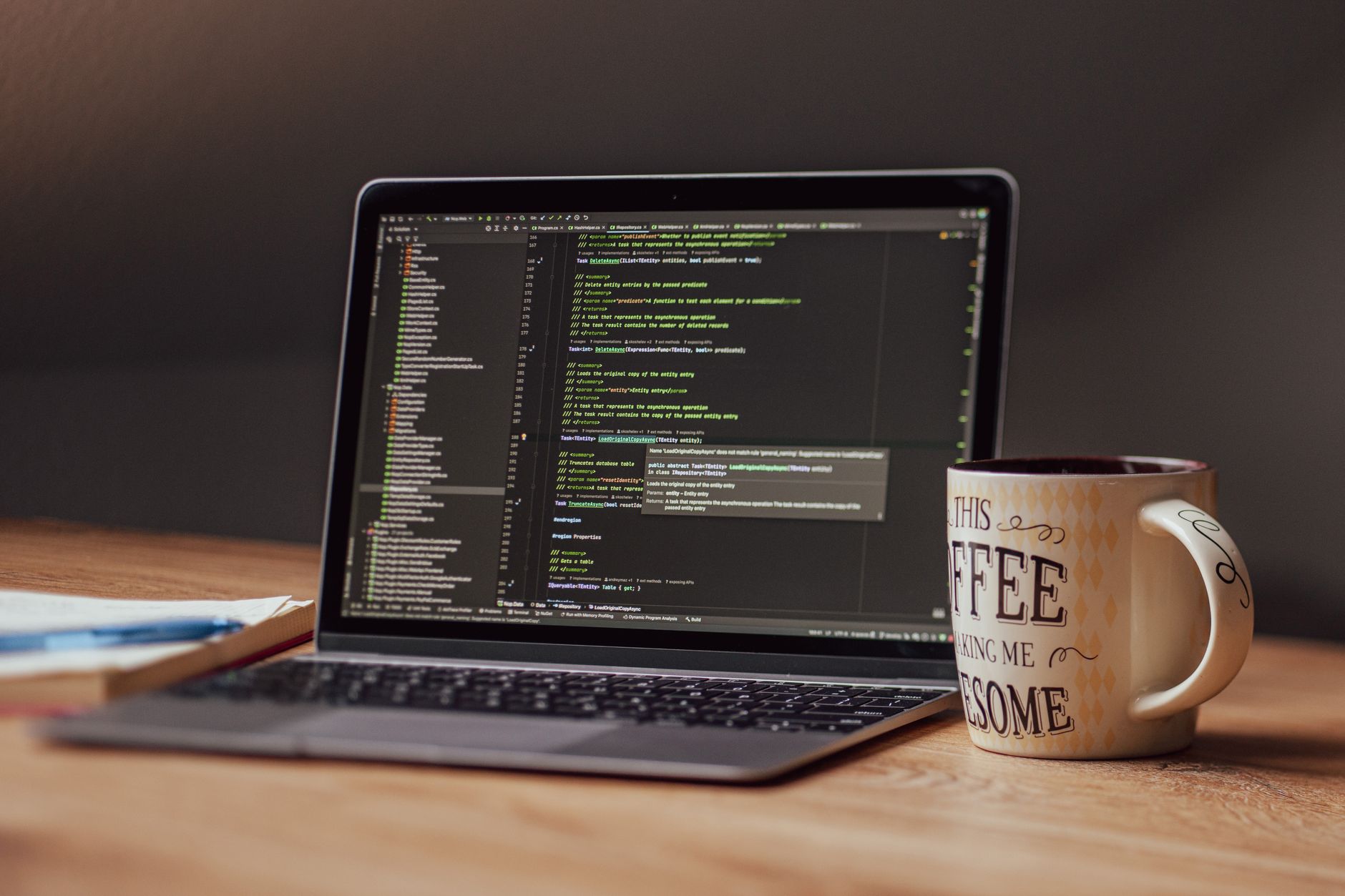
What Is Method Overriding In Java?
The most common mistake is simple: students think any two methods with the same name count as overriding, but Java requires inheritance and the same parameter list before it treats the new version as a real override.
A subclass can redefine a superclass method by writing a method with the same signature, which means the same name and the same parameter types in the same order. If class Dog extends Animal and both classes define speak(), Dog can override Animal’s speak() method and supply a different body for the 2nd version. That is what people mean by redefining method in java.
This is not just a naming trick. Java uses overriding to let a child class change inherited behavior without changing the parent class source code, which is a big deal in an introduction to java course because it shows how reuse works in real programs. A parent class can stay general, while each child class adds its own 1 of many behaviors. That pattern shows up in menus, file handlers, payment types, and UI code.
Reality check: A method with the same name but a different parameter list is not overriding at all; that is overloading, and Java treats it as a separate method. Students lose points on this every semester because they memorize the word, not the rule.
Overriding also supports cleaner design. Instead of writing 12 if-else checks for 12 object types, you let each subclass carry its own version of the same method. That keeps code shorter and easier to read, especially in a 200-line class where every extra branch hurts. A good override looks boring on purpose, and that boring look is the point.
In plain terms, the superclass sets the contract, and the subclass swaps in its own 1-line or 20-line answer for that contract. That is the core idea behind method overriding in java, and once you see it, the rest of the rules start to make sense.
Which Rules Must Java Overrides Match?
Java only accepts an override when the subclass method matches a small set of rules, and the compiler checks them before the program runs. Miss one rule, and your code fails at compile time, not 10 minutes later in testing.
- The method name and parameter list must match exactly. If the superclass method uses 2 parameters, the override must use the same 2 parameters in the same order.
- The return type must stay the same or use a compatible covariant type. If Animal return type becomes Dog, Java allows that only when Dog extends Animal.
- You cannot reduce access. A public method in the parent cannot turn into protected or private in the child; that breaks the contract in 1 line.
- Checked exceptions must stay the same or become narrower. If the parent throws IOException, the child can throw IOException or FileNotFoundException, but not a wider checked exception.
- Only instance methods can be overridden. Static methods belong to the class, not the object, so Java treats them as hiding, not overriding.
- Add @Override above the method. That 1 annotation catches spelling mistakes, bad parameters, and wrong return types before you waste 20 minutes debugging.
- Common compile-time errors include changing int to long by accident, adding a parameter, or shrinking access from protected to private. Those mistakes look tiny and still break the override.
What this means: A valid override depends on 4 things at once: inheritance, matching parameters, a compatible return type, and legal access. Miss any one, and Java stops you fast.
The @Override annotation feels optional, but I think it should be mandatory in student code because it saves time and catches stupid mistakes early. A lot of beginners trust the method name too much, then wonder why Java ignores their new code.
If you want a clean Introduction to Java path, this is one of the first topics that separates guessing from real understanding. A second pass through Introduction to Java usually helps students notice why a method that looks right can still fail the rules.
How Does Method Overriding Support Polymorphism?
Method overriding supports polymorphism because Java picks the method body at runtime based on the real object, not just the reference type on the left side of the variable. That is dynamic method dispatch, and it is the reason a 1-line superclass reference can still produce different behavior.
Take a Vehicle reference that points to a Car object. If both classes define start(), Java runs Car.start() when the object is really a Car, even if the variable type says Vehicle. That runtime choice lets one piece of code handle 3, 5, or 50 object types without separate branches for each one.
Bottom line: Polymorphism works because the parent class gives a shared method name, and each child class supplies its own answer at runtime. That is cleaner than stuffing 8 object checks into one method.
This matters in real programs, not just in exam questions. A drawing app can call draw() on a list of 12 shapes, a bank app can call calculateFee() on 4 account types, and a game can call attack() on enemies with different rules. The code that uses the objects does not need to know every detail. It only needs the parent type.
That runtime behavior also makes testing easier. You can swap one subclass for another and keep the same 3-method interface, which helps when your program grows from 1 class to 15 classes. The downside is that students sometimes expect the reference type to control everything, and that mistake leads to bad predictions about output. It does not. The object wins.
A strong introduction to java course usually shows this with a simple class tree because the idea clicks faster when you see one superclass reference call 2 different overridden methods. If you want to study online and build transferable credit while learning this topic, the concept still works the same way in the code itself.
Learn Introduction To Java Online for College Credit
This is one topic inside the full Introduction To Java course on UPI Study — a self-paced, online class that earns real college credit. Credits are ACE and NCCRS evaluated and transfer to partner colleges across the US and Canada. Courses start at $250 with no deadlines and lifetime access.
Browse Introduction To Java →How Is Method Overriding Different From Overloading?
This is the confusion that trips up the most students: overriding changes inherited behavior, while overloading creates another method with a different parameter list. If you mix those up, Java quiz questions turn into guesswork fast, and the compiler will not rescue you.
| Thing | Overriding | Overloading |
|---|---|---|
| Signature | Same name + same parameters | Same name + different parameters |
| Inheritance | Needs superclass and subclass | Can happen in 1 class |
| Return type | Same or compatible covariant type | Can differ only if parameters differ |
| Binding time | Runtime, via object type | Compile time, via parameter match |
| Purpose | Change inherited behavior | Offer 2 or more versions of 1 action |
| Example | Animal.speak() -> Dog.speak() | print(1), print("hi"), print(2, 3) |
Worth knowing: Overloading often looks easier because the compiler chooses the version early, but overriding does the heavier job in real OOP code. That is why teachers spend more time on it.
If you want a deeper Introduction to Java lesson, pair this with a Software Engineering course so you can see how classes and interfaces work together. A student who can explain this table without staring at notes has already crossed a big line.
How Do You Write A Valid Override?
A valid override starts with the inherited method, not with a random method name you like. If you follow the steps in order, Java usually tells you within 1 compile that you got it right or wrong.
- Find the superclass method you want to redefine. Check its name, parameter list, return type, and access level before you type anything.
- Copy the same method signature into the subclass. If the parent uses 2 parameters or a String plus int, your child method must match that exactly.
- Choose a compatible return type. Keep the same type or use a narrower one that the parent type can hold, like Dog under Animal.
- Keep access at least as wide as the parent method. A public method stays public, and a protected method can stay protected or become public, but not private.
- Handle checked exceptions the right way. A child method cannot throw a broader checked exception than the parent, and @Override helps Java catch mistakes before runtime.
- Test the method through a superclass reference, not just the subclass name. That 1 test proves dynamic dispatch works the way you expect, and it takes about 30 seconds.
The catch: The best test uses the parent type on the left and the child object on the right, because that setup shows whether runtime dispatch really picks the override.
A lot of students stop after the code compiles, and that is a weak habit. Run the program, print the result, and confirm that the overridden method actually fires when the object sits behind a superclass reference.
If you are studying for college credit, this kind of hands-on check matters more than memorizing a definition. A good online course will make you write the method, break it once, fix it, and then explain why the fix worked. That loop sticks.
Where Can UPI Study Help With Java Credit?
90+ college-level courses, ACE and NCCRS approval, and a $250 per course or $99/month option give students a direct path to build credit while they study Java on their own time.
UPI Study fits this topic because Java students often want 1 course that covers the code and the credit side together. UPI Study offers 90+ college-level courses, and every course carries ACE and NCCRS approval, which matters for schools that review non-traditional credit. The format stays fully self-paced, with no deadlines, so a student can study online around work, family, or another class load.
A lot of people like the price structure too. $250 per course works for a single class, while $99/month unlimited helps someone stack more than 1 course without paying full price each time. Credits transfer to partner US and Canadian colleges, so a student can treat the class as more than practice. That makes the Java topic feel less like a side hobby and more like part of a college credit plan.
Reality check: Students usually care about two things at once here: code they can understand and credit they can use. UPI Study gives both in the same place, which saves time for people who want an introduction to java course with a clear academic payoff.
If you want the Java course itself, start here: Introduction to Java. UPI Study also works well for students building ace nccrs credit across a wider set of classes, not just programming. That mix helps when one course needs to count toward a degree plan and not just a resume line.
Frequently Asked Questions about Java Overriding
Method overriding in Java is when you redefine a superclass method in a subclass with the same name, parameter list, and return type rules. The subclass version runs at runtime through polymorphism, and the access level can't get stricter than the parent method.
The most common wrong assumption is that changing just the method name or parameter list counts as overriding. It doesn't. If you change the parameter list, you've made overloading, not redefining method in java, and Java treats that as a different method.
What surprises most students about is method overriding in java is that the superclass reference can call the subclass version at runtime. That happens through dynamic dispatch, so a parent type like Animal can run Dog's overridden speak() method even when the variable type stays Animal.
You need to follow 4 main rules: same method name, same parameter list, compatible return type, and no narrower access level. If the original method throws checked exceptions, your override can't throw broader ones. Java checks all 4 parts.
This applies to any Java subclass that extends a parent class and wants to change inherited behavior, including projects from an introduction to java course or an online course with ACE NCCRS credit. It doesn't apply to methods marked final, static, or private, because Java won't let you override those.
Most students change the method body and stop there, but that doesn't always work if the signature doesn't match exactly. What actually works is copying the parent method's name, parameters, and return type pattern first, then changing only the behavior inside the method.
If you get overriding wrong, Java either rejects the code at compile time or treats your method as a different one, which breaks polymorphism. That can cost you college credit in a coding assignment if your class expects valid transferable credit work from a Java module.
Start by copying the superclass method signature exactly, including the method name, parameter types, and access level, then add @Override above it. That annotation catches mistakes fast, and it matters in study online programs that count toward ace nccrs credit.
Method overriding changes a superclass method in a subclass, while overloading uses the same method name with different parameters in the same class. Overriding works at runtime, but overloading gets picked at compile time, so the rules and behavior stay separate.
Yes, an introduction to java course often uses method overriding with simple class pairs like Shape and Circle or Vehicle and Car. Those examples help you see how one parent method can turn into 2 different subclass behaviors without changing the call site.
Final Thoughts on Java Overriding
How UPI Study credits actually work
Ready to Earn College Credit?
ACE & NCCRS approved · Self-paced · Transfer to colleges · $250/course or $99/month