
Cloud computing means you use computing power, storage, and software over a network instead of keeping everything on one local machine. That network can be the public internet or a private company network, and it lets you reach remote servers in data centers that may sit hundreds or thousands of miles away. The most common mistake is treating the cloud like a floating place where files live. Nope. The cloud is a set of physical machines, storage systems, and software tools in real buildings, often spread across multiple sites for speed and backup. In networking terms, your device sends requests across a connection, and the remote system sends back results. That setup matters because it changes how people think about access, cost, speed, and control. A student who studies online, a business that runs sales software, and a developer testing an app all use cloud services in different ways, but the core idea stays the same: shared resources arrive through a network link instead of a local install. You also need the tradeoffs in view. Cloud systems can grow fast, support remote work, and cut upfront hardware costs, but they also depend on internet access, raise security questions, and give users less direct control over the hardware. If you understand those basics, the rest of the topic stops feeling fuzzy fast.
What Are Cloud Computing Definitions?
Cloud computing means getting computing resources over a network, not from a machine sitting next to you. In networking terms, your laptop, phone, or office PC sends requests to remote servers, and those servers return data, apps, or storage from data centers that may run 24/7 across multiple locations.
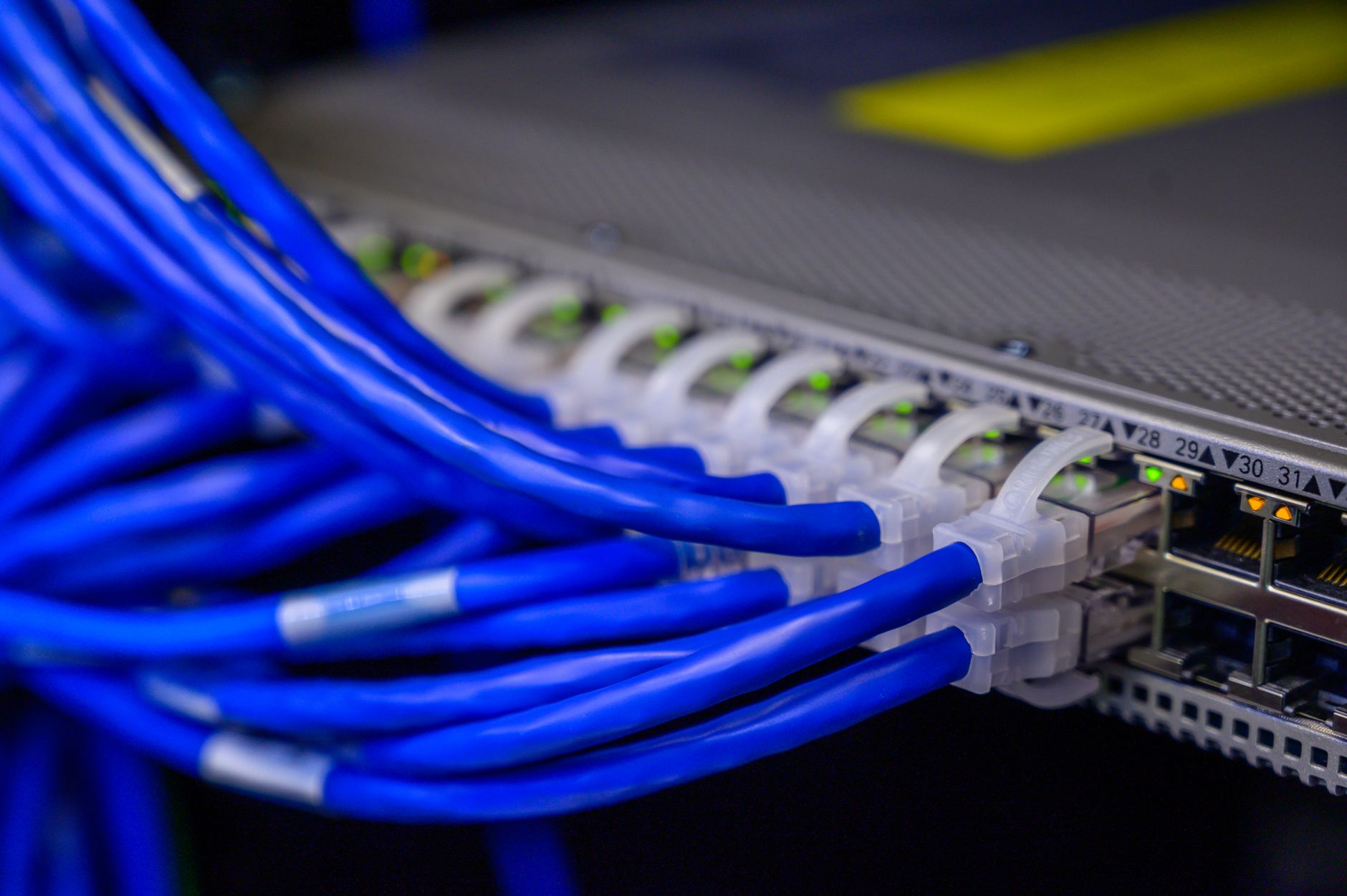
The common misconception says the cloud lives “somewhere in the sky.” That idea misses the real setup. Cloud systems use physical servers, switches, routers, storage arrays, and software stacks in buildings owned by providers like Amazon Web Services, Microsoft Azure, and Google Cloud. Your 1 device connects through the internet or a private network, and the provider handles the remote side.
That model is different from old-school local computing, where one computer stores the files and runs the program on its own. Cloud computing spreads the work across many machines, so one service can serve 10 users or 10 million users without changing the basic access pattern. That is why people in an Introduction to Networking class keep running into cloud examples.
The catch: The cloud is not one giant computer. It is a networked system of remote resources, and that matters because every click depends on connectivity, latency, and how the provider routes traffic.
A cleaner definition helps in real life: cloud computing gives you on-demand access to shared computing resources through network links, usually with metered use, service tiers, and remote management. That definition covers public cloud, private cloud, and hybrid setups, which means a company can keep 2 databases private while pushing a web app into the public cloud. I like that split because it matches how modern systems actually work, not how marketing slides describe them.
The networking part also explains why the cloud feels fast one day and sluggish the next. Distance, bandwidth, and server load all shape the experience, so the “cloud” acts more like a service layer than a place. Once you see that, the whole topic gets much less magical and much more concrete.
Which Cloud Service Models Should You Know?
Three cloud service models do most of the work in a 2026 networking class: IaaS, PaaS, and SaaS. Each one divides responsibility differently, so the model you choose changes who manages the hardware, the operating system, and the app itself.
- IaaS, or Infrastructure as a Service, gives you virtual servers, storage, and networking. You manage the operating system and apps, while the provider handles the physical data center.
- PaaS, or Platform as a Service, gives you a ready-made environment for building or running apps. You focus on code, and the provider handles the OS, runtime, and server setup.
- SaaS, or Software as a Service, gives you the full app over the web. You sign in through a browser, and the provider manages almost everything behind the scenes.
- IaaS fits teams that want control without buying racks of hardware. A startup can launch 5 virtual machines today and scale to 50 tomorrow.
- PaaS helps developers who want to ship fast. Services like Heroku and Google App Engine cut setup time because you skip a lot of server work.
- SaaS works best for everyday tools like Gmail, Slack, and Microsoft 365. You use the app, not the server stack.
- Worth knowing: The model matters because it changes the split between convenience and control, and that split can decide whether a setup feels simple or annoying.
For study, business, or app use, this choice shapes cost, speed, and maintenance. A student team building a class project may want PaaS, while a company with strict settings may prefer IaaS. I think this is the part people skip too fast, and that mistake causes headaches later.
How Do Cloud Resources Get Accessed?
Cloud resources get accessed through browsers, apps, APIs, and remote login tools that send requests across a network to a data center. A user signs in on a phone or laptop, the request travels over Wi-Fi, Ethernet, or cellular data, and the cloud service sends back the result in seconds or milliseconds.
That process depends on network quality. Bandwidth decides how much data can move at once, latency decides how long each trip takes, and packet loss can break a session even when the app looks fine. A 50 Mbps home connection can feel smooth for a document editor, but a 5 Mbps connection can drag hard during a video-heavy class or file sync.
APIs matter too. Many cloud services do not just serve humans through a browser; they also serve software that calls specific endpoints over HTTP or HTTPS. That is why a weather app on your phone, a payroll tool in a company, and a learning platform can all pull from the same general cloud model while using different front ends.
Remote login tools like SSH and VPNs add another layer. They let users reach systems that live in another building, city, or country without sitting in front of the hardware. That setup shows up all the time in an Introduction to Networking course because it ties together addressing, routing, authentication, and client-server traffic.
Cloud access also feels different from local access because the provider can shift load across many servers. If one machine gets busy, another can take over, but the user still only sees one service. I think that hidden hand is the most interesting part of cloud networking, and it is also the part most people never notice.
Reality check: Slow cloud performance does not always mean “bad cloud.” Sometimes the real problem sits on the user side: weak Wi-Fi, a congested router, or a 120 ms delay to a faraway region.
Learn Introduction To Networking Online for College Credit
This is one topic inside the full Introduction To Networking course on UPI Study — a self-paced, online class that earns real college credit. Credits are ACE and NCCRS evaluated and transfer to partner colleges across the US and Canada. Courses start at $250 with no deadlines and lifetime access.
Explore on UPI Study →Why Do Cloud Computing Benefits Matter Most?
Cloud adoption keeps growing because it lets people start small and scale fast, and that matters in a world where a team might go from 3 users to 300 in a month. A company does not need to buy every server up front, and a student project does not need a rack in a basement to stay online. That shift cuts waste, speeds up deployment, and makes remote access normal instead of special. In a networking class, this is the point where cloud stops sounding abstract and starts looking like a practical delivery model.
- Scalability on demand: add more CPU, storage, or users in minutes instead of waiting weeks.
- Flexibility: work from a dorm, office, or coffee shop with the same account.
- Lower upfront cost: skip big hardware purchases and pay for use instead.
- Faster deployment: launch a service today without waiting for new equipment deliveries.
- Easier maintenance: the provider handles updates, patches, and hardware swaps.
Bottom line: Cloud benefits matter because they reduce friction, and friction kills speed more often than bad code does.
The money angle gets people’s attention fast. Instead of buying 12 servers before launch, a team can rent the capacity they need and grow as traffic grows. That model helps students, small businesses, and large organizations alike, especially when they study online or share files across time zones.
I also like the collaboration angle. Two people in different cities can edit the same document, test the same app, or review the same dashboard without sending files back and forth. That sounds simple, but simple tools often win.
What Are Cloud Computing Drawbacks?
Cloud computing brings real tradeoffs, and the biggest one starts with internet dependence. If the connection drops for 10 minutes, your access can stall, your app can freeze, and your work can stop even when the remote servers still run fine.
Security and privacy concerns sit right behind that. Cloud providers invest huge money in defenses, but users still face account theft, misconfigured storage, and data exposure when they share access carelessly. A 2024 breach headline can shake trust fast, and that fear makes sense because cloud systems often hold sensitive files, logs, and credentials in one shared environment.
Outages also happen. Even major names like AWS, Microsoft Azure, and Google Cloud have had service disruptions that hit login systems, storage, or app hosting. One outage can affect thousands of users at once because so many services sit on the same backbone.
Vendor lock-in creates another headache. Once a team builds around one provider’s tools, moving to another platform can take weeks or months, especially if the setup uses special databases, APIs, or billing tools. That is not a small annoyance. It can shape hiring, budgeting, and long-term planning.
Reduced control matters too. You do not get to walk into the server room and change hardware settings yourself, and you cannot always pick the exact machine or region you want. For some users, that trade feels fine. For others, especially teams with strict compliance rules, it feels limiting. I think people underplay that part, then they get surprised when the provider’s rules beat their preferences.
Worth knowing: These drawbacks do not make cloud computing bad. They mean you need good network planning, clear access rules, and a backup plan for the day the internet acts up.
Should You Learn Cloud Computing Basics?
Yes, because cloud basics show up in college courses, job interviews, and everyday tech use. If you are thinking about an online course or transferable credit, you should know the core terms before you study for an exam or try to explain the topic in your own words.
- Know the 3 service models: IaaS, PaaS, and SaaS. If you mix them up, the rest of the topic gets messy fast.
- Know the network idea: cloud resources travel over the internet or a private network, not from your local hard drive.
- Know the 3 big benefits: scalability, flexibility, and lower upfront cost.
- Know the 3 big drawbacks: internet dependence, security concerns, and less direct control.
- Know that cloud servers sit in real data centers, often run by Amazon Web Services, Microsoft Azure, or Google Cloud.
- Avoid the myth that the cloud is a physical place. That mistake shows up on quizzes, and it wastes time.
- What this means: If you can define cloud computing in 1 clean sentence, you are already ahead of most beginners.
For college credit or study online plans, this topic works well because it connects theory to real systems you already use. A clear grasp of networking terms also helps when you aim to ace NCCRS credit or explain tech choices in plain English.
Frequently Asked Questions about Cloud Computing
Most students are surprised that cloud computing is just renting computing power over a network instead of owning servers in your room. You use remote servers for storage, apps, and processing through the internet, and providers split services into 3 main models: IaaS, PaaS, and SaaS.
The most common wrong assumption is that cloud storage means your files live on your own device and only sync later. In reality, cloud resources sit on remote data centers, and you reach them through a network connection from a laptop, phone, or browser.
Start by learning that cloud computing sits on top of networking, because every cloud request travels across a network before it reaches a remote server. In an introduction to networking course, you usually see how IP addresses, bandwidth, and latency shape that access.
If you get cloud computing wrong, you may mix up local machines, servers, and network services, and that can hurt test scores and lab work. In an introduction to networking course or online course, that mistake can also break your understanding of routing, storage, and remote access.
Cloud services can start near $0 for some free tiers and scale up based on use, while a small on-premises server can cost hundreds or thousands of dollars upfront. That price gap is why the model matters so much for college credit labs and business training.
Cloud computing helps people who need remote access, quick scaling, or shared tools across 2 or more devices, like students, teams, and small businesses. It matters less for someone who only uses one offline machine and never needs to sync data or run web apps.
Cloud computing gives you scalability, flexibility, and lower upfront costs, because you can add storage or compute power in minutes instead of buying new hardware. It also helps you study online or use ace nccrs credit platforms from different places, since access runs through the internet.
Most students memorize terms like IaaS, PaaS, and SaaS, but what actually works is tying each model to a real use case and a network path. That helps you answer questions about are cloud computing definitions benefits and drawbacks with less guesswork.
Cloud computing supports transferable credit because many online course systems run on cloud platforms that store files, quizzes, and grades in remote servers. That setup helps students study online across 24/7 access windows and fits programs that offer transferable credit.
Cloud computing means you use remote servers over a network for storage, software, and processing instead of keeping everything on one local computer. The big benefits are scalability and cost savings, while the big drawbacks are internet dependence, security risk, and less direct control.
Internet outages hurt cloud computing because your apps and files sit on remote servers, so no network often means no access at all. Even a fast cloud service becomes useless during a long outage, which is why backup plans matter.
Cloud security concerns include data breaches, weak passwords, and misconfigured access rules, and those risks can affect millions of records at once. You still get strong tools like encryption and multi-factor login, but you share part of the responsibility with the provider.
You lose direct control over hardware, updates, and some settings because the provider owns the servers and data center. That tradeoff matters most in regulated work, custom software setups, and cases where you want full admin access to every layer.
Final Thoughts on Cloud Computing
Cloud computing sounds broad until you break it into three parts: what it is, how it gets delivered, and what it costs you in tradeoffs. The definition sits in networking, not in mystique. Remote servers, shared storage, and network access make the cloud work, and the service models tell you who handles what. The benefits make sense fast once you think about scale. A team can add resources without buying hardware first, users can work from different places, and software can launch faster than it could in an all-local setup. That is a big deal for students, businesses, and regular users who just want tools that work on more than one device. Still, the drawbacks deserve respect. Internet problems, outages, security mistakes, and reduced control can all hurt a project if you ignore them. That does not make cloud computing a bad choice. It means you should treat it like any other networked system: useful, powerful, and tied to real limits. If you keep those limits in view, cloud computing stops feeling like buzz and starts looking like a practical part of modern networking. Learn the terms, notice the service model, and watch how the connection shapes the experience.
How UPI Study credits actually work
Ready to Earn College Credit?
ACE & NCCRS approved · Self-paced · Transfer to colleges · $250/course or $99/month