
Employee training in healthcare usually starts with orientation, then branches into compliance, clinical skills, safety, technology, and leadership training. A small outpatient clinic and a 900-bed hospital do not need the same mix, because their risks, staff roles, and patient loads differ. That is why the answer to what are types of employee training programs in healthcare starts with the work itself, not a generic course list. A front-desk team needs privacy and scheduling training. A nurse needs medication, infection control, and handoff practice. A unit manager needs staffing, coaching, and incident review skills. One organization may run 2-hour onboarding modules, while another may require 8 hours of annual safety refreshers and monthly EHR drills. The point is not to flood people with classes. The point is to match training to the job, the rules, and the care setting. Managers also have to think about turnover, new tech, and changing patient needs. A neonatal unit, an urgent care center, and a long-term care facility will not build the same training calendar. Some programs must happen before independent work. Others repeat every 12 months. If leaders guess wrong, they waste time and leave gaps that show up in audits, incidents, or patient complaints. Good training is not just a box to check. It is part of how a healthcare organization and management team keeps care safe and steady.
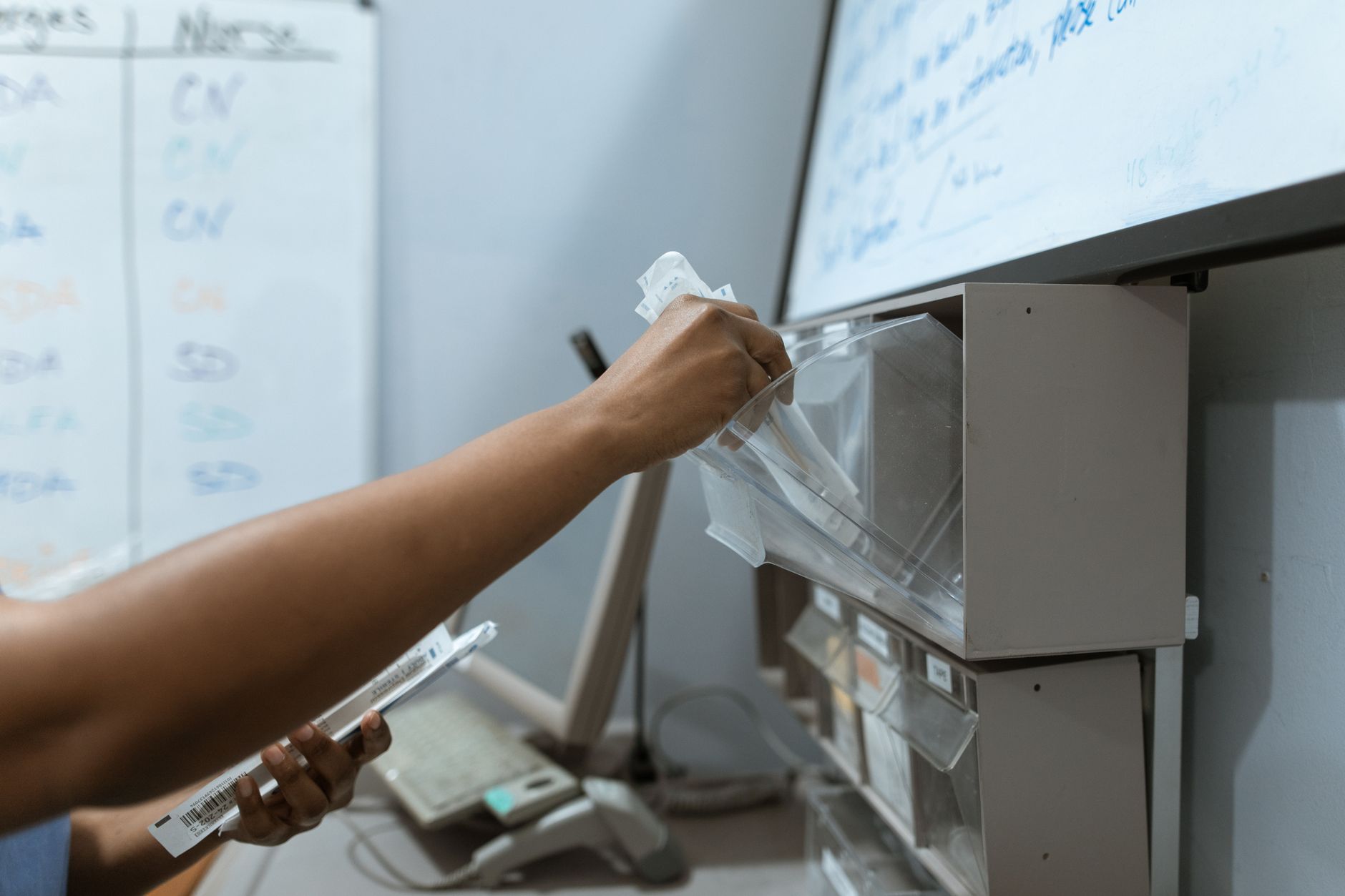
What Types Of Healthcare Training Programs Exist?
Healthcare organizations usually run 6 main training types: orientation, compliance, clinical skills, patient safety, technology, and leadership development. A 25-bed rural hospital and a 700-bed academic medical center both use these categories, but they mix them differently because their staff sizes, service lines, and risk levels do not match.
Orientation and onboarding cover the basics: workplace rules, unit routines, charting systems, escalation paths, and who does what on day 1. Compliance training covers HIPAA, OSHA, infection control, and reporting rules that can trigger fines or internal discipline if staff miss them. Clinical skills training focuses on hands-on tasks such as medication checks, wound care, specimen handling, and triage steps. Patient safety training deals with falls, alarms, hand hygiene, and error prevention. Technology training covers EHR use, telehealth tools, and secure messaging. Leadership development builds skills for charge nurses, supervisors, and new managers who need to coach people, review incidents, and run a team.
The catch: A program that looks complete on paper can still miss the real gaps. A home health agency with 40 workers needs different modules than a trauma center with 24-hour coverage, because one sees more travel risk and the other sees more rapid-response events.
The smartest organizations do not treat training as one giant class. They build it in layers. Some modules last 15 minutes, some take 2 hours, and some repeat every quarter. That mix changes with workforce makeup too. If a unit uses more aides, more travelers, or more new grads, the training plan changes fast.
That is why healthcare organization and management teams should treat training like a schedule, not a slogan. A good plan matches the care setting, the job title, and the likely mistakes.
Most of the trouble starts when leaders copy another hospital’s training calendar without checking their own risks. That looks tidy for a month. Then the first audit or incident report shows the holes.
Which Healthcare Roles Need Which Training?
Different roles need different training because a 12-hour shift on a med-surg floor does not look like a 15-minute front desk intake. Managers map tasks, risks, and legal duties before they assign required and optional learning.
- Nurses usually need clinical refreshers, medication safety, infection control, and shift-handoff training. High-risk units often add ACLS, telemetry, or wound-care modules.
- Physicians need documentation rules, prescribing safety, peer-review basics, and EHR shortcuts. A residency program may add simulation training several times each year.
- Allied health staff, such as lab, radiology, and rehab teams, need role-specific competency checks tied to equipment, specimen handling, and patient movement.
- Support staff need privacy, customer service, workplace violence prevention, and emergency response training. Front-desk work often needs HIPAA practice within the first 30 days.
- Supervisors and managers need coaching, scheduling, incident review, and performance feedback skills. They also need training on labor rules and staffing ratios.
- Reality check: One size rarely fits anyone. A scrub tech, a social worker, and a floor nurse may share 2 or 3 core modules, but each role also needs separate competency proof.
- Role-specific training matters most where errors can spread fast: medication passes, sterile procedures, discharge instructions, and EHR documentation.
How Do Healthcare Organizations Tailor Training?
Managers tailor training by starting with a needs assessment, not a guess. They look at incident reports, patient complaints, infection rates, turnover, and audit findings from the last 12 months, then compare those results with job descriptions and staffing changes. A unit with repeated falls may need more mobility and alarm training. A clinic with new bilingual patient volume may need communication modules and translated scripts.
What this means: Training gets sharper when leaders connect it to a real risk. If a department logs 8 medication errors in 6 months, a generic seminar will not help as much as a unit-specific drill on double checks, barcode scanning, and handoffs.
Many hospitals also use competency checks before and after training. They may watch a skill, score a checklist, or require a 90% pass mark on a quiz. That gives managers proof that people can do the work, not just sit through slides. Department heads often add annual refreshers, quarterly huddles, and short module updates after policy changes or new equipment rollouts.
This is where types of employee training programs in healthcare tailoring learning to organizational needs becomes more than a phrase. A pediatric ward needs child-safety training. A dialysis center needs machine setup and infection-control steps. A behavioral health unit needs de-escalation practice and crisis response drills. One hospital may send every new hire through the same 4-hour core orientation, then split the rest by unit, role, and risk.
The best managers also ask staff what feels missing. That feedback matters because frontline workers spot weak spots faster than a spreadsheet does. A training plan that ignores that voice often looks polished but misses the work.
A healthcare organization and management course can help future leaders understand how to build that mix, but the real test comes on the floor, during a busy shift, when the checklist meets the patient.
Learn Healthcare Organization Management Online for College Credit
This is one topic inside the full Healthcare Organization Management course on UPI Study — a self-paced online class for college credit. Credit recommended by NCCRS; your college decides how credits transfer. Courses start at $250 with no deadlines and lifetime access.
Explore on UPI Study →What Compliance Rules Shape Healthcare Training?
Compliance training in healthcare exists because the rules touch privacy, safety, and patient harm. HIPAA, OSHA, infection control, emergency prep, and documentation standards all shape what staff learn and when they must learn it. Many organizations require completion before independent work, then repeat core topics every 12 months. Some also set onboarding deadlines in the first 30 to 90 days, especially for privacy and safety basics. Miss that window, and the organization risks audits, fines, or preventable harm.
- HIPAA training usually starts during onboarding and repeats at least once a year.
- OSHA modules cover bloodborne pathogens, sharps, PPE, and hazard reporting.
- Infection control often includes hand hygiene, isolation steps, and cleaning standards.
- Emergency drills may run 2 to 4 times a year, depending on the facility.
- Documentation training checks time stamps, signatures, and chart accuracy before solo practice.
Bottom line: Compliance training only works when leaders treat it like practice, not paperwork. A 20-minute video can cover the rule, but staff still need drills, sign-offs, and manager review.
The exact policy can change by state, payer, and employer, so managers should write down their own deadlines and proof requirements. A new nurse may need a signed competency packet before a first independent medication pass. A registrar may need privacy training before touching patient data. A sterile-processing worker may need direct observation before handling instruments alone.
That is the part people skip when they say compliance training is boring. It can feel dull. It can also stop a lawsuit, a citation, or a charting mistake that follows a patient for months.
If a hospital pairs compliance work with Healthcare Organization and Management study, managers often get a clearer picture of how policy turns into daily practice.
How Do Technology And Leadership Trainings Support Care?
Technology training helps staff use EHRs, telehealth platforms, barcode scanners, and secure messaging without slowing care down. A 2024 hospital survey could find that one bad click in an EHR leads to duplicated orders, missed alerts, or charting delays, and that is why many systems run hands-on practice before go-live and again after updates.
Leadership training matters just as much because 24/7 care needs people who can coach, assign, debrief, and calm a tense room. New supervisors need conflict management, staffing judgment, and feedback skills. Charge nurses need quick decision habits. Department heads need change management so they can roll out new software, policy changes, or staffing models without confusing the whole team.
Worth knowing: Strong leadership training often cuts turnover pressure, but it does not fix a broken schedule by itself. A manager who learns to coach well still needs enough staff, clear rules, and a fair workflow.
These programs support care in very direct ways. Better EHR training shortens documentation time, reduces missing fields, and helps teams see lab results faster. Better telehealth training improves patient setup, consent steps, and troubleshooting for video visits. Better leadership training helps retention because staff usually stay longer when supervisors communicate clearly and handle problems early.
A Human Resources Management course can help future healthcare leaders understand staffing, hiring, and employee relations, while Project Management study can help them roll out new systems on a timeline instead of in chaos.
The weak spot is obvious: if leaders train on software once and never revisit it, people forget the shortcuts and workarounds creep back in. Hospitals that update training after each major system change usually avoid that drift.
What Makes A Healthcare Training Program Effective?
An effective healthcare training program shows proof, not just attendance. Managers should look at competency scores, audit results, patient-safety events, completion rates, and staff feedback over a 6- or 12-month period. If 95% of staff finish a course but medication errors stay flat, the program may look busy without changing care.
The best programs use a few hard checks. They test skills before and after training. They track fall rates, infection counts, documentation errors, and readmission trends when the training targets those problems. They also ask whether staff can explain the process back in plain language. That matters because a person who can click through a module may still miss the real task.
One honest test: does the training fix a problem the organization actually has? A unit with no telehealth work does not need a big virtual-care module. A cancer center with frequent central-line care does need infection and line-maintenance training. That mismatch happens more often than leaders admit.
A good program also earns trust from staff. If people see that training helps them work faster, make fewer mistakes, and avoid repeat corrections, they buy in. If every session feels like a checkbox, participation drops. Managers should watch that reaction as closely as they watch the quiz scores.
A healthcare organization and management course can teach the logic behind these choices, but the real measure stays practical: safer care, fewer errors, and fewer gaps between policy and practice. That is the standard that matters on a Tuesday night shift.
Frequently Asked Questions about Healthcare Training
Most people think one long orientation covers everything, but the best healthcare training mixes 5 to 7 parts: orientation, compliance, clinical skills, safety, technology, and leadership. You get better results when each role gets training tied to patient care, legal rules, and daily work.
This applies to nurses, aides, doctors, billing staff, and managers; it doesn't fit as one-size-fits-all for every job. A front-desk worker may need privacy and tech training, while a surgical team needs hands-on clinical drills and safety refreshers.
Orientation training gives new hires the basics in their first days or weeks, including policies, unit rules, and where to find help. Some hospitals use 1 to 2 weeks of orientation, but new-grad nurses or specialty units may need longer.
A basic compliance module may take 30 to 60 minutes, while full annual training can run several hours across HIPAA, infection control, and workplace conduct. The exact time depends on state rules, federal standards, and the job role.
If you miss clinical skills training, you can make care errors, fail competency checks, or put patients at risk during tasks like injections, wound care, or med passes. Managers often require return demos, written tests, or supervised practice before you work alone.
The common wrong assumption is that every employee needs the same training hours and topics. A lab tech, a home health aide, and a unit manager need different content, because healthcare organization and management course goals change by role and setting.
Start with a needs check: look at job duties, incident reports, audit results, and state or federal rules before you pick training. Then match topics to gaps, like fall prevention on a rehab floor or EHR use in a clinic.
Most students expect tech training to cover only computers, but healthcare training also covers EHR charting, secure messaging, barcode scanning, and telehealth tools. A small error in one screen can affect medication orders, billing, or patient records.
Leadership training helps managers handle staffing, conflict, coaching, and quality checks, which affects patient flow and staff turnover. Many programs teach feedback, scheduling, and service recovery over 4 to 8 weeks, often with case studies from hospitals or long-term care.
Yes, you can study online for some healthcare training and sometimes earn college credit if the school accepts it. Check whether the course carries an NCCRS credit recommendation or transferable credit before you enroll, because the college still makes the final call.
Managers use training to cut errors, improve patient satisfaction, and meet staffing rules by linking lessons to real outcomes like fall rates or infection rates. They often track completion at 90% or 100% and then update training after audits or new regulations.
Check the course topics, the school’s credit policy, and whether it fits your role before you sign up. A solid healthcare organization and management online course should cover staffing, quality, compliance, and patient-care goals, and you should ask if it offers transferable credit.
Final Thoughts on Healthcare Training
Healthcare training works best when it matches the job, the risk, and the rules. A hospital that trains everyone the same way usually wastes time and still misses gaps. A better plan starts with orientation, then adds compliance, clinical skills, safety, technology, and leadership in the right mix for each role. The real test is not whether a program looks complete in a binder. It is whether staff can do the work safely on a busy day, remember the steps after 12 months, and respond correctly when something goes wrong. That is why managers should watch error reports, audit scores, competency checks, and staff feedback all at once. One metric alone lies. Different settings need different answers. A small clinic may need short modules and tight onboarding. A hospital system may need unit-specific drills, annual recertification, and deeper leadership training for supervisors. Neither setup wins by default. The best one fits the patient mix and the work. If you are building or choosing training, start with the question: what problem does this program solve? Then check whether the training actually changes behavior, not just completion rates. That habit keeps learning tied to care, where it belongs.
What changes when your team grows on the clock
Ready to Earn College Credit?
Credit recommended by NCCRS · Self-paced · Your college decides how credits transfer · $250/course or $99/month (US)