
Cells connect to each other through junctions and the extracellular matrix, and those links let tissues stay organized, resist stress, and send signals. A skin sheet, a heart muscle, and a lining in the gut all depend on cells that stick, seal, and talk to one another. Think of a multicellular body as a city, but not a loose one. Cells use tight junctions to close gaps, desmosomes to resist pulling, gap junctions to share small signals, and matrix contacts to anchor themselves outside the cell membrane. That mix matters because a tissue has to do more than exist; it has to hold shape under force, move molecules in the right direction, and respond fast when conditions change. This is why the question of do cells connect to each other sits at the center of intro biology. The answer is not just yes. Cells use several kinds of connections between cells, and each one solves a different problem. Some junctions seal, some fasten, and some let ions and small molecules pass in seconds. The extracellular matrix adds another layer, with collagen, fibronectin, and proteoglycans giving cells a surface to grip and read. That sounds small, but it changes everything. A tissue with weak connections leaks. A tissue with bad signaling misfires. A tissue with the right links can heal, contract, and grow as a unit instead of a random pile of cells.
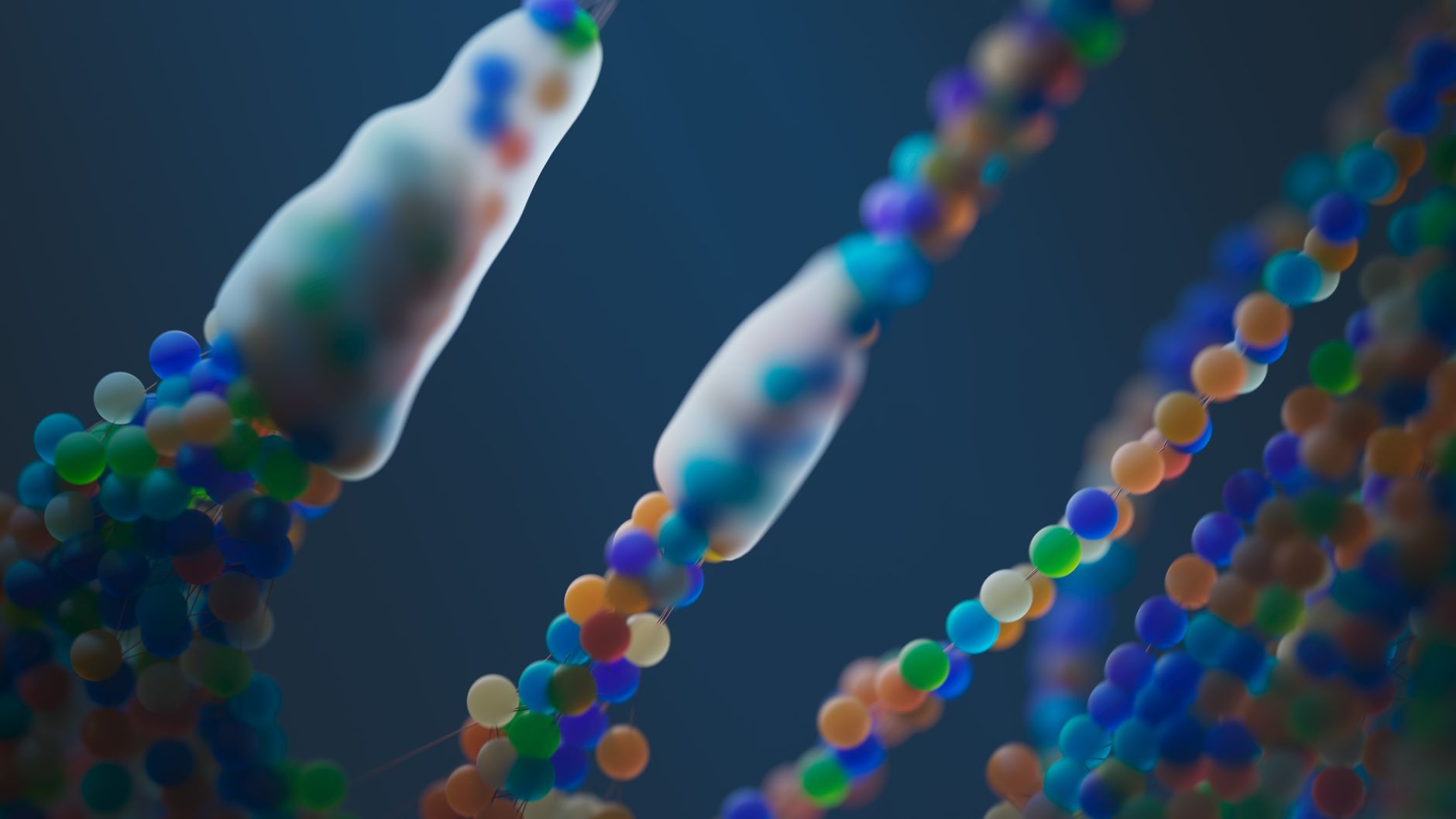
How Do Cells Connect To Each Other?
Cells do not work as solo units; they connect through membrane junctions and the extracellular matrix, and that setup lets a tissue act like a coordinated group instead of 10,000 loose parts. In a simple epithelial sheet, one cell seals to the next at the top edge, another cell clamps beside it, and both attach to a matrix below that spreads force across the whole layer.
The catch: This is not just glue. A junction can carry tension, block leaks, or pass signals in less than 1 second, and that difference shapes how an organ behaves under stress. Desmosomes help skin take rubbing every day, while gap junctions help heart cells fire in sync at about 60-100 beats per minute.
The extracellular matrix adds another layer of order. Collagen fibers give strength, fibronectin helps cells attach, and proteoglycans hold water and space so tissues do not collapse. In human body tissue, those parts work together from the embryo stage onward, and they keep changing during growth, repair, and aging.
A tissue without these links would act flimsy and scattered. That is the real reason cell connections matter: they let cells sense neighbors, keep their positions, and respond as one unit when pressure, injury, or chemical changes arrive.
Which Cell Junctions Hold Tissues Together?
Five main junction types do most of the work in animals, and each one has a different job. Some seal, some stick, and some pass messages through tiny channels only a few nanometers wide.
- Tight junctions seal cells together near the apical surface, especially in intestines and blood vessels. They block leaks and help keep one side of a tissue different from the other.
- Adherens junctions use cadherins to link neighboring cells and connect to the actin cytoskeleton. They help tissues keep shape when cells pull on each other during growth or movement.
- Desmosomes act like spot welds in skin and heart muscle. They resist strong pulling, which matters in tissues that stretch thousands of times a day.
- Gap junctions make direct channels between animal cells so ions and small molecules can move across quickly. Heart muscle and some embryos depend on this fast communication.
- Anchoring junctions hold cells to the extracellular matrix, often through integrins. They secure epithelial cells to the basement membrane, which is a thin support layer under many tissues.
- Reality check: No single junction does everything. A gut lining may use tight junctions to seal, adherens junctions to organize, and gap junctions to coordinate, all in the same 1-cell-thick layer.
Learn Biology 1 Online for College Credit
This is one topic inside the full Biology 1 course on UPI Study — a self-paced online class for college credit. Credit recommended by ACE and NCCRS; your college decides how credits transfer. Courses start at $250 with no deadlines and lifetime access.
Browse Biology 1 Course →Why Does The Extracellular Matrix Matter?
The extracellular matrix, or ECM, supports cells from the outside, and it does much more than fill empty space. Collagen gives tensile strength, proteoglycans hold water and create a gel-like cushion, and fibronectin helps cells attach and move during growth or repair. In many tissues, the ECM sits under the cells as a basement membrane, and that thin layer can be only a few hundred nanometers thick.
Cells link to the ECM through integrins, which span the cell membrane and connect outside proteins to the inside cytoskeleton. That bridge matters because a cell can pull on the matrix, read its stiffness, and change what it does. A stiff matrix can push one set of genes on, while a soft one can push another set off, and that difference helps explain why the same cell behaves differently in skin, muscle, or bone.
What this means: The matrix does not just hold cells in place; it gives them directions. During wound repair, for instance, cells crawl along fibronectin-rich paths, then rebuild collagen and proteoglycan networks over days to weeks. That movement would look chaotic without the ECM, and I think that part surprises a lot of students because the outside scaffolding turns out to be just as active as the cell membrane itself.
If you are taking Introduction to Biology I, this is one of those ideas that keeps showing up in later chapters. Cells need a place to attach, and the ECM gives them that place while also shaping migration, survival, and tissue repair.
How Do Cell Connections Send Signals?
Cell connections send signals because cells do not just cling to each other; they read force, chemical cues, and neighbor contact, then change gene expression and behavior. A junction can trigger pathways inside the cell in minutes, and that can affect growth, polarity, or differentiation over hours or days.
A simple classroom example helps. In an Intro to Biology I course, a student looking at heart muscle can see why gap junctions matter: when one cell changes its electrical state, the next cell follows, and the tissue contracts as a unit instead of twitching cell by cell. Epithelial tissue shows a similar idea from another angle. Cells at the top and bottom must keep a clear orientation, and junctions plus matrix contacts help them know which side faces the lumen and which side faces the basement membrane.
Bottom line: Mechanical pull can act like a signal, too. When integrins tug on the ECM or when cadherins feel tension from neighbors, the cell can switch on repair genes or growth programs within the 24-48 hour window after injury. That is a blunt fact, but it matters: tissue communication is physical, not just chemical.
If you want a second pass on these ideas, Introduction to Biology I gives the vocabulary, while Introduction to Biology II usually pushes into signaling and tissue detail. The hard part is not memorizing names; it is seeing how structure and message ride together.
What Happens When Cell Connections Fail?
Broken junctions or weak matrix attachment can make tissues leak, lose strength, and stop communicating well. A defect in one adhesion protein can show up fast because tissues rely on hundreds of thousands of linked cells, not on isolated survivors. The result can be a blister, a poor wound seal, or a signal that never reaches the next cell. In some diseases, cells also detach too easily and move where they should not, which is one reason cancer can spread through tissues and blood vessels.
- Blistering skin can happen when cells separate under friction or heat.
- Poor wound healing can leave a cut open for days or weeks.
- Cancer cells can invade when adhesion drops and movement rises.
- Heart muscle problems can appear when gap junction signaling slips.
- Some inherited disorders affect desmosomes or basement membrane proteins.
Frequently Asked Questions about Cell Connections
What surprises most students is that cells don't just touch and hope for the best; they use junctions and the extracellular matrix to hold tissues together and pass signals. Tight junctions seal gaps, desmosomes act like rivets, and gap junctions let ions and small molecules move between cells.
Three main cell links do most of the work: tight junctions, desmosomes, and gap junctions. Tight junctions stop leaks, desmosomes resist pulling, and gap junctions let cells share small signals, which helps organs like the heart beat in sync.
Cells connect to the extracellular matrix through proteins called integrins. That link helps cells stick, move, and sense what's around them, but the matrix isn't just glue; it also sends signals that affect growth and repair.
The most common wrong idea is that cells only connect for support. They also use those links to talk, time their actions, and keep tissues organized, like nerve cells, muscle cells, and skin cells doing different jobs at once.
Start by learning the three junction types in intro to biology i: tight junctions, desmosomes, and gap junctions. Then add the extracellular matrix and integrins, because that gives you the full picture of how cells stay attached and communicate in tissues.
Most students just memorize the names, but the part that works is sketching each junction and matching it to a job. A simple diagram of 3 junctions and 1 matrix can beat a page of notes, especially in an intro to biology i course.
This topic helps you if you're taking a biology class for college credit, health care prep, or general science, and it doesn't need the same depth as a cell biology major course. If you study online, you still need to know the 3 junction types and the extracellular matrix.
If you mix up cell junctions, you'll likely miss questions on tissue structure, signaling, and organ function, which can cost points fast. A test might ask which junction seals an epithelium or which one lets heart cells share ions.
Some online course options in biology carry ACE NCCRS credit recommendations, and colleges make the final call on transfer. Check the school's policy before you enroll, because one college may accept a 3-credit course and another may not.
Cell connections let 10 trillion or so human cells act like one body instead of 10 trillion separate parts. They keep tissues strong, let signals move fast, and help cells change behavior during growth, healing, and movement.
Final Thoughts on Cell Connections
Cells connect to each other through more than one route, and that is the whole point. Tight junctions seal, adherens junctions organize, desmosomes brace, gap junctions communicate, and the extracellular matrix gives cells an outside frame to hold and read. A multicellular body only works because those parts cooperate. That idea shows up everywhere in biology. Skin has to resist rubbing. Gut lining has to block leaks but still move nutrients. Heart muscle has to beat in a 1-to-1 rhythm across cell borders. Even development depends on cells sensing where they sit and what their neighbors do. The tricky part is that these connections can feel abstract until you tie them to a tissue you know. Then they start making sense fast. A gap junction stops being a buzzword when you picture a heartbeat. An integrin stops being a label when you picture a cell gripping collagen during wound repair. That is why intro biology keeps circling back to cell connection after cell connection. If you want to study this topic well, trace each structure to its job and then ask what breaks if that structure fails. That habit beats memorizing isolated terms, and it will help you in the next chapter too.
How UPI Study credits actually work
Ready to Earn College Credit?
Credit recommended by ACE and NCCRS · Self-paced · Your college decides how credits transfer · $250/course or $99/month (US)