
Yes, UoPeople has real instructors. They are not fake, and they do not hide behind a bot. But the school does not run like a campus where a professor lectures 3 times a week and students raise hands in a room. Its model leans on volunteer faculty, course instructors, and student discussion, so the teaching style feels lighter and more self-directed than at a traditional college. That difference matters most if you want steady live teaching. A nursing applicant, a business student, and a working adult all face the same basic setup: reading, posting, writing, and responding with less direct hand-holding than at many brick-and-mortar schools. You should picture a guided online system, not a classroom with a professor talking for 50 minutes every Monday, Wednesday, and Friday. The real question is not whether instructors exist. It is what they do, how much they do, and whether that mix fits the way you learn. Some students like the freedom. Others feel the silence. Both reactions make sense. If you care about uopeople professors, who teaches uopeople, and uopeople teaching quality, the honest answer sits in the middle. UoPeople uses credentialed adults to guide coursework, but it asks students to carry much more of the load than a standard lecture-based college does.
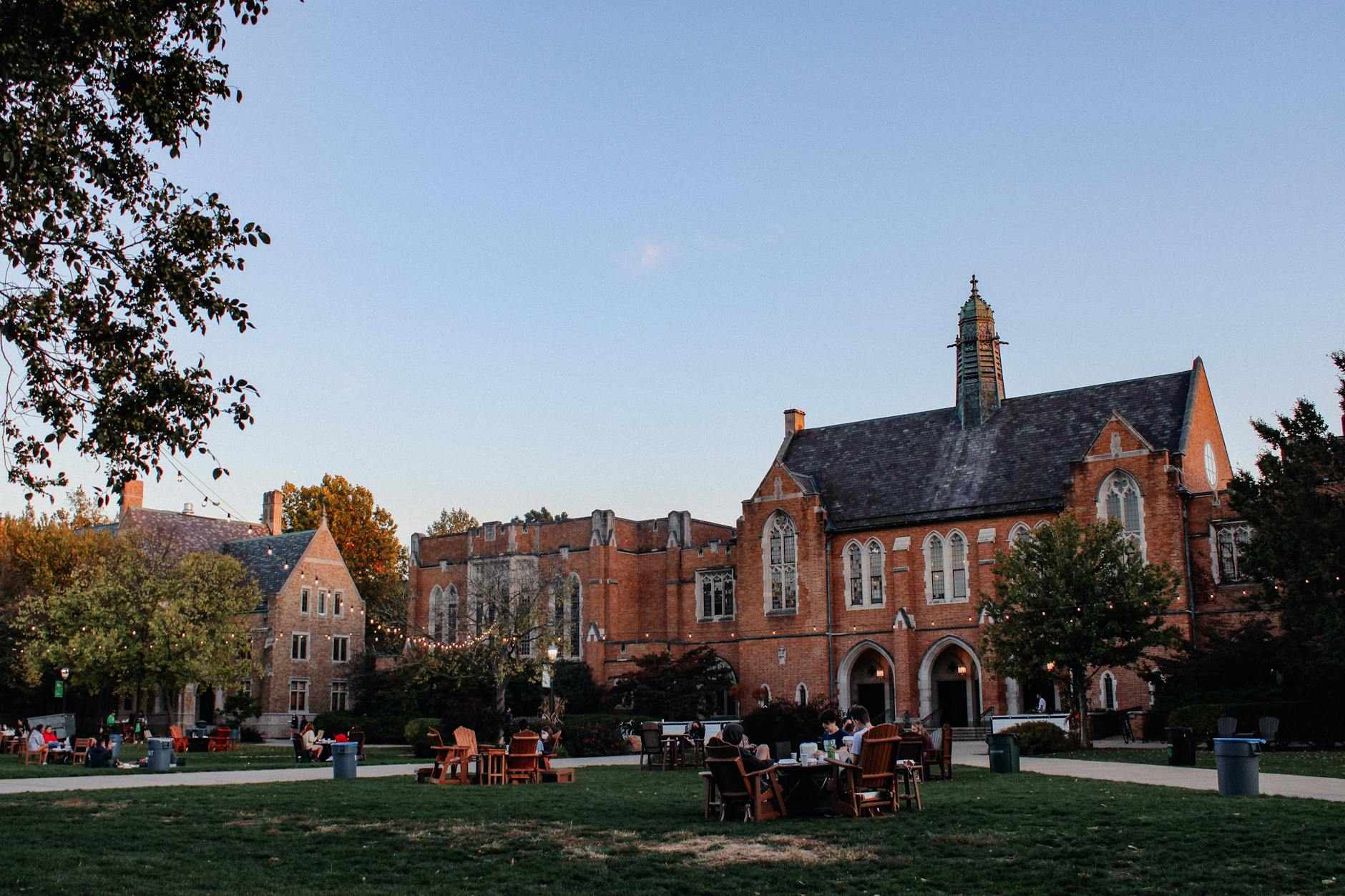
Does UoPeople Have Real Professors?
Yes, UoPeople has real instructors, but the school does not use the classic model of a full-time professor lecturing 15 to 20 hours a week in a campus classroom. Its faculty mix includes volunteer instructors, course instructors, and academic staff who guide online classes, grade work, and keep discussion moving.
That matters because the phrase uopeople professors can mislead people. If you picture a tenured professor with office walls, chalk, and live seminars, UoPeople does not work that way. If you picture a qualified academic or professional who reads your work, leaves feedback, and helps keep the course on track, that picture fits much better. The school built its model around asynchronous learning, so students can study around jobs, family, and time zones.
The catch: You do get real people, but you do not get the same volume of live teaching you would see at a 4-year campus school. That trade-off can feel smart or stingy depending on your learning style.
A lot of students mistake less contact for less legitimacy. That is a lazy take. The better question is whether the instructor contact matches the course design. In UoPeople’s setup, the answer is yes, because the system expects students to read, post, write, and respond on their own. The faculty role stays real, just narrower than many people expect.
This is where UoPeople course options matter as a comparison point. If you want a college experience built around direct teaching, UoPeople will feel spare. If you want a structured online path with named instructors and a 24/7 study rhythm, the model makes sense. I think the biggest mistake students make is assuming all online colleges teach the same way.
You should also separate teaching quality from teaching quantity. A course can have a capable instructor and still feel quiet. That happens here more than people admit, especially in classes with 100% online discussion and no live lecture block.
Who Actually Teaches UoPeople Courses?
UoPeople courses usually get taught by volunteer faculty, course instructors, and academic leaders who help set standards across programs. The school has used a model where qualified people support courses without building a large full-time campus faculty, which keeps costs low and the schedule flexible.
Those instructors often bring graduate degrees, professional experience, or both. In higher education, that usually means a master’s degree, a doctorate, or deep field experience in areas like business, education, or computer science. The exact mix changes by course and department, but the school does not rely on random tutors or untrained moderators. That would wreck credibility fast.
Worth knowing: “Volunteer” does not mean unqualified. It usually means the person gives time in a structured academic role, often while working elsewhere in higher ed or industry.
Students who ask who teaches UoPeople should look at three layers: the person who grades the assignment, the person who moderates discussion, and the program team that sets course rules. Those roles can overlap, but they do not always belong to one star professor delivering live lectures. That setup feels unusual because many students grew up with the 30-person lecture hall model.
If you want to judge uopeople instructors fairly, look for credentials plus actual course duties. A PhD alone does not guarantee strong teaching. A good instructor answers clearly, gives specific feedback, and keeps a 7-week or 8-week course moving without turning it into a ghost town. I trust that kind of work more than fancy titles with no student contact.
You can also compare course structures through this UoPeople guide and see how much of the load sits on the student side. That comparison helps because it shows the teaching model, not just the brand name. The name on the faculty page matters, but the weekly workflow matters more.
The honest limitation: students rarely get a professor who knows their name from week 1 in the way a small campus seminar does. That is not a scandal. It is the model.
How Much Direct Teaching Does UoPeople Provide?
UoPeople gives students a guided online course structure, not a heavy lecture schedule. Most classes run asynchronously, so you study on your own time, post in discussions, and submit written work while instructors step in to grade, clarify, and keep the course organized. That can work well in a 7-week or 8-week rhythm, but it leaves less room for the kind of live teaching many people expect from college.
- Instructor feedback usually comes through written comments on assignments, not 50-minute live lectures.
- Discussion forums matter a lot; students often spend 2 to 4 hours a week there.
- Direct one-on-one teaching stays limited compared with a campus class of 25 or 30 students.
- Course instructors may post clarifications, but they do not act like full-time classroom professors every day.
- Self-study carries much of the load, so reading and note-taking matter more than passively watching videos.
Reality check: If you want frequent live explanation, this model can feel lean. If you already know how to learn from reading, writing, and feedback, it can feel efficient instead.
The uopeople teaching quality debate usually starts here. Some students praise the structure because it forces them to think before they post. Others dislike the distance because they want faster answers and more back-and-forth. Both views make sense, and both come from the same design choice.
UoPeople course structure works best for people who can keep moving without a professor hovering over every step. That is not a moral test. It is a fit test.
The limitation shows up fast in hard courses. If you struggle with statistics, accounting, or writing, limited live teaching can slow you down because you cannot always wait for a long office-hour slot or a real-time explanation. The school gives guidance, but it does not spoon-feed the material.
The Complete Resource for UoPeople Professors
UPI Study has a full resource page built specifically for uopeople professors — covering which courses count, how credits transfer to US and Canadian colleges, and how to get started at $250 per course with no deadlines.
Explore UoPeople Credit Courses →What Support Can UoPeople Students Expect?
Students can expect support, but they should expect a lean version of it. The school offers forums, assignment feedback, advising, and help resources, yet the contact pattern usually feels slower and less personal than a campus office with walk-ins.
- Peer forums give you class discussion every week, often with several post-and-reply rounds.
- Written feedback on assignments helps most in papers, projects, and short responses.
- Academic advising can help with degree planning across 2-year or 4-year paths.
- Some courses offer office-hours-style contact, but not every class runs live sessions.
- Help resources cover course access, deadlines, and platform issues, which matter in a fully online setup.
- Responses can take longer than students expect, especially in busy weeks or large classes of 100+ learners.
One sentence matters here: slower support does not equal no support. It just means the school uses a different rhythm.
Bottom line: If you need fast, frequent clarification, you should build your own backup system with notes, study groups, and outside help.
That is where UoPeople support context becomes useful for comparison. Students often want a school to do the coaching for them, but this model asks them to do some of that work themselves.
A real downside sits in the gaps between posts and replies. A student can get stuck for a day or two, and that delay can frustrate people who want instant answers. I think that gap is the most honest warning sign in the whole model.
Still, support exists in a practical sense. You just have to use it early, not after you fall behind by 2 weeks.
How Does UoPeople’s Peer Learning Model Work?
UoPeople’s peer learning model asks students to learn by reading, posting, comparing ideas, and correcting their own thinking with help from classmates and instructors. That shifts real responsibility onto the student, which sounds harsh until you notice how many 100% online courses work the same way.
The model can work well for disciplined learners because it rewards steady effort over quick charm. If you read the material, write clearly, and reply to other students with care, you can build momentum in a 7-week course without needing a live lecture every day. That is why some students call the system efficient and others call it spare.
What this means: You learn by doing, not by watching someone perform the lesson for you. That suits independent students and annoys anyone who wants frequent correction.
The peer piece also shapes how people judge uopeople teaching quality. If classmates give weak replies, the whole discussion can feel flat even when the instructor does decent work. If classmates give sharp, thoughtful posts, the course can feel much stronger. That makes the experience uneven in a way a fixed lecture schedule never is.
I think that unevenness is the price of the model. You gain flexibility and lose some polish. You also lose the social safety net that comes from sitting in a room with 20 other students and hearing a professor explain the same point 3 different ways.
That is why strong students often thrive here, especially if they track deadlines, write notes, and ask direct questions early. Weaker time managers can drift fast. The system does not babysit them.
Should You Rely On UoPeople Alone?
You should rely on UoPeople alone only if you already know how to learn with limited live instruction, because the model fits self-starters better than students who need frequent coaching. People who like clear deadlines, discussion boards, and independent reading often do fine; people who want weekly lectures and fast office-hour help often feel underfed.
That is not a knock on the school. It is a design choice. A student in business, education, or IT who keeps a 10-hour weekly study block, writes detailed notes, and joins peer discussion usually gets more out of the system than someone waiting for a professor to rescue them. I respect the model, but I would not recommend it to someone who already knows they struggle with procrastination.
Worth knowing: You can fill the gaps with outside study tools, tutoring, and small study groups, and that can change the whole experience.
That is the practical fix. Use textbooks, recorded lessons, writing help, flash cards, and peer study rooms. If you need more structure, set 3 weekly checkpoints and stick to them. If you want a flexible backup or supplement, explore affordable accredited college-credit courses and see how self-paced learning compares before you commit to a full degree path.
Compare flexible college-credit options if you want a model that keeps costs low and study time under your control. You do not need a perfect fit. You need a plan that matches how you actually work, not how college brochures say you should work.
The smartest move is to judge the school by your habits, not by its marketing. If you can carry the load, the model can work. If you need more hands-on teaching, choose a path that gives you more live help from day 1.
How Does UoPeople Teaching Compare to Traditional College?
UoPeople teaching feels lighter than traditional college because it swaps frequent live lectures for structured online work, discussion, and assignment feedback. A campus school might give you 3 class meetings a week, lab time, and face-to-face office hours; UoPeople usually gives you a quieter, more self-managed routine.
That difference can be a gift or a problem. Students with jobs, family duties, or travel schedules may like the freedom. Students who learn best by hearing a professor talk through a problem on a whiteboard may find the experience thin, even if the material itself stays solid. I think that gap explains most of the praise and most of the complaints.
The best way to compare uopeople professors with campus professors is not by prestige alone. Compare response time, feedback detail, and how much of the learning happens in discussion versus live teaching. A strong instructor in an online system can still matter a lot, but the system sets the ceiling.
UoPeople comparison point works best when you ask a blunt question: do I want a teacher-centered class, or do I want a student-driven one? That question cuts through a lot of noise.
The honest downside is simple. If you want a professor to rescue every confusing chapter, this model will frustrate you by week 2 or 3. If you want a clear structure and you can take charge, the lower-touch style may feel surprisingly workable.
Frequently Asked Questions about UoPeople Professors
This applies to you if you study at University of the People, and it doesn't apply if you want a campus model with daily live lectures, office hours, and 1-on-1 professor time. UoPeople runs online courses with volunteer instructors, peer discussion, and limited direct teaching.
The most common wrong assumption is that UoPeople professors run live lectures like a traditional university, but they usually don't. UoPeople professors and instructors guide the course, grade work, and answer questions, while much of the day-to-day learning happens through readings, forums, and peer work.
UoPeople courses usually rely on 1 instructor for a class, not a big teaching team, and that person often supports dozens of students at once. UoPeople volunteer faculty bring academic credentials, but their role centers on feedback, grading, and moderation rather than constant live teaching.
Most students expect the instructor to explain every assignment, but the model works best when you read first, post in discussion forums, and use classmates as study partners. That fits UoPeople teaching quality: it's built for self-directed learners, not students waiting for long lectures.
Start by checking the course page for the instructor's name, assessment dates, and discussion deadlines before the term begins. Then map out 2-3 weekly study blocks, because UoPeople classes reward steady work more than last-minute cramming.
What surprises most students is that UoPeople instructors often act more like academic guides than classroom lecturers. You may get written feedback on assignments, forum prompts, and grading rubrics, but not the same live contact you'd see in a 15-week campus seminar.
Yes, you can still learn well if you use the system the way it was built, because the course materials, peer discussion, and instructor feedback all carry part of the load. The caveat is simple: if you need frequent live explanations, this model will feel thin.
If you expect UoPeople volunteer faculty to behave like full-time campus professors, you'll feel ignored fast and fall behind on weekly deadlines. The school uses a peer-learning model, so you need to ask specific questions, read the rubric, and keep up with every module.
UoPeople instructors usually provide limited direct teaching, with most contact happening through grading, discussion posts, and written comments on assignments. You should expect structure, not constant lectures, and that matters because the course design pushes you to learn by doing.
Yes, UoPeople professors are real academics, and many hold graduate degrees or doctoral credentials from recognized universities. The bigger question isn't whether they're qualified; it's how much time they spend teaching live, because the model uses them mainly for oversight and feedback.
You make the peer-learning model work by posting early in forums, replying to at least 2 classmates, and using assignment rubrics before you write a draft. That cuts confusion fast, especially in 8-week or 10-week online courses where timing matters.
UoPeople has real professors and uopeople instructors, but the school uses them more as guides than as nonstop lecturers. That means you get academic oversight, grading, and feedback, while you and your classmates do much of the active learning.
If you want low-cost online college credit with clear course structure, explore affordable accredited college-credit courses and compare schools that publish instructor roles, grading rules, and weekly workload up front. That helps you choose a model that matches your study style.
Final Thoughts on UoPeople Professors
UoPeople does have real professors, but the school uses a stripped-down teaching model that puts more weight on students than on live instruction. That works well for people who read carefully, write often, and keep their own schedule. It works badly for people who need a lot of verbal explanation, fast replies, and a professor who talks them through every hard page. The cleanest way to judge the model is by your own habits. Can you study 5 to 10 hours a week without a lot of hand-holding? Can you learn from written feedback and forum posts? Can you keep going when the class feels quiet? If yes, the model may fit better than you expect. If no, that is not a failure. It just means you need a different setup. The peer-learning piece changes everything. It can build confidence, but it can also expose weak classmates and slow forums. That unevenness does not make the school fake. It makes the school different. If you want a college path that gives you more control over cost, pace, and course load, start comparing accredited options now and choose the format that matches your real life, not your wish list.
How UPI Study credits actually work
Ready to Earn College Credit?
ACE & NCCRS approved · Self-paced · Transfer to colleges · $250/course or $99/month