
Plants move water up from the roots and send sugars through a second tissue, so the answer has two parts: xylem handles water and dissolved minerals, and phloem moves sugars made in photosynthesis. That split matters because leaves need a steady water supply to keep stomata open, while roots, fruits, and growing shoots need sugar for growth. Water starts in the soil, enters root cells, and travels upward through xylem tubes made of dead cells. Sugars made in leaves move through living phloem cells in the opposite kind of system, using pressure differences rather than the same pull that moves water. A plant can still survive if one part slows down, but growth drops fast if either system fails. Dry soil, hot weather, or blocked stomata can cut water movement in a few hours. This is the core of transport of water and solutes in plants. If you want the short version, roots absorb, xylem lifts, and phloem distributes. The details sound messy at first, but the pattern is clean once you separate the two transport routes and see how they work together during photosynthesis and growth.
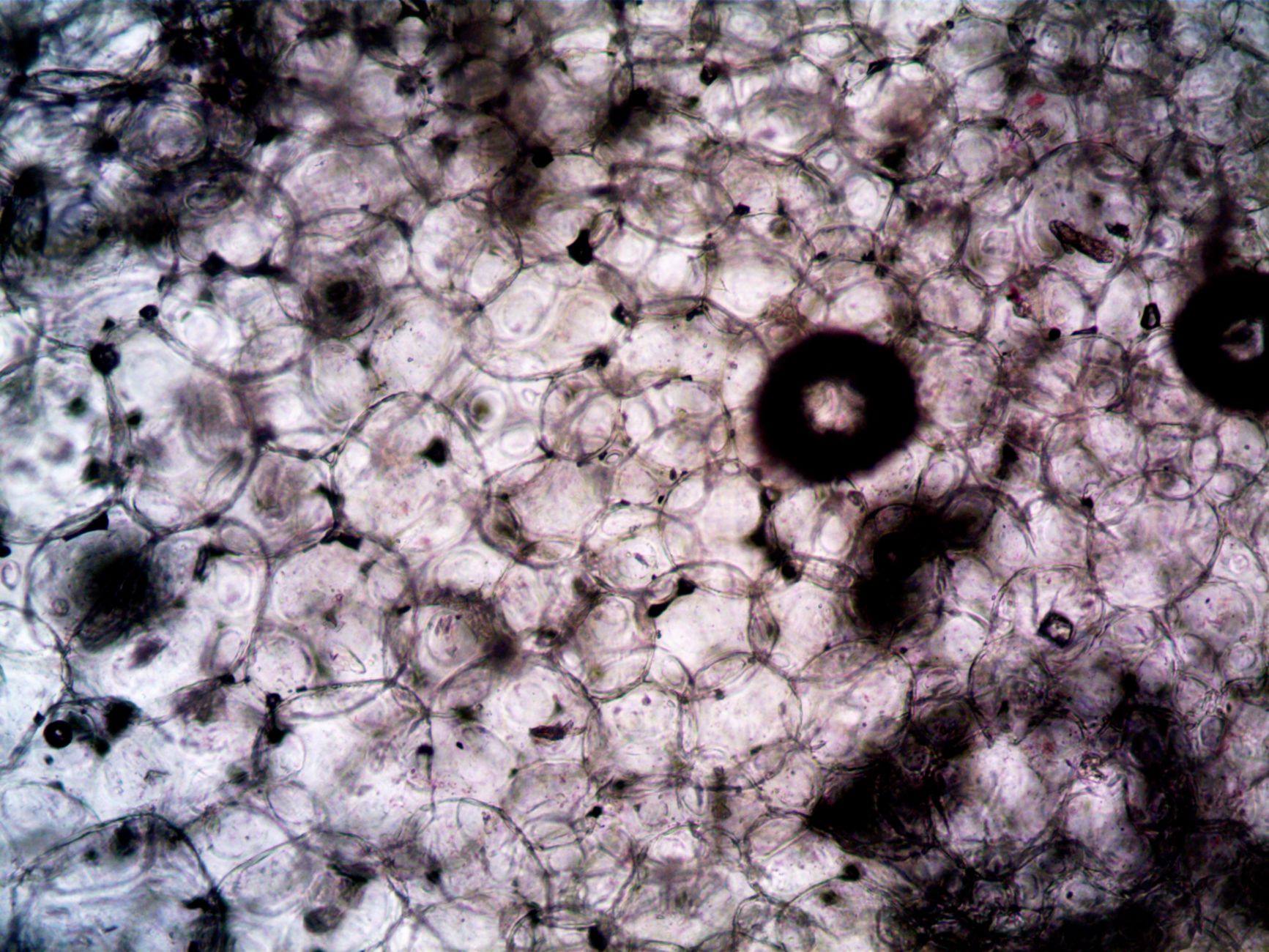
How Do Plants Transport Water and Solutes?
Plants move water and solutes through two linked systems: xylem carries water and dissolved minerals, while phloem carries sugars made in photosynthesis. That split is not trivia. It is the whole story of how a plant feeds itself across a body that may stretch 10 meters or more from root tip to top leaf.
Water enters through roots, rises through xylem, and reaches leaves where it helps keep cells firm and supports photosynthesis. Minerals such as nitrate, potassium, and magnesium ride with that water, which matters because leaves cannot build chlorophyll or proteins without them. A plant also has to move sugars from the leaf where they form to roots, buds, and fruits that need energy. That second route uses phloem, not xylem, and it can move in different directions at different times.
The catch: Xylem and phloem sit side by side, but they do different jobs, and mixing them up causes half the confusion in intro biology courses. Water flow depends on tension and evaporation, while sugar flow depends on pressure differences and living cells.
Think of the plant as a system with 2 delivery lanes. One lane pulls water up from the roots, sometimes from soil that holds less than 20% water by volume. The other lane ships sugar from a leaf to a growing root tip, a developing seed, or a fruit that is filling with starch and juice. Both lanes matter every day, and both fail for different reasons if the plant gets too hot, too dry, or too shaded.
How Do Roots Absorb Water and Minerals?
Roots absorb water through root hairs, which are tiny extensions that increase surface area by a huge amount, often across just 1 to 2 millimeters of soil space. Water moves from the soil solution into root cells by osmosis, because the inside of the root usually has a lower water potential than the wet soil around it.
Mineral ions do not always drift in on their own, so root cells use active transport to bring in ions like nitrate, phosphate, and potassium. That costs energy in the form of ATP, and that fact matters because plants do not just soak up nutrients like a sponge. They control what enters, and that control is picky. A soil may hold plenty of water but still lack a mineral the plant needs for chlorophyll or protein building.
Root control: The endodermis acts like a checkpoint before water and solutes reach the vascular cylinder. Its Casparian strip, a waxy barrier in a single cell layer, blocks the easy path through cell walls and forces materials to cross membranes.
That barrier gives the root real control over what enters the xylem. Without it, harmful ions could slip in too easily, and the plant would lose regulation. Roots do not just absorb; they screen. That is a smart move, but it also slows the process when soil dries out or when cold soil drops membrane activity below normal levels. In a 15°C soil, uptake can run much slower than in warmer soil, which is why early spring often brings weak growth even when plants look alive.
How Does Xylem Move Water Upward?
Xylem moves water upward by cohesion-tension, a mechanism that depends on water molecules sticking to each other and to the xylem wall. When transpiration pulls water out of leaf air spaces, it creates negative pressure, and that tension travels down the xylem column all the way to the roots.
Water molecules cling together because of cohesion, and they also stick to the inner walls of xylem because of adhesion. Those 2 forces help keep the water column unbroken, even in tall plants. A tree that rises 20 or 30 meters cannot rely on a simple pump in the trunk, because no living pump sits there. The plant uses physics instead, and that is the part students often miss.
Stomata matter here because they control how much water leaves the leaf. When stomata open for carbon dioxide, water vapor escapes too, and the loss strengthens transpiration pull. Hard truth: If stomata stay open for too long on a hot, dry day, the plant can lose water faster than roots replace it, so xylem tension rises and the risk of wilting grows.
Xylem transport stays mostly one-way: root to stem to leaf. Dead vessel elements and tracheids make that possible because they form hollow tubes with low resistance. That design works well, but it also has a weak spot. Air bubbles can break the water column, and drought makes that problem worse in a few hours rather than a few days.
Learn Biology 2 Online for College Credit
This is one topic inside the full Biology 2 course on UPI Study — a self-paced online class for college credit. Credit recommended by ACE and NCCRS; your college decides how credits transfer. Courses start at $250 with no deadlines and lifetime access.
Browse Biology 2 Course →How Does Transpiration Drive Water Movement?
Transpiration is the water loss that powers much of the upward pull in plants. It starts in the leaf and ends with roots taking up more water from the soil, and the sequence shifts fast when light, humidity, wind, or temperature changes by just a few degrees.
- Water evaporates from the moist mesophyll cell surfaces inside the leaf, usually through air spaces that stay close to 100% humidity.
- Water vapor leaves the leaf through stomata, and that exit can rise sharply when light opens the pores during the day.
- The leaf water potential drops, so water moves from the xylem into the leaf to replace what was lost.
- That drop creates tension in the xylem, and the pull travels downward through the water column in seconds to minutes.
- Roots absorb more water from the soil, and the rate can shift a lot when wind rises above about 10 km/h or when humidity falls below 40%.
- At night, stomata often close, transpiration slows, and the whole system backs off until morning light starts the cycle again.
How Does Phloem Transport Sugars Through Plants?
Phloem moves sugars by pressure flow, which means the plant loads sucrose into source tissues, water follows by osmosis, and pressure pushes sap toward sink tissues. A source usually means a mature leaf making sugar in photosynthesis, while a sink can be a root, fruit, seed, or growing shoot that uses or stores sugar.
In a source leaf, companion cells help load sucrose into sieve tube elements. That raises solute concentration, so water enters from nearby xylem and increases pressure in the phloem. The sap then moves from high pressure to lower pressure. It is not a free-for-all stream. It runs along a pressure gradient, and that difference can change within hours if a leaf stops photosynthesizing because of shade or drought.
Pressure flow: This system can move sap in different directions at different places, which sounds odd until you remember that each sieve tube only serves its own source and sink pair at a given time. A fruiting branch in July may pull sugar one way, while a root in October pulls it another.
That flexibility makes phloem powerful, but it also makes it delicate. Sieve tubes stay alive and depend on companion cells, so damage hurts the pathway fast. A stem can keep some xylem flow going after injury, yet phloem loading and unloading may fail almost at once. Students often expect one tube to do everything, and that mistake hides the real logic of the plant. Water goes up for support and photosynthesis, while sugar goes out to fuel growth, storage, and repair.
Which Plant Tissues Work Together in Transport?
The transport system works because 5 parts share the load: roots absorb, xylem lifts, leaves make sugars, stomata control water loss, and phloem ships food. Miss one piece, and the whole plant starts acting strange within 1 to 2 days if conditions stay harsh.
- Roots pull in water and mineral ions from the soil. Root hairs do the heavy lifting because they expose far more surface area than the main root.
- Xylem moves water and dissolved minerals upward. It does not carry sugars, and that is a mistake students make in about 30 seconds of sketching a diagram.
- Leaves make glucose in photosynthesis, then convert much of it to sucrose for transport. That sugar leaves the source tissue through phloem, not xylem.
- Stomata control gas exchange and water loss. They open for carbon dioxide, but they also let water vapor out.
- Phloem moves sugars from source to sink, such as a leaf to a root, a fruit, or a growing bud. The direction can change with the plant’s needs over a 24-hour cycle.
- Do not assume water and sugar use the same path. Water and minerals mainly ride xylem, while sugars travel in phloem, and that split is the heart of plant transport.
Frequently Asked Questions about Plant Transport
You start at the roots, where root hairs absorb water and dissolved minerals from the soil. Water then moves into the xylem in the root, and the plant can pull that water upward through the stem and leaves.
What surprises most students is that water does not get 'pulled' by the roots alone. Most of the upward pull comes from transpiration in the leaves, and cohesion between water molecules helps keep a continuous column moving through xylem.
This applies to vascular plants with xylem and phloem, including flowering plants, ferns, and conifers; it doesn't apply the same way to mosses, which lack true vascular tissue. If your class covers the introduction to biology ii course, this is the basic transport model you'll need.
A single tree can move liters of water in a day, and dry air can raise transpiration fast because water vapor leaves through stomata. That loss creates tension in xylem, which helps draw more water upward.
Plants transport water through xylem and move sugars through phloem. Water moves upward with cohesion-tension, while sugars usually move from leaves, where photosynthesis happens, to roots, fruits, and growing shoots by pressure flow.
Most students memorize xylem and phloem as two separate tubes, but that misses the real pattern. You need to track the source and sink: roots absorb minerals, leaves lose water by transpiration, and phloem shifts sugars from sources to sinks.
The most common wrong assumption is that xylem and phloem both carry the same materials in the same way. Xylem mainly moves water and minerals upward, while phloem moves sugars in the pressure flow process from places that make sugar to places that need it.
If you get this wrong, you'll mix up transpiration with sugar transport and miss a big part of plant growth and photosynthesis. That mistake usually shows up on exam questions about stomata, xylem, phloem, and pressure flow.
An introduction to biology ii course helps because it connects plant anatomy, osmosis, transpiration, and pressure flow in one unit. If you study online for college credit, look for an online course that offers transferable credit and, where possible, an ACE NCCRS credit recommendation.
You should study this before a lab or exam because plant transport questions often ask you to label xylem, phloem, roots, and stomata on the same diagram. If you know the route of water, minerals, and sugars, you'll answer faster and miss fewer 2-step questions.
Final Thoughts on Plant Transport
Plants look quiet, but their transport system runs all day. Roots pull in water and mineral ions from the soil, xylem moves that water upward under tension, and phloem sends sugars to the parts that need fuel. That split makes the plant work as one living system instead of a bunch of separate parts. The cleanest way to remember it is this: water and minerals mostly move in xylem, while sugars mostly move in phloem. Roots start the process by taking up water and ions. Leaves keep it going by making sugar and losing water through stomata. The two systems depend on each other, and neither one makes sense alone. A good diagram can help, but only if you label the direction of flow and keep the tissues straight. Xylem does not carry sugar. Phloem does not do the main job of lifting water from roots to leaves. That one distinction clears up a lot of test questions, and it also explains why drought, heat, and poor soil can slow growth so fast. If you want to study this topic well, draw a root, a stem, and a leaf, then trace water and sugar with two different colored arrows. Do that once, then do it again without looking at the book. That small habit usually beats rereading a page three times.
How UPI Study credits actually work
Ready to Earn College Credit?
Credit recommended by ACE and NCCRS · Self-paced · Your college decides how credits transfer · $250/course or $99/month (US)