
Nutritional adaptations in plants are changes in roots, leaves, and partnerships that help a plant get water, minerals, and other nutrients in a place where those things may be scarce, salty, flooded, or buried deep in soil. A cactus in the Sonoran Desert does not solve the same problem as a mangrove in tidal mud, and that is the whole point. These traits help plants survive, grow, and make seeds. Some plants grow deeper taproots to reach water 2 meters down. Others spread shallow roots across a 10-meter patch of soil after a short rain. Some make waxy leaves, while others trap insects or borrow nutrients from a host. The odd-looking parts are not decoration. They are the plant's answer to pressure from drought, poor soil, shade, or waterlogging. The phrase are nutritional adaptations in plants sounds technical, but the idea is simple. Plants cannot walk to food, so they change how they absorb, store, and use what the environment gives them. That can mean a root hair with a huge surface area, a fungus that helps with phosphorus, or a leaf that stores water for weeks. The range is broad, and some of the strangest examples make the most sense once you look at the soil.
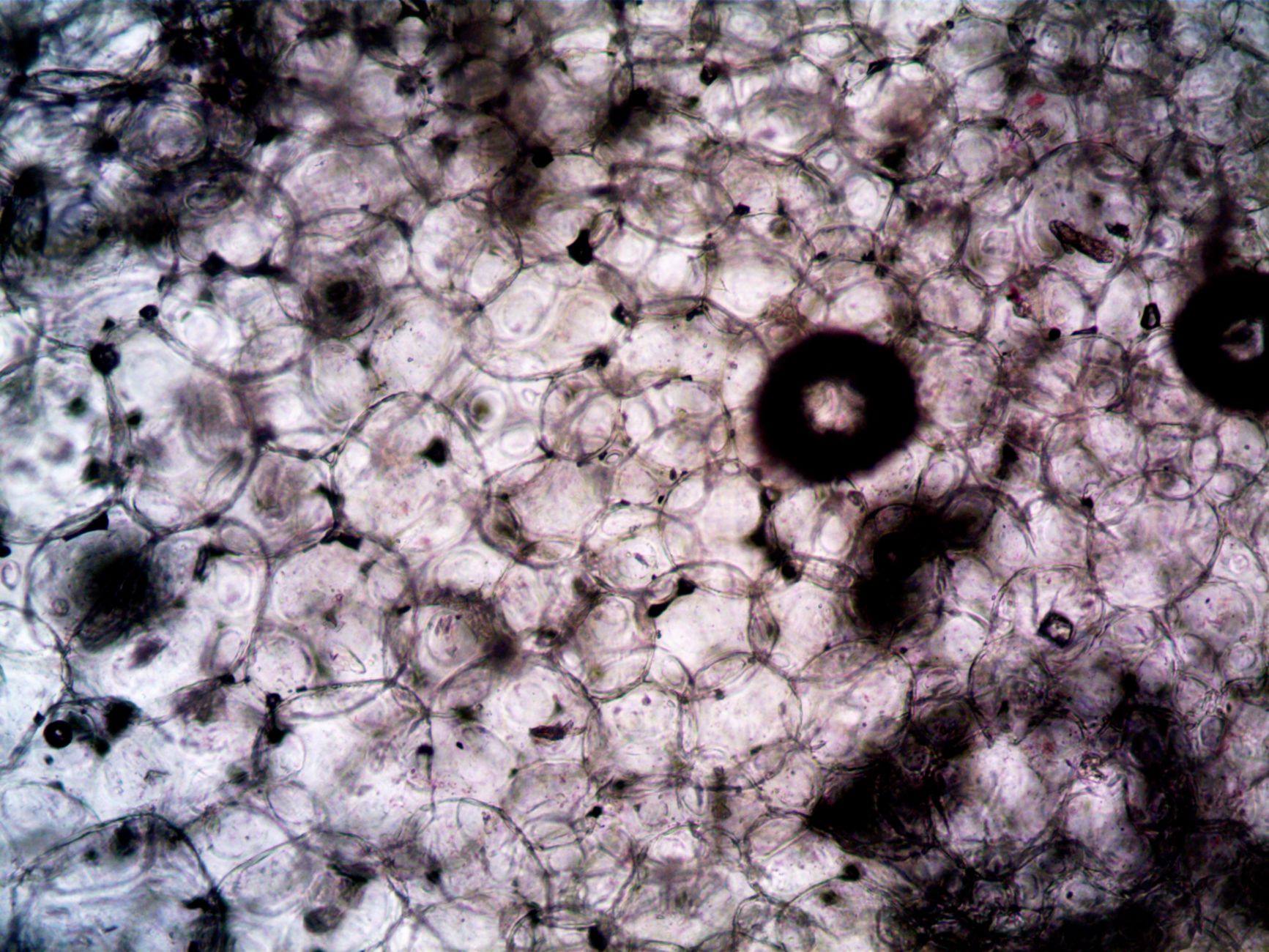
What Are Nutritional Adaptations in Plants?
Nutritional adaptations in plants are changes in structure and function that help a plant acquire, move, store, and use water and minerals across different habitats. They are not random quirks. A 1-centimeter root hair, a waxy cuticle, or a fungus-linked root can decide whether a plant survives a dry month, a flooded season, or a soil with almost no phosphorus.
These changes work as survival strategies. A plant in a desert, a swamp, or a shaded forest floor faces different limits, so it adjusts its nutrition in different ways. Roots may dig deeper, spread wider, or make special tissues that store starch and water. Leaves may shrink, thicken, or lose stomata on the hot side. Some plants even use other organisms. Mycorrhizae help with mineral uptake, while carnivorous and parasitic plants take a very different route when soil nutrients stay low for years.
The catch: A trait only helps if it matches the habitat, and that is why one plant's advantage can look like a strange trade-off in another place.
You can think of the nutritional adaptations of plants as a set of tools for solving the same basic problem: how to keep the cells supplied with water, nitrogen, potassium, phosphorus, and sugars. Broad leaves work well in open light, but they can lose water fast. Thick succulent tissues store water, but they cost more energy to build. A parasitic plant may skip some soil work and tap a host instead. That sounds dramatic, and it is, but it also saves a plant from starvation in poor soil.
In an introduction to biology ii course, this topic usually sits right next to photosynthesis, transport, and ecology because the parts connect. A plant does not just eat from soil; it manages a whole budget of matter and energy across root, stem, and leaf tissues.
How Do Roots Adapt to Find Nutrients?
Roots do the heaviest lifting in plant nutrition, and they change shape fast when water or minerals run short. A deep taproot can reach moisture several meters below the surface, while a shallow spreading root system can grab rainwater within 24 hours after a storm. Root hairs matter too, because thousands of tiny hairs can multiply absorbing surface area far more than a thick root alone can manage.
Reality check: A root that looks simple under a hand lens can hide a lot of engineering, especially in dry soil, waterlogged mud, or a host-dependent plant.
Storage roots add another layer. Sweet potato stores starch and water in swollen roots, and carrots do a similar trick on a smaller scale. In dry regions, this lets a plant ride out long gaps between rains. In waterlogged soil, some plants grow pneumatophores, which stick above the mud and help with oxygen supply in places like mangrove swamps. That sounds odd until you remember that roots need oxygen for respiration too.
Prop roots offer another solution. Corn and banyan trees use them for extra support, and that support helps the plant keep its leaves high enough for light while still feeding the main stem. In poor soil, legumes often lean on root nodules filled with nitrogen-fixing bacteria, which changes the nutrient picture without changing the root's basic job. Haustorial roots push the idea further. Parasitic plants such as dodder and broomrape send these roots into a host and tap water, sugars, and minerals straight from living tissue.
Each root type serves a specific shortage. Dry sand rewards deep roots. Flooded soil rewards air-breathing roots. Low-nitrogen soil rewards symbiosis or parasitism. The plant does not get a free pass in any of these settings; it just changes the bill it has to pay for survival.
Learn Biology 2 Online for College Credit
This is one topic inside the full Biology 2 course on UPI Study — a self-paced online class for college credit. Credit recommended by ACE and NCCRS; your college decides how credits transfer. Courses start at $250 with no deadlines and lifetime access.
See Biology 2 Course →Which Leaf Changes Improve Plant Nutrition?
Leaves shape nutrition as much as roots do, because they control photosynthesis, water loss, and gas exchange. A plant with the wrong leaf design can waste water in a single hot day, and that cost matters when rainfall stays under 250 mm a year.
- Reduced leaves or spines cut surface area and slow water loss. Cacti use this strategy in deserts where every drop counts.
- Succulent leaves store water in thick tissues, so plants can keep photosynthesizing during a 2- to 6-week dry spell.
- A waxy cuticle acts like a waterproof coat. It helps leaves keep moisture while still allowing some gas exchange through stomata.
- Sunken stomata sit below the leaf surface and trap humid air. That lowers transpiration on windy or hot days.
- Broad, chlorophyll-rich leaves work well in shade or under forest cover. They capture more light when nutrients and sunlight both run low.
- Some leaves shift shape with the season. In dry months, a smaller leaf can beat a large one because it uses less water per gram of tissue.
Worth knowing: A leaf can save water and still support photosynthesis, but it rarely does both at full speed.
These changes all tie back to nutrient use. A leaf that loses less water also protects dissolved minerals moving through the xylem. A leaf that stores water can keep making sugars when the soil dries out. A leaf with more chlorophyll can pull more energy from weak light, which matters in a 5-meter-deep forest shade or under dense wetland plants.
Some leaves trade beauty for survival, and I think that is the smarter deal.
Why Do Some Plants Use Carnivory or Parasitism?
Carnivory and parasitism evolve where soil gives up too little nitrogen, phosphorus, or iron. A pitcher plant in a bog or a Venus flytrap in sandy wet ground may still photosynthesize like any green plant, but it supplements its diet with prey because the soil cannot supply enough minerals. That trade-off looks extreme, yet it makes sense in places where rainfall washes nutrients away faster than roots can replace them.
Venus flytraps close in less than 1 second when trigger hairs fire, and pitcher plants collect insects in fluid-filled traps that may hold prey for days. The plant digests the soft parts and absorbs nitrogen-rich compounds from the remains. It still makes its own sugars through photosynthesis, so it does not live like an animal. It just steals a little protein on the side.
Bottom line: Carnivorous plants do not replace photosynthesis; they patch a mineral shortage that poor soil keeps repeating.
Parasitic plants use a different shortcut. Some, like mistletoe, tap a host's xylem and steal water and minerals. Others, like dodder, can draw both water and sugars through haustoria, which makes the host do part of the work. That strategy carries a cost. The parasite must find the host, attach fast, and avoid drying out before the connection forms.
These plants survive because they spend less on roots and more on capture or attachment. In a place where nutrients stay scarce for 10 or 20 years, that can beat trying to build a normal root system from scratch.
What Examples Show Nutritional Adaptations in Plants?
Mangroves, cacti, bog plants, epiphytes, and legumes all solve the same problem in different ways: get enough water and minerals to keep growing. Mangroves in salty tidal mud often use pneumatophores and salt-handling tissues, because roots in anoxic mud struggle to breathe. Cacti in deserts store water in thick stems and reduce leaves to spines, which cuts loss in regions that may get less than 250 mm of rain a year.
Bog plants live in acidic, nutrient-poor soil, so pitcher plants and sundews often use carnivory to add nitrogen and phosphorus. Epiphytes, such as many orchids and bromeliads, grow on trees instead of in soil, so they collect water from rain, fog, and debris caught in leaf bases. Legumes like peas and beans form root nodules with nitrogen-fixing bacteria, and that partnership gives them a big advantage in fields where nitrogen runs low.
What this means: The same survival goal shows up in different clothing: store water, grab minerals, or borrow them from another living system.
These examples show how nutritional adaptations of plants match the habitat first and the textbook second. A mangrove does not need the same solution as a bog plant, and a cactus does not borrow the same tools as a bean. Still, each one keeps the same core aim in view: stay alive long enough to grow, flower, and make seeds. If you want a clean way to remember the topic, start with habitat, then ask what the plant cannot get on its own.
Frequently Asked Questions about Plant Nutrition
Plants show nutritional adaptations worth about 1 mark in many biology classes because they change how they get water, minerals, and food in places like deserts, wetlands, and poor soil. You see root changes, leaf changes, carnivory, parasitism, and symbiosis working together.
The most surprising part is that some plants don't make all their own nutrients from soil alone. Carnivorous plants like Venus flytraps trap insects, while mycorrhizal fungi can help roots absorb phosphorus and water in exchange for sugars.
If you mix this up, you'll miss how plants survive in low-nutrient places, and that can cost you marks on root hairs, nitrogen uptake, and symbiosis questions. A cactus and a pitcher plant solve the same problem in very different ways.
Most students memorize root, leaf, and soil terms, but the smarter move is to link each structure to a job. In the introduction to biology ii course, that means matching 3 ideas: getting nutrients, storing them, and saving water.
This applies to anyone taking biology, including an introduction to biology ii class, and it doesn't require a farming or botany background. If you're looking for college credit from an online course, you still need to know how plants use roots, leaves, and fungi.
Start with 4 categories: root adaptations, leaf adaptations, carnivory, and symbiosis. Then add one example for each, like storage roots, waxy leaves, pitcher plants, and mycorrhizae, so you can study online with a clear map.
Yes: nutritional adaptations in plants are changes that help a plant get, hold, or use water and nutrients in tough places. The caveat is that the same trait can do more than one job, like thick leaves that reduce water loss and store moisture.
The most common wrong assumption is that roots only absorb water and minerals from plain soil. In real life, roots can form nodules, partner with fungi, or grow deep taproots, and those changes help plants live in soil with very little nitrogen.
If you study plant nutrition in an online course that carries an ACE/NCCRS credit recommendation, you can sometimes use that learning for college credit, but your school makes the final call. ACE and NCCRS have over 2,100 cooperating colleges that will consider accepting credits; the final decision is with the universities.
Mycorrhizae help plant roots absorb more water and minerals, especially phosphorus, by linking fungi with root cells. You get a real trade: the plant gives sugars, and the fungus gives access to soil nutrients that roots alone may not reach.
Final Thoughts on Plant Nutrition
Nutritional adaptations in plants show how life solves scarcity with structure, timing, and trade-offs. Roots chase water 2 meters down or spread across the topsoil after rain. Leaves shrink, thicken, or lose water slowly. Some plants trap insects, tap hosts, or team up with fungi to get phosphorus and nitrogen they cannot pull from poor soil alone. That mix is the real lesson. Plants do not all use one plan. They match their bodies to their habitat, and they do it with a kind of quiet precision that looks plain until you compare a bog, a desert, and a mangrove swamp side by side. The topic also pulls biology together in a neat way. You see transport, photosynthesis, ecology, and symbiosis in one place, which is why teachers keep returning to it in introduction to biology ii course work and in field biology. Once you start spotting the pattern, every strange root or waxy leaf starts to look less weird and more smart. If you want to understand plant survival, keep asking one question: what problem does this trait solve, and what does the plant give up to get that advantage?
How UPI Study credits actually work
Ready to Earn College Credit?
Credit recommended by ACE and NCCRS · Self-paced · Your college decides how credits transfer · $250/course or $99/month (US)