
Environmental health science studies how air, water, soil, food, waste, and chemicals affect human health. It does not stop at spotting pollution. It asks a harder question: which exposures raise disease risk, who gets hit first, and how do you prevent harm before people get sick? That matters because a bad exposure can show up fast or slowly. A child with lead in drinking water may face learning problems after months, while a worker exposed to solvent fumes may feel headaches after one shift and nerve damage after years. The field connects those dots with sampling, lab tests, surveys, and health data. Many students first meet this subject in an environmental science course, but environmental health science has a sharper public health focus. It looks at measurable hazards, like PM2.5 in air, nitrate in water, mold in buildings, and chemical waste near neighborhoods. Then it asks what level counts as safe, what level crosses a line, and which groups carry the biggest burden. If you want a degree path, this field fits public health, biology, environmental science, and health policy. If you want a job, it also fits inspection, lab work, field monitoring, and safety roles. That mix makes it practical, not abstract.
Why Does Environmental Health Science Matter?
Environmental health science matters because it turns environmental science into public health action. A county can have clean-looking streets and still face 2 big problems: unsafe drinking water and invisible air pollution. The field studies how those exposures affect asthma, cancer, birth outcomes, and heart disease, not just how dirty a place looks.
The catch: The science is about prevention, not cleanup after people get hurt. That shift sounds small, but it changes everything when a child’s blood lead level rises above 3.5 micrograms per deciliter or when PM2.5 stays above 12 micrograms per cubic meter.
A student in public health, nursing, or environmental science sees this field as a bridge between labs and real life. Scientists compare exposure data with health data from clinics, schools, and workplaces, then ask which group gets the highest dose. A factory worker, a pregnant parent near a highway, and a family on a private well do not face the same risk, even if they live in the same city.
This is why the science of environmental health keeps showing up in outbreaks, inspections, and policy debates. A 2024 wildfire smoke event, a 2019 water violation, or a 30-day chemical spill can create different health problems, but the logic stays the same: identify the source, measure the dose, and reduce harm before it becomes a disease cluster.
What Does Environmental Health Science Study?
Environmental health science studies air quality, drinking water, toxic substances, radiation, sanitation, food safety, and workplace hazards. It asks how each one affects a person today and what it does over 10 years, 20 years, or even a lifetime.
Air quality work looks at ozone, smoke, diesel exhaust, and fine particles like PM2.5. Water work tracks lead, arsenic, nitrate, PFAS, and microbes such as E. coli. Food safety covers contamination, temperature control, and handling mistakes that can trigger illness in 24 hours or less.
Worth knowing: Some hazards hit fast, and some creep in slowly. That difference matters because a bad batch of food can cause vomiting in 1 day, while low-level arsenic exposure may build risk over 15 or 30 years.
The field also looks at sanitation and waste, which sounds boring until a city backs up sewage after 6 inches of rain or a landfill leaks chemicals into groundwater. Radiation matters too, especially in medical settings, mining, and certain industrial jobs. Occupational hazards cover noise, dust, solvents, heat, and repetitive stress, all of which can raise injury or illness risk.
I like this field because it refuses to treat one hazard at a time in a vacuum. Real life stacks exposures. A person can breathe smoke, drink contaminated water, and work around solvents in the same week, and that stack changes the health picture fast.
How Do Scientists Measure Environmental Exposure?
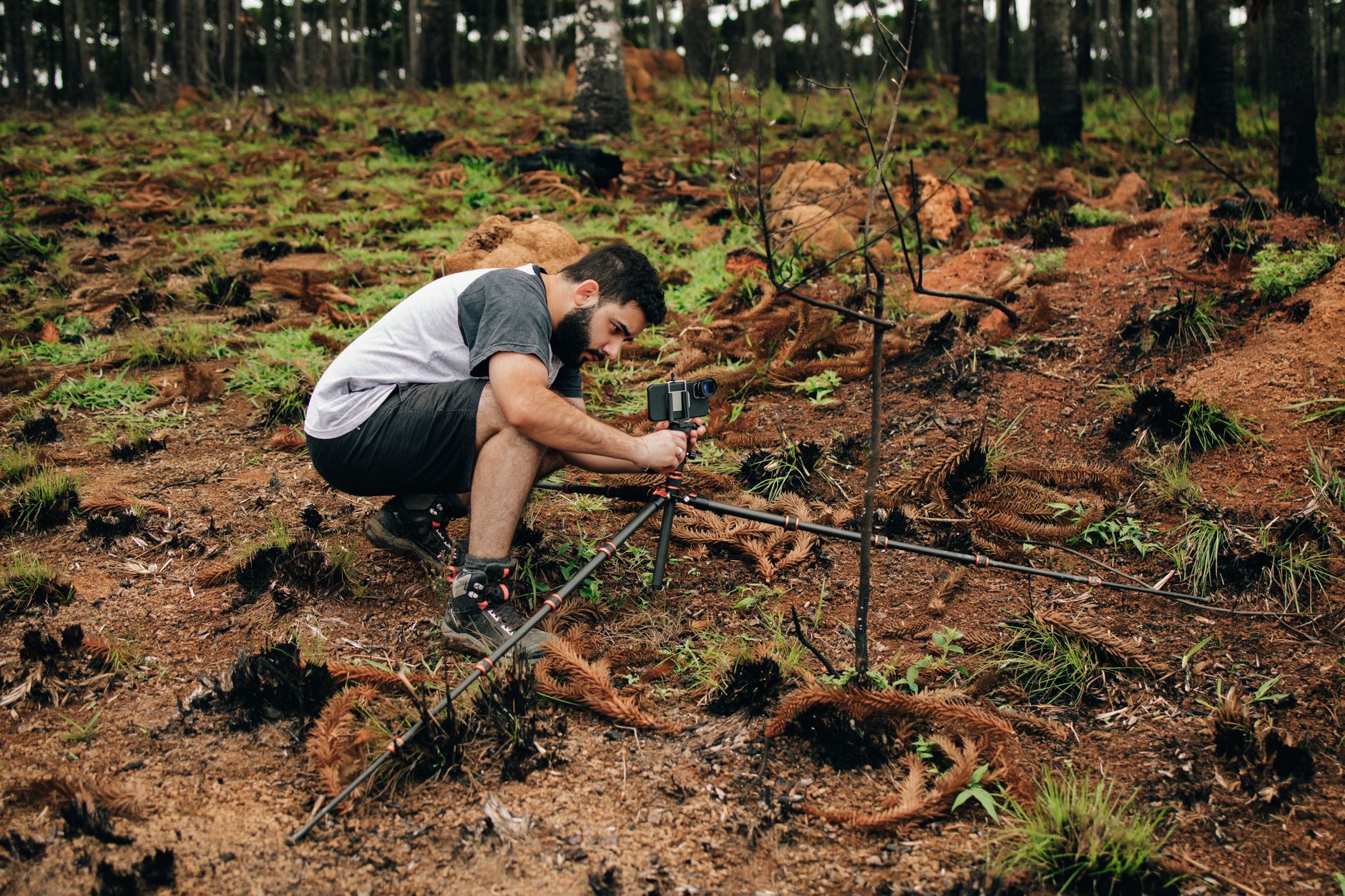
Scientists start by naming the hazard, then they measure how much of it people actually encounter. That process can take 1 day for a spill response or 6 months for a community study, and the numbers drive the next step.
- They identify the hazard and the group at risk. A school near a highway, a factory, or a private well field often gives the first clue.
- They collect samples from air, water, soil, food, or dust. A lab can test a water sample for lead down to parts per billion and compare it with health limits.
- They monitor exposure over time. A 24-hour air monitor, a 7-day passive sampler, or a workplace badge can show whether levels stay steady or spike.
- They use biomonitoring when they need body evidence. Blood, urine, or hair tests can show whether a chemical reached the body, not just the environment.
- They compare results to benchmarks and risk models. If a measured level crosses a standard, scientists look at who got the highest dose and what happened next.
- They add surveys and health records to finish the picture. Symptoms, age, housing, job type, and time spent in the area help explain why one group got hit harder.
Learn Environmental Science Online for College Credit
This is one topic inside the full Environmental Science course on UPI Study — a self-paced, online class that earns real college credit. Credits are ACE and NCCRS evaluated and transfer to partner colleges across the US and Canada. Courses start at $250 with no deadlines and lifetime access.
Explore on UPI Study →Which Careers Use Environmental Health Science?
Many jobs use this science every day, and 5 career paths show up over and over in public health departments, labs, and industry. Some roles stay in the field, while others spend most of the day with data, reports, or regulations.
- Environmental health specialists inspect restaurants, wells, and housing. They often handle complaints, violations, and follow-up visits.
- Public health analysts study exposure patterns with census data, clinic records, and maps. They turn messy numbers into plain-language reports.
- Industrial hygienists test air, dust, noise, and chemicals in workplaces. A common job is checking whether exposure stays below an OSHA limit.
- Epidemiology support staff help track illness clusters and exposure histories. They may work with 10 or more variables on one case file.
- Lab technicians run water, soil, or tissue tests using instruments that detect tiny traces, sometimes at parts per billion.
- Regulatory staff write rules or check compliance for agencies like the EPA or state health departments. They need strong evidence, not guesses.
- Field investigators visit sites after spills, sewage failures, or smoke events. They often work in long shifts and rough weather.
How Does Environmental Health Prevent Disease?
Environmental health science prevents disease by changing the conditions that make people sick. When scientists find lead in old pipes, the fix is not a lecture. It is pipe replacement, corrosion control, and water testing that keeps exposure below 15 ppb.
The same logic works for air, waste, food, and workplaces. A city can lower asthma risk by cutting diesel exhaust near schools, installing better filters, and enforcing 8-hour air standards for workers who handle dust or fumes. A food plant can stop a salmonella outbreak with temperature checks, sanitation rules, and cleaner equipment paths.
Reality check: The field has teeth only when people act on the data. A perfect report does nothing if a town waits 2 years to fix a sewer leak or a factory ignores a solvent reading above the limit.
This is where policy matters. Health departments, the EPA, OSHA, and local boards use environmental health findings to set rules, issue advisories, and shut down dangerous practices. The goal is not to win an argument about pollution. The goal is to keep a child out of the ER, keep a worker from inhaling fumes, and keep a neighborhood from carrying the same hazard for another decade.
That focus on prevention is why the field stays so practical. It turns science into cleaner systems, safer rules, and fewer sick days.
Should You Study Environmental Health Science Online?
Online study works well if you want a flexible path into environmental science without giving up lab-based thinking. A solid program can cover sampling, risk basics, and public health with 1 course at a time, which helps if you work full time or need a lower-cost start than a 4-year campus route.
- Look for lab content, not just slides. Sampling, measurement, and case studies should appear in every term.
- Check whether the course offers college credit or transferable credit, not just a certificate.
- Ask if the school lists ACE or NCCRS credit for outside review.
- Make sure the course covers air, water, toxins, waste, and exposure basics.
- Pick a format with clear pacing, since self-paced classes cut stress for many students.
Bottom line: A good online environmental science course should teach real exposure skills, not just theory. If you plan to study online, the best choice gives you structure, credit value, and enough science to move into a degree or a public health job.
The downside is simple: weak online classes can feel thin if they skip measurements, labs, or health cases. That problem gets worse when a course hides what it covers until after you pay.
Frequently Asked Questions about Environmental Health
What surprises most students is that environmental health science studies people, not just nature. It looks at how air pollution, dirty water, lead, pesticides, waste, and other hazards affect human health, and it uses exposure data to prevent disease.
This applies to you if you want to study how the environment shapes health in homes, cities, schools, workplaces, or public health jobs; it doesn't fit you if you want only pure lab biology with no real-world exposure or policy work. The field often mixes biology, chemistry, and public health.
3 main routes matter most: breathing air, drinking water, and touching contaminated soil, dust, or surfaces. Scientists also track food, but air and water studies make up a big part of environmental health work because they affect millions of people every day.
No, environmental health science studies pollution, but it also studies waste, workplace hazards, toxic chemicals, mold, noise, and radiation. The science of environmental health asks how each exposure reaches the body, how much enters, and which groups face the highest risk.
Most students read about hazards first, but what actually works is starting with exposure, dose, and health outcome together. In an environmental science course, you should connect a source like lead pipes to a route like drinking water and a result like nerve damage.
The most common wrong assumption is that environmental health science only means cleaning up trash or studying animals. It also covers human disease patterns, exposure limits, and prevention rules used by agencies like the EPA and WHO.
Start by taking an introductory environmental science course or public health class that covers air quality, water safety, and toxicology. After that, look for a college credit option that includes labs or case studies, because those help you measure exposure and risk.
If you get it wrong, you can miss a real risk and people can keep getting exposed to lead, arsenic, smoke, or unsafe chemicals. That mistake can mean bad health data, weak rules, and diseases that stay hidden for years.
Yes, you can study online and earn ace nccrs credit through approved programs that post grades, assignments, and exams in a structured format. That matters if you want transferable credit for a degree plan or later university review.
It measures exposure with air samples, water tests, blood or urine biomarkers, and time-based records of where you lived or worked. Scientists compare those numbers to health outcomes, then use the data to spot patterns across 2, 5, or 20 years.
Water quality matters because even small contamination levels can affect large groups fast, especially through drinking water systems that serve thousands of homes. Scientists test for bacteria, metals, nitrates, and chemical runoff, then connect those results to illness reports.
They set limits, change building rules, clean up hazards, and warn the public before exposure causes harm. That can mean safer air filters, better waste handling, or stronger drinking water standards from agencies in the U.S., Canada, and other countries.
You should remember that the field blends environmental science, health data, and prevention work, so you need comfort with numbers, lab reports, and real-world problem solving. It fits you best if you like turning exposure facts into action.
Final Thoughts on Environmental Health
Environmental health science gives you a way to read the world as a set of measurable risks. Air quality, drinking water, toxins, waste, and workplace hazards all leave traces, and scientists use those traces to explain why some people get sick before others do. That sounds technical, but the payoff feels very human: fewer asthma attacks, fewer lead exposures, fewer outbreaks, fewer preventable injuries. The field also rewards clear thinking. You do not need to guess what is happening when a 24-hour air monitor, a blood test, and a health survey point in the same direction. You need to ask who is exposed, how much, for how long, and what action can cut the risk fast. If you are deciding whether to study it, look for classes that cover exposure measurement, public health, and real hazards, not just broad environmental talk. A strong course should leave you able to explain a spill, a water warning, or a workplace complaint in plain language. That skill matters in labs, agencies, hospitals, and city offices. It also gives you a practical edge if you want a science path that leads to action, not just theory. Start with one class, learn the methods, and see how the field fits the work you want to do next.
How UPI Study credits actually work
Ready to Earn College Credit?
ACE & NCCRS approved · Self-paced · Transfer to colleges · $250/course or $99/month