
Social change in sociology means the long-term shift in how society works: its institutions, norms, values, and patterns of behavior. That can happen through big events, like a 1964 civil rights law, but it also happens through slow changes in family size, school rules, workplace habits, and how people use phones in daily life. The most common student mistake is thinking social change only means protests, revolutions, or sudden headlines. Not true. A drop in marriage rates over 30 years, more remote work after 2020, or wider acceptance of women in leadership all count too. Sociologists care about the whole pattern, not just the loud moment. This topic sits right at the center of sociology 101 introduction to sociology because it asks how groups adjust when old rules stop fitting new life. You see that in education, religion, politics, and the economy. You also see it in small habits that spread fast, like cashless payments or texting instead of calling. The hard part is that social change never hits everyone the same way. One group gains access, another group loses status, and a third group adapts with little drama. That uneven effect is why sociologists study both the cause and the cost, not just the headline.
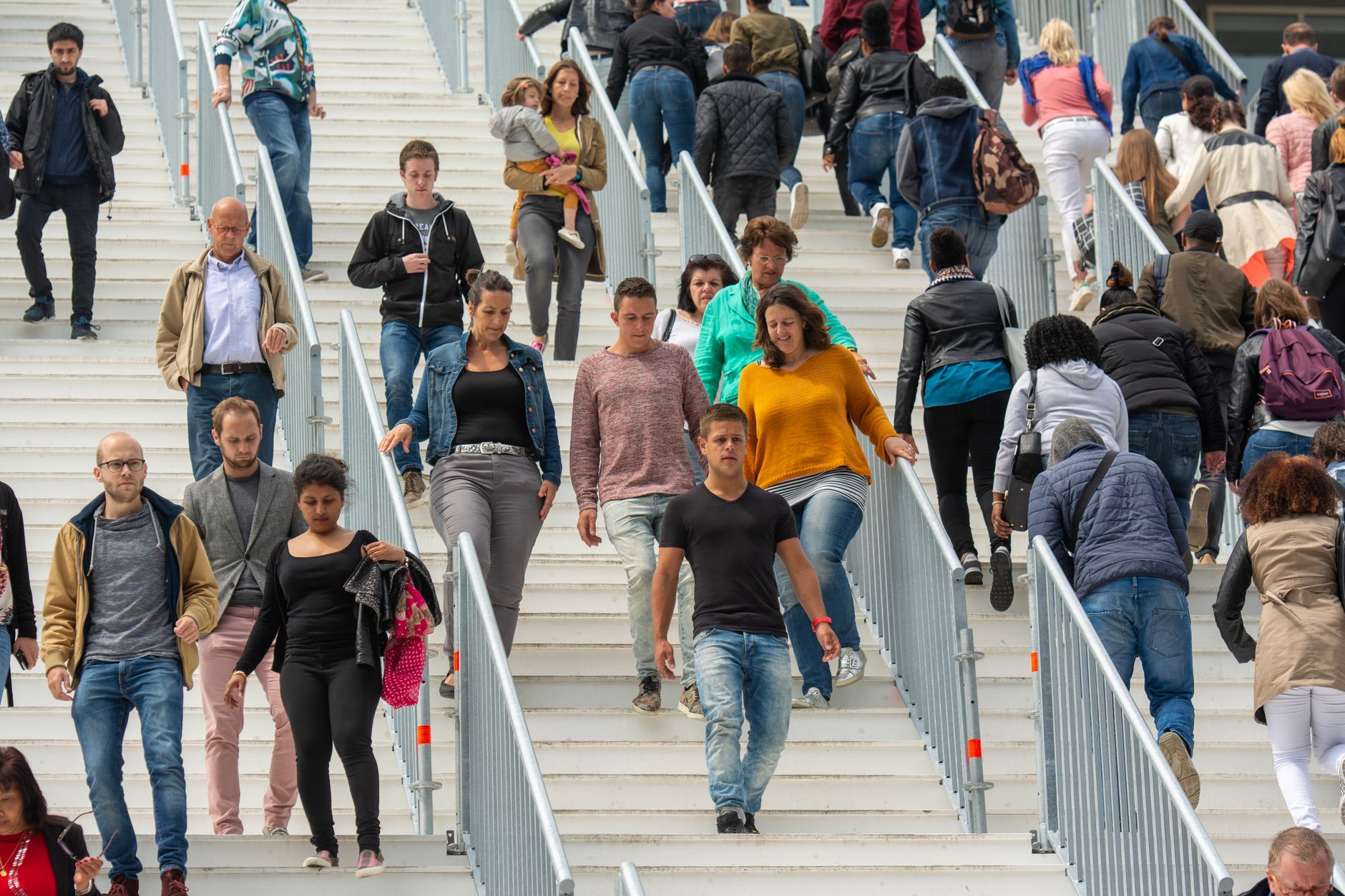
What Is Social Change in Sociology?
Social change in sociology is the long-term shift in the way people live together, including family life, education, work, religion, law, and daily habits. It can unfold over 10 years or 100, and it often shows up first in small behavior changes before institutions catch up.
Most students miss this: Social change is not just protests, strikes, or a dramatic 1960s-style movement. A rise in dual-income households, the spread of online classes after 2020, or a new norm around gender-neutral language all count because they change how people act and what society treats as normal.
Think of social change as a moving target. A school that used chalkboards in 1995, smartboards in 2010, and hybrid learning in 2024 shows change in both behavior and institution design. A 5% shift in public opinion can matter if it keeps growing year after year, because norms often move before laws do.
The best way to read this topic is to watch patterns, not one-off events. A single march or viral post can matter, but sociology asks what changed 1 month later, 5 years later, and across different groups. That focus makes the field sharper than pop commentary, and honestly, a lot less noisy.
Why Does Social Change Happen in Sociology?
Social change happens because technology, population shifts, conflict, economics, culture, policy, and social movements keep pressing on each other at the same time. A new tool like the smartphone, first released in 2007, can change how people work, date, organize, and learn within 10 or 15 years.
What drives change: These causes rarely act alone. A labor shortage can push employers toward automation, a policy change can speed adoption, and a movement can force public debate. The 2020 shift to remote work came from a mix of technology, public health rules, and employer pressure, not one neat cause.
Population change matters too. A city that grows by 20% in a decade needs more housing, transit, and schools, which then changes neighborhood life. Migration can also bring new languages, foods, and religious practices, and that cultural diffusion changes what people expect in public spaces.
Conflict often speeds things up. The U.S. civil rights movement, women’s rights activism, and labor organizing all changed laws, but they also changed what people thought was acceptable. Some change is planned, like a 1972 policy reform. Some is accidental, like how social media reshaped attention spans and political talk before anyone had a full plan.
A smart sociology 101 introduction to sociology course treats these causes as linked gears, not separate boxes. That matters because a policy can fail if it ignores culture, and a movement can stall if the economy shifts under it. Change rarely arrives cleanly, and that messiness is the whole point.
Learn Introduction To Sociology Online for College Credit
This is one topic inside the full Introduction To Sociology course on UPI Study — a self-paced, online class that earns real college credit. Credits are ACE and NCCRS evaluated and transfer to partner colleges across the US and Canada. Courses start at $250 with no deadlines and lifetime access.
See Introduction To Sociology →Which Examples Show Social Change Clearly?
A few clear examples make social change easier to see. A 50-year trend can hide in plain sight, so students should look at values, institutions, and behavior together instead of chasing only big headlines or famous protests.
- Gender norms changed as more women entered paid work and leadership roles. That shifts values and workplace institutions at the same time.
- Digital communication changed behavior fast after 2007. Texting, apps, and video calls reshaped daily contact more than most students notice.
- Family structure changed as marriage age rose and fewer households followed the 1950s model. That affects norms about parenting, money, and caregiving.
- Education access changed through online learning and broader college enrollment. A sociology 101 introduction to sociology course often uses this as a clean example of institutional change.
- Civil rights gains changed laws and public behavior, but not evenly. The Civil Rights Act of 1964 changed formal rules before daily attitudes caught up.
- Work-from-home patterns changed after 2020. That altered behavior, office policy, and ideas about what counts as a real workday.
- Attitudes toward race, sexuality, and authority changed unevenly across generations. The shift shows up in surveys, schools, and family talk, not just in politics.
How Do Sociologists Study Social Change?
Sociologists study social change with three main lenses: functionalist, conflict, and symbolic interactionist. Functionalists ask how a change affects stability, conflict theorists ask who gains power, and symbolic interactionists watch how people change meanings in daily life, down to a 15-second phone interaction or a school rule.
Different lenses matter: A policy can look helpful from one angle and harmful from another. A 2021 work rule that helps parents may strain employers, while a new school dress code may look minor but still shape identity and belonging. I think the conflict lens often catches what polite talk hides.
They also use methods that track change over time: longitudinal data, surveys, historical comparison, and case studies. A 30-year survey can show how trust in institutions shifts. A case study of a city, a school system, or a union can show how one change spreads through daily life.
A good researcher asks who benefits, who resists, and who pays the price. That question matters because the same reform can help middle-class workers, hurt small firms, and leave low-wage workers stuck with the old rules. That unevenness shows up in race, class, gender, age, and region.
Worth knowing: Sociologists do not treat every change as progress. A new app, a 1970s law, or a housing boom can raise access for one group and deepen stress for another. That is why serious sociology keeps asking what changed, for whom, and over what span of time.
What Effects Does Social Change Have On Society?
Social change can bring progress and disruption in the same 5-year stretch. A reform that expands voting rights, college access, or remote work can help millions, but it can also shake old routines, weaken familiar status rules, and create sharp generational tension. Sociologists never treat change like a clean win. They look at who adapts fastest, who gets left behind, and which institutions move at all. That matters because the same 2020-era shift can feel like freedom to one group and chaos to another.
- Benefits: New rights or tools can widen access to school, work, and public life.
- Tensions: Older norms may clash with new ones, especially across age groups and regions.
- Inequality: Gains often spread unevenly, with class and race shaping who benefits first.
- Identity shifts: People may rethink gender, race, religion, or authority in daily life.
- Institutional delay: Laws and schools often lag behind behavior by 5 to 20 years.
Frequently Asked Questions about Social Change
The thing that surprises most students is that social change in sociology isn't just big protests or laws; it also includes slow shifts in family roles, school rules, work patterns, and daily habits over years or decades. You study how institutions, norms, values, and behavior move from one pattern to another.
This applies to you if you study how groups, schools, governments, or communities change over time, and it doesn't apply if you want a personal self-help story with no social data. In sociology, you look at 2 or more groups, not one person's private life.
Start with one concrete case, like women entering paid work after World War II, then connect it to norms, family roles, and law. In a sociology 101 introduction to sociology course, that first step helps you spot how one change spreads across 3 or 4 social institutions.
A typical sociology 101 introduction to sociology course takes 12 to 16 weeks in a college semester, and some online course options let you study online on a self-paced schedule. If you want college credit, look for a class that lists ace nccrs credit or transferable credit.
The most common wrong assumption is that social change in sociology only means progress. You can also see backlash, conflict, or even a return to older values, like new voting rights followed by new restrictions in the same 5-year span.
Sociology explains social change as the shift in institutions, norms, values, and behavior over time. The caveat is that sociologists still split causes into 3 big buckets: technology, conflict, and demographic shifts, so one event rarely works alone.
If you mix up social change with personal change, you'll miss the whole point of the chapter and lose points on essays, short answers, and multiple-choice items. Teachers often want 2 examples, like urbanization and civil rights, not one vague definition.
Most students memorize a definition, but what actually works is linking a cause to an effect with one real case, like the internet changing news, dating, and political speech. That gives you 3 layers: cause, process, and result.
Yes, social change can help one group and hurt another at the same time. A new law, a new technology, or a new norm can raise access for millions while creating fresh pressure for older workers, parents, or small local businesses.
Sociologists measure social change by tracking numbers over time, like school enrollment, divorce rates, life expectancy, or internet use across 10 to 20 years. They also compare groups by age, class, race, and gender to see who gains and who loses.
Final Thoughts on Social Change
Social change in sociology is not a side topic. It sits at the center of how societies grow, stall, split, and rebuild. If you remember one thing, make it this: change can show up in a law, a habit, a family pattern, a labor market, or a screen that everyone checks 50 times a day. The strongest student answers do not stop at naming change. They explain the cause, name the group affected, and show whether the effect looks like progress, strain, or both. That habit helps in class discussions, exam essays, and any course where you have to connect theory to real life. The misconception about protests matters here because it hides the slower stuff. A shift in marriage age, a rise in online learning, or a 10-year change in how people talk about gender can reshape a society just as much as a headline event. Sociology gets sharper when you watch the pattern instead of the noise. Use that lens the next time you read the news or look at your own campus. Ask what changed, who changed it, and who had to adjust.
How UPI Study credits actually work
Ready to Earn College Credit?
ACE & NCCRS approved · Self-paced · Transfer to colleges · $250/course or $99/month