
Piaget says children build thinking through stages and hands-on discovery. Vygotsky says thinking grows through language, social talk, and help from other people. This is the real split behind the question of what is the difference between Piaget and Vygotsky. Both names show up in psychology 120 educational psychology because both theories shape how teachers think about learning. Piaget leans on readiness and active discovery. Vygotsky leans on guided practice, shared problem-solving, and the idea that a child can do more with help than alone. Students mix them up because both reject the old idea that children just absorb facts like empty jars. They do not. Both see children as active thinkers. Still, they disagree on what drives growth. Piaget puts the child’s own mental work at the center. Vygotsky puts social interaction and language at the center. That difference matters in class. A teacher who follows Piaget may give students blocks, puzzles, or lab tasks and wait for them to figure things out. A teacher who follows Vygotsky may model the task first, ask questions, and then step back in small pieces. Same goal. Different route.
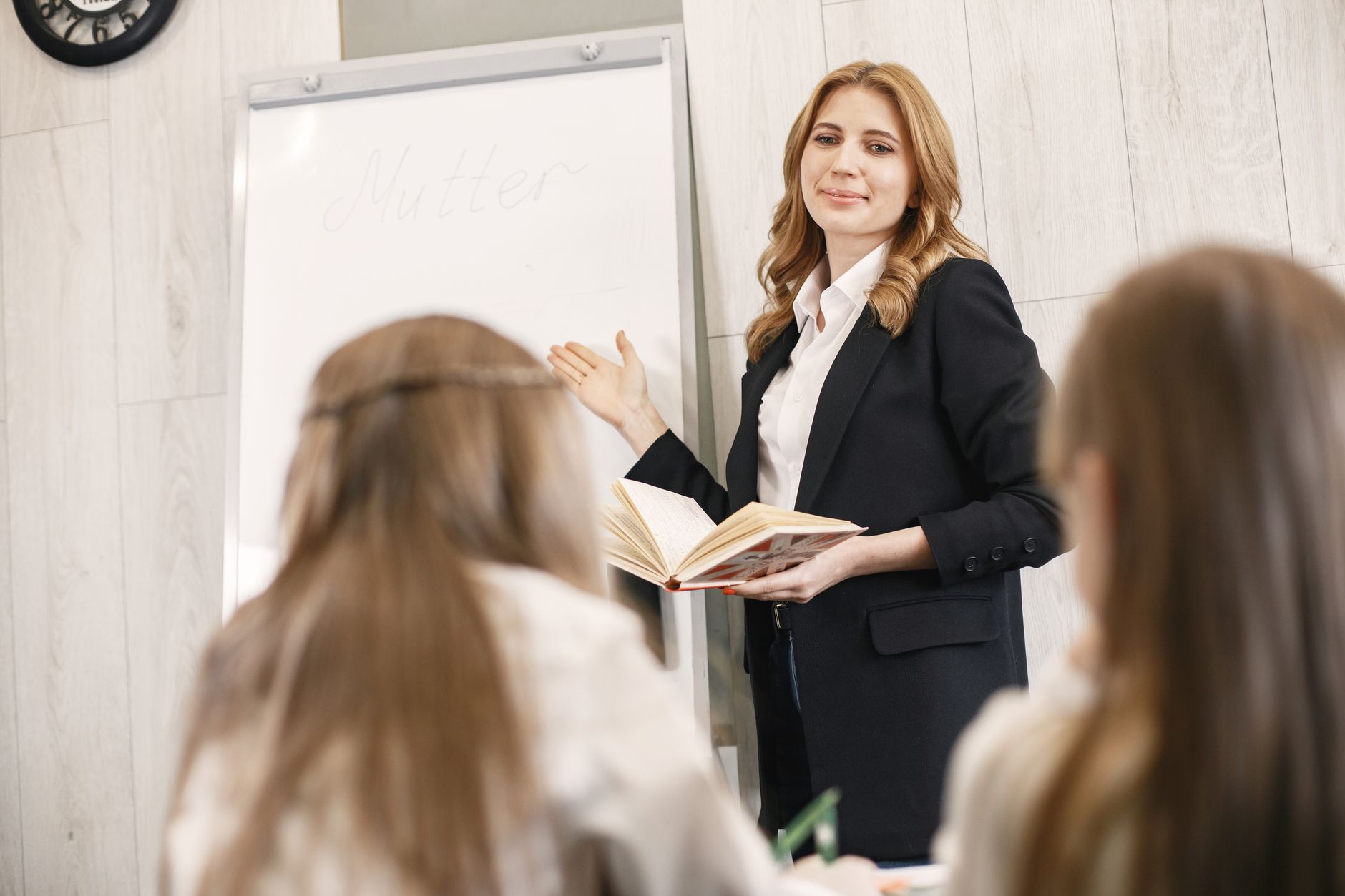
Why Do Piaget And Vygotsky Differ?
Piaget and Vygotsky differ because Piaget treats cognitive growth as a child-led process with stages, while Vygotsky treats it as a social process shaped by language, adults, and culture across daily interactions. That split shows up fast in a classroom with 20 students and 1 teacher.
Piaget argued that children move through 4 broad stages in a set order: sensorimotor, preoperational, concrete operational, and formal operational. He tied each stage to readiness. A 6-year-old and a 14-year-old do not think the same way, and Piaget thought that difference matters more than drill. His view makes discovery learning sound natural, almost stubbornly so. Kids learn by acting on the world, testing ideas, and getting surprised.
Vygotsky took a sharper social turn. He said a child’s thinking grows first in conversation, then inside the child’s own mind. That makes language do heavy work. A hint from a teacher, a question from a classmate, or a guided explanation can move learning forward in a way solo trial-and-error cannot. His famous idea of the zone of proximal development puts a hard limit on “independent performance” and a bigger role on support.
The catch: Piaget can make teachers wait too long for readiness, while Vygotsky can make them over-help if they never step back. That tension matters in real classes, especially in early grades and first-year college courses like psychology 120 educational psychology, where students often need both room to think and enough structure to stay on track.
I think that tension is the whole story. Piaget gives teachers patience. Vygotsky gives them timing. A class that ignores either one usually swings too far, either into hands-off guessing or into over-coached compliance.
The classroom question never stays abstract for long. If a 9-year-old misses a conservation task, Piaget says the child may not be ready for that kind of logic yet. Vygotsky says the child may need a model, a prompt, or a peer partner before the idea clicks. That is not a small difference. It changes what a teacher does at 9:10 a.m.
Which Ideas Do Piaget And Vygotsky Share?
Both theories reject the idea that children learn best by memorizing 30 facts and repeating them back. They also agree that thinking changes with age, even though they explain that change in very different ways.
- Both see children as active learners, not empty containers. A child builds meaning through action, talk, and practice.
- Both reject pure memorization. Piaget and Vygotsky want students to think, test, and connect ideas.
- Both tie intelligence to development, not fixed talent. That matters in educational psychology and in any 15-week semester course.
- Both respect mistakes as part of growth. A wrong answer can reveal the next step.
- Both influence classroom design in 2026. Teachers still use hands-on tasks, peer talk, and guided questioning because both theorists support those methods.
- Both fit college study too. In a psychology class, students often learn faster when they explain ideas out loud, not when they only reread notes.
- Both leave room for structure. Even Piaget, who loved discovery, never meant chaos.
What this means: The overlap matters because it stops students from turning the debate into a fake either-or choice. A teacher can use discovery learning and still use social support in the same 50-minute lesson.
That mix works well in Introduction to Psychology and in lab-style classes where students need both independent thought and group discussion. I like this part of the theory pair because it matches real classrooms, not just neat textbook boxes.
Learn Educational Psychology Online for College Credit
This is one topic inside the full Educational Psychology course on UPI Study — a self-paced, online class that earns real college credit. Credits are ACE and NCCRS evaluated and transfer to partner colleges across the US and Canada. Courses start at $250 with no deadlines and lifetime access.
Explore on UPI Study →How Do Piaget And Vygotsky Explain Learning?
This comparison gets easier once you line up the main ideas side by side. Students usually trip over the same 6 things: stages, discovery learning, language, social interaction, adult guidance, and the teacher’s role. That matters in psychology 120 educational psychology because exam questions often hide the difference inside one short scenario.
| Thing | Piaget | Vygotsky |
|---|---|---|
| Stages | 4 stages | No fixed stages |
| Learning driver | Discovery, 1 child at a time | Social talk, 2+ people |
| Language | Follows thought | Shapes thought |
| Adult role | Watch readiness | Give scaffolding |
| Teacher role | Set tasks, let students explore | Model, hint, guide |
| Classroom feel | Hands-on, independent | Collaborative, guided |
Bottom line: Piaget asks what the child can do alone. Vygotsky asks what the child can do with help, and that one shift changes how teachers plan lessons, group work, and feedback.
If you want a study track that lines up with this kind of comparison, Educational Psychology gives you a clean place to practice the concepts without drowning in fluff.
How Do Their Theories Shape Classroom Teaching?
Piaget-inspired teaching gives students objects, problems, and time. Vygotsky-inspired teaching gives students hints, talk, and a teacher who knows when to step in and when to stop. That difference shows up in ordinary lessons, not just theory notes from 1916 or 1978.
A Piaget-style lesson might ask 8-year-olds to sort blocks by size, color, and shape, then explain their own rule. The teacher watches for stage fit and readiness. A Vygotsky-style lesson might ask the same group to solve the task with a peer first, then use teacher prompts like “What changed?” or “Try another rule.” Same materials. Different engine.
Reality check: In a Psychology 120 educational psychology course, students often study this with one concrete scene: a child sorts 12 blocks alone under Piaget, then solves the same problem after 3 teacher hints under Vygotsky. That contrast sticks because it shows how support changes performance right away.
Teachers use Piaget when they want students to discover patterns from direct action. They use Vygotsky when they want students to move through a task with scaffolding, peer talk, or a quick model. I think Vygotsky often wins in real classrooms because most learners do better with a nudge than with silence, but Piaget still matters when a child needs space to think without getting crowded.
A strong classroom usually blends both. A teacher might start with a hands-on task, then add guided questions, then pull back. In a 45-minute lesson, that mix can work better than pure lecture or pure free play.
That blend also shows up in Educational Psychology online, where students can watch how one theory fits a quiet independent task and the other fits a guided group task. Research Methods in Psychology also helps here because it trains you to compare claims instead of just memorizing names.
What Should Students Remember For Exams?
Students usually lose points on Piaget and Vygotsky because they remember the names but miss the logic. On a 50-question exam, that turns one simple mix-up into 2 or 3 lost items fast. The safest way to study is to memorize the core contrast, then attach one classroom example to each theory. That works in psychology 120 educational psychology, in an online course, and in any class that awards transferable credit.
- Piaget = stages, readiness, discovery.
- Vygotsky = language, social interaction, scaffolding.
- Both = active learners, not passive note-takers.
- Trap: Piaget does not deny learning from others; he just gives the child’s own thinking more weight.
- Trap: Vygotsky does not ignore the child; he says social help shapes growth.
- Quick line: “Piaget and Vygotsky are two giants with one goal — explain how children think, but they disagree on whether thinking starts inside the child or between people.”
Worth knowing: Exam writers love short scenarios. If the question mentions stages and solo discovery, think Piaget. If it mentions hints, dialogue, or peer help, think Vygotsky.
That one-sentence rule saves time because most test items give you 20-30 seconds, not a full minute, to spot the clue.
If you study online, use one note card for each name and one for each classroom cue. That small habit beats rereading a 12-page chapter the night before the test.
Frequently Asked Questions about Piaget And Vygotsky
You can explain child learning in the wrong way, because Piaget centers 4 stages and independent discovery, while Vygotsky centers social help, language, and the Zone of Proximal Development. That mistake shows up fast in psychology 120 educational psychology discussions and lesson plans.
Piaget says children build thinking through stages and hands-on discovery, while Vygotsky says children learn through talk, guidance, and social interaction. In a psychology 120 educational psychology course, that split usually drives the whole unit.
The most common wrong assumption is that both theories say the same thing about learning, when Piaget focuses on self-discovery and Vygotsky focuses on guided learning with other people. Both care about cognitive growth, but they get there in different ways.
Start by listing two columns: Piaget and Vygotsky, then write 4 items under each one for stages, language, social interaction, and the teacher’s role. That 2-column chart works well for notes, essays, and an online course quiz.
They both see children as active learners, but Piaget says thinking grows through fixed stages and Vygotsky says learning grows through social contact and language. The caveat is that Piaget puts more weight on individual discovery, while Vygotsky gives the teacher and peers a bigger role.
What surprises most students is that Vygotsky treats language as a tool for thinking, not just a way to talk about ideas. He also gives the Zone of Proximal Development a central role, which is the gap between what you can do alone and what you can do with help.
Most students memorize stage names or key words, but what actually works is matching each theory to a classroom move. Piaget fits discovery learning and problem solving, while Vygotsky fits scaffolding, group talk, and guided practice in a college credit psychology class.
This applies to students in psychology, teacher education, and child development, especially in a psychology 120 educational psychology course. It doesn't apply if your class only wants one theory named, because then you just need the basic split between stages and social learning.
Piaget says cognitive development moves through 4 stages: sensorimotor, preoperational, concrete operational, and formal operational. He thinks you learn best by exploring, making mistakes, and building ideas on your own through active discovery.
Vygotsky says cognitive development grows through social interaction, language, and guided help from someone more skilled. His Zone of Proximal Development shows what you can learn with support before you can do it alone.
Yes, if you study online through a provider that lists ACE or NCCRS credit, you can earn transferable credit for a psychology course. That setup often helps students who want college credit without sitting in a 15-week campus class.
Piaget fits a science lab where you test ideas yourself, while Vygotsky fits a reading group where the teacher models, prompts, and talks through answers with you. In both cases, you learn, but the path changes.
Final Thoughts on Piaget And Vygotsky
Piaget and Vygotsky answer the same big question from different sides. Piaget says children build thinking through stages, action, and discovery. Vygotsky says children build thinking through language, help, and social life. This is why teachers still study both in 2026. The overlap matters as much as the split. Both theorists treat children as active minds. Both reject dead memorizing. Both push teachers to think about how learning grows over time, not just whether a student got the right answer on one quiz. Students usually remember them best through one clean test image. Piaget looks like a child solving alone. Vygotsky looks like a child solving with a hint, a peer, or a teacher beside them. That picture sticks because it matches real classrooms, from elementary rooms with blocks to college seminars with discussion and guided practice. If you need a fast way to study the difference, write one sentence for each thinker and one classroom example for each. Then use them in practice questions until the contrast feels automatic.
How UPI Study credits actually work
Ready to Earn College Credit?
ACE & NCCRS approved · Self-paced · Transfer to colleges · $250/course or $99/month