
Personality in psychology means the fairly steady patterns of thoughts, feelings, and behaviors that make one person act like themselves across many situations. It is not a single mood, and it is not a neat label you slap on someone after one test. It is the pattern that shows up over time. That idea matters because people often mix up personality with a passing emotion. A student who looks shy in a 10-minute class discussion might still be outgoing with friends, and a person who feels angry on one bad Monday does not suddenly have an angry personality. Psychologists care about the longer pattern, not the one-off moment. In a psychology 110 introduction to psychology course, personality helps students answer a basic question: why do people stay somewhat consistent, yet still act differently from each other? The answer sits in traits, learning, family life, culture, and life events. That mix explains why two people can face the same 1 exam, the same breakup, or the same job interview and react in very different ways. Students also need to know that personality does not predict every action with 100% accuracy. It gives odds, not scripts. That makes it useful, but also messy. Psychology likes messy things when they reveal real human patterns.
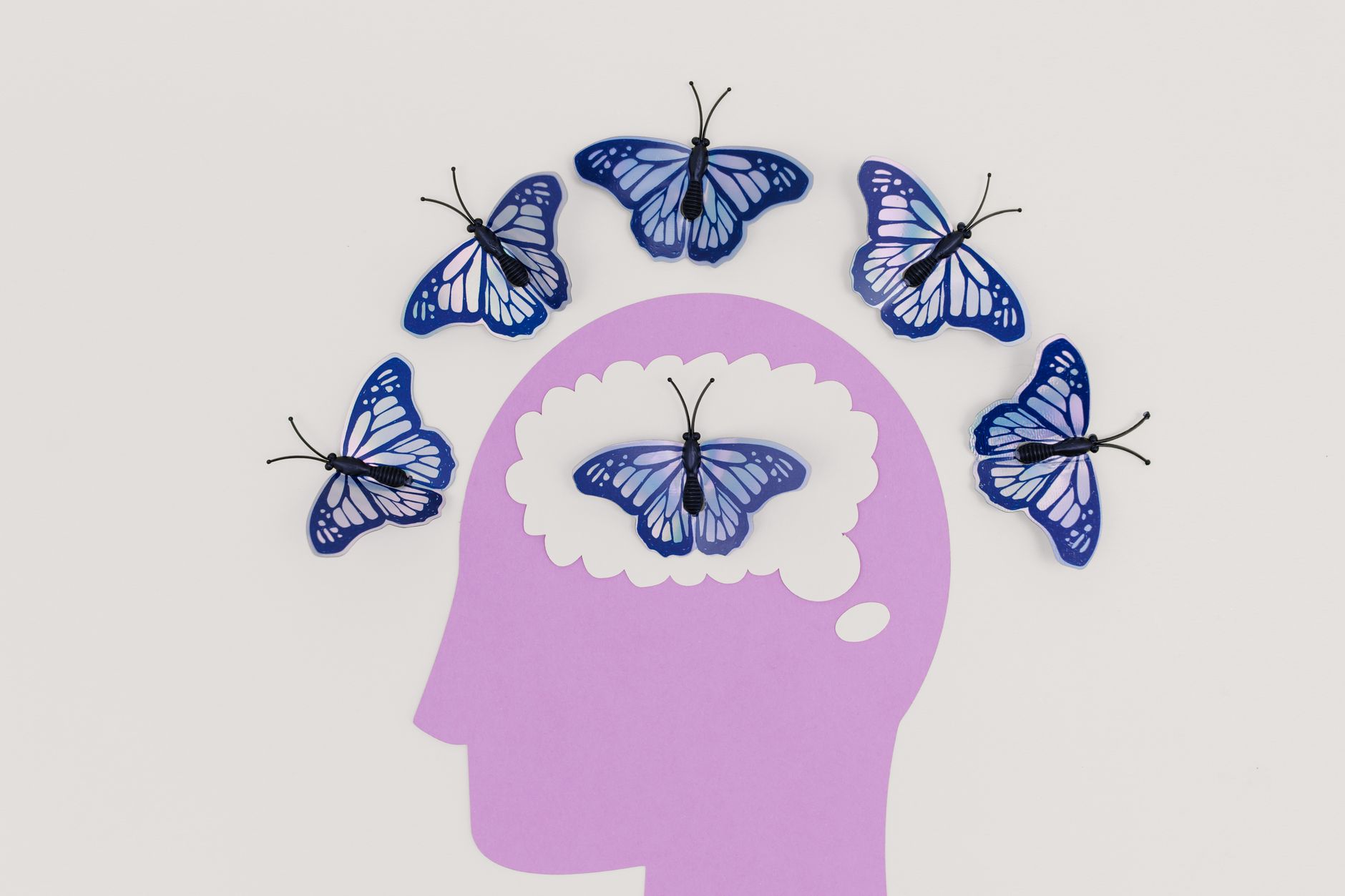
What Is Personality in Psychology?
Personality in psychology is the relatively enduring pattern of thoughts, feelings, and behaviors that stays fairly stable from one situation to the next and still leaves room for individual differences. That 2-part idea matters: you look for consistency, and you also look for what makes one person distinct from another.
A calm student in a 9 a.m. class, a blunt coworker at 3 p.m., or a careful friend during a group project may all show the same trait in different settings. Psychologists do not treat personality as a single score or a 1-word label. They study patterns across time, often over months or years, because a snapshot can fool you.
That is why personality sits at the center of introductory psychology. It helps explain why two people can hear the same feedback from a professor, get the same 82% on a quiz, and respond in opposite ways. One may shrug it off. Another may replay it all night. The difference does not come from the quiz alone; it comes from stable ways of reacting.
A lot of students ask, “what is personality of personality and” mean, and the honest answer is that the field cares about the structure behind behavior, not just the behavior itself. In a psychology 110 introduction to psychology course, that means learning how traits, motives, and emotions work together instead of treating personality like a horoscope. Horoscopes give a neat story. Psychology gives a harder one, but it fits real people better.
Reality check: Personality also does not sit still all the time. A person may look more social at age 19 than at age 13, or less impulsive after 2 years of work experience. Stability exists, but so does change, and that tension makes the topic interesting rather than tidy.
Researchers often use trait language such as extraversion, agreeableness, conscientiousness, and neuroticism because those terms help describe broad patterns across thousands of observations. The Big Five model shows up in many textbooks because it gives students a practical map, even if it cannot explain every messy detail of a real human life.
The limitation is obvious if you watch people for even 15 minutes: context changes behavior fast. Still, personality gives psychology a real way to talk about consistency without pretending people stay frozen.
What Common Misconception About Personality?
The most common student mistake is treating personality like a fixed label, a 1-time test result, or the same thing as a mood. That mistake sounds small, but it wrecks the whole topic because personality psychology studies stable tendencies over time, not a person’s whole destiny.
A student might see “introvert” on a quiz and think that word explains every 2024 social choice that person makes. It does not. Someone can feel quiet in a 200-person lecture, talk nonstop with close friends, and still score high on introversion. The trait describes a pattern, not a prison cell.
What this means: A personality test does not hand you a permanent label at age 18 or 28. It gives a rough picture of traits at that moment, and even a strong trait profile can shift with a new school, a first job, grief, or 3 years of practice.
Psychologists also do not confuse mood with personality. Mood changes fast. A person can feel annoyed after one bad email at 8:15 a.m. and cheerful by lunch. Personality asks a different question: what happens across many days, many people, and many situations?
That difference matters in an online course or a face-to-face class because students often want a clean answer. Psychology rarely gives one. A person who seems “lazy” may actually score low on conscientiousness, but they may also be exhausted, undertrained, or reacting to a bad environment. The field likes evidence more than labels.
The downside of the label habit is that it makes people sound simpler than they are. That is bad psychology and bad judgment. A real personality profile has 5 dimensions, not 1 cartoon word, and it usually changes shape as people grow.
Which Factors Shape Personality Development?
Personality develops through a mix of biology, experience, and social context, and modern psychology usually rejects the old 1-cause argument. Genes matter, family matters, culture matters, and life events matter too. No single factor explains a whole person, which is annoying if you want a neat answer but useful if you want a true one. In a psychology 110 introduction to psychology course, this topic usually appears right after trait theory because students need to see that traits come from both nature and nurture over 18 years or more.
The catch: Temperament often shows up early in life, sometimes before age 2, and it gives a first clue about later personality. But early tendencies do not lock in the final outcome.
- Genetics and temperament shape early tendencies, often before age 2.
- Family life teaches habits through modeling, praise, and punishment across 12+ years.
- Peers and culture shape what feels normal, acceptable, or rewarded.
- Learning and reinforcement change behavior fast, sometimes within 1 semester.
- Major life events, like loss or relocation, can shift traits over time.
The family piece matters because children copy what they see more than what they hear. A home with strict routines, warm support, or constant chaos can push different habits for 10 or 15 years. Culture adds another layer by rewarding some traits and calming others. In one country, direct speech looks confident; in another, it looks rude.
A college-level Introduction to Psychology course often puts this topic beside research on twins, adoption, and long-term behavior. That pairing helps students see why psychologists talk about both inherited tendencies and lived experience.
The limitation here is simple: you cannot point to one childhood event and call it the cause of an adult personality. People change through repeated patterns, not magic moments.
Learn Introduction To Psychology Online for College Credit
This is one topic inside the full Introduction To Psychology course on UPI Study — a self-paced, online class that earns real college credit. Credits are ACE and NCCRS evaluated and transfer to partner colleges across the US and Canada. Courses start at $250 with no deadlines and lifetime access.
Explore on UPI Study →Why Do Psychologists Study Personality?
Psychologists study personality to describe patterns, explain differences, predict likely behavior, and understand adjustment and well-being. That sounds academic, but it shows up in schools, workplaces, relationships, and mental health every day. A teacher wants to know why 2 students react so differently to the same deadline. A manager wants to know who handles stress well. A clinician wants to know what habits may support or hurt recovery.
Personality matters in introductory psychology because it pulls together many core ideas from the course: traits, learning, social influence, and emotion. It also gives students a clean way to connect theory to real life without pretending people fit into 1 mold. The field does not ask, “Who is good?” It asks, “What patterns show up, and when do they matter?”
Bottom line: Personality study helps people sort out consistency from noise, and that matters more than it sounds. A student who scores high on conscientiousness may turn in work on time 8 out of 10 times, not 10 out of 10, but that still tells you something useful.
Researchers also study personality because it links to mental health and adjustment. High neuroticism often connects with more distress, while high conscientiousness often connects with steadier school and work habits. Those links do not write a person’s fate, but they do help explain risk and resilience.
A psychology 110 introduction to psychology course usually treats personality as a bridge topic. It sits between theory and daily life. That makes it one of the few ideas students keep using long after the test, which is more than you can say for some textbook terms.
The downside is that personality can tempt people into overreading others. A trait score helps, but it never replaces a real conversation, a history, or a context.
How Well Does Personality Predict Behavior?
Personality predicts tendencies better than exact acts, and that gap matters. A trait can raise the odds of behavior without forcing it, which is why psychologists use patterns across 5 traits and not single moments to judge prediction.
- Traits predict what people usually do, not what they must do in 1 moment.
- Strong situations, like a fire drill or a final exam, can override traits fast.
- Prediction improves when the setting stays similar across 2 or more situations.
- Conscientiousness often predicts school habits, but it does not guarantee an A.
- Extraversion often predicts social activity, yet a quiet room can pull anyone inward.
- Behavior is best predicted by combining personality with context, history, and current demands.
The limit is plain: a trait like agreeableness cannot tell you exactly what someone will say at 4:07 p.m. in a tense meeting. It can tell you what kind of response they lean toward over time.
A Psychology of Personality course usually hammers this point because students love certainty and personality refuses to give it. That is the honest part of the science.
Worth knowing: Strong situations shrink personality effects, and weak situations let traits show more clearly. A casual dinner at 7 p.m. reveals more than a strict courtroom or a timed exam.
Students should leave this topic with a realistic view: personality helps explain behavior, but it never reads minds, and it never predicts 100% of actions.
What Should Students Know About Personality?
Students in a psychology 110 introduction to psychology course should know that personality is a scientific idea, not a folk guess with fancier words. Psychologists build the concept from observation, testing, and theory, and they use it to organize behavior across 5 broad trait areas, not just to describe someone as “nice” or “weird.”
That matters for college credit, transferable credit, and ace nccrs credit because students need to explain more than a definition. They should be able to name major influences, describe the Big Five in basic terms, and explain why prediction stays partial. If you can do that in 1 clear paragraph, you understand the topic well enough for an intro course.
A lot of learners overfocus on labels and miss the bigger point. Personality gives psychology a way to compare people without flattening them. It helps explain why the same 80-minute class, the same 3-page paper, or the same group project can bring out different patterns in different people.
The limitation stays the same across every textbook: personality is useful, but it does not tell the whole story by itself. Situation, history, and current stress still matter. That is why the topic stays in the course year after year; it sits right where structure meets real life.
Frequently Asked Questions about Personality Psychology
Three broad parts usually shape personality in psychology: thoughts, feelings, and behaviors. Psychologists also look at stable traits like the Big Five — openness, conscientiousness, extraversion, agreeableness, and neuroticism — because those patterns help explain why you act the way you do across time and settings.
This applies to anyone in intro psychology, including students in a psychology 110 introduction to psychology course, and it doesn't apply to people who think personality means one fixed label like "shy" or "nice." Personality covers patterns that stay fairly steady, but they still shift across jobs, families, and stress levels.
What surprises most students is that personality predicts behavior only in a limited way, not with perfect accuracy. A trait like extraversion can point toward social behavior, but a 2023 class discussion, a job interview, or 2 hours of sleep can change what you do that day.
Start by separating traits from states. Traits last across time, while states change fast, like feeling nervous before a test or calm during a 10-minute break, and that split helps you read personality in a cleaner way.
The most common wrong assumption is that personality never changes after age 18. Research in psychology shows that people can shift over years because of work, relationships, culture, and major life events, so your traits can stay stable without staying frozen.
Personality in psychology includes traits, motives, emotions, and habits, not just traits. The caveat is that psychologists still look for patterns across many situations, so one mood on one day doesn't tell the full story.
Most students memorize trait names for a quiz, but what actually works in psychology 110 introduction to psychology course is linking each trait to a real behavior, like punctuality, risk-taking, or teamwork. That habit helps when you need college credit from an online course with ace nccrs credit and transferable credit.
If you get personality wrong, you end up treating a short-term mood like a lasting trait, and that can wreck your answer on a test or essay. You might also overpredict behavior, which psychology never does with 100% certainty.
Psychologists study personality because it helps them explain consistent behavior, compare people fairly, and predict broad patterns like academic habits, job fit, and stress response. They also use it in assessment, counseling, and research, where the Big Five model gives a common language across studies.
The phrase "what is personality of personality and" usually shows up when students are trying to restate the same idea in simpler words: personality means the stable pattern of thoughts, feelings, and actions that makes you recognizable across time. In a college credit setting, that definition helps you answer short essays without drifting into slang or opinion.
Final Thoughts on Personality Psychology
Personality in psychology gives students a way to explain why people stay recognizable over time without pretending people never change. That balance is the whole subject. You look for stable patterns, but you also watch how age, context, culture, and life events shift those patterns across 1 year or 10. The best student takeaway is not a label. It is a method of thinking. Personality helps you compare tendencies, separate mood from trait, and understand why prediction works in some settings and falls apart in others. That is why psychologists keep studying it in labs, classrooms, and applied settings like schools and mental health care. A strong intro-psych answer should sound clear and grounded. Personality means enduring patterns of thought, feeling, and behavior. Major influences include genes, family, peers, culture, learning, and life events. Prediction works, but it works best as a probability, not a promise. If you can say that without drifting into stereotypes, you already understand the topic better than most test-takers. Use that clarity when you review your notes, answer practice questions, or write a short response for class.
How UPI Study credits actually work
Ready to Earn College Credit?
ACE & NCCRS approved · Self-paced · Transfer to colleges · $250/course or $99/month