
Sexism refers to beliefs, attitudes, or assumptions about people based on gender. Gender discrimination involves actions, rules, or policies that treat people unfairly because of gender. Psychology treats both as more than bad manners. It looks at how a person thinks, how a group acts, and how institutions build unfair outcomes into normal routines. That split matters in real life. A teacher who expects boys to dominate class discussion shows bias. A company that pays women less for the same job shows discrimination. A friend who says a girl should not take engineering shows everyday sexism. These are related, but they do different damage. Students often meet this topic in psychology 112 psychology of diversity, where the point is not just to define terms. The real task is to spot the pattern: who has power, who gets blocked, and who pays the cost in stress, lost chances, or pressure to hide part of themselves. A 2023 campus survey, a 2018 court case, or a 5-minute classroom clip can all show the same thing if you know what to look for. This topic also shows up in job plans. A future nurse, a law student, or someone heading into business will all run into gendered expectations somewhere. The language sounds abstract, but the effects hit access, identity, and well-being in very concrete ways. That is why this topic stays useful long after the exam ends.
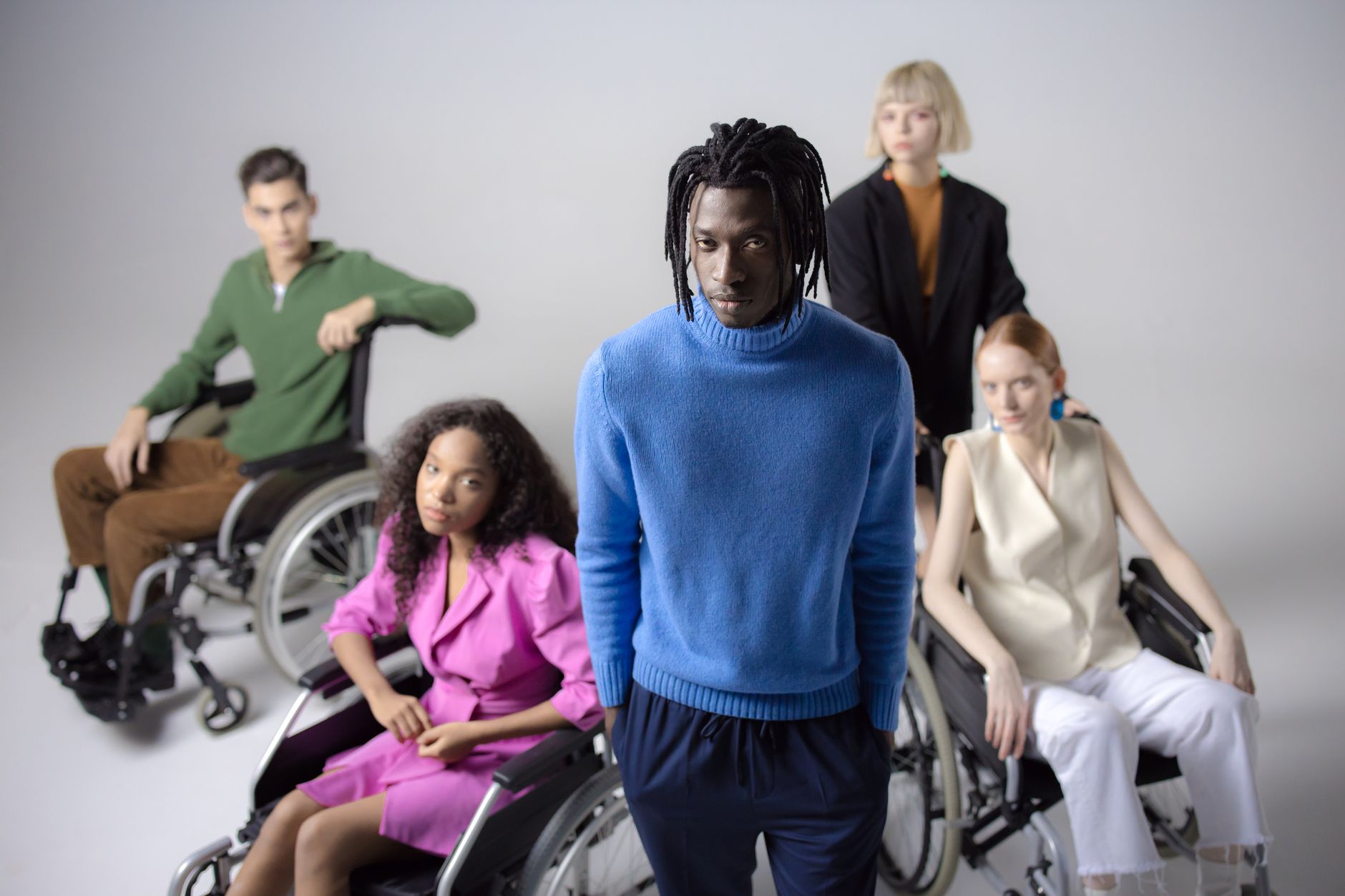
What Are Sexism and Gender Discrimination?
Sexism is a belief system that assigns value, ability, or behavior based on gender, and gender discrimination is the action that turns that belief into unequal treatment. In psychology, that difference matters because a thought in one person’s head can spread into 1 classroom rule, 1 hiring choice, or 1 family norm.
A student might hear, "Boys are better at math" or "Girls are supposed to be gentle." Those are sexist assumptions. They do not stay harmless just because someone calls them opinions. In a 2024 lecture, a professor might use that idea to call on men more often in a debate section, or a coach might steer girls toward support roles in a 30-person team. The behavior looks small. The pattern does not.
Gender discrimination goes one step further. It shows up when a school bars pregnant students from a program, a hospital dismisses pain reports from women faster than men, or a company pays one group less for the same 40-hour job. Psychology studies these acts because they affect how people think about themselves and how groups decide who belongs. A person can absorb 20 years of messages without noticing how normal they sound.
Reality check: Sexism does not always shout. It often hides in everyday talk, in dress codes, in "jokes," and in who gets interrupted 3 times before finishing a sentence.
The cleanest way to think about it is this: sexism lives in beliefs and assumptions, while discrimination lives in behavior and policy. That line sounds neat on paper. Real life gets messy fast, because one biased comment can shape a rule, and one rule can teach a whole group what counts as "normal." In psychology 112 psychology of diversity, that mess is the point. Students learn to trace the path from idea to action to harm. If you want a course example, the topic connects well with Psychology of Diversity and with basic social psychology because both show how group norms start to feel invisible.
How Do Sexism and Gender Discrimination Differ?
The difference is simple once you separate belief from action. Bias sits in a person’s head, discrimination shows up in rules or outcomes, and everyday sexism sits in casual talk or behavior. That matters in psychology 112, because students need to name the level of harm before they can analyze a case well.
The catch: The same woman can face all 3 at once: one rude comment, one unfair policy, and one culture that treats both as normal.
Learn Psychology Of Diversity Online for College Credit
This is one topic inside the full Psychology Of Diversity course on UPI Study — a self-paced, online class that earns real college credit. Credits are ACE and NCCRS evaluated and transfer to partner colleges across the US and Canada. Courses start at $250 with no deadlines and lifetime access.
Explore Psychology Of Diversity →Which Contexts Show Gender Discrimination Most?
You can spot gender discrimination in at least 7 places students already know well: classrooms, workplaces, healthcare, media, sports, relationships, and online spaces. The pattern changes by setting, but the unfair logic stays familiar.
- Classrooms often reward one gender for speaking up and another for staying polite. A 50-minute class can show this fast.
- Workplaces show pay gaps, promotion gaps, and job sorting. A 2023 report from the U.S. Bureau of Labor Statistics still tracked different earnings by gender.
- Healthcare can miss pain, delay care, or treat symptoms as emotional. That bias can affect diagnosis in under 10 minutes.
- Media repeats narrow gender scripts. A 30-second ad can teach who should lead, care, or obey.
- Sports often separate access, funding, and visibility. Title IX changed U.S. school sports in 1972, but unequal coverage still hangs around.
- Relationships can hide control inside jokes, rules, or pressure. "Who pays?" or "Who decides?" can reveal a lot in 1 conversation.
- Online spaces spread harassment fast. One post can pull 100 comments, and the pile-on often targets gender first.
Worth knowing: The setting changes the form, not the pattern. A hospital, a locker room, and a group chat can all run the same old script.
Students in a Psychology of Diversity class usually do better when they name the context first, then the harm. That keeps the analysis grounded.
Why Do These Experiences Affect Well-Being?
Sexism and gender discrimination affect well-being because they hit both the mind and the body. A person who gets dismissed, mocked, or blocked 10 times a month does not just feel annoyed. They may start watching every room, every tone, and every pause for signs of the next hit.
That constant alert state raises stress. It can also chip away at identity, because people begin to ask whether they really belong in a 4-year degree program, a lab, a clinic, or a leadership role. In psychology, that pressure links to stereotype threat, lower self-esteem, burnout, and worse performance. A student who knows people expect less from her in math may spend half the exam fighting the stereotype instead of solving the problem.
Research on discrimination and health keeps finding the same ugly pattern: repeated unfair treatment predicts worse anxiety, poorer sleep, and more emotional exhaustion. The exact numbers change by study, but the direction stays stubborn. In a 2022 university survey, students who reported frequent bias also reported less sense of belonging and more academic strain. That fits what people say in real life too. They get tired of proving they belong.
Bottom line: The damage builds when the message comes 1 time, then 5 times, then 50 times. Small slights stack up like weight.
This is why the topic belongs in diversity courses, social psychology, and any Introduction to Psychology class that talks about stress and identity. The issue is not just hurt feelings. It changes access to opportunities, willingness to speak, and the odds that someone stays in the room long enough to succeed. That last part matters more than most students expect.
How Can Students Analyze Sexism in Real Life?
A strong analysis starts with 4 questions: who has power, what rule or norm is operating, whether the harm is personal or structural, and what changes for access or well-being. That framework helps students move past gut reaction and into evidence-based thinking, which is exactly what psychology 112 and class case studies ask for. A 15-minute discussion can cover an offhand joke, but a good paper should show how 1 comment, 1 policy, and 1 outcome fit together.
- Who has the power here? Look for 1 person, 1 group, or 1 rule with more control.
- What norm runs the scene? A dress code, a promotion rule, or a peer joke can drive the harm.
- Is the damage individual or structural? A slur and a pay policy work differently.
- What changes in access? Watch for lost interviews, lost credit, or lost voice.
- What changes in well-being? Track stress, shame, silence, or 1 clear drop in performance.
What this means: A student who names the level of harm will write a better essay than one who just says "that felt unfair."
If you need a clean practice move, try this: write 1 sentence for bias, 1 for discrimination, and 1 for impact. Then test whether the evidence fits all 3. That habit works in class talks, short papers, and real case notes.
Frequently Asked Questions about Sexism and Gender Discrimination
Start by spotting a pattern: sexism means attitudes or beliefs that judge people by gender, and gender discrimination means actions or rules that treat someone worse because of gender. In psychology, you look at both the thought and the behavior, from a rude comment to a hiring rule.
If you mix them up, you can miss whether the problem sits in one person’s bias, a workplace rule, or a school policy. That matters because psychology treats a 1-time insult, a 6-month pay gap, and a hiring test that screens out women as different problems.
The most common wrong assumption is that sexism only means obvious hate, but psychology also counts subtle bias, jokes, and lower expectations. A teacher who calls on boys 20 times in class and girls 5 times can shape confidence just as much as a direct insult.
This applies to anyone treated differently because of gender, including women, men, and nonbinary people; it doesn’t apply to criticism based on skill, attendance, or behavior. A grading choice based on test scores is not discrimination, but a promotion rule that favors one gender can be.
Sexism and gender discrimination differences contexts and impact come down to belief versus action, and psychology studies both at 3 levels: individual bias, institutional practice, and everyday interaction. Individual bias lives in thoughts, institutional practice shows up in rules, and daily interaction shows up in comments, jokes, or exclusion.
Most students memorize the definition and stop there, but the better move is to name the setting, the rule, and the effect on access or stress. In a psychology 112 psychology of diversity course, you’ll score better when you connect sexism to school, work, health care, or family life.
What surprises most students is that sexism often looks normal at first, like who gets interrupted in meetings or who gets encouraged to lead. Small patterns matter, because repeated slights can raise stress, hurt identity, and lower well-being over 10 weeks or 10 years.
Stress can jump fast, and even one sexist event can stay with you for hours or days, especially if it repeats at work, school, or home. Research in psychology links ongoing discrimination with anxiety, lower self-esteem, and sleep problems, which makes daily life harder.
In schools and colleges, sexism and gender discrimination show up in grading bias, unequal speaking time, locker room rules, and who gets pushed toward STEM or care jobs. A class can look fair on paper and still send different messages to girls, boys, and nonbinary students.
Everyday interactions show sexism when people interrupt, talk over, sexualize, or dismiss someone because of gender, even without a written rule. A 30-second joke, a team chat, or a hallway comment can shape who feels safe speaking up.
Yes, you can earn college credit from a psychology 112 psychology of diversity online course when it carries ace nccrs credit and transferable credit through a cooperating school. That setup lets you study online, finish coursework on your schedule, and use the credit in a degree plan.
Sexism is the belief; gender discrimination is the action. If someone says women are worse leaders, that’s sexism, and if that belief leads to paying a woman 15% less or denying her a role, that’s discrimination.
Final Thoughts on Sexism and Gender Discrimination
Sexism and gender discrimination matter because they shape who gets heard, who gets picked, and who gets pushed aside. Psychology gives students a useful split: sexism describes the belief, while discrimination describes the action. That difference helps you read a classroom scene, a hiring rule, a clinic visit, or a social media pile-on without guessing. The best analyses do not stop at "this was rude." They ask what pattern sits underneath the rude moment. Did one person show bias? Did a policy block access? Did a whole group learn to treat unfairness as normal? Those questions make your thinking sharper, and they also make your examples stronger in essays, discussions, and exams. Students often spot the obvious cases first. A sexist joke. A pay gap. A teacher who calls on boys more. The harder skill comes next: tracing how those moments affect identity, stress, confidence, and long-term chance. That is the part that turns a definition into real understanding. If you keep one habit, keep this one: name the belief, name the behavior, name the harm. Then back it up with the setting. That simple structure works in class and in life, and it gives you a better shot at seeing the pattern before it gets normalized.
How UPI Study credits actually work
Ready to Earn College Credit?
ACE & NCCRS approved · Self-paced · Transfer to colleges · $250/course or $99/month