
Sexual behavior in psychology means the actions, thoughts, feelings, and motives linked to sexuality, and psychologists study it as human behavior, not as a moral scorecard. In a psychology 110 introduction to psychology course, that means looking at what people do, what they think, what they feel, and how context changes both. You do not just study intercourse. You also study attraction, arousal, fantasy, consent, relationship patterns, and the way people understand themselves. That sounds broad because it is broad. Researchers compare biological factors like hormones and puberty, cognitive factors like beliefs and risk judgment, and social factors like family rules, religion, media, and peer pressure. Culture matters too. A student in the United States may learn one script about dating and sex, while a student in Japan, Brazil, or Kenya may learn another. Psychologists do not treat that difference as weird. They treat it as data. This topic also shows up because it helps students see how science handles private parts of life without turning them into gossip. A strong intro psych class uses clear terms, ethics, and research, not shame. That matters when you talk about consent, sexual orientation, and development across the life span. The field asks what patterns exist, why they differ, and how people stay safe while making choices that fit their values.
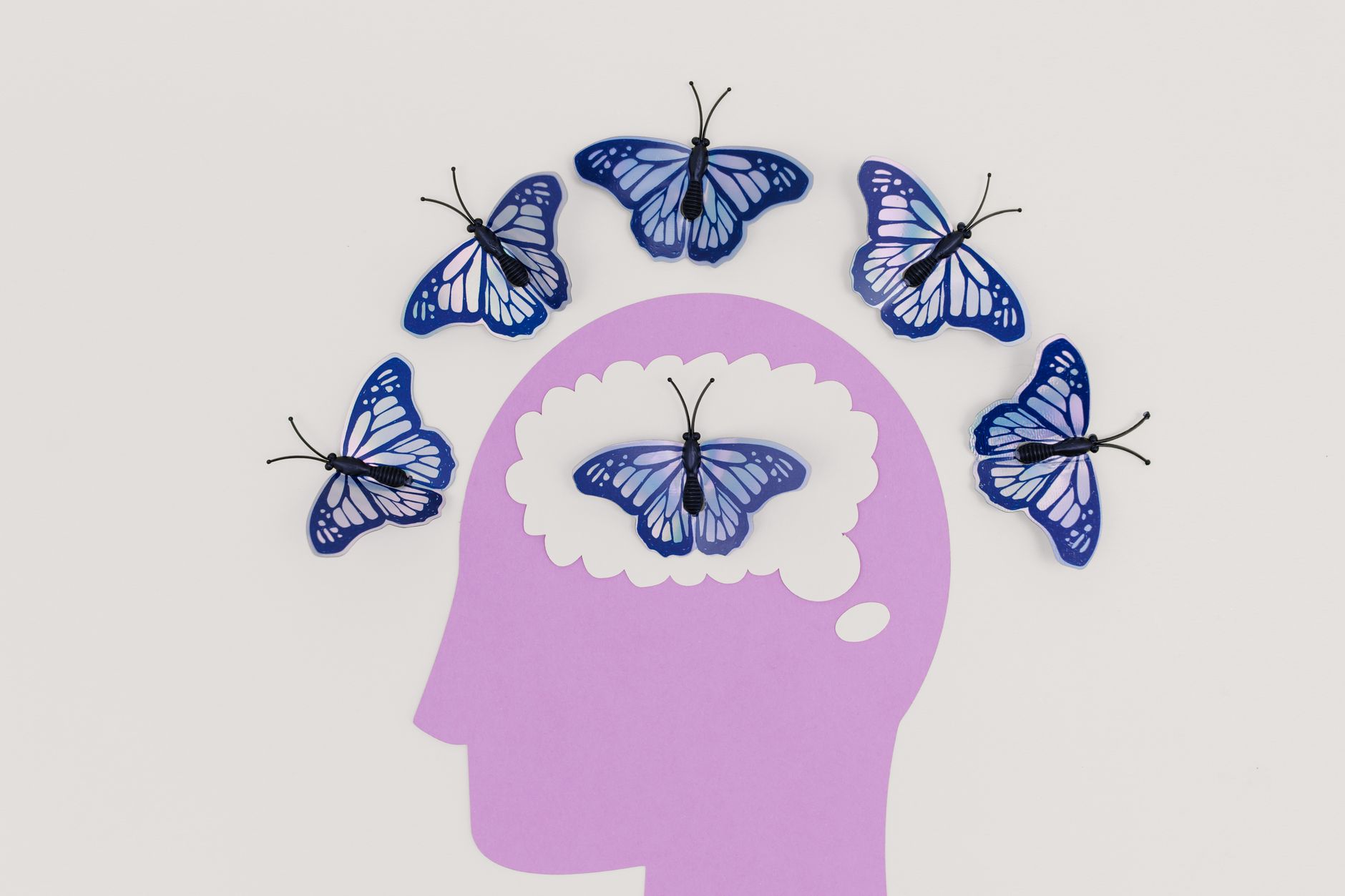
What Does Sexual Behavior Mean in Psychology?
Sexual behavior in psychology includes observable actions, private thoughts, emotional reactions, and motives linked to sexuality, and that makes it wider than just sex acts. In a psychology 110 introduction to psychology course, professors usually treat it as a scientific topic with categories, definitions, and research methods, not as a place for moral judgment or locker-room talk.
The catch: A person can show sexual behavior without fitting one label, and a label does not tell you everything about behavior. Someone may be single, dating, married, or divorced and still show the same patterns of attraction, fantasy, or arousal across a 2024 class discussion or a 2025 lab write-up.
Psychologists separate behavior from identity on purpose. Sexual orientation names a pattern of attraction, while sexual behavior describes what a person actually does or reports doing, which can change across 6 months, 2 years, or a whole adulthood. Identity, behavior, and relationship status overlap sometimes, but they do not lock together like puzzle pieces.
That distinction matters in research. A survey can ask about past 12-month behavior, lifetime partners, or current attraction, and each question gives a different slice of the picture. A student who says they are bisexual does not automatically report the same behavior as a student who has had partners of more than one sex, and psychologists expect that mismatch. Honestly, that mismatch is one of the most interesting parts of the field.
Psychology also studies sexual behavior descriptively. That means researchers ask what people do, what predicts it, and how it changes across age, culture, and situation. They do not need to approve of a behavior to measure it. That scientific distance can feel cold to some people, but it keeps the work clean.
A college class like Introduction to Psychology usually uses this topic to show how one idea can sit in several systems at once: biology, learning, memory, and social rules. If you miss that overlap, you miss the real subject.
How Do Biology and Development Shape Sexual Behavior?
Biology and development shape sexual behavior through hormones, puberty, brain systems, arousal, temperament, and life stage, and psychologists track those shifts from childhood through older adulthood. Puberty often starts between ages 8 and 13 in girls and 9 and 14 in boys, but timing varies, and that variation changes how people think about their bodies and desire.
The brain matters too. Reward circuits, stress systems, and areas linked to self-control help shape attraction and response, which is why a 16-year-old and a 36-year-old can react very differently to the same cue. Reality check: No single hormone tells the whole story, and no single scan explains a person’s choices.
Temperament adds another layer. Some people feel strong novelty seeking or strong inhibition, and those traits can affect how they approach flirting, dating, or sexual risk. A person with high sensation seeking may act faster than someone who worries a lot about consequences, and both patterns can be normal, not broken.
Worth knowing: Sexual behavior shifts across the life span, and that shift often follows life stage more than a fixed trait. A 19-year-old college student, a 31-year-old parent, and a 67-year-old retiree may all report different levels of desire, frequency, or comfort, partly because sleep, stress, relationship status, and health change over time.
Psychologists do not treat variation as pathology by default. They ask whether a pattern causes distress, harm, or impairment. That is a much tighter standard than “different from mine,” and frankly it is a better one.
A course like Research Methods in Psychology helps explain why scientists are careful here: if you measure arousal, self-report, and behavior as if they mean the same thing, you get sloppy results. Biology gives you part of the answer, but life stage keeps changing the rest.
Why Do Cognition and Emotion Affect Sexual Behavior?
Cognition and emotion shape sexual behavior because people act through thoughts, expectations, memory, attachment, shame, curiosity, and risk judgment, not raw instinct alone. A 2023 study of college students, a 2019 diary study, or even one honest conversation can show that meaning changes behavior fast.
Beliefs matter. If someone expects rejection, they may hold back; if someone expects safety and care, they may communicate more directly. Attachment also matters, because people with secure bonds often report different comfort levels than people with anxious or avoidant patterns, and those differences can show up in dating, consent talk, and intimacy.
What this means: Sexual behavior often follows the story a person tells themselves, not just the situation in front of them. One student may see a kiss as connection, another as pressure, and a third as a test of trust, even when the same 30-second moment happens in the same room.
Memory and learning shape desire too. People remember praise, rejection, embarrassment, and safety, then use those memories as shortcuts the next time. That is basic psychology, but it hits hard in sexual behavior because the stakes feel personal. Shame can shut people down. Curiosity can pull them forward.
Risk perception changes decisions as well. If someone thinks condoms reduce pleasure by 10%, they may avoid them; if they think the risk of pregnancy or infection is high, they may act differently. The mind keeps score in messy ways.
A strong class discussion often pairs this topic with Abnormal Psychology because emotions like anxiety, trauma, or depression can affect sexual interest and comfort without defining a person. That nuance matters. People are not robots, and they are not just their impulses either.
Learn Introduction To Psychology Online for College Credit
This is one topic inside the full Introduction To Psychology course on UPI Study — a self-paced, online class that earns real college credit. Credits are ACE and NCCRS evaluated and transfer to partner colleges across the US and Canada. Courses start at $250 with no deadlines and lifetime access.
Explore Intro Psychology Course →Which Social and Cultural Factors Change Sexual Behavior?
Sexual behavior changes with culture because people learn scripts from family, religion, peers, media, and law, and those scripts can differ sharply across places and ages. In one 2024 online class, a Psychology 110 student might compare dating norms in the United States and South Korea, then notice that both countries teach intimacy, but they do not always teach it the same way. That kind of comparison is not a side issue; it sits right in the middle of psychology’s job.
- Family messages shape first lessons, and those lessons often start before age 10.
- Peer pressure can raise risk-taking, especially between ages 15 and 22.
- Religion can change views on premarital sex, marriage, and gender roles.
- Media scripts can normalize some behaviors in 30 seconds and hide others.
- Law and policy affect consent rules, age thresholds, and access to sex education.
Bottom line: Social rules do not erase biology, but they do steer how people name, judge, and express sexual behavior. A student in an Introduction to Sociology class might see the same pattern from a different angle, and that cross-talk helps psychology avoid blind spots.
Culture can also set the price of honesty. In some settings, talking openly about sex brings support; in others, it brings punishment or silence. That is why research across countries matters. A 19-year-old in an online discussion forum may write one paragraph about consent and another about modesty, and both can reflect real social pressure.
Psychologists like this topic because it exposes hidden rules. Some rules protect people. Some rules just police them. The field has to tell the difference.
How Do Psychologists Study Consent and Sexual Orientation?
Psychologists study consent by looking at communication, power, coercion, boundaries, and mutual agreement, and they treat consent as an active process rather than a one-time yes or no. In research and in real life, a 3-second pause, a changed tone, or a pressured reply can matter as much as the words themselves.
Ethics come first here. Researchers use informed consent, privacy rules, and careful wording because sexual topics can create harm if handled badly. A study in 2022 might ask adults to report experiences anonymously, while a school-based survey in 2025 may use stricter protections for minors. That caution is not bureaucratic fluff; it keeps people safer.
Sexual orientation gets studied as a pattern of attraction, identity, and lived experience, not as a disorder. Psychologists examine how attraction develops, how people label themselves, and how social context affects disclosure. A person may notice same-sex attraction at 12, name it at 17, and talk about it openly at 24, or never use any label at all.
Worth knowing: Orientation research often uses large samples, because small samples miss real diversity. A 1,000-person survey can still miss people, but it gives a cleaner picture than a handful of stories.
The field also avoids pathologizing language for a reason. For decades, psychology harmed people by treating difference as illness, and the modern field has tried to correct that mistake. That history still matters. Good researchers keep their language plain, their measures tight, and their bias in check.
A student reading about this topic in a general psych class will usually see that sexual orientation and consent both sit at the intersection of biology, identity, culture, and ethics. That overlap is where the real learning happens.
Why Is Sexual Behavior Taught in Psychology 110?
A psychology 110 introduction to psychology course uses sexual behavior because the topic pulls together 4 core areas at once: biology, learning, social influence, and ethics. Students who study online for college credit often want material that explains real life, and this unit does exactly that.
- Students can define sexual behavior as actions, thoughts, and feelings tied to sexuality.
- Students can separate behavior, orientation, and identity without mixing the terms.
- Students can explain how 3 factors — biology, cognition, and culture — shape sexual choices.
- Students can describe consent as mutual, active, and communication-based.
- Students can recognize why psychologists avoid pathologizing orientation.
- Students can use intro psych terms in an online course discussion or exam essay.
Frequently Asked Questions about Sexual Behavior
Most students are surprised that psychology defines sexual behavior as a broad topic, not just sex itself. It includes attraction, desire, arousal, choice, relationships, and behavior shaped by biology, thinking, learning, and culture. Intro psych classes also look at consent, development, and sexual orientation.
If you mix up sexual behavior with moral opinion or slang, you can miss how psychologists study it in a Psychology 110 introduction to psychology course. That can hurt your college credit work, because instructors expect terms like consent, orientation, and development to be used in a clear research-based way.
The most common wrong assumption is that sexual behavior is only about biology. In real psychology 110 introduction to psychology material, you also study cognition, social learning, family norms, religion, media, and culture, which can shape behavior across age, gender, and country.
This applies to anyone taking an intro psych class, especially students in an online course who want ace nccrs credit or transferable credit. It doesn't focus on one group like couples, teens, or one country, because psychologists study sexual behavior across adults, adolescents, and cultures.
Most students memorize a few labels and stop there, but that doesn't help much on exams or essays. What works is linking each idea to one factor: biological, cognitive, social, or cultural, then using one real case like sexual orientation, consent, or development to show the difference.
Start with the definition your instructor uses, then sort the topic into four parts: biology, thinking, social influence, and culture. In a psychology 110 introduction to psychology course, that one move makes it easier to study consent, attraction, and sexual orientation without mixing them together.
A student can often cover this topic in a 2-4 week unit inside a 3-credit intro psych class, and tuition for online study can range widely by school. If you want college credit or ace nccrs credit, the class title and school policy matter more than the topic label alone.
Yes, sexual behavior in psychology includes both typical patterns and harmful patterns, but it doesn't treat every difference as a disorder. Psychologists look at consent, distress, development, and context, so the same behavior can mean different things across ages, settings, and cultures.
Psychologists study consent by looking at clear agreement, freedom from pressure, and the ability to understand what is happening. That matters in research and teaching because consent can change with age, power differences, alcohol, or coercion.
Sexual orientation is one part of sexual behavior research, and psychologists study attraction patterns, identity, and behavior as separate ideas. You don't have to match all three, since a person's feelings, labels, and actions can differ at any age.
Sexual behavior varies across cultures because norms, laws, religion, family rules, and media shape what people learn from childhood. One country may treat dating, marriage, or public affection very differently from another, and psychologists use those differences to study how culture shapes behavior.
Final Thoughts on Sexual Behavior
Sexual behavior in psychology looks simple until you study it closely. Then it turns into a map of human life: hormones, habits, family rules, shame, attraction, consent, and identity all pulling at once. That is why intro psych puts it beside memory, learning, and social influence instead of treating it like a side note. The smartest thing to remember is that psychologists do not use one blunt label for everything. They ask what a person does, what they feel, what they believe, and what their setting rewards or punishes. A 17-year-old, a 27-year-old, and a 57-year-old can all show sexual behavior, but the reasons, risks, and meanings may look very different. That difference is normal. It does not need a panic button. If you are studying this for class, focus on the four lenses: biology, cognition, social context, and culture. Those four show up again and again in exams, discussion posts, and research questions. They also help you talk about consent and orientation without sloppy language. Read the topic like a scientist, not like a rumor mill. Start with the definition, then ask what shapes it, and then test your own assumptions against the evidence. That habit will help you in psychology 110 and in every human conversation that follows.
How UPI Study credits actually work
Ready to Earn College Credit?
ACE & NCCRS approved · Self-paced · Transfer to colleges · $250/course or $99/month