
The psychodynamic perspective in psychology explains behavior through hidden motives, early experiences, and inner conflict. It says people often act from forces they do not fully see, not just from what they can name out loud. In a psychology 110 introduction to psychology course, this approach usually shows up as one of the main learning approaches students must know, because it shaped how psychologists think about personality, anxiety, dreams, and defense mechanisms. Freud built the first major version of this idea in the late 1800s and early 1900s, and his influence still shows up in 2026 intro classes. That does not mean every part of his theory survived unchanged. It means the field kept the parts that still help explain real behavior: unconscious motives, childhood patterns, and conflict between what a person wants, fears, and believes. This perspective gives a different answer than behaviorist or cognitive approaches. Behaviorism watches actions and learning history. Cognitive psychology studies thought, attention, and memory. Psychodynamic theory asks what hidden wish, fear, or memory sits underneath the behavior. That makes it messier, and honestly, more interesting. It can also be harder to test with clean lab methods, which is one reason some students find it frustrating. Still, if you want to understand why a person repeats the same relationship pattern, freezes under stress, or says one thing and does another, psychodynamic thinking gives a strong starting point.
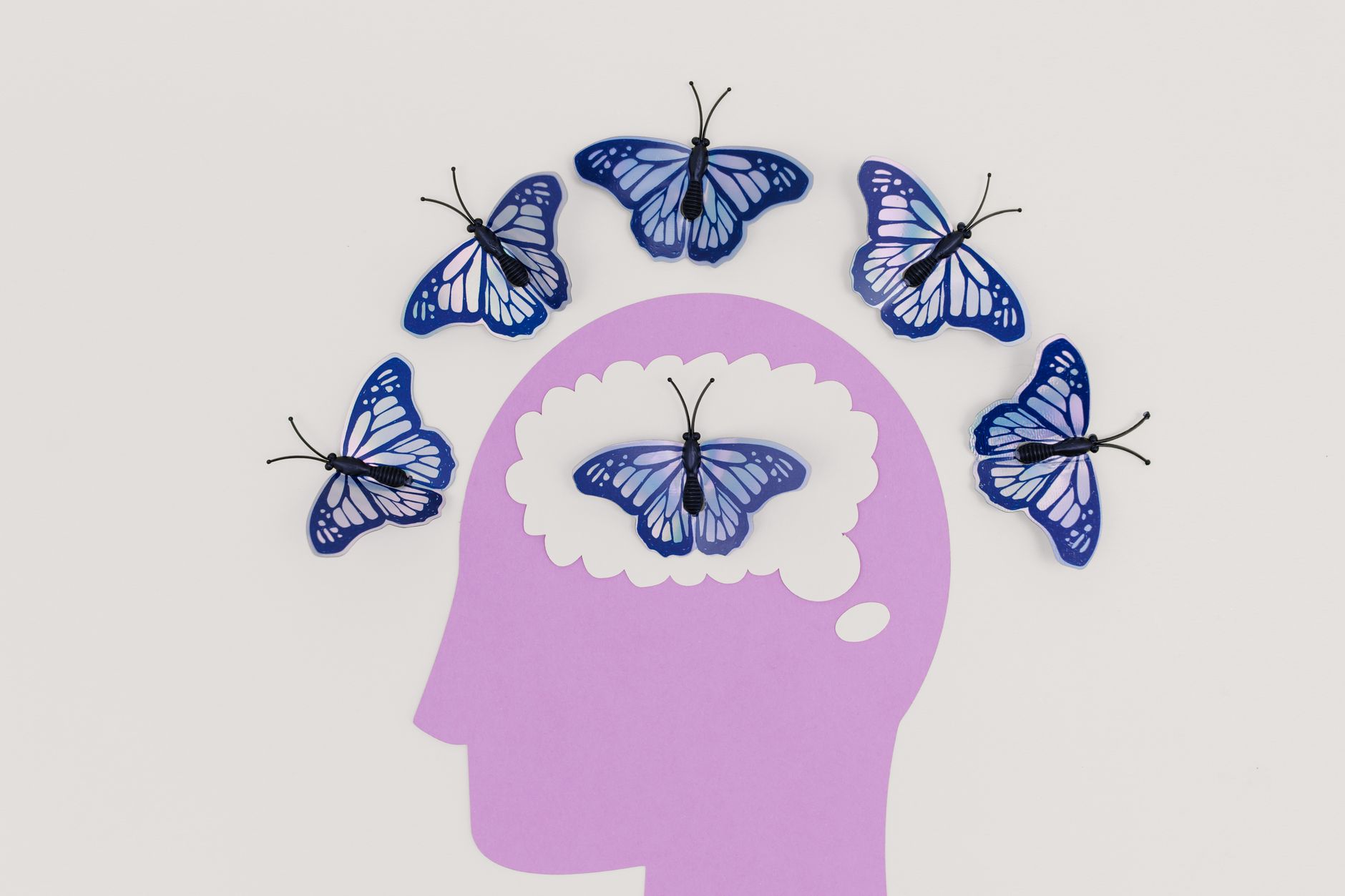
What Is the Psychodynamic Perspective in Psychology?
The psychodynamic perspective in psychology says behavior comes from unconscious motives, hidden conflicts, and early experiences that still shape a person years later. In a psychology 110 introduction to psychology course, students usually meet it as one of several learning approaches covered, alongside behaviorism and cognitive psychology.
This view treats the mind like a place with layers, not a single bright room. Freud started that idea around 1900, and later thinkers kept building on it through the 20th century. A person might smile in class, miss deadlines, or avoid closeness for reasons that do not match what they say they want. Psychodynamic theory looks for the older pattern under the surface.
That makes the approach useful for reading personality, emotion, and repeated habits. It does not claim every action comes from childhood, and it does not say people know all their motives right away. It says some of the strongest forces sit outside awareness and still push choice, memory, and attachment. The catch: It can feel vague at first, because you cannot measure an unconscious wish with a ruler the way you can measure reaction time in 2 seconds or a test score out of 100.
A good intro class usually uses this perspective to explain why two people can face the same event and react in wildly different ways. That difference matters. One person sees a joke, another hears rejection, and the psychodynamic lens asks what old fear got stirred up. That question is the whole point of the approach, and it gives psychology a more human edge than a pure checklist of behaviors.
It also helps students see why therapy talks about patterns, not just symptoms. A panic attack, a rigid habit, or a strange dream can point to something deeper than the moment itself. If you want a course anchor for this topic, Introduction to Psychology usually places psychodynamic theory right next to the basic schools of thought. The topic fits cleanly inside a psychology 110 introduction to psychology course because it explains motives, memory, and meaning in one framework.
Why Did Freud Shape Psychodynamic Psychology?
Freud shaped psychodynamic psychology because he made the unconscious, repression, and defense mechanisms central ideas in 1890s and early 1900s psychology. He also split personality into the id, ego, and superego, which gave students a simple model for inner pressure that still shows up in intro classes in 2026.
Freud’s original move was bold. He argued that people hide painful thoughts through repression, then defend themselves with denial, projection, rationalization, and displacement. Those defense mechanisms still matter because they explain why people protect themselves without realizing it. Later psychodynamic thinkers, like Anna Freud, Erik Erikson, and Carl Jung, kept the focus on hidden conflict but changed the details. Erikson added 8 stages of psychosocial development. Jung pushed different ideas about symbols and the collective unconscious. That split matters, because not every psychodynamic idea came straight from Freud.
Reality check: Freud is not the whole story, but he still owns the center of the topic because he named the problem first and gave psychology a language for it. His work also set up the idea that symptoms can mean something, not just happen by accident. That is why most intro textbooks still spend 1 full section on him, even when they criticize him.
His ideas have limits. He wrote before modern brain imaging, before large-scale experimental methods, and before today’s strict ethics rules. Still, the field kept his core claim: people often act from conflicts they cannot fully admit. If you want a clean study companion, Introduction to Psychology covers Freud’s influence in the same unit as personality and abnormal behavior. If you want deeper reading on personality patterns, Psychology of Personality also lines up well with these ideas.
I like Freud as a teaching tool because he forces students to think about hidden reasons, not just surface behavior. I also think his theory needs a warning label: some parts are brilliant, some parts are dated, and a 1905 idea should not get treated like a law of nature.
How Do Unconscious Motives Affect Behavior?
Unconscious motives affect behavior by shaping choices, feelings, dreams, slips of the tongue, and repeated relationship patterns before a person can explain them clearly. Freud argued this more than 100 years ago, and modern psychodynamic thinkers still use it because a lot of behavior looks coordinated from the outside but conflicted underneath. What this means: A person may avoid a message, pick the same type of friend, or react too strongly to a small comment because an older fear got touched.
- A slip of the tongue can reveal a wish or fear in 1 quick sentence.
- Dreams often mix memory, emotion, and conflict from the last 24 hours.
- A repeated dating pattern can point to old attachment expectations from childhood.
- A harsh joke at 2 a.m. may hide anger a person will not say directly.
- Stress can make a defense mechanism show up fast, like denial or projection.
These examples matter because psychodynamic theory does not treat behavior as random noise. It treats behavior as loaded. A person might choose one major, one friend group, or one breakup response because something familiar feels safer than something honest. That is a messy idea, and that mess is part of its value.
The approach also explains why people can say one thing and do another. Someone may insist they want closeness, then cancel plans 3 times in a row. Someone else may say they are calm, then explode over a small mistake. The hidden motive does not erase choice, but it can bend choice in a direction the person never planned.
If you want a paired view of behavior and mental life, Introduction to Psychology gives the broad map, while Abnormal Psychology shows how hidden conflict can connect to anxiety, compulsions, and mood problems. That combo helps because psychodynamic ideas make more sense when you see them in real symptoms, not just in a definition box.
Learn Introduction To Psychology Online for College Credit
This is one topic inside the full Introduction To Psychology course on UPI Study — a self-paced, online class that earns real college credit. Credits are ACE and NCCRS evaluated and transfer to partner colleges across the US and Canada. Courses start at $250 with no deadlines and lifetime access.
Explore Intro Psychology Course →Which Childhood Experiences Matter Most?
Psychodynamic theory gives heavy weight to the first 5 to 7 years of life because early attachment, caregiving, and stress can shape later expectations about trust, safety, and love. It does not say childhood decides everything, but it does say early patterns leave a strong mark.
- Attachment matters because a child learns whether other people feel safe, available, or unpredictable.
- Caregiving style matters; a warm home and a chaotic home teach very different lessons.
- Trauma can leave emotional scars that show up years later in fear, anger, or withdrawal.
- Unmet needs can turn into fixation, where a person gets stuck on a stage or theme.
- Repeated family patterns can shape how someone handles conflict, praise, or rejection at age 15 or age 35.
- Early conflict can return later as anxiety, rigid habits, or a strong need for control.
- A 4-year-old’s loss or humiliation can echo in adult relationships without the person noticing the link.
Worth knowing: The theory treats childhood as influence, not destiny, and that difference matters a lot. A rough start does not lock a person into one outcome, but it can set the default settings they keep fighting against.
That idea explains why unresolved issues can reappear in adulthood. A person who felt ignored at 8 may overreact to silence at 28. Someone who grew up around criticism may hear correction as attack, even when the other person means help. That is not weakness. It is pattern memory.
The limitation is obvious too. Not every adult problem comes from early life, and not every childhood event leaves the same mark. Still, psychodynamic thinking keeps asking where the pattern began, and that question often opens up the whole case. Introduction to Psychology usually places this topic near personality development and attachment, which is exactly where it belongs.
How Does Psychodynamic Psychology Explain Internal Conflict?
Psychodynamic psychology explains internal conflict as a clash among wishes, fears, morals, and reality that creates tension inside the person. Freud described that tension with the id, ego, and superego around 1923, and that model still helps students picture why a person can feel pulled in 3 directions at once.
The id wants immediate pleasure. The superego pushes rules and guilt. The ego tries to deal with the real world. That setup can produce anxiety when the person wants something but also fears the cost. A student may want attention, fear embarrassment, and then stay silent. A worker may want praise, fear failure, and then procrastinate. Psychodynamic theory says the behavior can look odd because the conflict already started before the action.
Bottom line: Symptoms and habits can act like compromises, not random accidents, which is why therapists pay attention to the meaning of a habit, a dream, or a repeated joke. A nail-biting habit at 16, a sudden freeze in a meeting, or a defensive laugh at age 40 can all serve as protection. That is a sharper way to read behavior than just calling it bad self-control.
This is where the approach gets its best power. It gives a reason for messy behavior without flattening the person into a label. It also has a downside: interpretation can go too far if a clinician sees hidden meaning in everything. That risk is real, and students should not ignore it.
Clinically, this view shaped talk therapy, free association, dream analysis, and the idea that personality develops through repeated conflict. It also explains why one symptom can stand in for another. A person may feel anger but show worry. Someone may fear dependence but act cold. That mismatch is the whole point of the theory, and it gives psychology a way to read the spaces between actions.
How Does Psychodynamic Compare With Behaviorism?
Psychodynamic theory and behaviorism answer the same question in very different ways: one looks inside for unconscious conflict, and the other looks outside for learned behavior shaped by reinforcement and punishment. Behaviorism became dominant in the early 1900s through people like John B. Watson and B. F. Skinner, while psychodynamic thought grew from Freud’s earlier work.
Behaviorism does well with observable facts. If a rat presses a lever 20 times for food, or a student studies 5 nights in a row after praise, behaviorism can measure that clearly. Psychodynamic theory does better with hidden meaning, like why the same person fears praise, repeats a self-sabotaging habit, or dreams about a locked door. One side gives clean data. The other gives depth. That trade-off matters.
What this means: Behaviorism asks, “What happened before and after the behavior?” Psychodynamic theory asks, “What conflict or memory makes this behavior feel necessary?” Both matter, but they do not explain the same layer of the person.
I think behaviorism wins on precision, and psychodynamic theory wins on texture. You can test reinforcement schedules with a stopwatch. You cannot reduce a shame pattern from age 9 to a simple chart without losing something real. That is why intro classes keep both approaches in the same unit.
The smartest reading uses both. A phobia may come from conditioning, and the shame around it may come from deeper conflict. A habit may start with reward, then turn into a defense. That mix is common. If you want a clean comparison while studying, Introduction to Psychology gives the broad framework, and Research Methods in Psychology shows why behaviorism often feels easier to test with 1 experiment and 1 measurable outcome.
Frequently Asked Questions about Psychodynamic Perspective
Start by looking for hidden motives, early family patterns, and inner conflict in the behavior you're studying. The psychodynamic perspective says your actions often come from unconscious wishes and childhood experiences, not just what you can see on the surface.
Freud built the psychodynamic perspective with ideas like the id, ego, and superego, plus the claim that unconscious conflict shapes behavior. His work also introduced defense mechanisms, like repression, which still show up in Psychology 110 introduction to psychology course lessons.
80% of the work in this perspective centers on unconscious motives, not just thoughts you can report right away. Those hidden motives can affect dreams, slips of the tongue, fears, and relationship patterns, even when you think you chose freely.
What surprises most students is that a small event at age 5 or 6 can still shape adult behavior decades later. Psychodynamic theory says early attachment, conflict, and family roles can leave lasting marks that show up in stress, trust, and self-control.
If you mix them up, you'll give the wrong explanation on exams and miss the whole point of the theory. Behaviorism studies visible stimulus and response patterns, while psychodynamic theory looks at hidden conflict, early experience, and motives you can't observe directly.
This applies to students studying internal conflict, attachment, and emotion-driven behavior, and it doesn't fit people who only want quick, measurable cause-and-effect answers. In college credit courses, you'll often compare it with behaviorist and cognitive ideas in the same unit.
Most students memorize Freud's terms and stop there, but that won't help you explain real behavior. What works is linking one idea to a case, like repression, fixation, or defense mechanisms in a 20-question quiz or an essay answer.
The most common wrong assumption is that it says childhood controls everything forever. It doesn't; psychodynamic theory says early experiences shape later patterns, but current conflict, coping, and relationships still matter in adult life and in a psychology 110 introduction to psychology lesson.
The psychodynamic perspective focuses on unconscious conflict and old emotional patterns, while the cognitive approach focuses on thoughts, beliefs, and mental processing you can often report. That difference matters in an online course because the exam will ask you to match the right explanation to the right theory.
Behaviorism looks at what you do and what gets rewarded or punished, while psychodynamic theory looks at hidden drives and early experience. If you study online for ACE NCCRS credit, you'll need to tell the difference fast because both theories explain behavior in very different ways.
You can explain behavior by tracing it to unconscious wishes, childhood conflict, and defense mechanisms like denial or projection. In a psychology 110 introduction to psychology course, that gives you a clear way to answer why someone keeps repeating the same pattern.
Transferable credit means the course can count toward another school's degree plan, and a psychology 110 introduction to psychology course often serves as an intro requirement. If you study online, you'll usually see ACE NCCRS credit listed in the course details.
Students ask because this topic often appears in intro classes that offer college credit through a full 3-credit psychology course. If you're taking an online course, the psychodynamic perspective usually shows up alongside behaviorism and cognitive psychology on the exam.
Final Thoughts on Psychodynamic Perspective
The psychodynamic perspective still matters because it asks a question many other approaches skip: what hidden force is steering the behavior? Freud’s answer was not perfect, and psychology has moved far beyond 1900-era ideas, but the core insight holds up well. People do not always know why they act the way they do, and early experiences often leave traces that outlast the memory of the event itself. That is why this perspective stays in intro psychology courses. It gives students a way to think about dreams, defense mechanisms, attachment, and habits that repeat even when someone wants change. It also pushes you to look past the obvious. A visible action can hide fear. A joke can hide anger. Silence can hide conflict. That kind of reading takes practice, and it can feel uncomfortable at first. The best way to study psychodynamic theory is to tie each idea to a concrete case. Ask what the person wants, what they fear, what they learned early, and what kind of conflict the behavior might protect them from. Do that, and the theory stops sounding abstract. It starts sounding like a real explanation for real people. If you are heading into a psychology 110 unit or just trying to make sense of personality, keep one question in mind: what is the behavior protecting the person from?
How UPI Study credits actually work
Ready to Earn College Credit?
ACE & NCCRS approved · Self-paced · Transfer to colleges · $250/course or $99/month