
Sexual and religious discrimination happen when people get treated worse because of sex, sexual orientation, gender identity, gender expression, faith, beliefs, or lack of religion. That sounds simple, but the damage shows up in hiring, grading, housing, group projects, and even who gets to speak without being cut off. A teacher who ignores a student’s correct pronouns, a manager who jokes about hijabs, and a classmate who treats an atheist like a problem all send the same message: you do not belong here. Those messages matter because they shape access, confidence, and safety. They also shape how bystanders act. A room full of silent people can make a harmful pattern feel normal in 30 seconds. Psychology of diversity helps explain why this happens. People do not wake up every morning and invent bias from nowhere. They learn stereotypes, absorb group rules, and copy what their group rewards. Some bias looks loud and ugly. Some looks polished, like a policy that claims to be neutral while still hitting one group harder than the others. That is why sexual and religious discrimination are not just personal bad manners. They are social patterns with real power behind them.
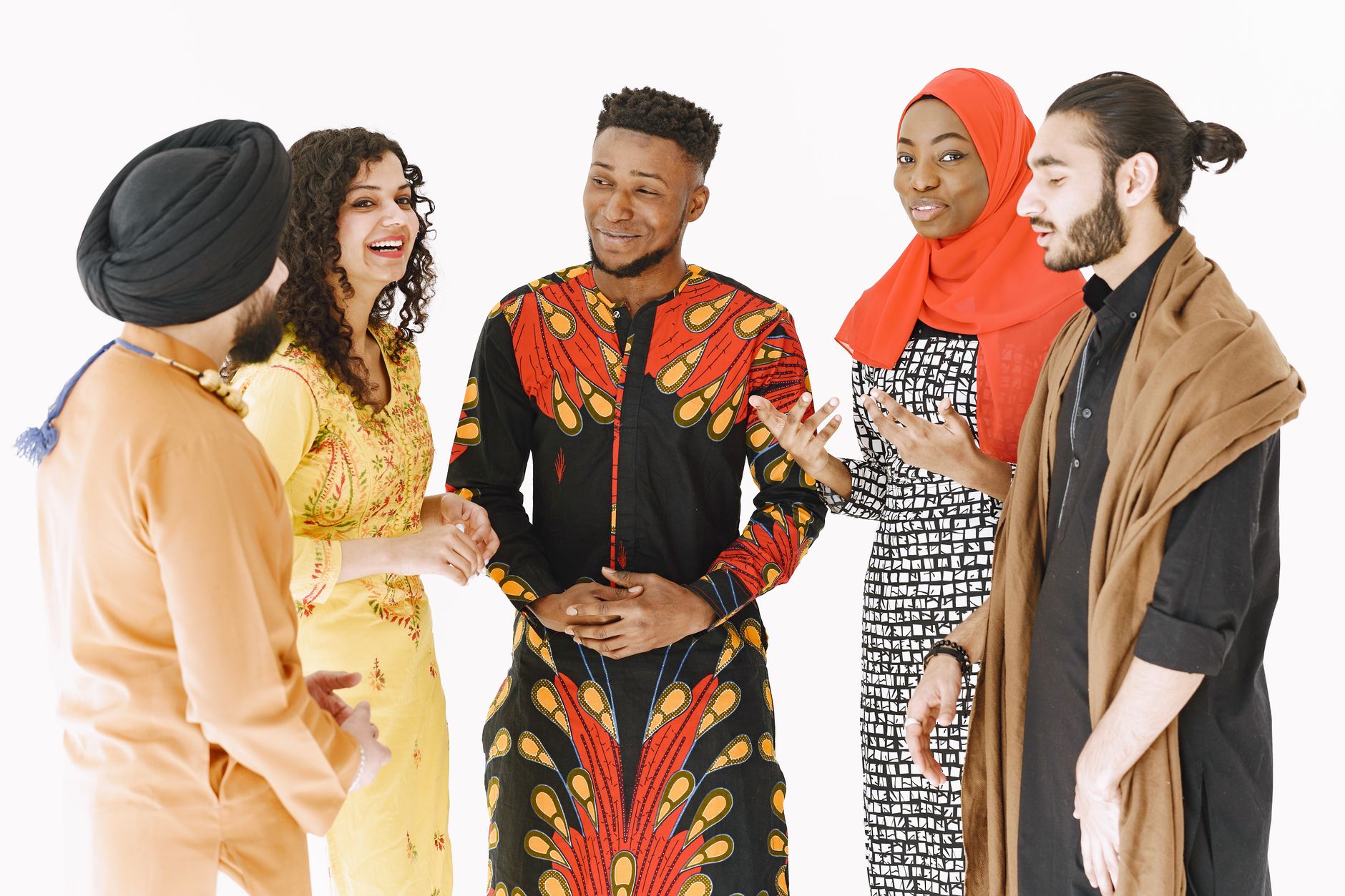
What Are Sexual And Religious Discrimination?
Sexual discrimination means someone gets treated unfairly because of sex, sexual orientation, gender identity, or gender expression, while religious discrimination means someone gets treated badly because of faith, beliefs, practices, or no religion at all. The two overlap in schools, workplaces, and housing, and both can show up as a joke, a rule, or a denial of basic respect.
The catch: Sexual discrimination is not just one thing. A company can pass over a woman for a promotion, mock a gay employee’s voice, or punish a trans student for dress choices in the same 1-year period, and each act sends a different message about who counts as acceptable. Religious discrimination works the same way. A boss can deny prayer breaks, a school can schedule a major test on a holy day, or coworkers can treat a Muslim, Jewish, Sikh, Hindu, or atheist person like an outsider.
People often confuse discrimination with a one-time rude comment, but the difference is pattern and power. One ugly remark hurts. A policy, a grading habit, or a hiring rule can shut doors for 20 people at once. That is why psychology 112 psychology of diversity treats these issues as more than private conflict.
What this means: The harm starts when someone’s group label becomes a shortcut for judgment. A student who wears a hijab, a man who is told not to cry because he is “not masculine,” and a nonbinary teen called a “phase” all face the same logic: the group decides the person before the person speaks. That logic is blunt, old, and still common in 2026.
A fair system does not ask people to hide 8 hours a day just to be treated with basic respect. It asks the system to stop punishing difference.
Why Do Prejudice And Stereotypes Drive Discrimination?
Prejudice and stereotypes drive discrimination because people use mental shortcuts to sort others fast, often in less than 2 seconds. In psychology 112 psychology of diversity course work, that matters because a shortcut can become a judgment before anyone checks the facts. A person may assume a woman is less assertive, a gay man is less “serious,” or a religious minority is less “modern,” then act on that guess.
Reality check: Implicit bias does not need a loud rant to do damage. A hiring manager who gives 3 extra minutes to one applicant, a professor who calls on the same men every class, and a peer who avoids sitting near someone because of a kippah all turn a stereotype into action. The problem gets worse when the same pattern repeats 10 times a semester, because repetition makes bias feel normal.
Classrooms are full of this mess. If a teacher expects one group to be quiet, another group to be loud, and another group to be “distracting,” those expectations shape who gets praise, who gets corrected, and who gets a 92 instead of an 88. Workplaces do it too. A team may describe one woman as “bossy” and one man as “leadership material” for the same behavior. That is not a personality issue. That is a bias issue.
Bottom line: Stereotypes do not just live in people’s heads; they move into decisions. A school lunch table, a dorm room, or a store counter can become a place where one identity gets treated as normal and another gets treated like a problem. That is why sexual and religious discrimination psychological perspectives and examples matter in real life, not just in a textbook.
Introduction to Psychology gives you the basic tools for spotting how bias starts, and Psychology of Diversity shows how those ideas land in daily settings.
Learn Psychology Of Diversity Online for College Credit
This is one topic inside the full Psychology Of Diversity course on UPI Study — a self-paced, online class that earns real college credit. Credits are ACE and NCCRS evaluated and transfer to partner colleges across the US and Canada. Courses start at $250 with no deadlines and lifetime access.
See Psychology Of Diversity →How Do Social Identity And Group Belonging Matter?
Social identity theory says people sort themselves into groups, then protect the groups that make them feel safe, respected, and powerful. That happens fast, sometimes in 5 minutes, and it can lead people to favor an in-group and treat an out-group like a threat. Sexual and religious discrimination grow from that habit when group loyalty turns into exclusion.
A church group may call its own traditions “family values” and treat other beliefs like noise. A frat, team, or office clique may treat straightness, masculinity, or one faith as the default and quietly push others to the edge. The ugly part is that this does not always look dramatic. Sometimes it looks like not inviting someone to the 3-person group chat.
People also protect status. If a dominant group thinks its place is slipping, it may double down on rules that keep power where it already sits. That is why a sexist joke, a slur about religion, or a rule that singles out one identity is not just random cruelty. It is group defense dressed up as common sense.
Worth knowing: Belonging can feel good at 18 and dangerous at 48 when it turns into gatekeeping. A student who sees classmates laugh at a gender nonconforming peer, or at someone who fasts for Ramadan, learns fast who gets protected and who gets exposed. That lesson sticks because people hate being the next target.
This is the part a lot of people miss. Discrimination is not only about one bad actor. It also comes from a group that rewards exclusion with status, silence, or a gold star for “keeping things normal.”
How Does Institutional Bias Show Up At School?
A student in Psychology 112: Psychology of Diversity at a school like Portland Community College can spot institutional bias in one week of class. The room may have 24 seats, but the bigger issue sits in the rules: a dress code that polices gender expression, a holiday calendar that ignores 2 major religious observances, or a participation grade that rewards the loudest voices instead of the most prepared ones. That is not neutral. It favors the group already built into the system.
- A syllabus that uses only straight, cisgender examples leaves out real lives in 2026.
- A test scheduled on Yom Kippur or Eid creates a 1-day penalty for some students.
- A teacher who laughs off “jokes” about pronouns trains 20 classmates to copy the joke.
- A dress code that bans “unusual hair” can hit religious head coverings and gender expression at once.
- A campus office that takes 30 days to answer bias reports tells students to stay quiet.
Schools often call this “policy,” but policy can still carry bias. A curriculum that skips sexual and religious discrimination psychological perspectives and examples sends a message too. It says the topic matters less than algebra or attendance, which is a lazy take and a bad one.
Psychology of Diversity fits this kind of class discussion because it connects the theory to actual student life. A student who studies bias in a 16-week semester can spot the same pattern in a locker room, a lab group, or a scholarship interview.
The sharpest school problems often hide in ordinary routines.
What Are The Real Effects On Targets And Bystanders?
A single comment can seem small, but repeated discrimination over a 9-month school year or a 40-hour workweek can change how people sleep, speak, and trust others. Targets feel the hit first, but bystanders pay too.
- Targets often feel shame, anger, or numbness after repeated slurs or exclusions.
- A worker passed over 3 times may stop speaking up in meetings.
- A student mocked for faith or sexuality may skip class, clubs, or cafeteria time.
- Bystanders can feel guilt, fear, or pressure to laugh along so they do not stand out.
- Witnesses who stay quiet may later doubt their own values and judgment.
- Repeated exposure can raise stress and make school or work feel unsafe, not just unpleasant.
- A single ally who speaks up in 10 seconds can break the pattern and reset the room.
Frequently Asked Questions about Psychology Of Diversity
Sexual and religious discrimination means you get unfair treatment because of your sex, sexual orientation, gender identity, religion, or beliefs. In workplaces, schools, and public spaces, this can show up as 1 person getting picked over another for a job, grade, schedule, or social group because of bias, not ability.
The most common wrong assumption is that discrimination only counts when someone uses obvious slurs or makes a public scene. That misses the quieter stuff, like a teacher calling on boys 12 times in a row or a manager giving weekend shifts only to people from one faith group.
What surprises most students is that prejudice can work without open hate; stereotypes and social identity can shape choices in 2 seconds or less. A coworker may think a Muslim colleague is less committed during Ramadan, or a lesbian student may get left out of group work because people expect conflict.
This applies to anyone targeted because of sex, sexual orientation, gender identity, or religion, including women, men, nonbinary people, Christians, Muslims, Jews, atheists, and others. It doesn't depend on age, job title, or grades; a 16-year-old in school and a 42-year-old employee can both face it.
Most students memorize definitions and stop there, but that misses the psychology of diversity part. The better move is to link prejudice, stereotypes, social identity, and institutional bias to real cases, like hiring, classroom participation, dress codes, and who gets disciplined first.
No, sexual and religious discrimination are different, but they can overlap in the same setting. Sexual discrimination targets sex, gender, or sexual orientation, while religious discrimination targets faith or belief; a school can treat both a transgender student and a Sikh student unfairly in separate ways.
If you get this wrong, you can excuse harmful behavior, miss patterns in data, and support unfair policies without meaning to. A professor might read biased grading as 'strict standards,' or a boss might call repeated faith-based scheduling bias 'team preference' and keep doing it.
Start by writing down 3 examples from school, work, or daily life and labeling the bias type in each one. Then match each case to prejudice, stereotypes, social identity, or institutional bias, which helps you see why the same unfair act can repeat across 2 or more settings.
Prejudice gives you a negative attitude, and stereotypes give you a fixed story about a group, such as 'women are less serious leaders' or 'religious people are less modern.' Those ideas can shape hiring, grading, friendships, and even who gets interrupted in a 30-minute meeting.
Institutional bias affects targets by limiting access to fair treatment, while social identity can make bystanders stay quiet to protect their group. In a school with a 5-day dress-code policy, one religious symbol may get punished faster than another, and classmates may not speak up.
Psychology 112 psychology of diversity course helps you study how bias works in real life, not just in theory. You can connect cases of sexual and religious discrimination to class terms, and many students use the course for college credit or transferable credit.
Yes, you can study online and earn ace nccrs credit through approved programs tied to diversity and psychology units. That matters if you want an online course with college credit, since some programs package the work into 1 transcripted course rather than separate modules.
Final Thoughts on Psychology Of Diversity
Sexual and religious discrimination do not survive on hatred alone. They survive on habits, shortcuts, silence, and rules that treat one group as the default. Once you see that, the pattern gets harder to ignore. A classroom joke, a hiring choice, a dress code, or a religious holiday conflict can all carry the same message about who belongs and who has to shrink. Psychology helps you read the pattern without pretending every bad act comes from the same place. Prejudice gives the attitude. Stereotypes give the script. Social identity gives the group pressure. Institutional bias gives the rulebook. Put those together, and you get discrimination that feels personal to the target and invisible to everyone else in the room. That is why bystanders matter so much. A person who speaks up, names the bias, or asks a blunt question can stop the social reward that keeps the behavior alive. Silence does the opposite. It teaches the room that the cost of exclusion stays low. If you want to spot this faster, watch who gets interrupted, who gets excused, who gets labeled “too much,” and who gets treated as the standard. Then compare that pattern across school, work, and daily life. The pattern usually shows itself in three places, and once you see it there, you can start naming it everywhere else.
How UPI Study credits actually work
Ready to Earn College Credit?
ACE & NCCRS approved · Self-paced · Transfer to colleges · $250/course or $99/month