
Diversity in psychology means the real differences people bring to life: race, ethnicity, gender, culture, age, ability, sexuality, religion, and identity. Psychologists study those differences because they change how people think, act, trust others, and handle stress. A person raised in a bilingual home in 2 countries will not see the world the same way as someone raised in one language, one city, and one set of rules. That sounds obvious, but a lot of bad psychology ignored it for decades. Early research often used narrow samples, usually college students from the United States, then acted like those results fit everyone. They do not. A 19-year-old in a dorm, a 45-year-old parent, and an older adult in assisted living can all react differently to the same event because age, culture, income, and lived experience shape the story. This topic matters because psychology tries to explain behavior in context, not in a vacuum. If you ignore diversity, you miss bias, you miss resilience, and you miss the way people interpret the same words, gestures, or diagnosis in different ways. That gap can hurt research, therapy, school support, and workplace practice. The field looks smarter when it asks better questions, and diversity forces those questions.
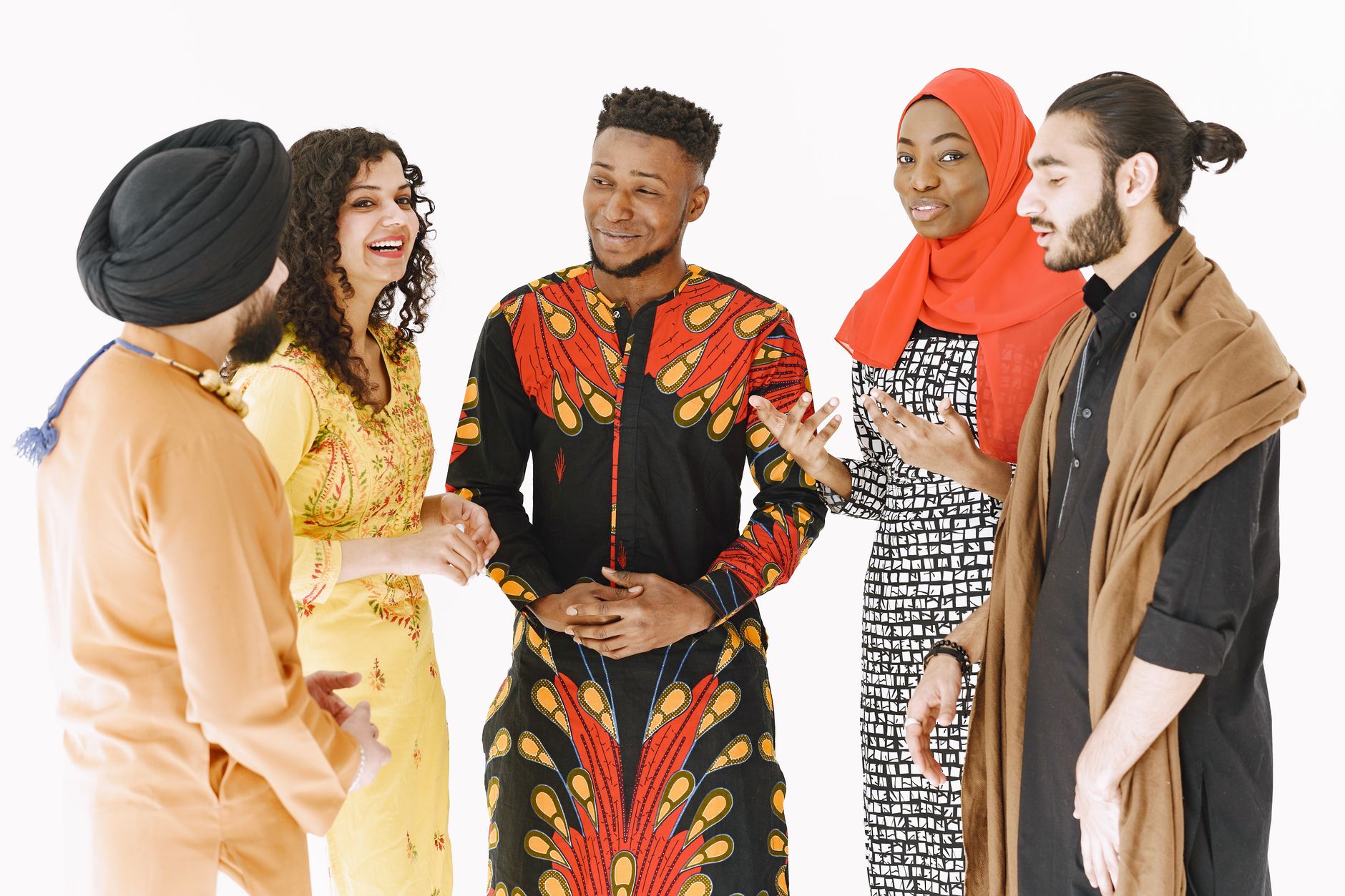
What Does Diversity In Psychology Mean?
Diversity in psychology means the presence of differences among people and groups, and those differences shape how people live, think, and respond. It covers race, ethnicity, gender, culture, age, ability, sexuality, religion, and identity, not just a checkbox on a form with 8 items. That is the real diversity defined meaning scope and psychological significance: it is about lived experience, not a neat list.
The catch: A sample can look “diverse” on paper and still miss the point if it ignores language, class, immigration history, or disability. A 2020 study, a 2022 census table, and a 10-person focus group can all point in different directions because identity works in layers. A Black woman, a deaf teenager, and a 67-year-old immigrant may share one label and still face very different pressures.
Psychology 112 psychology of diversity courses usually teach this bigger view fast, because the field cannot afford lazy thinking. The point is not to sort people into boxes. The point is to understand how 2 people can hear the same event and walk away with different meaning. That changes research, therapy, school support, and even how a clinician reads silence in a session.
A shallow definition causes bad conclusions. A richer one gives better questions.
Why Does Diversity Shape Behavior And Perception?
Diversity shapes behavior and perception because people learn different rules from birth, and those rules affect how they speak, trust, judge, and react. A child raised in a family that values direct eye contact may read confidence differently than a child taught that direct staring is rude. That same split can show up in classrooms, hospitals, and interviews, which is why psychologists do not treat behavior like a simple reflex.
Reality check: Bias often starts early, and research has tracked that for decades. By age 4 or 5, children already pick up social categories, and by adolescence they can repeat stereotypes they hear at home, online, or in school. A 2019 classroom study, a workplace survey, or a 15-minute first impression can all show the same problem: people interpret the same action through different cultural filters. That is not a small detail. It drives whether someone seems “polite,” “cold,” “aggressive,” or “shy.”
Psychologists study diversity because context changes meaning. A nod in one culture means agreement; in another, it can mean “I hear you” without approval. A student who stays quiet in a group of 12 may be thoughtful, anxious, deferential, or simply used to a different norm. If you skip that context, you make sloppy calls and blame the person instead of the setting.
Introduction to Psychology gives the basic tools for this, while Psychology of Diversity shows why those tools need cultural context. That second step matters more than people think, because average behavior means very little when the sample lives in 3 different worlds.
A lot of bad research comes from assuming everyone reads the same signal the same way, and that mistake still costs people trust.
Learn Psychology Of Diversity Online for College Credit
This is one topic inside the full Psychology Of Diversity course on UPI Study — a self-paced, online class that earns real college credit. Credits are ACE and NCCRS evaluated and transfer to partner colleges across the US and Canada. Courses start at $250 with no deadlines and lifetime access.
Explore on UPI Study →How Does Diversity Affect Mental Health?
Diversity affects mental health because identity changes exposure to stress, support, and treatment barriers. People who face racism, ableism, sexism, homophobia, or religious bias often carry extra stress that builds over months and years, not 1 bad day. Research on minority stress has shown that repeated discrimination can raise anxiety, depression, and sleep problems, while belonging and community support can lower harm.
Worth knowing: Cultural mismatch can make care feel unsafe even when the therapist means well. A 2021 clinic visit, a 30-minute intake, or a diagnosis label can land very differently depending on language, family values, and past treatment. A client from a community that sees mental illness as shameful may wait 6 months before asking for help, while another may go in after 1 panic attack. Both reactions make sense inside their world.
Diverse backgrounds can also build resilience. People often learn coping skills from extended family, faith groups, mutual aid, or tight community ties. That support can matter as much as formal treatment. A student who grew up translating for parents, a refugee who rebuilt life across 2 countries, or an older adult who leaned on a church group may carry strong problem-solving habits that psychology should notice, not dismiss.
The hard truth: therapy and assessment fail when they act like one culture owns the default. That mindset hurts trust fast, and trust drives whether people return for session 2, session 3, or never come back at all.
How Do Psychologists Study Diverse Populations?
Psychologists study diverse populations by fixing the boring parts that make or break science: who they sample, what language they use, how they score tests, and how they read results. If 500 participants all come from one campus or one country, the study can miss the reality of people living in 3 languages, 2 legal systems, or 4 generations in one home. That is why representative sampling, translation, and fair measures matter so much. A bad measure does not just miss nuance; it can produce the wrong diagnosis.
Bottom line: A student in a Psychology 112: Psychology of Diversity online course can see this problem in real time while earning college credit and studying why a 50-item survey may work in one culture and fail in another. The best examples are not abstract. They show how a question about family, eye contact, or independence can carry different meaning in Kenya, Canada, or the United States.
- Use samples from 2 or more groups, not one campus of 300 students.
- Translate carefully; a 1-word mistake can change a scale’s meaning.
- Test whether a 10-point rating means the same thing across cultures.
- Watch diagnosis labels that fit one group and miss another.
- Read the result in context, not as a universal rule.
That is the real work of psychology: making research honest enough to serve actual people, not an imaginary average.
Why Does A Psychology 112 Course Matter?
A Psychology 112: Psychology of Diversity course matters because it turns a big idea into usable skill, and students can earn ACE NCCRS credit while learning it online. The course usually pushes students past slogans and into real cases: race in hiring, culture in parenting, age in memory testing, and disability in classroom access. That is not fluff. That is the material that shapes whether a future counselor, teacher, or manager gets people right.
The best versions of this course teach cultural competence, ethical practice, and respect for different communities. They show why a 20-minute intake form can miss stress in a family of 5, why a standard test can favor one language group, and why a therapist must ask better questions before making a judgment. A course like this also teaches humility, which some people hate because it exposes how little they actually know.
Psychology of Diversity gives students a direct way to study those issues in a structured online course, and that kind of training can carry real college credit value. The upside is practical: you build a stronger base for work with schools, clinics, or community programs. The downside is plain too — the course can be uncomfortable, because it asks you to notice bias in systems you may have trusted for years.
That discomfort is useful. It means the course is doing real work instead of handing out easy answers.
Frequently Asked Questions about Psychology Of Diversity
The most common wrong assumption is that diversity in psychology only means race, but it also includes ethnicity, gender, culture, ability, age, language, religion, and identity. That wider view changes how you read behavior, mental health, and relationships across different groups.
This applies to anyone studying people, from high school classes to counseling, research, and social work, and it doesn't only apply to one group like race or nationality. Psychology looks at 7 major dimensions here: race, ethnicity, gender, culture, ability, age, and identity.
If you get it wrong, you miss how bias, stress, and social pressure shape behavior, and that can lead to bad research or weak care. A 1-size-fits-all view can make psychologists misread symptoms, ignore context, and treat people as if everyone grows up the same way.
Most students memorize a list and stop there, but what actually works is linking diversity to real cases, research methods, and daily behavior. A class example about culture, age, or disability makes the idea stick much faster than a blank definition does.
Diversity in psychology affects mental health directly because culture, discrimination, family roles, and identity shape stress, coping, and help-seeking. A student in a group with 1 history of exclusion may face different barriers than someone who never had that experience.
Start by naming the 7 main dimensions: race, ethnicity, gender, culture, ability, age, language, and identity. Then match each one to a real psychology example, like diagnosis, therapy, or school behavior, so the meaning stays tied to actual people.
A psychology 112 psychology of diversity course can count as college credit at schools that accept its transfer rules, and many students take it as an online course. Some versions also carry ace nccrs credit, which helps when you need transferable credit for a degree plan.
What surprises most students is that diversity changes how psychologists ask questions, not just who they study. A test, interview, or therapy plan that works for 1 group may miss the point for another because culture and identity shape answers and behavior.
Psychologists use diversity to compare patterns across groups, spot bias in samples, and avoid treating one population as the norm. That matters in studies with 2 or more groups, because age, gender, and culture can change the results.
Yes, you can study online and still earn useful credit if the course carries ace nccrs credit or fits a school’s transfer rules. Many online classes run in 4 to 16 weeks, which helps if you need flexible scheduling.
Final Thoughts on Psychology Of Diversity
Diversity in psychology is not a side topic. It sits in the middle of the field because people do not think, feel, or behave from one fixed template. Race, culture, gender, age, ability, religion, sexuality, and identity all change the way someone sees a situation and the way others respond to them. Skip that reality, and you get weak research, clumsy therapy, and lazy stereotypes. Pay attention to it, and psychology gets sharper. You start asking better questions, noticing context, and treating people as real human beings instead of neat categories on a slide. That shift matters in classrooms, clinics, schools, workplaces, and families. It changes how a test gets built, how a diagnosis gets read, and how trust grows between people who do not share the same background. That is not academic decoration. It affects outcomes. If you are studying this topic, focus on the pattern behind the labels. Ask who gets centered, who gets missed, and what changes when you widen the sample. Then apply that lens to the next article, the next class, or the next conversation you have about behavior and mental health.
How UPI Study credits actually work
Ready to Earn College Credit?
ACE & NCCRS approved · Self-paced · Transfer to colleges · $250/course or $99/month