
Characteristics and traits in biology both describe living things, but they do not mean the exact same thing. A characteristic is a broad feature, like eye color or leaf shape. A trait is the specific version of that feature, like blue eyes or oval leaves. Biology uses both words to talk about how organisms look, act, and pass information to the next generation. This matters because students often mix them up on the first try. A dog has a tail as a characteristic, but a short tail or a curled tail counts as a trait. A plant has flower color as a characteristic, and red or white flowers count as traits. Teachers, lab books, and exam questions use these words to compare 2 organisms, spot patterns, and sort living things into groups. Genes play a big part in traits, but they do not work alone. Temperature, food, exercise, sunlight, and even language can shape what you see. That is why two siblings can share blood type and dimples, yet still look and act different in several ways. Once you separate the broad feature from the specific form, the whole topic gets much easier to read, label, and remember.
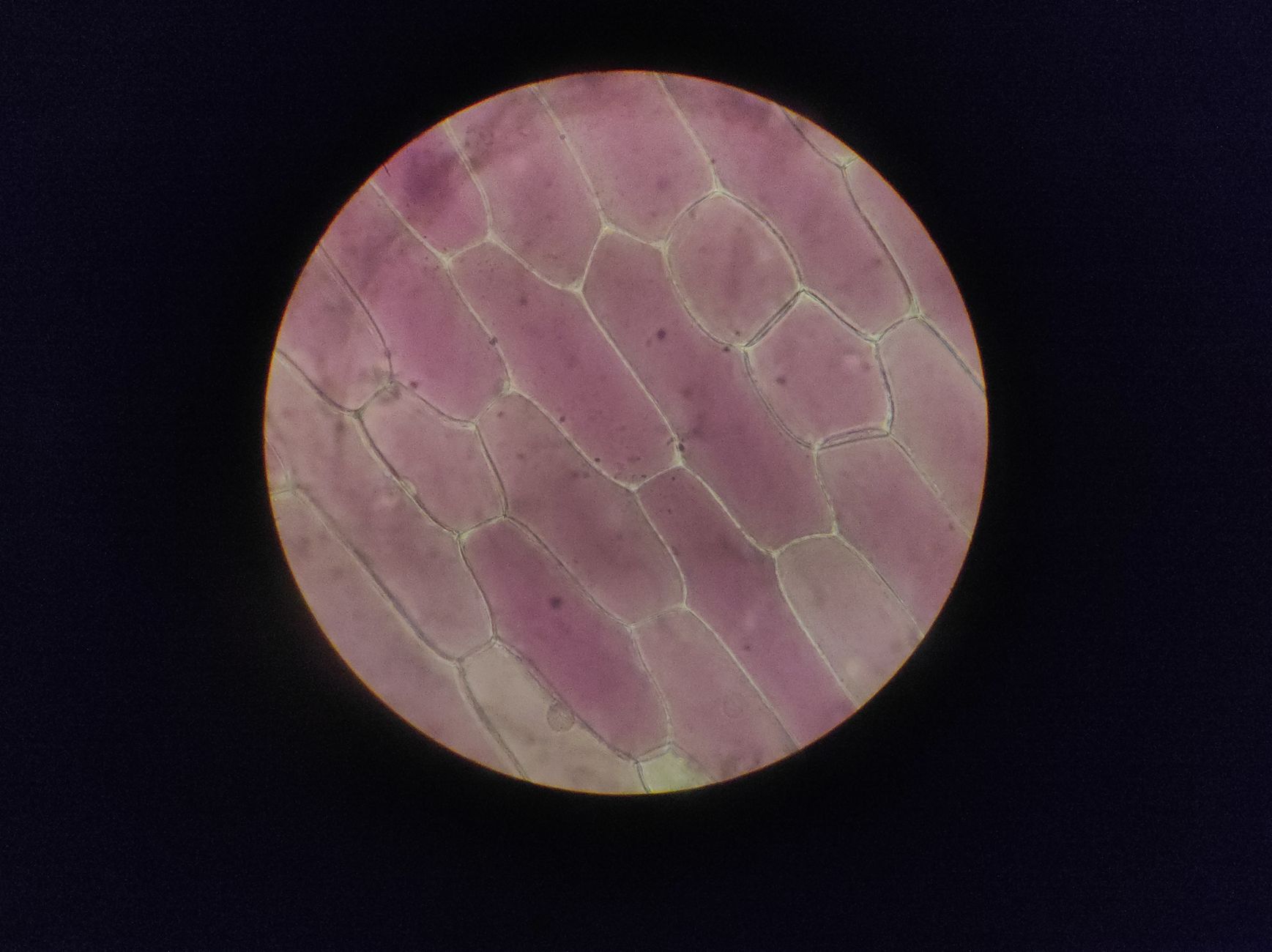
What Are Characteristics And Traits In Biology?
In biology, characteristics are the general features you can notice in an organism, while traits are the specific versions of those features. A cat’s fur color is a characteristic; black fur, orange fur, or white fur are traits. A pea plant’s flower color is a characteristic, and purple flowers or white flowers are traits. That split helps students answer comparison questions with more precision, especially in Intro to Biology I, where a lab report can hinge on one exact word.
The catch: Biology texts often use the two words loosely, and that trips people up on exams. A textbook might say “characteristics and traits” in the same sentence, but a careful student keeps the distinction clear. Think of it this way: the characteristic names the feature, and the trait names the form that feature takes. In a class that covers Mendel’s 1866 pea experiments, that difference matters because one cross can show 2 traits for the same characteristic, like round seeds versus wrinkled seeds.
The same idea works for humans, plants, and animals. Height is a characteristic; 150 cm, 170 cm, or 190 cm are trait values. Blood type is a characteristic in many biology lessons; type A, B, AB, or O are traits. Hair texture, seed shape, and beak shape all work the same way. I like this split because it keeps students from blurting out vague answers. Biology rewards exact words, not fuzzy ones.
A downside shows up fast: some teachers treat the terms as near synonyms on quizzes, while others mark down tiny mistakes. That feels unfair, but it reflects how science language works in real labs. In a 2-hour exam or a 50-minute class quiz, one word can change the whole answer. Use characteristic for the broad feature and trait for the specific expression, and your comparisons get cleaner right away.
Studying characteristics and traits in biology also helps you learn how scientists classify organisms. A bird and a fish both have body parts you can name, but their traits differ in wings, fins, scales, and feathers. That is the real point. Biology does not ask you to memorize random labels. It asks you to notice patterns across 1 species, 10 species, or 100 species and describe them with the right level of detail.
How Do Inherited And Environmental Traits Differ?
Many traits come from both genes and surroundings, so the line between inherited and environmental can get messy fast. Eye color and blood type usually come from inherited information, while language and muscle tone often reflect environment, practice, or daily habits. That mix matters in a 16-week biology course because students need to tell what DNA can explain and what life experience can change.
| Trait Type | Inherited Side | Environmental Side |
|---|---|---|
| Eye color | Brown, blue, green | Little direct change |
| Blood type | A, B, AB, O | No change from diet |
| Leaf shape | Oval, lobed, needle-like | Sunlight can affect size |
| Body size | Growth limits from genes | Food, sleep, exercise |
| Language | No inherited word list | Accent from home and region |
| Fur color changes | Some breeds carry color genes | Seasonal coat shifts in 4-6 weeks |
Reality check: One trait can show both sides at once, and that is where students get tangled. Muscle tone, for instance, depends on inherited body makeup, but a 3-day-a-week sports routine changes what you see. A Siamese cat also shows temperature-linked fur color, so environment can switch on visible changes without rewriting the whole genome. That mix is why biology feels honest: it rarely gives you a neat 100% gene answer.
For class use, the table helps you sort fast. If a trait stays tied to DNA, like blood type, you label it inherited. If a trait shifts with location, like accent or coat shade in winter, you label the environmental part. Most real organisms show both at once, and that is the part students remember after one good lab discussion.
Which Physical Traits Help Compare Organisms?
Physical traits help scientists compare organisms by giving them visible clues they can measure, sketch, and sort. Body covering, number of limbs, flower shape, leaf arrangement, beak shape, and coloration all matter. A mammal has hair or fur, a bird has feathers, and a reptile may have scales. A hummingbird’s beak looks thin and long, while a hawk’s beak looks sharp and hooked. Those 2 shapes tell you different things about feeding and survival.
Worth knowing: Small details carry real weight. A leaf arrangement can be opposite, alternate, or whorled, and that one detail can separate 2 plant groups in a lab key. Flower shape also matters in plant ID, because a 5-petaled flower and a tube-shaped flower do not suggest the same pollinators. In a 100-level biology class, students often earn credit for spotting those exact differences in 1-2 minutes, not for writing a long paragraph.
Physical traits also help with classification. Scientists use them to group living things into species, genera, and broader groups, and students use the same habit in lab work. A zebra and a horse share stripes versus solid coats, but they both have 4 legs, hooves, and similar body plans. A maple leaf and an oak leaf do not look alike, and that is not random. Shape, edge pattern, and vein layout all help identify the plant fast.
A limit shows up with look-alikes. Two species can share the same color or size and still belong to different groups, so one trait never tells the whole story. That is why biologists compare 5 or 6 features, not just 1 flashy one. A red flower can fool you. A hooked beak can fool you too. Good classification uses a bundle of physical traits, not a single guess.
Students studying Introduction to Biology I often see this in pictures, lab slides, and specimen photos. The more you practice, the faster you can separate a body shape from a specific trait and name it with confidence.
Learn Biology 1 Online for College Credit
This is one topic inside the full Biology 1 course on UPI Study — a self-paced, online class that earns real college credit. Credits are ACE and NCCRS evaluated and transfer to partner colleges across the US and Canada. Courses start at $250 with no deadlines and lifetime access.
Browse Biology 1 Course →How Do Behavioral Traits Show Up In Biology?
Behavioral traits show up as patterns of action, not body parts. Migration, feeding habits, courtship displays, hibernation, and nest building all count. A monarch butterfly can travel about 3,000 miles during migration, and that behavior helps it survive seasonal change. A robin building a nest in spring shows another trait that biologists can observe, compare, and record.
Some behaviors come from instinct, which means an organism performs them without being taught. Sea turtles head toward the ocean after hatching, and many birds show courtship dances during mating season. Other behaviors come from learning. A wolf pack learns hunting patterns over time, and a child learns table manners or a local accent from the people around them. Both kinds matter in biology because behavior does not come from genes alone or from the environment alone.
A good example is feeding. An owl hunts at night, a cow grazes during the day, and a hummingbird feeds in short bursts. Those habits help scientists compare species because they show how an organism lives, not just how it looks. A behavior can also change. A dog trained for 6 weeks may respond to a command, while an untrained dog ignores it. The body stays the same, but the behavior shifts.
Bottom line: Behavior gives biology a moving target, and that makes it more interesting than a static picture. A trait like hibernation can look simple on paper, but the timing depends on temperature, food supply, and species. Bears, ground squirrels, and bats do not all behave the same way, and that keeps the comparison honest.
Students often miss this part because they focus on bones and fur first. That is a mistake. Behavior helps explain survival just as much as shape does, and sometimes more.
How Can One Student See Traits In Real Life?
A student in an Intro to Biology I online course can spot traits in one family photo and one gym class. Two siblings may share blood type O and dimples because those traits come from inherited genes, yet one sibling gains stronger muscles from 4 days a week of soccer and the other picks up a new accent after moving at age 12. That mix shows the whole idea in a real, ordinary way, and it is easier to remember than a page of definitions.
- Blood type stays inherited; type A, B, AB, or O does not change from exercise.
- Dimples can run in families, so they count as a visible inherited trait.
- Muscle size can grow after 8-12 weeks of training and repeated movement.
- Accent changes with 6 months or more of daily speech around new people.
- Online study lets you compare traits from photos, charts, and case notes.
That kind of example works well in a college credit class because it connects the textbook to daily life. You do not need a lab full of microscopes to see traits. A mirror, a family story, and a sports routine can show them just fine. The downside is that people often assume every visible difference comes from genes, which leads to sloppy answers on quizzes and lab sheets. Biology asks for better than that. It wants you to notice what stays the same, what shifts over time, and what changes because of the environment.
Students who study online for transferable credit also get practice turning real observations into science language. That skill matters in any course, whether you are writing about heredity, classification, or human variation. The habit starts with simple questions: what feature do I see, what trait does it show, and did genes, environment, or both shape it?
How UPI Study Fits This Topic
A 1-course biology review can cost you time if it buries the basics, but a focused online course can give you 90+ college-level options without forcing a fixed schedule. UPI Study offers that setup with ACE and NCCRS approved courses, and that matters because those two bodies help colleges judge non-traditional credit. If you want biology content tied to college credit, UPI Study gives you a clean path through one course at a time.
UPI Study works well for students who want to study online without deadlines. You can move at your own pace, pause when life gets busy, and finish when the material clicks. The biology course page at Introduction to Biology I fits the topic here because it covers the same kinds of terms this article explains: characteristics, traits, heredity, and observation. UPI Study charges $250 per course or $99 per month for unlimited access, so students can choose the route that fits their budget and pace.
The real advantage comes from transfer. UPI Study credits transfer to partner US and Canadian colleges, so the work can count as transferable credit instead of staying trapped in one platform. That gives students a practical way to finish biology content, earn ACE NCCRS credit, and keep moving toward a degree. I like that model because it rewards steady work, not just test-day luck.
If you want another small bonus, the same style of course helps you build confidence before a lab, a proctored exam, or a degree plan meeting. You see one idea, practice it, and move on. That beats memorizing 40 terms at midnight.
Frequently Asked Questions about Biology Traits
$0 is the cost of understanding the idea, and the core difference is simple: characteristics describe an organism’s observable features, while traits are the specific forms those features take, like blue eyes, white flowers, or 4 legs. In biology, you use traits to compare living things across species and within a species.
Most students first mix them up, but the clean way works better: a characteristic is the broad feature, and a trait is the exact version of that feature. Hair color is a characteristic; brown hair or red hair are traits. Same pattern. Different level.
Start by naming the feature you can observe, then describe the exact form it shows, such as leaf shape, fur color, or blood type. That first split helps you separate characteristics and traits, which matters in an intro to biology i course and in any lab comparison.
This applies to anyone studying living things in school, including an intro to biology i course, a college credit class, or an online course with ace nccrs credit. It doesn't apply to guessing traits from one clue only, because biology looks at the full organism, not a single feature.
The most common wrong assumption is that one word means the same thing as the other. It doesn't. Students often call 'wing shape' a trait when it actually works as a characteristic, while 'pointed wings' or 'rounded wings' are the traits you compare.
Traits come from genes, but environment can change how they show up. Height has a genetic part, and diet during childhood can affect the final result. Skin color, muscle size, and plant growth all show this mix of inheritance and outside conditions.
If you get this wrong, you can misread data, miss patterns in a lab, and compare the wrong features in two organisms. A student who calls 'flower color' a characteristic but ignores 'red' versus 'yellow' loses the whole comparison.
What surprises most students is that behavior can count too, not just body parts. Feeding time, migration, and courtship dances all count as traits in biology when they help describe and compare organisms, and they can matter as much as eye color or seed shape.
Yes. Physical traits include 2 eyes, 4 legs, striped fur, round seeds, and smooth leaves. These are easy to see and sort, so you can compare a cat, a frog, and a bean plant without guessing.
Yes, behavior counts when you observe a repeated pattern in a living thing, like birds singing at dawn or ants following scent trails. Those behaviors come from genes, learning, or both, so they fit into characteristics and traits.
Genetic traits come from DNA, and you can see them in features like blood type, flower color, or attached earlobes. In a family study, you might track one trait across 3 generations, which helps you see inheritance patterns clearly.
You compare traits by lining up the same feature in 2 or more organisms, like seed shape, body color, or number of limbs. That method helps you group a lion, a lizard, and a bird by shared traits instead of by guesswork.
Final Thoughts on Biology Traits
How UPI Study credits actually work
Ready to Earn College Credit?
ACE & NCCRS approved · Self-paced · Transfer to colleges · $250/course or $99/month